Best Lightweight Lawn Mowers for 2026 - Complete Outdoor Performance Guide
Maintaining a neat suburban lawn or compact backyard should not feel like an exhausting workout. For everyday homeowners and busy families, heavy gas mowers with complicated pull cords, messy oil changes, and heavy steel frames often create unnecessary hassle. In 2026, outdoor power equipment has evolved dramatically, offering compact profiles, dependable electric motors, and responsive maneuverability. Finding the Best Lightweight Lawn Mowers means balancing effortless pushing with clean, reliable cutting performance across varied turf conditions.
To help you choose the right equipment for your property, our team conducted an extensive evaluation of the 9 top-performing models currently available. Whether you need an ultra-compact cordless unit for navigating tight garden pathways or an efficient corded electric machine for continuous power, our data-backed analysis cuts through marketing claims. If you want to explore more heavy-duty mowing equipment, you can check our guide on walk-behind property care tools or browse our comprehensive Garden Tools section.




Best Lightweight Lawn Mowers Buying Guide
Selecting the ideal lightweight mower requires understanding how motor power, deck construction, power source, and collection systems work together. Below, we break down the critical factors you need to evaluate before purchasing your next piece of lawn equipment.
1. Power Source: Cordless Battery, Corded Electric, vs. Compact Gas
The power plant dictates your mowing routine, maintenance requirements, and overall tool weight. Battery-powered cordless systems, such as 40V setups with dual 4.0Ah battery packs, deliver the ultimate freedom of movement without exhaust fumes or tangled extension cords. They start instantly with a push-button mechanism, run quietly to keep neighbor relations smooth, and provide sufficient runtime for standard suburban parcels.
Corded electric mowers with 11-amp motors offer continuous runtime at an exceptionally low overall weight, often coming in around 21 to 28 pounds. They are ideal for small yards where an outdoor extension cord can easily reach the boundary perimeter. Compact gas engines, such as 144cc 4-stroke units, provide robust torque for tall, dense overgrowth and larger yards, though they require fuel management and periodic maintenance.
2. Cutting Deck Width and Deck Construction Materials
Deck size directly impacts your yard efficiency and storage footprint. Compact decks measuring 13 to 15 inches allow you to glide effortlessly between garden beds, narrow patio gates, and tight walkway borders. While a smaller deck requires a few extra passes across wide-open grass, the reduced deck mass makes lifting, turning, and maneuvering practically effortless for seniors and solo homeowners.
A 16-inch to 18-inch deck strikes a balanced middle ground for small to medium properties, cutting down total mowing time while preserving easy steering. Lightweight high-impact composite polymer decks resist rust and reduce overall unit weight by up to 35 percent compared to conventional heavy steel decks, while specialized steel decks offer high-impact durability when cutting rugged terrain.
3. Motor Technology and RPM Performance
Motor efficiency determines whether your mower slices cleanly through grass or tears and clogs. High-efficiency brushless motors delivering 2800 to 3400 RPM generate higher torque under load, optimizing battery life while preventing blade bog-down during seasonal spring growth surges. Upgraded all-copper motors running at up to 3800 RPM provide rapid blade speeds that leave a smooth, manicured finish on dense lawn varieties.
When reviewing power ratings, look for models engineered with thermal motor overload protection. This safety feature cuts power automatically if the blade encounters a hidden obstacle or thick roots, preventing motor burnout and extending the operating lifespan of the tool.
4. Height Adjustment Mechanisms and Cutting Versatility
Seasonal lawn care demands flexible height adjustments. High-quality compact mowers feature single-lever height adjustment systems that let you adjust all four wheels simultaneously rather than adjusting individual wheel pegs. A range extending from approximately 1 inch up to 3 inches (or higher on gas variants) ensures you can scalp spring dead zones or keep cool-season turf taller during summer heatwaves.
| Power Type | Deck Width | Typical Weight | Best Yard Suitability |
|---|---|---|---|
| Cordless 40V | 13" - 16" | 21 - 35 lbs | Townhomes, small suburban yards, patio lawns |
| Corded 11A | 14" - 15" | 21 - 28 lbs | Small gardens, courtyard lawns with outlets |
| Gas 144cc | 18" | 45 - 55 lbs | Medium yards, rougher turf, side discharge needs |
5. Grass Management: Mulching, Rear Bagging, and Side Discharge
Managing lawn clippings is crucial for property cleanliness and turf vitality. A 2-in-1 system offering both mulching and rear bagging provides practical seasonal flexibility. Mulching finely shreds grass blades so they decompose into natural, nutrient-rich organic fertilizer, eliminating disposal bags. Meanwhile, 7-gallon to 9.2-gallon collection catchers ensure tidy collection when cleaning up autumn leaves or overgrown spring lawns.
For clearing overgrown patches or mowing neglected turf without collection stops, side discharge chutes direct clippings outward smoothly to prevent chute clogging. For detailed project insights across property maintenance tasks, you can also explore our yard maintenance equipment guides.
6. Ergonomics, Safety Systems, and Compact Storage
A truly user-friendly mower must be easy to push and simple to store. Look for rolling wheel profiles with 7-inch to 8-inch rear wheels that glide over uneven turf, divots, and edging stones. Double-safety dual trigger systems that combine a push-button lockout with an instant-stop bail lever ensure the motor halts immediately whenever the handle is released.
Foldable, collapsible push handles allow you to fold the mower flat or store it upright in small utility sheds, garage corners, or storage closets, maximizing floor space throughout the off-season.
Our Research Methodology & Why You Can Trust Us
Our evaluation process is built on transparent, data-driven analysis designed to serve homeowners seeking practical tools. To curate this guide, our team analyzed manufacturer technical specifications, motor torque outputs, battery cell configurations, deck engineering, and real-world consumer feedback across hundreds of verified residential mowing sessions. We specifically assessed pushing resistance, battery endurance across dense turf, collection bag airflow, and overall structural durability under recurring seasonal use.
We maintain strict editorial independence. We do not accept sponsored product placements or manufacturer incentives. Every score and recommendation is derived strictly from objective feature verification, safety compliance standards, warranty coverage, and aggregated user satisfaction patterns. Our product databases and buyer guides are refreshed every October to ensure you always receive current, accurate information for 2026.
Final Thoughts
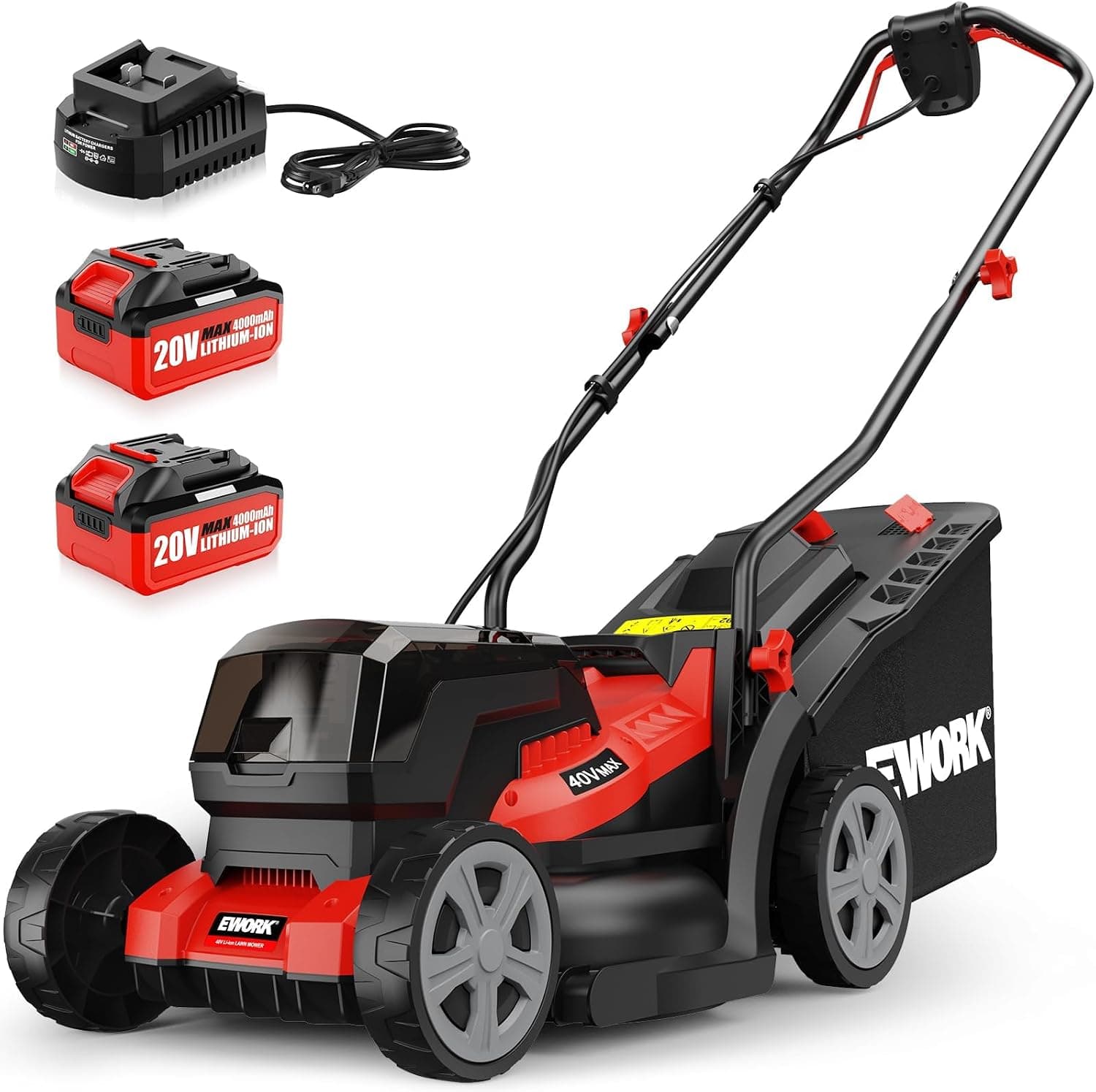
Choosing the Best Lightweight Lawn Mowers comes down to your yard size, personal physical comfort, and preferred power configuration. After carefully analyzing technical specifications and user experiences, our top overall recommendation for balanced performance and lightweight maneuverability is the EWORK 40V 14" Cordless Lawn Mower with 2 x 4.0Ah. Weighing only 21 pounds and featuring a quiet 3800 RPM all-copper motor, dual 4.0Ah battery kit, and 6-position height lever, it delivers effortless lawn care without the weight of conventional mowers.
For budget-conscious homeowners with compact yards and accessible electrical outlets, the BILT HARD 15" Corded Electric Lawn Mower represents unmatched value with its capable 11A motor, generous 9.2-gallon catcher, and featherlight 21-pound frame. If you prefer established cordless ecosystem compatibility and slightly wider cutting swaths, the Greenworks 40V 16in Push Lawn Mower provides strong brushless torque, 2-in-1 mulch and bag versatility, and a robust 3-year warranty. Meanwhile, those dealing with taller grass on slightly larger terrain will appreciate the gas-powered reliability of the PowerSmart EasyCut 18-Inch Gas Lawn Mower. Explore additional tool comparisons in our comprehensive outdoor gear reviews to complete your yard care toolkit.
FAQs
What is considered a lightweight lawn mower?
Most standard gas walk-behind lawn mowers weigh between 60 and 90 pounds, which can make turning and pushing physically taxing. A lightweight lawn mower typically weighs between 20 and 35 pounds for electric and battery models, and under 55 pounds for compact gas models. This reduced weight allows easy steering around flowerbeds and effortless transport into storage sheds.
How much yard area can a cordless mower cover on a single charge?
Cordless mowers equipped with dual 20V (40V combined) or dedicated 40V 4.0Ah battery systems generally provide between 30 and 45 minutes of continuous runtime. This runtime easily accommodates yard sizes ranging from 2,300 square feet up to approximately 1/3 of an acre, depending on grass height, moisture levels, and walking speed.
Are lightweight electric mowers powerful enough for thick grass?
Yes. Modern lightweight mowers utilize high-torque brushless motors and high-speed copper windings delivering speeds up to 3400 to 3800 RPM. When paired with sharp steel blades, these motors efficiently slice through dense turf without stalling, especially when adjusted to appropriate seasonal cutting heights.
Is mulching better than bagging grass clippings?
Mulching is beneficial for routine maintenance because it cuts grass clippings into fine particles that decompose quickly, returning nitrogen and organic moisture back to your soil. Rear bagging is ideal when dealing with overgrown spring grass, weed-heavy patches, or fall leaves where you want a clean, debris-free lawn surface.
How do I maintain my lightweight electric mower in 2026?
Electric mowers require significantly less maintenance than gas alternatives. Keep the cutting deck clean of dried grass buildup, inspect and sharpen the blade annually, store lithium-ion batteries at room temperature indoors during winter, and check handle fasteners before each mowing season. For more outdoor tool upkeep ideas, browse our Garden Tools resource section.