The Best Garage Heaters: Our Top Picks & What Matters
A cold garage kills more winter projects than any broken tool. When your fingers go numb and the glue will not cure, the workbench sits empty until spring. The best garage heaters fix that problem, turning a freezing bay into a space where you can actually wrench, sand and build through December and beyond.
Picking one is not as simple as grabbing the biggest number on the box. Garage size, insulation, your electrical panel and the fuel you are comfortable with all matter. Below the product table you will find our three top picks, a buying guide that explains watts, BTUs and mounting, a quick look at heater types, and safety tips worth reading before you plug in or light anything. If you are shopping for someone else, there is also a section on giving a heater as a holiday gift.


Our Top 3 Garage Heaters at a Glance
We picked these three as the best garage heaters for most shops based on heat output, build quality, safety features and strong Amazon buyer ratings. One is a ceiling mounted electric workhorse, one is a cheap plug in heater for small spaces, and one is a full size gas unit heater for big, serious workshops.
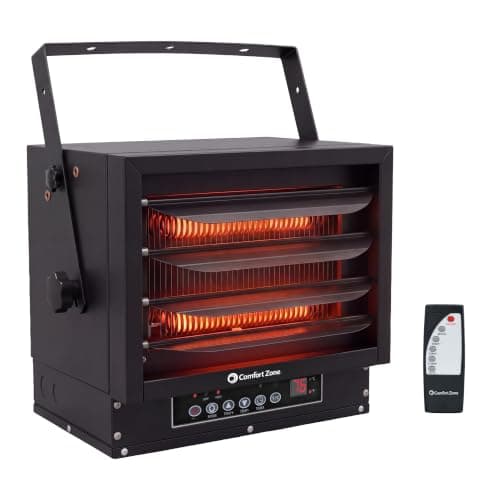
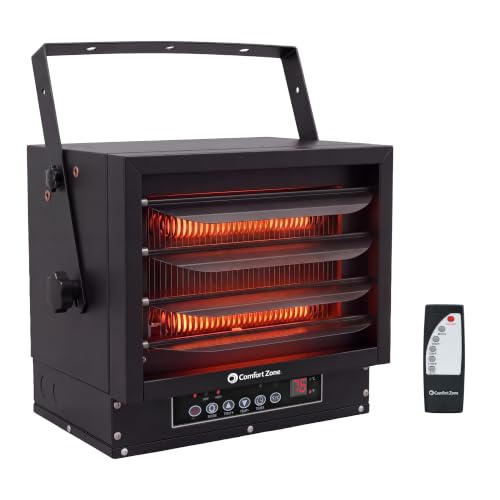
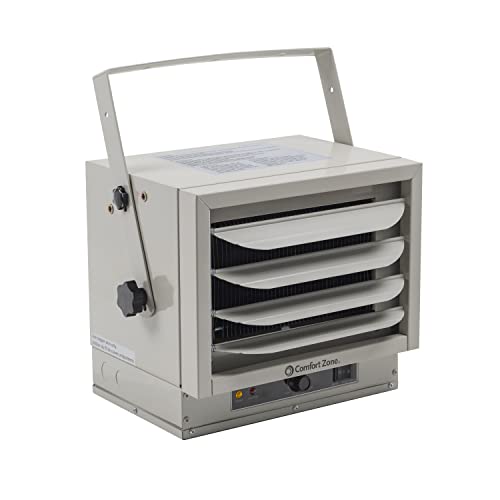
Best Overall: Comfort Zone CZ230ERBK 7,500 Watt Ceiling Mount Heater
For a typical two car garage with a 240 volt circuit, the Comfort Zone CZ230ERBK hits the sweet spot of power, price and convenience. It costs around $155 and carries a 4.4 star average across roughly 2,400 ratings.
Highlights:
- 7,500 watts of fan forced heat on a hardwired 240 volt connection
- Ceiling mount design with adjustable louvers, so it stays off the floor and out of the way of cars and benches
- Heavy gauge steel housing, a digital thermostat, a 12 hour timer and a remote control
- Built in overheat protection that shuts the unit off if it gets too hot
Trade off: It is hardwired, so most buyers will need a licensed electrician to add a dedicated 240 volt circuit. Budget for that install on top of the heater price.
Best for: Homeowners who want a set and forget heater for a one or two car garage they use often.
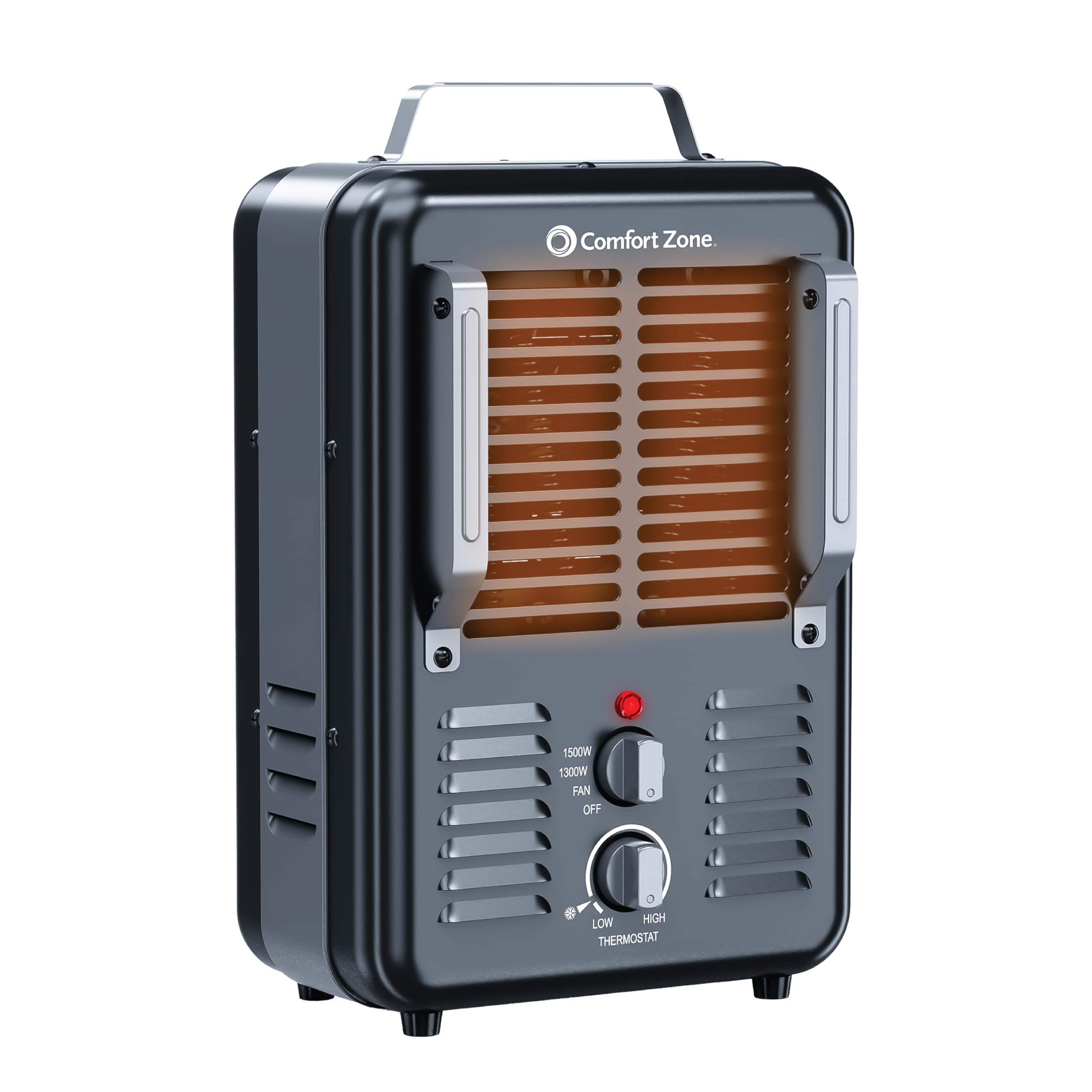
Best Budget Tool: Comfort Zone CZ798BK Milkhouse Utility Heater
If you only need to take the bite out of a small garage or warm the area around your bench, the Comfort Zone milkhouse style heater is a smart cheap fix. It runs around $32 and has about 3,400 ratings at 4.3 stars.
Highlights:
- 1,500 watts on a standard 120 volt outlet, so there is no wiring job
- Adjustable thermostat to hold a steady temperature
- Overheat protection and a tip over safety switch
- Compact utility style body that is easy to move around the shop
Trade off: At 1,500 watts it will not heat a large or poorly insulated garage on its own. Think of it as spot heat for one work area, not whole room comfort.
Best for: Renters, hobbyists with a single car garage, or anyone who wants warmth at the bench without calling an electrician.
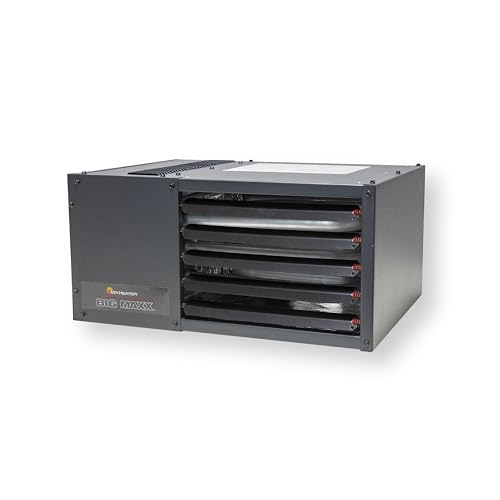
Best Pro Grade Pick: Mr. Heater 50,000 BTU Forced Air Unit Heater
For a large shop, a three car garage or a pole barn, electric heaters start to struggle. The Mr. Heater 50,000 BTU unit heater runs on propane or natural gas and is built for exactly that job. It costs around $450 and holds a 4.4 star average across about 1,400 ratings.
Highlights:
- 50,000 BTU output, rated to heat up to about 1,667 square feet, roughly a three car garage
- Ceiling mounted, low profile design that works with a standard 24 volt thermostat (sold separately)
- High temperature safety shutoff and a gas safety shutoff flame sensor
Trade off: This is a permanent install. The maker lists a minimum 10 foot ceiling and 8 feet of clearance to the floor, and it needs proper gas and vent work. Plan on hiring a qualified HVAC or gas professional.
Best for: Serious woodworkers, mechanics and contractors who spend long winter days in a big shop.
How to Choose the Best Garage Heaters
The right heater depends on three things: how big your garage is, how well it holds heat, and what power or fuel you can safely supply. Choosing among the best garage heaters gets much easier once you answer those questions. Use the points below to narrow your list, then check the product table for current prices.
Power Source and Battery Platform
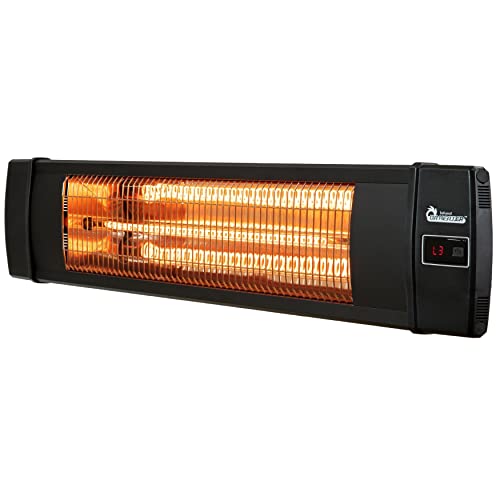
Most garage heaters run on 120 volt household power, 240 volt hardwired circuits, propane or natural gas. A 120 volt plug in heater tops out around 1,500 watts, which suits spot heating. A 240 volt unit like the Comfort Zone or DR. INFRARED models delivers 5,000 to 10,000 watts but needs a dedicated circuit.
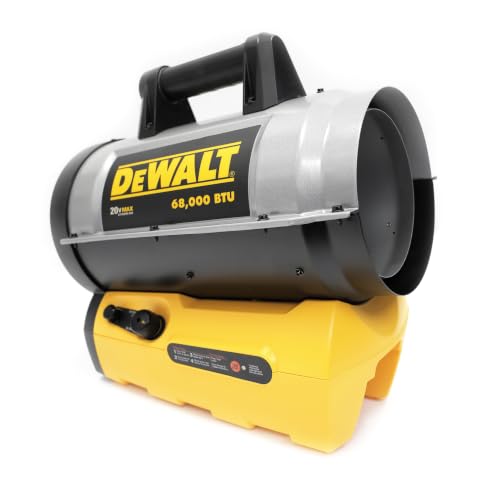
Battery platforms matter less here than with drills, though the DEWALT 68,000 BTU forced air heater can run its fan on a 20 volt MAX battery or 120 volt power. If you already own DEWALT batteries, that cordless option is handy for job sites without outlets.
Performance Specs
For electric heaters, watts tell the story. A common rule of thumb is about 10 watts per square foot in an insulated space, so a 7,500 watt heater suits roughly 750 square feet, while a 5,000 watt unit fits a smaller two car garage.
Gas heaters list BTUs instead: the Mr. Heater unit heater puts out 50,000 BTU and the DEWALT portable ranges from 27,000 to 68,000 BTU. Poor insulation, high ceilings and very cold climates all push you toward a bigger unit.
Build Quality and Durability
A garage is a rough place. Sawdust, fumes, bumps and temperature swings all wear down cheap heaters. Look for steel housings, fully enclosed motors and adjustable louvers that will not snap off.
The DR. INFRARED DR-975 lists a heavy duty enclosed motor and UL listing, while the Comfort Zone ceiling unit uses heavy gauge steel. These details matter more in a working shop than fancy displays.
Ergonomics and Weight
For a heater, ergonomics means placement and control rather than grip. Ceiling and wall mounted units keep the floor clear and push warm air down where you work. Remote controls and digital thermostats save you from climbing a ladder to change settings.
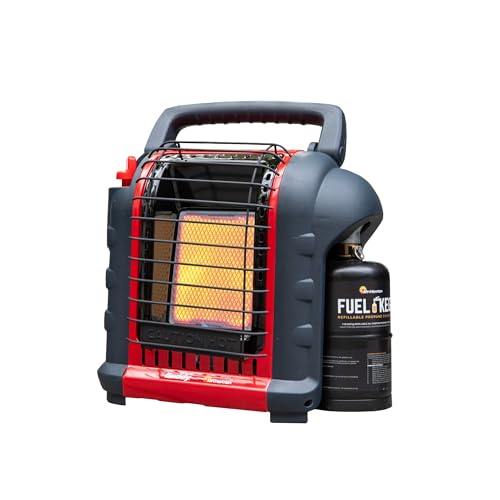
Portable heaters should have a sturdy handle and a stable base. Radiant models like the Mr. Heater Portable Buddy are light enough to carry from the bench to the car.
Kit Contents
Check what comes in the box before you plan your weekend. Many hardwired heaters ship without a power cord or wire, and the DR-975 listing says to use 8 AWG copper wire for the connection. Mounting brackets, a remote and a thermostat are usually included with electric ceiling units.
Gas unit heaters often need a separate thermostat, vent kit and gas line parts. The DEWALT forced air heater includes a matched 10 foot hose and regulator, but the battery is sold separately.
Warranty
Warranty terms vary widely, so read the listing or the maker's site before you buy. Heavy duty brands usually back the heater body for at least a year, and some offer longer coverage on elements or burners. Keep your receipt and register the product, especially for hardwired and gas units where the install cost is part of your investment. A licensed install can also matter for warranty claims.
Types of Garage Heaters
Garage heaters come in a few distinct styles. Each one fits a different garage and budget, so it helps to see them side by side.
| Type | Best For | Watch Out For |
|---|---|---|
| 240V electric ceiling or wall mount | Insulated one or two car garages used often | Needs a dedicated circuit and electrician |
| 120V portable electric | Spot heat at the bench, small garages | Limited output, high power draw on one outlet |
| Propane or natural gas unit heater | Large shops, pole barns, cold climates | Professional gas and vent install |
| Portable propane | Job sites, quick warmups, no outlets | Ventilation and carbon monoxide risk |
Cordless
True battery powered heat is rare because heating takes a lot of energy. The DEWALT 68,000 BTU heater is a hybrid: propane makes the heat while a 20 volt MAX battery or 120 volt power runs the fan and controls.
Corded
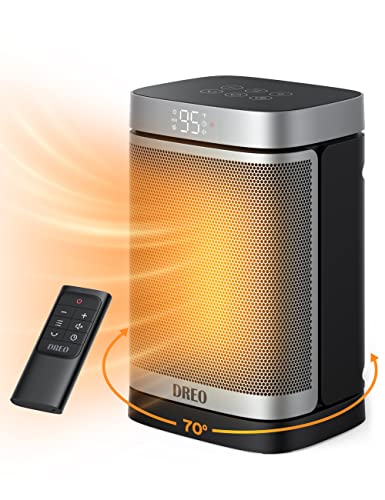
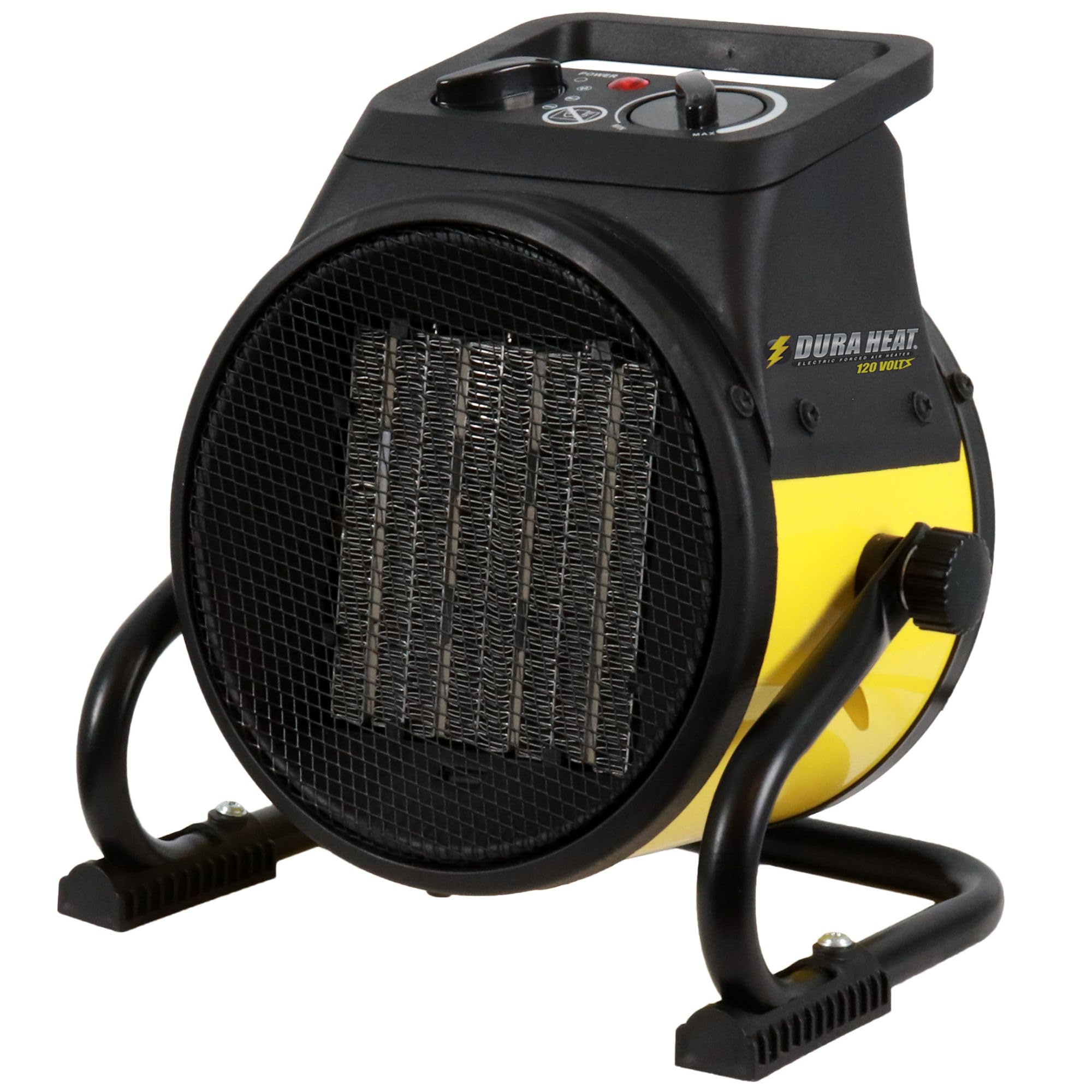
Corded electric heaters range from 1,500 watt plug in units like the Dura Heat EUH1465 and DREO space heater to 240 volt models like the DR. INFRARED DR-988 and DR-975. They produce no combustion fumes, which is a big plus in a closed garage.
Heavy duty
Heavy duty options include the Mr. Heater 50,000 BTU unit heater and 7,500 to 10,000 watt electric ceiling heaters. They are built for long hours in big or drafty spaces.
Budget
The Comfort Zone milkhouse heater and the Comfort Zone 5,000 watt ceiling heater give you the most warmth per dollar in their classes. They are simple, proven and easy to replace if needed.
Using It Safely and Effectively
A heater only works as well as its setup. A few smart steps at the start, plus some seasonal habits, will keep your garage warm and your heater running for years.
Getting Started
Read the manual fully before installing or running any heater. Mount ceiling units at the height and clearances the maker lists, and aim the louvers toward your main work area. For 240 volt or gas models, hire a licensed electrician or gas professional and get any permits your area requires. Run the heater for a short test while you watch it, and check that the thermostat and safety shutoffs respond.
Winter and Garage Tips
Insulation does as much as the heater itself. Weatherstrip the garage door, seal gaps around windows and add an insulation kit to the door panels if you can. Close the door between work sessions to hold heat.
A ceiling fan on low can push warm air back down from a high ceiling. Keep the heater away from sawdust piles, fuel cans, paint and solvents.
Maintenance
Unplug or shut off power and gas before any cleaning. Vacuum dust from grilles and fan blades a few times each season, since sawdust buildup cuts airflow and can trip overheat protection. Check cords for damage on portable units. Gas heaters should get an annual inspection of burners, hoses and fittings, ideally by a qualified technician.
Are Garage Heaters a Good Holiday Gift?
Yes, a garage heater can be a great holiday gift for the DIYer, woodworker or home mechanic who loses months of shop time every winter. It is the kind of upgrade many people put off buying for themselves, even though they would use it every weekend.
Choose carefully, though. A plug in heater like the Comfort Zone milkhouse model or a Mr. Heater Portable Buddy is easy to gift because it works right out of the box.
Hardwired and gas units are better as a "we will install it together" present, since they need an electrician or gas pro. Pair the heater with a garage door insulation kit or a digital thermometer for a thoughtful bundle. For more ideas, see our guide to the best gifts for diyers.
Heaters sell fast once the first cold snap hits, so order early. Check Amazon's holiday shipping page for 2026 cutoff dates and the delivery estimate on each listing before you check out.
Safety Tips Before You Buy
Heat is the goal, but safety comes first. Fuel burning heaters, including propane, kerosene and natural gas models, produce carbon monoxide. Never run an unvented fuel heater in a closed garage. Follow the maker's ventilation instructions exactly, and install a battery powered carbon monoxide alarm and a smoke alarm in or near the garage.
Plug portable electric heaters straight into a wall outlet, not an extension cord or power strip, unless the manual allows it. Keep at least the clearance the maker lists between any heater and walls, cars, fuel cans, rags and sawdust. Leave hardwired 240 volt installs and gas connections to licensed professionals. Never leave a portable heater running unattended or overnight, and wear safety glasses and gloves while you work in the shop.
FAQs
Is cordless or corded better for garage heaters?
Corded is better for most garages. Electric heaters plugged in or hardwired give steady heat with no fumes. Cordless hybrid models like the DEWALT forced air heater still burn propane, so they suit job sites with good ventilation rather than closed home garages.
Which battery platform should I choose?
Stick with the platform you already own. Few heaters use batteries at all, but if you run DEWALT 20 volt MAX tools, the DEWALT propane heater can share those batteries for its fan. Otherwise, choose a heater by power source and output, not battery brand.
How do you maintain garage heaters?
Cut power or gas first, then vacuum dust from grilles, fans and elements a few times each season. Inspect cords, plugs, hoses and fittings for wear. Have gas heaters checked every year, and follow the cleaning steps in your manual.
Are garage heaters a good gift for DIYers?
Yes, they are a practical gift that adds months of usable shop time. Plug in models work right away, while hardwired or gas units make a great shared project if you also cover the professional install.
Where can you buy garage heaters online?
Amazon carries a wide range, from 1,500 watt portables to 240 volt ceiling heaters and gas unit heaters. Compare current prices, ratings and delivery dates in the product table above before you buy.
Final Thoughts
The Comfort Zone CZ230ERBK is our top pick for most two car garages, the Comfort Zone milkhouse heater is the budget choice for spot heat, and the Mr. Heater 50,000 BTU unit heater is the pro grade answer for big shops. Match the heater to your garage size, insulation and power supply, put safety first, and the best garage heaters will keep your projects moving all winter. Scroll back up to the product table to compare current prices on Amazon.