
Snow & Winter Tools
Snow blowers, roof rakes, snow shovels, ice scrapers and ice melt spreaders for clearing driveways, roofs and vehicles all winter.
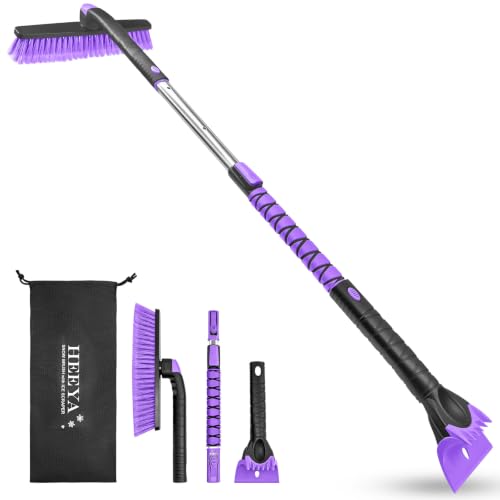
Best Snow Brushes for Trucks: Specs, Picks & Buying Guide

The Best Ice Melt Spreaders: Our Top Picks & What Matters

The Best Ice Scrapers for Cars: Our Top Picks & What Matters
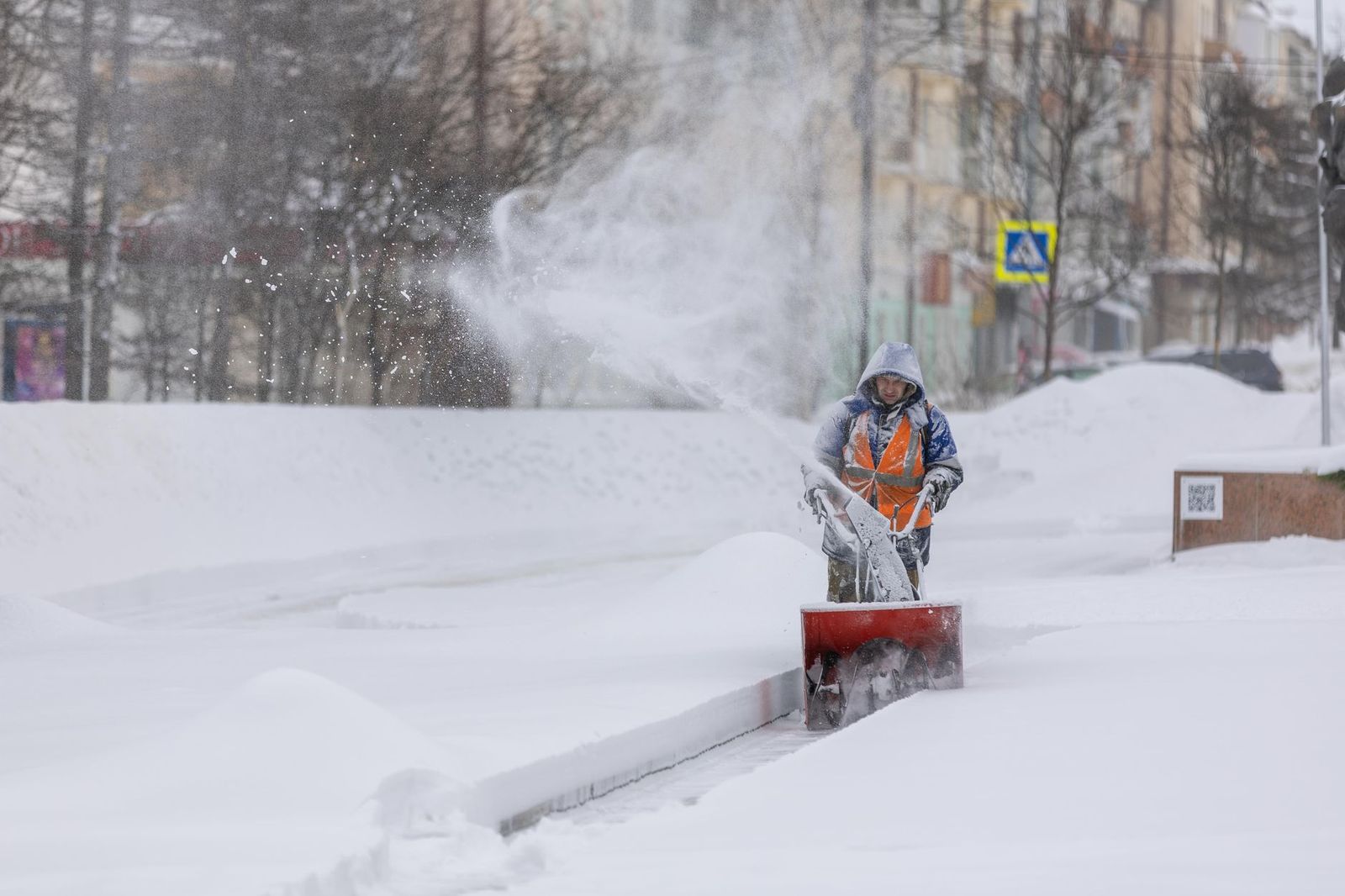
Best Black Friday Snow Blowers: How to Choose and Spot a Real Deal
A buying guide to the best Black Friday snow blowers: single, two and three stage machines, gas vs battery vs corded power, clearing width for your driveway, price tiers and how to judge a holiday discount.
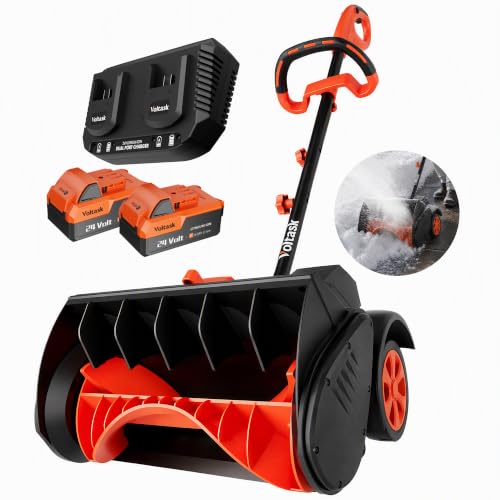
The Best Cordless Snow Shovels: Our Top Picks & What Matters

Best Roof Rakes for Snow: Specs, Picks & Buying Guide

Best Snow Blowers: Specs, Picks & Buying Guide
Match the Tool to Your Snowfall
How much snow you get, and what kind, shapes every winter tool decision. Light, frequent dustings are a different job from heavy, wet storms or deep lake-effect accumulations. Think about your typical storm depth, driveway length and surface, and whether you need to clear a roof or vehicles too.
Snow Blowers Explained
- Single-stage: one auger scoops and throws snow. Light and easy to handle, best for paved driveways with snowfall up to roughly 8 inches. Avoid gravel, since the auger touches the ground.
- Two-stage: an auger feeds an impeller that throws snow farther. Handles deeper, heavier snow and gravel driveways, and is often self-propelled.
- Three-stage: adds an accelerator for very heavy snow and end-of-driveway plow piles. Big, heavy and pricey.
- Cordless electric: quiet and low maintenance; good for small to medium driveways with moderate snowfall.
Our snow blowers guide compares clearing width, intake height and power sources. For smaller areas, decks and walkways, cordless snow shovels are a lighter middle ground between a shovel and a full blower.
Roofs, Vehicles and Ice
Heavy snow on a roof can lead to ice dams and leaks. A roof rake lets you pull snow down from the ground; never climb onto a snowy roof. Look for extension length that reaches your eaves and a head that will not scratch shingles. Our roof rakes comparison covers reach and blade materials.
For vehicles, a long-handled brush with a built-in scraper saves reaching across a truck windshield. Ice melt spreaders apply salt or melt evenly, which uses less product and reduces damage to concrete, plants and pets compared with tossing it by hand.
Common Winter Mistakes
- Buying a snow blower after the first big storm, when stock is limited.
- Choosing a single-stage blower for a gravel driveway.
- Using metal scrapers on windshields, which can scratch glass.
- Clearing a jammed chute with your hands. Always shut off the engine and use the clearing tool.
- Overexerting while shoveling heavy snow. Push rather than lift when you can, and take breaks.
Snow & Winter Tools FAQ
What size snow blower do I need?
For a short paved driveway with light snow, a single-stage or cordless model with a clearing width of around 18 to 22 inches works. Longer driveways or deep, wet snow call for a two-stage machine 24 inches or wider.
Can I use a single-stage snow blower on gravel?
It is not recommended. The auger contacts the ground and can pick up and throw stones. A two-stage blower with adjustable skid shoes is the better choice for gravel.
When should I use a roof rake?
Consider raking after heavy accumulations, especially near the eaves, to reduce ice dam risk. Work from the ground, stay clear of power lines and avoid scraping down to the shingles.
Which ice melt is safest for pets and concrete?
Products based on calcium magnesium acetate or labeled pet friendly are gentler than rock salt. Applying any melt evenly with a spreader, and only as much as needed, also limits damage.
Are cordless snow blowers worth it?
For small to medium driveways with moderate snowfall, yes. They start instantly, need no fuel and are quiet, but runtime and heavy wet snow are their limits.