
Workwear & Safety
Heated jackets, heated socks, tool belts, headlamps and magnetic wristbands for staying warm, safe and organized on the job.

Best Tool Belts for Carpenters: Specs, Picks & Buying Guide

The Best Magnetic Wristbands for Tools: Our Top Picks & What Matters
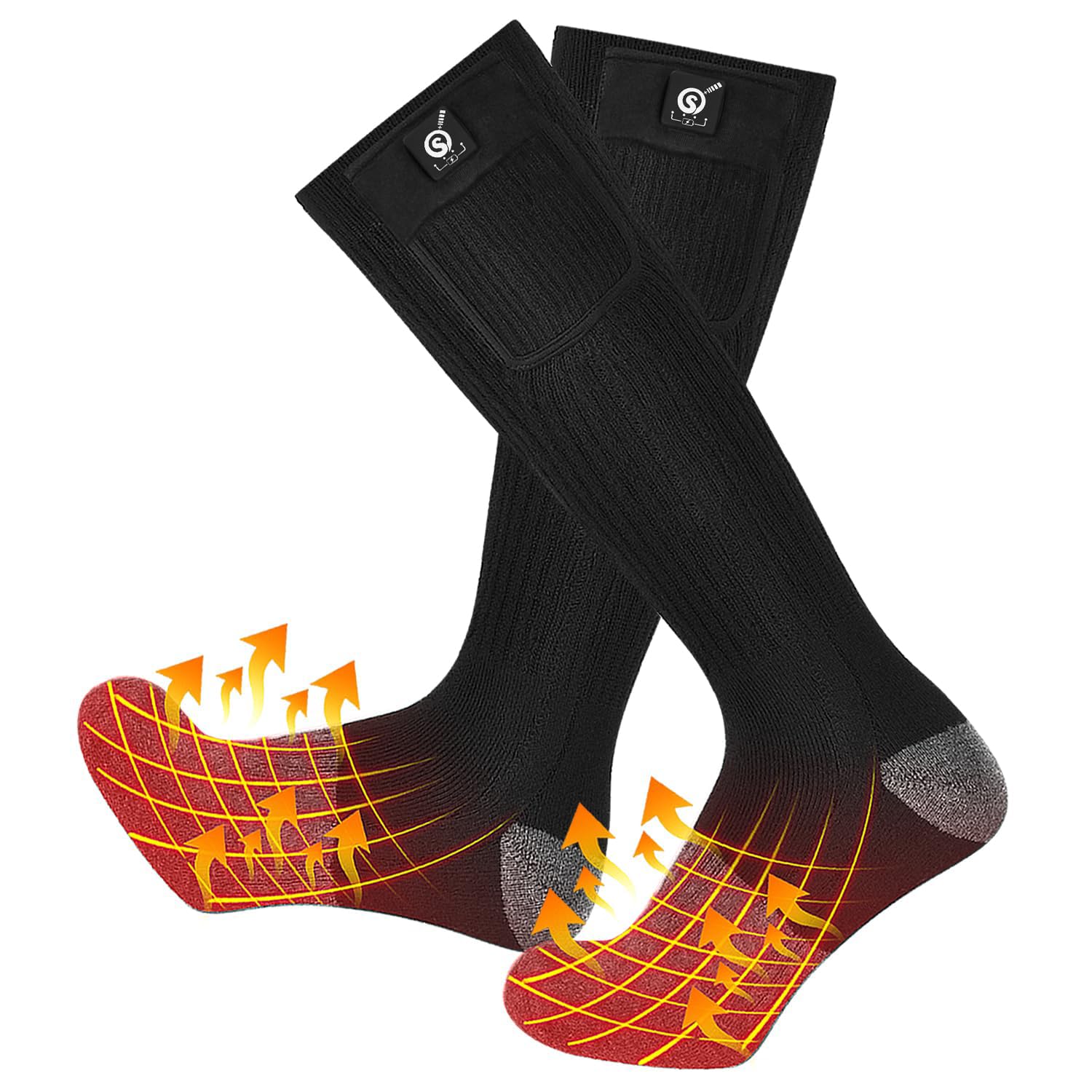
Best Heated Socks for Work Boots: Specs, Picks & Buying Guide
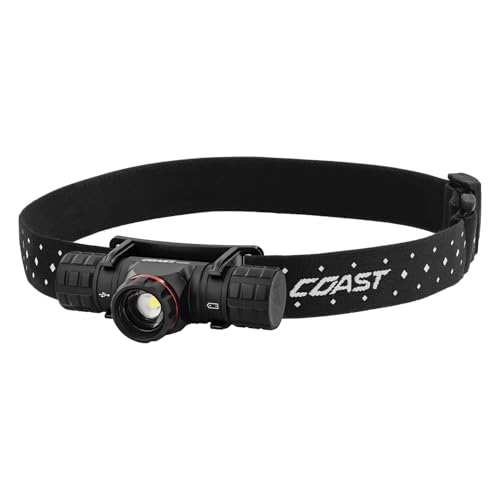
The Best Headlamps for Work: Our Top Picks & What Matters

Best Heated Jackets for Work: Specs, Picks & Buying Guide
Why the Right Gear Pays Off
Good workwear is not about looking the part. Gear that fits, stays warm and keeps tools within reach makes long days less tiring and helps prevent injuries. The key is matching each item to the conditions you actually work in, whether that is a cold job site, a dim crawlspace or a ladder.
Heated Apparel
Battery-heated jackets, vests and socks have become popular with outdoor trades and winter DIYers. When comparing them, focus on:
- Heating zones: chest and back panels cover most needs; more zones add warmth and battery draw.
- Battery compatibility: some jackets run on the same packs as a brand's power tools, which is convenient if you already own them.
- Runtime by setting: high heat drains packs fast; low settings can last much longer.
- Durability: look for abrasion-resistant shells and washable designs (remove the battery first).
Our guides to heated work jackets and heated socks for work boots cover fit and battery options in detail. Heated gear supplements, rather than replaces, proper layering.
Lighting and Tool Carry
A headlamp keeps both hands free in attics, under sinks and on early winter mornings. Look for adjustable brightness, a red or low mode to preserve night vision, a comfortable strap that works over a hard hat, and rechargeable batteries. See our work headlamps comparison.
Tool belts and magnetic wristbands reduce trips up and down ladders. A belt should distribute weight evenly, with suspenders for heavy loads to ease strain on the hips and lower back.
Safety Basics Worth Repeating
- Wear eye protection rated to ANSI Z87.1 whenever cutting, drilling or striking.
- Use hearing protection around saws, mowers, snow blowers and other loud equipment.
- Choose gloves for the task: cut resistance for sheet metal, insulation for cold, dexterity for fine work.
- Pick footwear with the protection your job requires, such as safety toes or slip resistance.
- Replace gear that is cracked, frayed or worn out instead of stretching its life.
Workwear & Safety FAQ
Are heated jackets safe to wear all day?
Reputable heated jackets use low-voltage batteries and include overheat protection, so they are generally safe for a full workday. Follow the maker's instructions, avoid damaged batteries and remove packs before washing.
How long do heated socks stay warm?
Runtime varies by battery and setting. Low heat often lasts several hours, while high heat may last only a couple of hours, so many workers start on high and switch down.
What should I look for in a work headlamp?
Look for adjustable brightness, a comfortable strap that fits over a hard hat, water resistance, a tilting head and rechargeable batteries. A low or red mode is handy for close work.
Do magnetic wristbands really help?
For screws, nails, bits and small fasteners, yes. A magnetic wristband keeps steel parts within reach on ladders and roofs, reducing dropped hardware. They do not hold non-magnetic items like brass or stainless screws well.
What safety glasses rating should I buy?
In the US, look for ANSI Z87.1 marking, which indicates the eyewear meets impact standards. Z87+ indicates higher impact protection, which is a good choice for power tool use.