
Best Automatic Generators for Every Need: How to Pick the Right One
Disclosure: We may earn a commission when you buy through links on this page, at no extra cost to you. As an Amazon Associate I earn from qualifying purchases. Learn more

How to choose among the best automatic generators by household type, wattage, fuel, transfer switch and clean power needs.
When the power goes out at 2 a.m. in a winter storm, an automatic generator notices within seconds, starts itself and switches your home over to backup power before the house even cools down. That convenience is why so many homeowners look for the best automatic generators, but the right choice depends heavily on how you live, where you live and how much of the house you need to keep running.
This guide skips the hype and matches generator types and features to real situations. It covers who should buy which kind of automatic generator, the specifications that matter, the mistakes that cost buyers money and how to keep a generator ready for years.
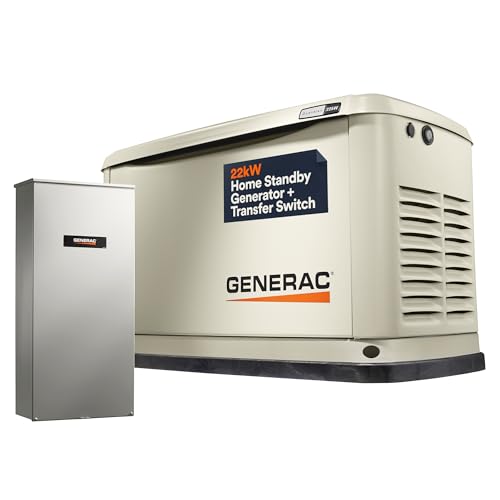


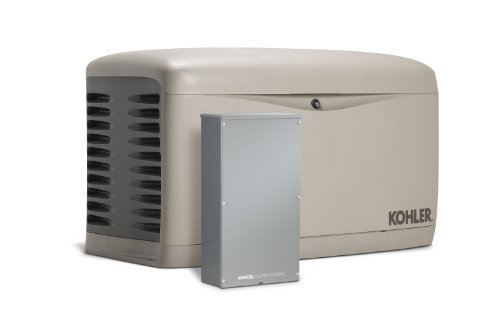
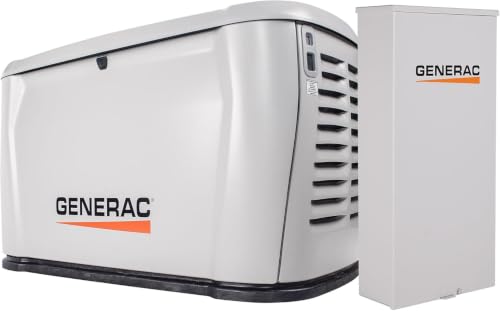
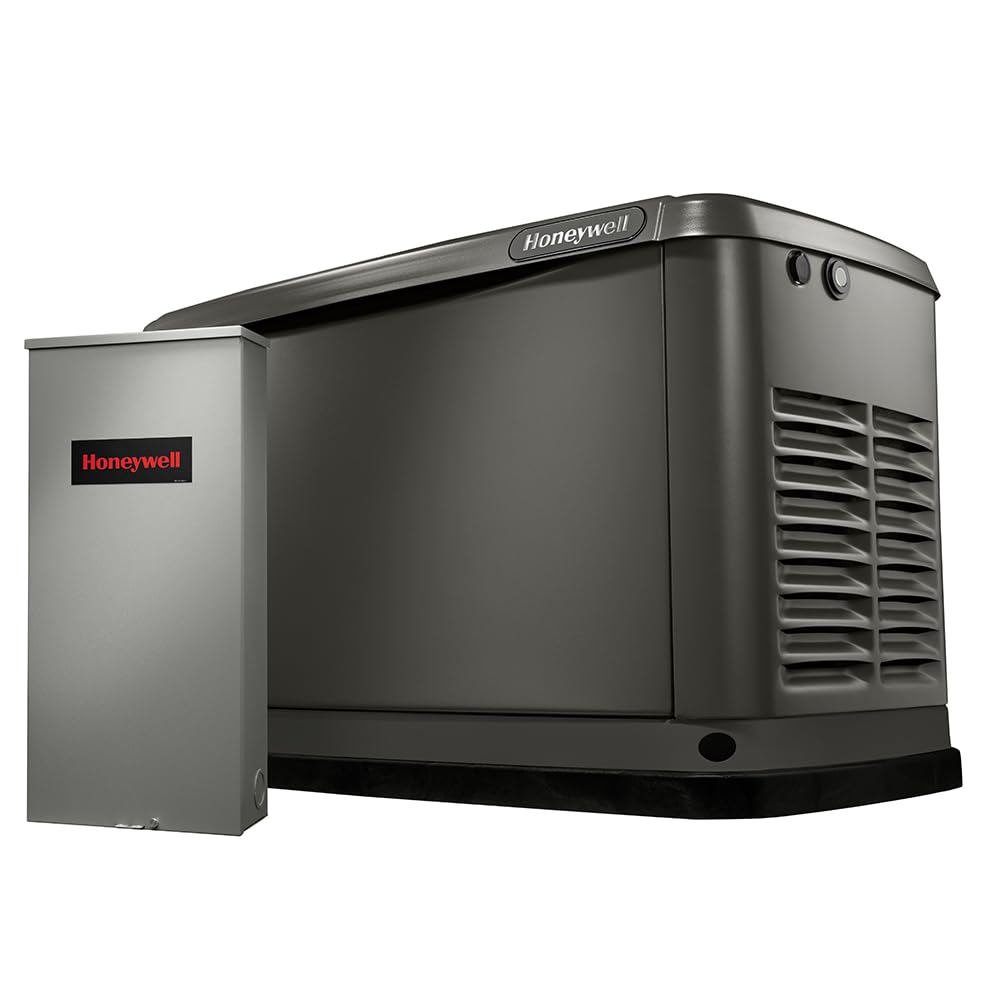
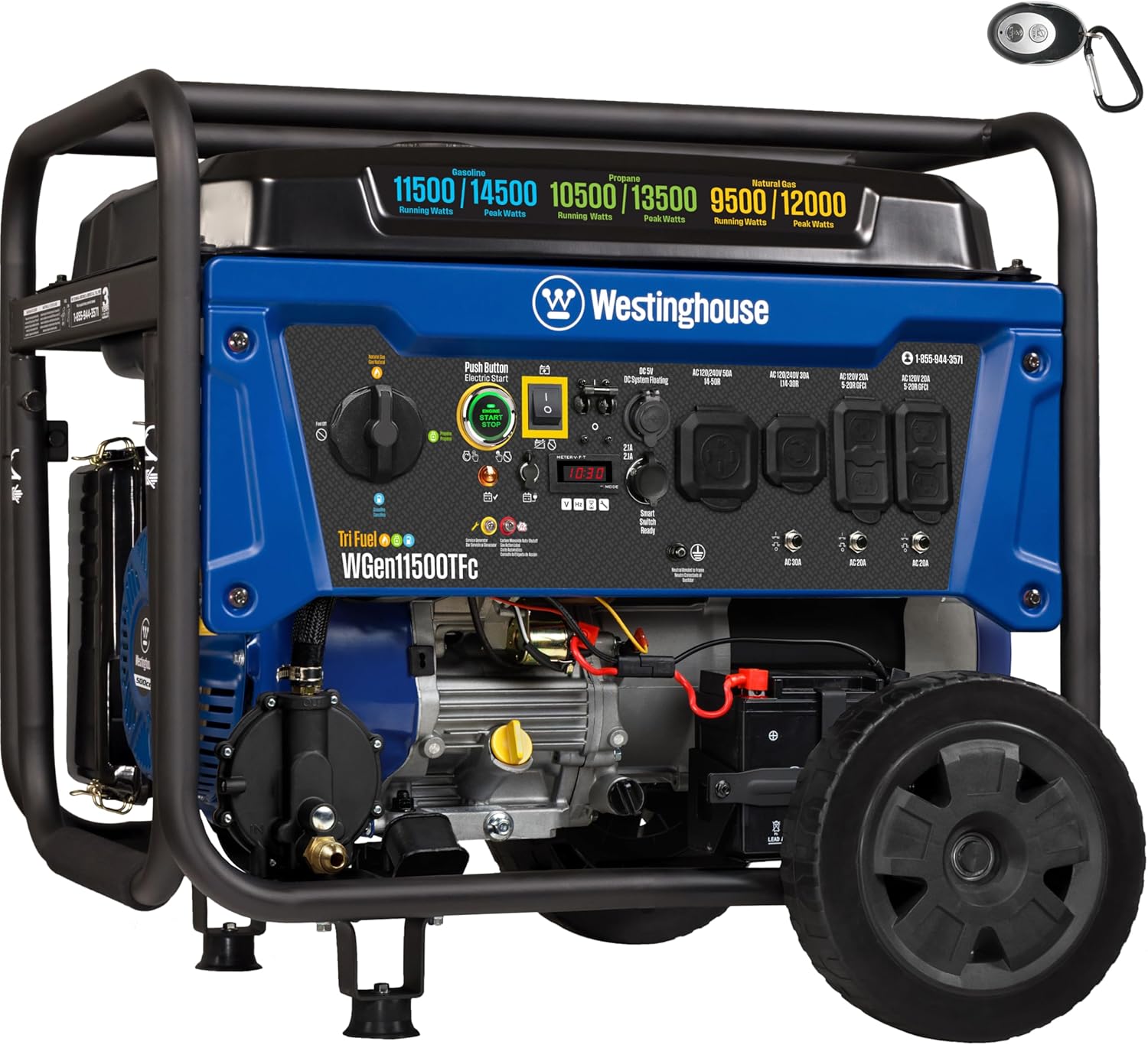


Who Should Buy Which Automatic Generators?
An automatic generator usually means a home standby generator wired to an automatic transfer switch, which monitors utility power and starts the generator when it fails. Some large portable generators offer remote or electric start and connect through a manual transfer switch, which is a semi automatic alternative. Here is how those options line up with different households.
For Frequent or Serious Users
If your area loses power several times a year, or if someone in the home depends on medical equipment, a permanently installed standby generator with an automatic transfer switch is the most reliable choice. These units run on natural gas or propane, so there is no refueling during long outages, and they exercise themselves weekly to stay ready.
Look for whole home capacity in the 14 to 24 kW range, Wi Fi or cellular monitoring that alerts you to problems and a service network in your area. Expect professional installation, permits and a concrete or composite pad, which add to the cost but deliver true hands free backup.
For Bad Weather and Tough Conditions
Homes in hurricane, ice storm and tornado regions need generators built to start in harsh weather and run for days. Standby units in weather resistant enclosures with cold weather kits suit northern climates, while coastal homes benefit from corrosion resistant housings. Natural gas service avoids fuel shortages after big storms, though propane tanks work where gas lines are unavailable.
Prioritize automatic operation, enough capacity for heating or cooling and a reputable brand with parts available after a regional disaster, when demand spikes.
For Small Spaces and Easy Storage
Townhouses, small lots and homes with strict setback rules may not have room for a large standby unit. Smaller air cooled standby generators around 8 to 10 kW fit tighter spaces and power essential circuits through a smaller transfer switch. Large portable generators with remote electric start can be stored in a garage and wheeled out, then connected through a manual transfer switch or interlock installed by an electrician.
Check local code for clearance from windows, doors and property lines before choosing any location, and confirm HOA rules if you have them.
For Budget Conscious Homeowners
Whole home standby systems are a significant investment once installation is included. If the budget is tight, start by listing the circuits you truly need during an outage: refrigerator, freezer, sump pump, furnace blower, a few lights, internet and phone charging. A smaller standby unit or a large dual fuel portable with remote start often covers that list for far less money.
Ask an electrician about an essential circuits transfer switch. It powers only the loads you choose, which lets a smaller generator handle the job and keeps fuel use down during long outages.
For Remote or Rural Homes
Rural homes often face longer outages, depend on well pumps and may lack natural gas service. For these homes, a propane fueled standby generator with a large tank provides days of backup without trips to a gas station. Well pumps have high starting loads, so size the generator carefully and confirm surge capacity.
Service access matters too. Choose a brand with a dealer or service partner within reach, and consider keeping a basic maintenance kit with oil, filters and spark plugs on hand.
Key Features to Compare
Generator listings are full of numbers. These are the ones that decide whether a generator will actually meet your needs.
Generator Type (Portable, Inverter, Standby, Solar Power Station)
Standby generators are permanently installed, connected to natural gas or propane and paired with an automatic transfer switch. They are the only truly automatic option for whole home backup. Portable generators are wheeled units with gas, propane or dual fuel engines; many offer electric or remote start and transfer switch ready outlets, but someone must set them up during an outage.
Inverter generators produce cleaner power and run quieter, making them good for electronics, though most are smaller. Solar power stations store energy in batteries and can switch over almost instantly for a few devices, but they hold far less energy than fuel generators for whole home use.
Wattage: Running vs Starting Watts
Running watts are what a generator can supply continuously; starting or surge watts are the brief extra power motors need to start, such as refrigerators, well pumps and air conditioners. Add up the running watts of everything you want to power at once, then make sure the largest motor's starting watts fit within the generator's surge rating.
As a rough guide, essential circuits such as a refrigerator, sump pump, furnace fan, lights and internet need around 5 to 8 kW, while whole home backup with central air often needs 16 to 24 kW or more. A licensed electrician can perform a load calculation for your home.
Fuel Type (Gasoline, Propane, Dual Fuel, Natural Gas, Solar)
Natural gas offers continuous supply from the utility and is ideal for standby units where available. Propane stores well for years and works with both standby and portable generators, though it produces slightly less power than gasoline in portables. Gasoline is widely available but degrades in storage and can be hard to find after major storms.
Dual and tri fuel portable generators can switch between gasoline, propane and sometimes natural gas, which adds flexibility. Solar stations avoid fuel entirely but depend on sun or grid charging.
Transfer Switch and Home Connection
A transfer switch safely isolates your home from the utility before generator power flows in, protecting line workers and your equipment. Automatic transfer switches do this on their own; manual switches and interlock kits require you to flip the switch. Either way, installation should be done by a licensed electrician and may require a permit.
Never back feed a home through a dryer outlet or similar connection; it is dangerous and illegal in most areas. Choose a generator whose output matches the transfer switch rating, such as a 50 amp or 200 amp service.
Clean Power (THD) for Electronics
Total harmonic distortion (THD) describes how smooth a generator's electrical waveform is. Lower THD, usually under about 5 percent, is safer for computers, smart thermostats, modern furnaces and variable speed appliances. Many standby generators and all inverter generators advertise low THD.
If you run sensitive electronics or medical equipment, check the listed THD and consider surge protection on critical circuits.
Noise, Exercise Cycles and Monitoring
Standby generators run a short weekly or biweekly exercise cycle to keep the engine lubricated and confirm readiness. Many let you schedule it at a convenient time and run it at lower speed for quieter operation. Noise ratings vary, and placement relative to bedrooms and neighbors matters.
Remote monitoring through Wi Fi or cellular apps sends alerts for maintenance, low battery or faults, so you are not surprised when the power fails. For homes left empty during travel, monitoring is especially valuable.
Installation, Permits and Placement
Standby generators require more than unboxing. A typical installation includes a level pad, a gas line sized for the generator's fuel demand, electrical wiring to the transfer switch, permits and inspections. Many areas also require specific clearances from windows, doors, vents and property lines to keep exhaust away from living spaces.
Get at least two quotes from licensed installers and ask what is included, such as the pad, gas work and permit fees. Installation can take one to several days depending on your home, and some utilities must upgrade the gas meter for larger units.
Total Cost of Ownership
The purchase price is only part of the cost. Add installation, annual maintenance, fuel during outages and eventual battery replacement for the starter. Natural gas generators avoid fuel storage, while propane tanks may need to be rented or bought and refilled after long outages.
Weigh that cost against what outages cost you: spoiled food, frozen pipes, flooded basements without a sump pump, hotel stays and missed work. For homes with frequent outages, the best automatic generators often pay for themselves in avoided damage and disruption.
Common Mistakes to Avoid When Buying Automatic Generators
- Undersizing: choosing a generator that cannot start the air conditioner or well pump you rely on.
- Oversizing without need: paying for whole home capacity when essential circuits would do.
- Skipping the load calculation: guessing rather than having an electrician total your loads.
- Ignoring installation costs: pads, gas lines, permits and electrical work can rival the generator's price.
- Poor placement: installing too close to windows or doors, where exhaust can enter the home.
- Forgetting maintenance: a standby unit that misses oil changes may fail when you need it most.
Another common mistake is buying online without confirming local installer support. Some brands are easier to service in certain regions, so ask local electricians which models they install and maintain.
Carbon monoxide is the most serious risk with any fuel burning generator. Install CO alarms inside the home and never run a portable generator indoors, in a garage or near openings.
How to Make Your Automatic Generator Last Longer
Follow the maintenance schedule in the manual: oil and filter changes, air filter and spark plug replacement and battery checks, typically yearly or after a set number of run hours. Many standby owners use dealer maintenance plans for convenience. Keep the area around the unit clear of leaves, snow and plants so it can breathe.
Let the weekly exercise cycle run, review monitoring alerts promptly and have the full transfer checked once or twice a year by a qualified technician. For portables, use fuel stabilizer, run the generator monthly and store it dry and covered.
Keep a simple log of run hours, oil changes and service visits. It helps you stay on schedule, supports warranty claims and adds value if you ever sell the home, since buyers appreciate a documented, well maintained backup system.
Before storm season, walk around the unit, check the battery indicator, confirm fuel supply and make sure nothing has been stacked against the enclosure. Five minutes of checking in early fall can prevent a failed start during the first winter storm.
Automatic Generators: Your Questions Answered
Can a generator run a refrigerator?
Yes. Most refrigerators need roughly 700 to 1,200 running watts and more to start their compressors, so even a modest generator can run one. Standby generators power refrigerators automatically through the transfer switch. With a portable generator, make sure the starting watts cover the compressor surge and connect safely through a transfer switch or approved heavy duty cord.
Inverter or conventional: which is better?
Inverter generators are better for electronics, quiet operation and fuel efficiency, while conventional generators are better for high wattage needs at a lower cost per watt. For whole home automatic backup, standby generators are the practical choice. For camping or powering a few devices, an inverter wins. Many households pair a standby unit with a small inverter for flexibility.
What size generator do I need to power a house?
Essential circuits usually need around 5 to 10 kW, while whole home backup with central air often requires 16 to 24 kW or more. The exact size depends on your largest motors, heating type and how many appliances run together. A licensed electrician can calculate your load and recommend a size that avoids both overloads and wasted money.
Do I need a transfer switch?
Yes, if you want to connect a generator to your home's wiring. A transfer switch prevents generator power from flowing back into utility lines, which can injure line workers, and protects your generator when utility power returns. Automatic generators include or pair with an automatic transfer switch. Installation should be handled by a licensed electrician under local code.
How long can an automatic generator run continuously?
Standby generators connected to natural gas can run for days as long as gas supply continues, though manufacturers recommend periodic checks and oil changes during long outages. Propane units run until the tank is depleted, which depends on tank size and load. Follow the manual's guidance on extended runtime and service intervals.
The Bottom Line
For truly hands free backup, a home standby generator with an automatic transfer switch is the gold standard, sized by a proper load calculation and installed by a licensed professional. Homes with tighter budgets or limited space can start with a smaller standby unit for essential circuits, or a large remote start portable connected through a transfer switch.
Whatever you choose, plan the details before the next storm: where the unit will sit, which circuits it will power, how it will be fueled and who will maintain it. Those decisions matter as much as the brand on the enclosure.
Weigh fuel availability, wattage, clean power and maintenance support against how often your power fails. Then compare the generators in the product table above to find the best automatic generators for your home and your peace of mind.


