Best Water Well Pumps: Reviews and Buying Guide for 2026
Disclosure: We may earn a commission when you buy through links on this page, at no extra cost to you. As an Amazon Associate I earn from qualifying purchases. Learn more

Three well pump picks plus a guide to choosing by well depth, flow and voltage.
When a well pump fails, the whole house loses water: no showers, no flushing and no water for the garden or livestock. Replacing one, or choosing a pump for a new well, means matching pump type to well depth, flow to household demand and voltage to your electrical supply. The best water well pumps are the ones sized correctly for your well, since even a premium pump performs poorly when it is the wrong type.
This guide covers three top picks, then explains well depth, pump types, horsepower, flow, voltage, pressure tanks and maintenance. Well pump installation involves electrical and plumbing work, so many homeowners hire a licensed well contractor or electrician, and local codes may require one.




Our Top 3 Picks at a Glance
The Red Lion RL12G05-3W2V is our best overall submersible pick, the VEVOR 1 HP Deep Well Submersible Pump is the best value and the Red Lion RL-SWJ50 Jet Pump and Tank Package is the best for beginners with shallow wells.
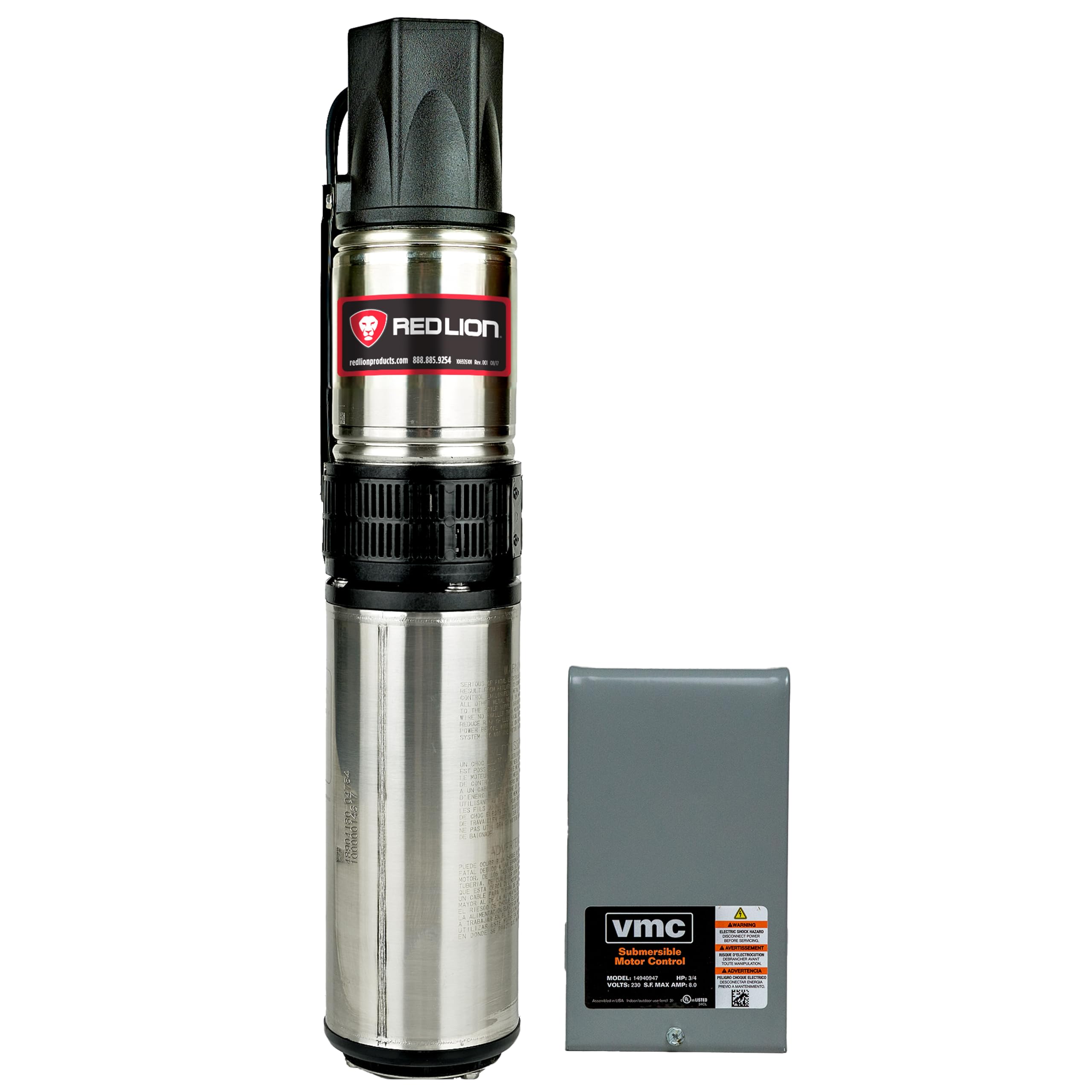
Best Overall: Red Lion RL12G05-3W2V Submersible Well Pump
The Red Lion RL12G05-3W2V suits homeowners replacing a standard 4 inch submersible pump in a residential well. At around $474, it is a 1/2 HP, 3-wire, 230V pump rated for 12 GPM, according to its listing.
Its two standout strengths are an established American pump brand with wide parts and dealer availability, and a 12 GPM flow class that suits typical households of two to four people. The 3-wire design uses a separate control box, which makes troubleshooting and motor protection easier. The limitation is that 1/2 HP limits lift on deeper wells, so check the pump curve against your water level before buying.

Best Value: VEVOR Deep Well Submersible Pump 1 HP
The VEVOR 1 HP pump suits budget buyers, farms and secondary wells. At around $120, it runs on 115V with a 4 inch diameter for 4 inch or larger casings, and VEVOR rates it at 37 GPM maximum flow and 207 feet maximum head.
Its strengths are a stainless steel frame and outlet that resist corrosion and a built in check valve with a stainless filter screen; VEVOR recommends adding a second check valve. The 6-stage thermoplastic impellers deliver strong flow for the price. The limitation is that budget brands have smaller service networks than Red Lion, Goulds or Grundfos, so consider it for less critical applications.

Best for Beginners: Red Lion RL-SWJ50 Shallow Well Jet Pump and Tank Package
The Red Lion RL-SWJ50 package suits homeowners with shallow wells up to about 25 feet who want a simpler, above ground setup. At around $430, the jet pump and a 5.8 gallon pre charged pressure tank come factory assembled and ready to install.
Its strengths are the all in one design, which includes a 30/50 pressure switch, pressure gauge and stainless hose, and a dual voltage 115V/230V motor. Red Lion rates it at 12.6 GPM at 5 feet of suction lift and 30 PSI. The limitation is that shallow well jet pumps only work where the water level is within about 25 feet of the pump.

How to Choose the Best Water Well Pumps: Buying Guide
Choose the pump type by water level depth, size horsepower and flow to your household and match voltage to your electrical supply. Each factor below explains how.
Intended Use and Who It's For
Start by knowing your well. Check the well log or measure the static water level and well depth, and note your casing diameter (usually 4 inches for residential submersibles). A home with two bathrooms typically needs 8 to 12 GPM. Farms, irrigation and large homes may need 15 to 25 GPM. Cabins and seasonal homes may get by with lower flow.
Safety and Certifications
Look for pumps that list UL or CSA listed motors and, for drinking water, materials certified to NSF/ANSI 61 where the product data states it. Wiring must follow the National Electrical Code and local rules, including proper grounding and correctly sized wire. Many states require permits and licensed contractors for well work, so check before installing yourself.
Key Performance Specs
The key specs are horsepower, maximum head and flow at your depth. Horsepower ranges from 1/2 HP for shallow or modest wells to 1 to 1.5 HP for deeper wells. Read the pump curve: a pump listed at 37 GPM at 0 feet may deliver far less at 150 feet of lift. Choose a pump that delivers your target GPM at your actual total dynamic head, which includes depth, pipe friction and pressure.
Maintenance and Long Term Costs
Submersible pumps need little routine maintenance but cost more to pull and replace, often requiring a pump hoist and a professional. Jet pumps sit above ground and are easier to service, but they need priming and their seals wear over time. Budget for a pressure tank, pressure switch and check valves, and replace a waterlogged tank promptly, since short cycling shortens pump life.
Size, Weight, and Fit for Your Space
Submersible pumps must fit the casing: 4 inch pumps for 4 inch casings, 3 inch pumps for narrower bores. Jet pumps need indoor or sheltered space near the well, protected from freezing, with room for a pressure tank. Package systems with a tank attached save space and reduce plumbing work.
Warranty and Customer Support
Established brands such as Red Lion, Goulds, Pentair, Wayne, Star and Grundfos typically offer one to five year warranties and have wide dealer networks. Since a pump failure leaves you without water, local parts and service availability matter as much as warranty length.
Build Quality and Materials
Stainless steel bodies and shafts resist corrosion in submersibles. Cast iron jet pump housings are durable and quiet. Thermoplastic impellers resist abrasion and are standard in many pumps. If your water carries sand, choose a pump designed for sand handling, such as models with floating impellers.
Voltage and Wiring
Residential pumps run on 115V or 230V. 230V pumps draw half the amps, allowing smaller wire for long runs, and are common for deep wells. 2-wire submersibles have the starting components inside the motor; 3-wire pumps use an above ground control box, which is easier to service. Match the pump to your existing wiring and control box when replacing.
Types of Water Well Pumps
Each type suits a specific well depth and budget.
Budget Options
Budget submersibles from brands like VEVOR and Hallmark cost $120 to $200. They offer strong flow ratings for the money but have smaller service networks. They suit secondary wells, irrigation and buyers comfortable with DIY replacement.
Compact Options
Shallow well jet pumps and package systems sit above ground and suit water levels up to about 25 feet. They are compact, easy to reach and simple to service, making them ideal for cabins, small homes and garden wells.
Mid Range Options
Mid range submersibles and convertible jet pumps from Red Lion, Wayne, Star and Pentair cost $300 to $750. Convertible jet pumps work with shallow wells or, with an ejector kit, wells up to about 90 feet. They suit most households wanting reliability without premium prices.
Best Water Well Pumps for Specific Needs
Match the pump to your well depth, power source and household size.
Best Home Water Well Pumps
The best home water well pumps deliver 8 to 12 GPM at your water depth, use a reliable brand with local service and pair with a correctly sized pressure tank. For a typical deep well, a 1/2 to 1 HP 4 inch submersible like the Red Lion RL12G05 fits well.
Best Solar Water Well Pumps
The best solar water well pumps run on 12V or 24V DC from solar panels or batteries, making them ideal for off grid cabins, livestock and gardens. Expect low flow, often around 1.5 to 3 GPM, so pair them with a storage tank. The ECO-WORTHY 24V pump is a common budget option.
Best Shallow Water Well Pumps
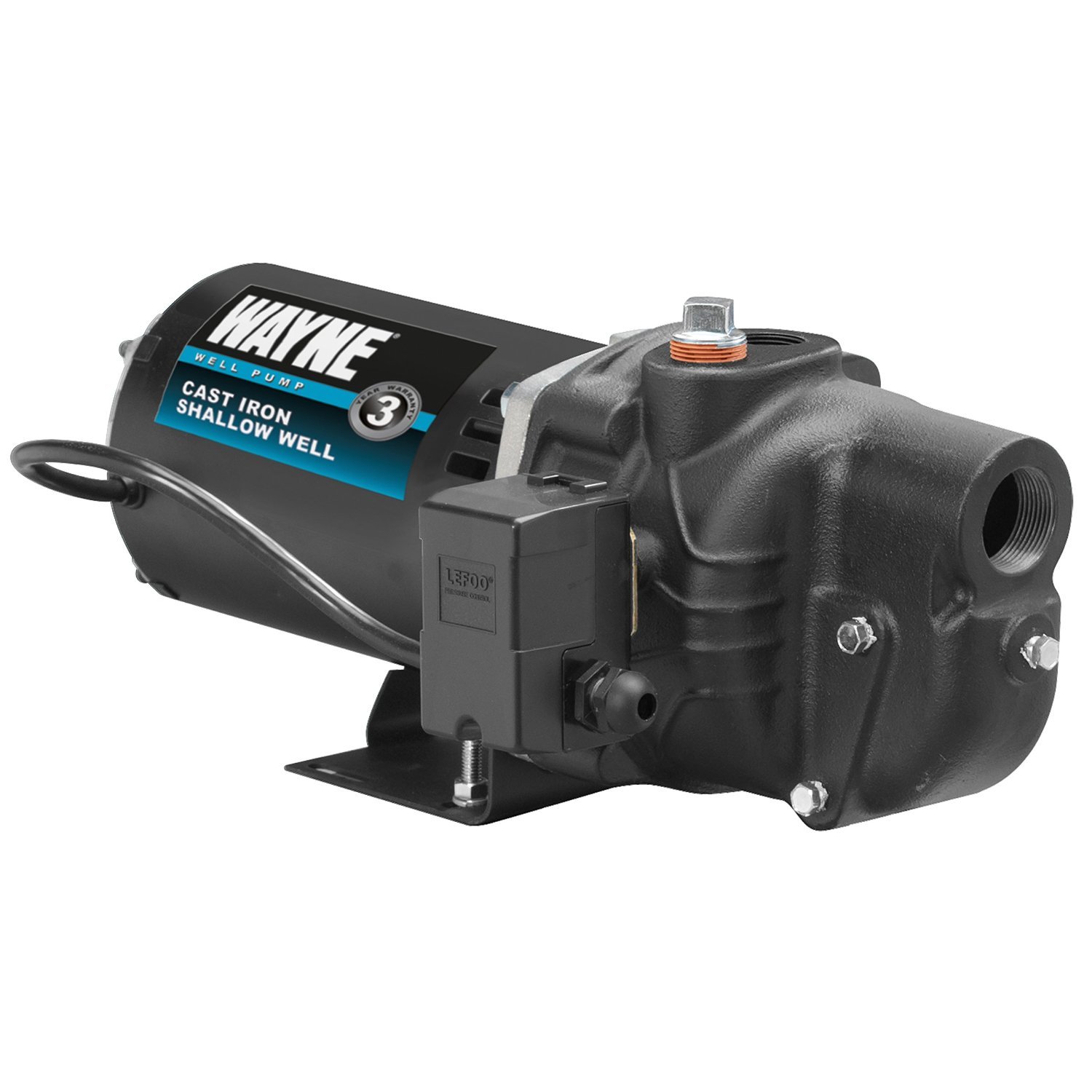
The best shallow water well pumps are jet pumps for water levels within about 25 feet, with cast iron housings and an attached pressure tank. The Wayne SWS50 and Red Lion RL-SWJ50 package are popular choices.
Best Submersible Water Well Pumps
The best submersible water well pumps sit inside the well casing, push water up efficiently from deep water levels and run quietly. Choose 4 inch stainless steel models sized to your depth and flow, and consider 230V for long wire runs.
Tips to Get the Most From Your Water Well Pump
- Read the manual before installing: wiring, priming and pressure settings vary by model.
- Check pressure tank air charge yearly: set it about 2 PSI below the pump's cut in pressure to prevent short cycling.
- Protect jet pumps from freezing: insulate the pump house or drain the pump in cold weather.
- Watch for warning signs: sputtering taps, low pressure or a pump that runs constantly signal problems.
- Check water quality: have well water analyzed by a certified lab periodically, as health departments recommend.
- Register the product: registering helps with warranty claims later.
Water Well Pumps: Your Questions Answered
How do I maintain a water well pump?
Maintain a well pump by checking the pressure tank and watching for warning signs. Check tank air pressure yearly, inspect visible wiring and fittings for leaks and listen for frequent cycling. Have a well contractor inspect the system every few years.
What features matter most when buying water well pumps?
Pump type, horsepower, flow at your depth and voltage matter most. Match submersible or jet to your water level, check the pump curve for GPM at your total head and confirm the voltage and wiring match your system.
Are expensive water well pumps worth it?
Premium pumps are worth it for primary home wells. Brands with wide dealer networks, better motors and longer warranties reduce downtime. Budget pumps can make sense for secondary or irrigation wells where an outage is less critical.
How long does a water well pump last?
Most well pumps last about 8 to 15 years. Submersibles often last longer than jet pumps. Short cycling from a failing pressure tank, sand and power surges shorten pump life.
How much should I spend on a water well pump?
Expect about $120 to $750 for the pump itself. Budget submersibles start near $120, mid range brands cost $300 to $750 and premium constant pressure systems cost more. Professional installation can add significantly, especially for deep submersibles.
Our Verdict
Know your water level, size flow and horsepower to your household and choose a brand you can service locally. The Red Lion RL12G05 suits typical deep wells, the VEVOR 1 HP suits budget and secondary wells and the Red Lion jet pump package suits shallow wells. With those points in mind, choosing among the best water well pumps becomes simpler. Compare current models in the product table above.