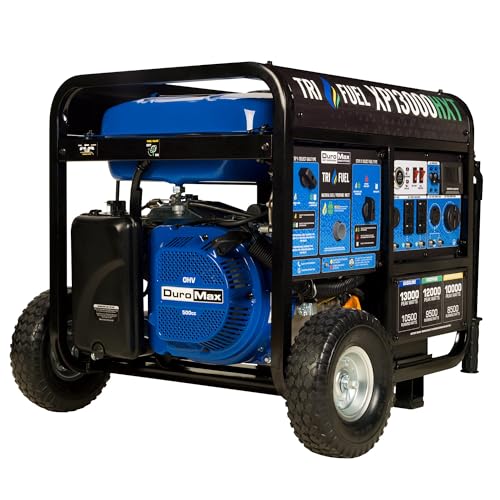
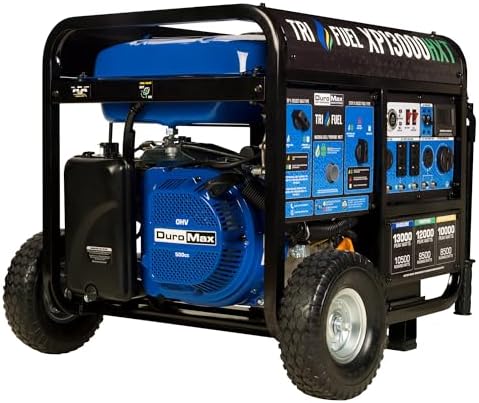
Pulsar
Pulsar 9500W Tri Fuel Gasoline Propane Natural Gas Portable Inverter Generator w/Remote Start & CO Sentry for Home Use GS95TiSCO
Disclosure: We may earn a commission when you buy through links on this page, at no extra cost to you. As an Amazon Associate I earn from qualifying purchases. Learn more
Highlights
- Gasoline: 9,500 peak watts, 7,600 running watts
Why You'll Love It
- Choose a generator designed for gasoline, propane, or natural gas to suit your preferred fuel option
- Gasoline output reaches 9,500 peak watts for buyers prioritizing higher starting power
- Provides 7,600 running watts on gasoline for evaluating ongoing power needs
- Remote start offers an alternative to starting the generator directly at its controls
- CO Sentry is included as a named feature for buyers comparing generator safety features
Pros
- +Three fuel options
- +9,500 peak gasoline watts
- +7,600 running gasoline watts
- +Remote start
- +CO Sentry feature
Cons
- -Gasoline output figures do not describe propane or natural gas output
- -Fuel choice adds a decision to the buying process
Detailed Review
The Pulsar GS95TiSCO tri fuel inverter generator is aimed at buyers who want a portable power source with three fuel options and substantial stated gasoline output. Its defining appeal is flexibility: it is designed to run on gasoline, propane, or natural gas, giving shoppers a choice rather than committing to a single fuel type. The right fit depends on which fuel you intend to use, how much power your equipment needs, and whether the listed starting and running features suit your routine.
For gasoline use, the generator is rated for 9,500 peak watts and 7,600 running watts. These figures serve different planning purposes. Peak output describes the higher power figure to consider when evaluating startup demands, while running output is the more relevant figure for the ongoing load you expect to operate. Before choosing it, make a list of the equipment you want to power and compare its requirements with the generator's stated output. Do not treat the peak figure as the amount available continuously.
The three fuel choices are another important part of the decision. Gasoline, propane, and natural gas may appeal to buyers with different fuel preferences, but the product's gasoline wattage figures should not automatically be applied to its other fuel options. If you plan to rely on propane or natural gas, confirm the corresponding output and connection requirements before purchasing. That extra comparison helps ensure that the flexibility advertised is relevant to your actual power needs.
Remote start adds a convenience feature for buyers who prefer an alternative to starting the unit at its controls. CO Sentry is also identified as part of the product, which may matter to shoppers comparing the features included with different generators. These features are useful points to weigh alongside fuel choice and output, rather than reasons to overlook the power requirements of the equipment you intend to run. Confirm the exact operation and included components on the product listing before making your decision.
The main trade-off is that this is a product to choose around a specific power plan, not simply a headline wattage. You will need to decide which fuel you expect to use and establish whether the relevant output meets your needs. Verdict: Consider this tri fuel inverter generator if you want gasoline, propane, and natural gas options, remote start, and clearly stated gasoline output. If your decision depends on the generator's output on propane or natural gas, or on particular included accessories and connections, confirm those details first or consider an alternative whose specifications match your requirements more directly.
Who Should Buy It
A great fit if you:
- Want the flexibility to choose between gasoline, propane, and natural gas rather than plan around only one fuel option.
- Need a generator whose gasoline output is listed as 9,500 peak watts and 7,600 running watts.
- Prefer having remote start as an option when operating your portable power equipment.
- Are comparing generators with additional named features and want CO Sentry included in your decision.
Consider something else if you:
- Need a generator selected specifically for verified propane or natural gas output, and cannot confirm those figures before buying.
- Prefer a simpler single fuel option and do not expect to benefit from choosing among three fuel types.
Before You Buy
Confirm on the listing:
- Check the output figures for your intended fuel, especially if you plan to use propane or natural gas instead of gasoline.
- Confirm which fuel connections, starting components, and other accessories are included with the generator.
- Review the generator's dimensions and overall fit for the place where you plan to store and use it.
- Check the instructions and requirements for remote start and CO Sentry so you understand how each feature operates.
How to compare your options: Start with the power your equipment requires, distinguishing ongoing running needs from higher startup demands. For gasoline, this model lists 9,500 peak watts and 7,600 running watts, giving you two figures to compare with your planned load. Next, weigh the value of three fuel choices, remote start, and CO Sentry against the features you actually need. If you intend to use another fuel, compare its confirmed output rather than assuming the gasoline figures apply.
Getting the Most From It
Begin with a clear plan for what you want to power. List the equipment you expect to run and compare its requirements with the generator's gasoline peak and running wattage figures, keeping the distinction between the two in mind.
Choose your intended fuel before relying on the generator for a particular job. If you plan to use propane or natural gas, review the product instructions and confirm the applicable output and connection requirements rather than relying on the gasoline ratings.
Familiarize yourself with the remote start feature and the generator's controls before you need to operate it. If a manual is supplied, use its directions to understand the starting process and the operation of the listed features, including CO Sentry.
Keep the product information available for future reference and follow the manufacturer's guidance for care and storage. If your planned use changes, revisit your equipment list and fuel choice to make sure the generator remains appropriate for the job.
FAQ
What fuels can the Pulsar GS95TiSCO use?
It is designed for gasoline, propane, and natural gas. Confirm the requirements and output for your chosen fuel before purchasing.
How much power does it provide on gasoline?
The stated gasoline output is 9,500 peak watts and 7,600 running watts. Compare both figures with your equipment's power requirements rather than treating peak output as continuous capacity.
Does this generator have remote start?
Yes, remote start is listed as a feature. Check the product details for the included components and operating instructions.
What is CO Sentry?
CO Sentry is a named feature included in the product description. The listing details should be checked for an explanation of its operation and any instructions associated with it.
What comes in the box, and will it work with my equipment?
The available product details do not identify the full package contents or confirm compatibility with specific equipment. Check the included accessories, connection requirements, and your equipment's power needs before ordering.
Product Details
| Brand | Pulsar |
| ASIN | B00F5JM5U4 |
Similar Products

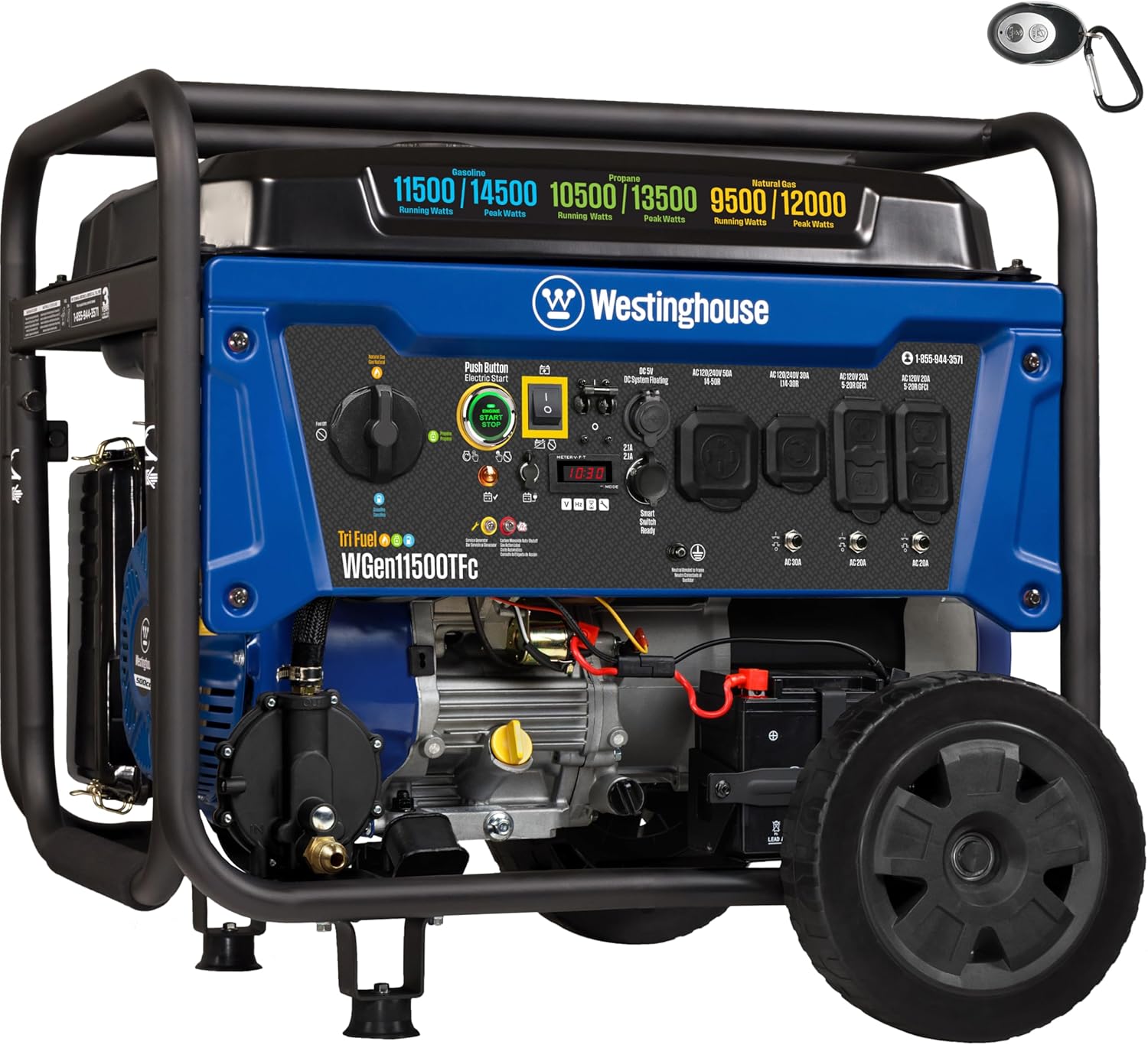
Westinghouse 14500 Peak Watt Tri-Fuel Home Backup Portable Generator, Remote Electric Start,
★ 9.6/10