
Best Portable Natural Gas Generators: Which One Fits the Way You Use It?
Disclosure: We may earn a commission when you buy through links on this page, at no extra cost to you. As an Amazon Associate I earn from qualifying purchases. Learn more
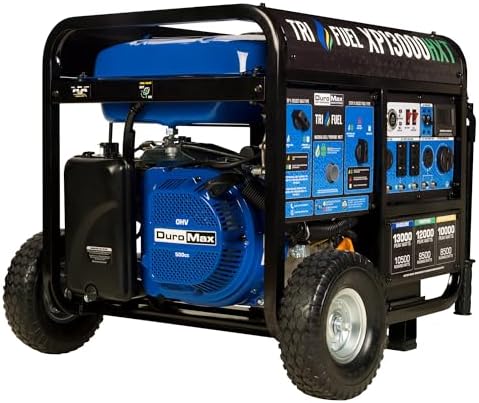
Tri fuel portable generators that run on natural gas, matched to different users, with hookup and safety tips.
A portable generator that runs on natural gas solves the biggest headache of outage season: fuel. Instead of hauling gas cans or swapping propane tanks, it can draw from your home's gas line for as long as the outage lasts. The best portable natural gas generators are usually tri fuel models that also run on gasoline and propane, so you keep options if the gas line is not available or you need power away from home.
This guide matches generator types to different users, explains the features that matter most and lists the mistakes to avoid, including a few safety points that are specific to natural gas.


Who Should Buy Which Portable Natural Gas Generators?
For Frequent or Serious Users
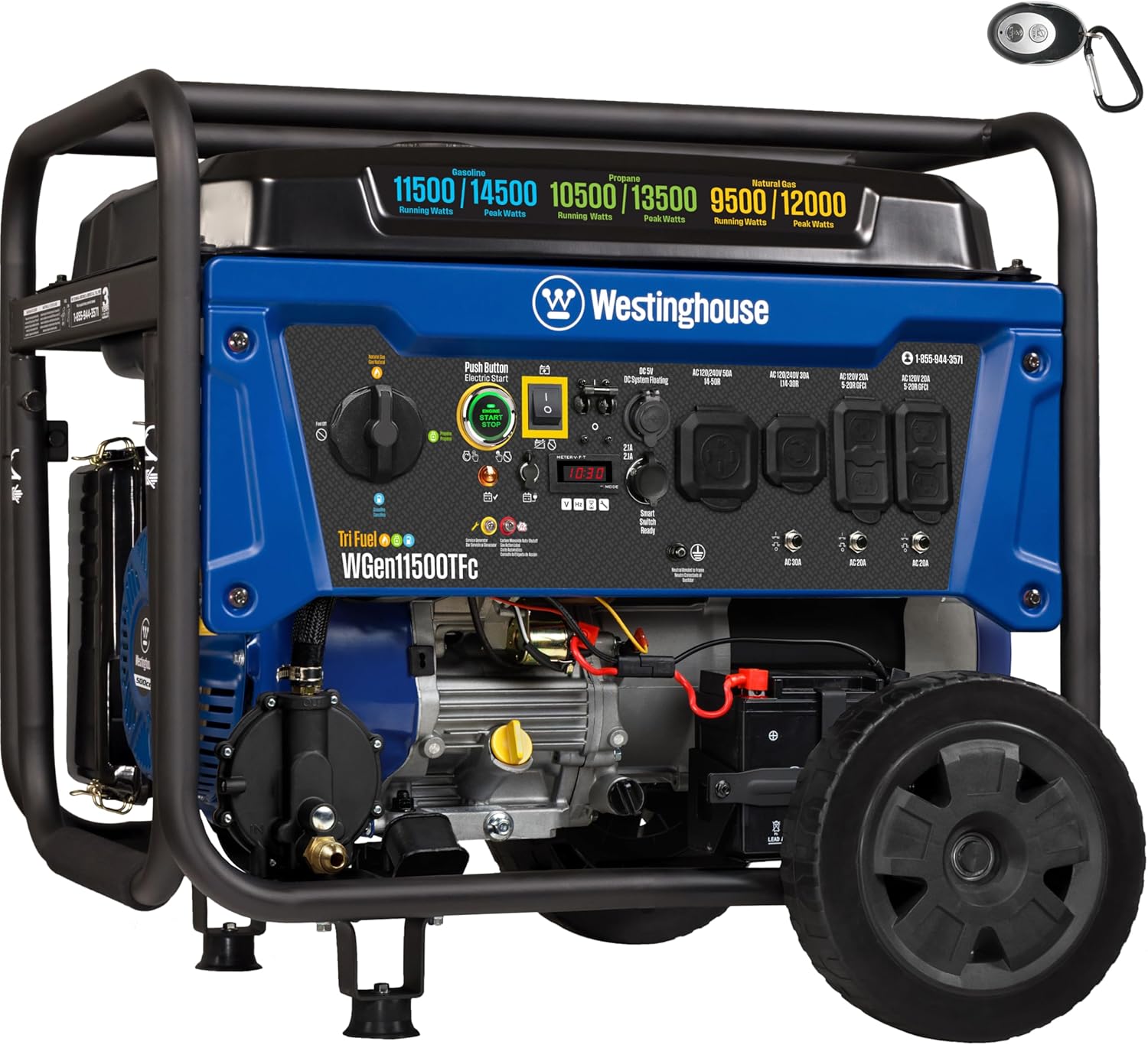
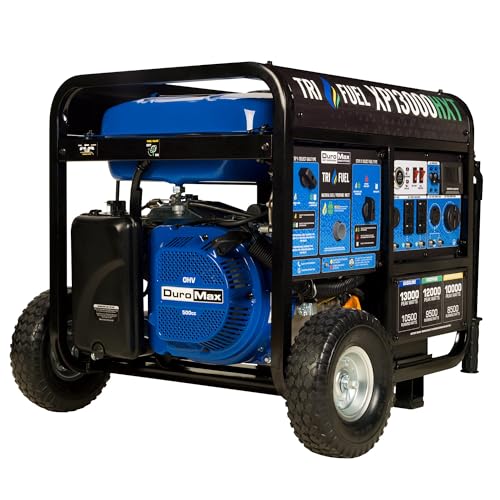
If outages are common where you live, choose a large tri fuel generator with 50A output, electric or remote start and a transfer switch ready panel. Models like the Westinghouse 14500 Peak Watt Tri-Fuel and the DuroMax XP13000HXT are built for whole home backup. Westinghouse also lists compatibility with its WATS200 automatic transfer switch for standby style convenience.
For Weekend Beginners
If you want backup power without a big learning curve, look for push button start, a simple fuel selector dial and clear outlets. The Generac 12,500 Starting Watt Tri-Fuel model lists a dial to switch fuels, electric start with an included battery and everything needed to start in the box, including oil and an LP hose with regulator.
For Bad Weather and Tough Conditions
Storms bring long outages and hard starting conditions. Electric and remote start help in cold or wet weather, and CO sensors are essential. All tri fuel picks in this guide list carbon monoxide shutdown. Use a generator cover rated for running operation, and never move the unit indoors or into a garage.
For Small Spaces and Easy Storage
If space is tight, a tri fuel inverter like the Westinghouse iGen8200TFc is smaller and quieter than open frame models, with a 3.9 gallon tank and under 3 percent THD. It still offers a 50A outlet for home backup, though with less total power than the largest units.
Key Features to Compare
Measuring for Size and Portability
Large tri fuel generators are heavy. Generac lists its 12,500 watt model at 219 pounds with never flat wheels and a folding handle. Measure the path from storage to the operating spot, and check that the location is outdoors, at least 20 feet from doors, windows and vents, and close to where the gas connection will be.
Generator Type (Portable, Inverter, Standby, Solar Power Station)
Open frame portables offer the most watts per dollar. Inverter tri fuel models run quieter, use less fuel at light loads and produce clean power. Standby generators are permanently installed and start automatically, but cost far more. Solar power stations are silent but cannot run a whole home for long.
Fuel Type (Gasoline, Propane, Dual Fuel, Natural Gas, Solar)
Natural gas offers effectively unlimited runtime when connected to a utility line, and Generac notes "virtually unlimited runtime" on natural gas. Generators typically produce less power on natural gas than on gasoline, so size up if you plan to run mostly on NG. Gasoline gives full output; propane stores well. Tri fuel gives you all three.
Transfer Switch and Home Connection
To power home circuits, a licensed electrician should install a transfer switch or interlock kit with an inlet box. Westinghouse, DuroMax, Generac and GENMAX list 50A transfer switch ready outlets. The natural gas connection itself should be installed by a licensed gas fitter or plumber, usually with a dedicated quick connect and shutoff valve.
Clean Power (THD) for Electronics
Low total harmonic distortion protects computers and TVs. Westinghouse lists under 5 percent THD on its 14500 model and under 3 percent on the iGen8200TFc inverter. Generac lists automatic voltage regulation for stable output. For sensitive electronics, an inverter model is the safest choice.
Top Portable Natural Gas Generator Options
- Westinghouse 14500 Peak Watt Tri-Fuel: 11,500 running watts on gasoline, 550cc engine, up to 19 hours at 25 percent load on a 9.5 gallon tank, remote start, 3 year warranty. Around $1,500.
- DuroMax XP13000HXT: 13,000 watts, 500cc engine, front panel fuel selector, push button and remote start, CO Alert. Around $1,500.
- Generac 12,500 Starting Watt Tri-Fuel: 9,500 running watts on gas, COsense, GFCI outlets plus 30A and 50A, 49 state compliant. Around $1,170.
- Westinghouse iGen8200TFc: tri fuel inverter, 6,600 running watts on gasoline, under 3 percent THD, up to 17 hours at 25 percent load. Around $1,400.
- GENMAX GM10500iETC: tri fuel inverter with 8,500 running watts on gasoline, remote start and ATS control. Around $2,300.
Prices change often, so treat these figures as approximate.
Common Mistakes to Avoid When Buying Portable Natural Gas Generators
- Assuming full output on natural gas: output on NG is usually lower than on gasoline, so check the NG rating or size up.
- Doing the gas hookup yourself: gas connections should be installed by a licensed professional and checked for leaks.
- Skipping the transfer switch: backfeeding through a wall outlet is dangerous and often illegal.
- Running too close to the house: keep it at least 20 feet away with exhaust pointed away from openings.
- Ignoring weight: 200 plus pound generators need a clear, level path and wheels.
How to Make Your Portable Natural Gas Generator Last Longer
- Change oil on schedule: Generac lists the first oil change at 20 hours, then every 100 hours.
- Exercise it monthly: run it for 15 to 20 minutes under light load to keep parts lubricated and the battery charged.
- Stabilize stored gasoline: or run the carburetor dry if you mostly use NG or propane.
- Track hours: use the hour meter, if included, for maintenance intervals.
- Store it dry and covered: moisture causes corrosion on outlets and wiring.
Frequently Asked Questions
Can a generator run a refrigerator?
Yes. A typical refrigerator needs about 700 to 800 running watts plus a higher startup surge, well within the range of every generator in this guide, even on natural gas.
Do I need a transfer switch?
To power home circuits, yes. A licensed electrician should install a transfer switch or interlock kit. To run a few appliances with extension cords, you can plug into the generator's outlets directly.
How long can a portable natural gas generator run continuously?
On natural gas, fuel is not the limit, but the engine still needs oil checks and rest periods. Follow the maker's guidance on continuous operation and check oil every 8 to 24 hours of running during long outages.
Inverter or conventional: which is better?
Inverters are quieter, more fuel efficient at light loads and produce cleaner power. Conventional open frame models offer more watts per dollar for whole home backup.
What size generator do I need to power a house?
For essentials such as a fridge, sump pump, lights and furnace fan, plan on about 5,000 to 7,500 running watts. To add central air or an electric range, look at 9,500 to 13,000 running watts, keeping in mind natural gas output is lower than gasoline output.
Choosing the Best Portable Natural Gas Generators for Your Home
Start by listing what you need to run during an outage, then add up running watts and allow for startup surges. Check the natural gas output rating, not only the gasoline rating, since that is what you will see during a long outage. Budget for a transfer switch and a professional gas hookup, which often cost as much as the generator itself.
Plan the setup before the next storm. Choose a permanent outdoor spot on a level pad, away from windows and doors, and have the gas fitter run the line to a quick connect right there. Store the generator nearby, ideally in a shed, so you only need to roll it a short distance, connect the gas hose, plug in the power cord to the inlet box and start it.
Finally, practice once in good weather. Start the generator on natural gas, switch a few circuits through the transfer switch and make sure everyone in the home knows the steps. A short trial run in daylight is far easier than learning the process during a nighttime outage.
The Bottom Line
Tri fuel models give you natural gas runtime with gasoline and propane as backups. For the best portable natural gas generators, consider the Westinghouse 14500 for whole home power, the Generac 12,500 for value, or the Westinghouse iGen8200TFc for quieter inverter power. For more options, see our guides to inverter generators for home backup and standby generators.


