
Best Bosch Orbital Sanders of 2026: Which Model Should You Buy?
Disclosure: We may earn a commission when you buy through links on this page, at no extra cost to you. As an Amazon Associate I earn from qualifying purchases. Learn more

Bosch sanders range from palm sheet models to dual mode 6 inch machines and cordless options. Compare pad formats, dust systems and speed control.
Bosch offers one of the widest sander ranges in the business: palm sheet sanders, everyday 5 inch random orbit models, heavy dual mode machines and cordless versions on two battery platforms. Finding the best bosch orbital sander is mostly a matter of pad format and workload, because each class is aimed at a different kind of sanding. The product table sorts the lineup by job.
This guide explains the classes in buying terms: which one finishes furniture, which one strips and levels aggressively, and which one fits detail work. It also covers the dust systems and paper formats that decide your running costs long after the purchase price is forgotten.




Who Should Buy Which Bosch Orbital Sander?
Furniture Builders Who Want One Main Sander
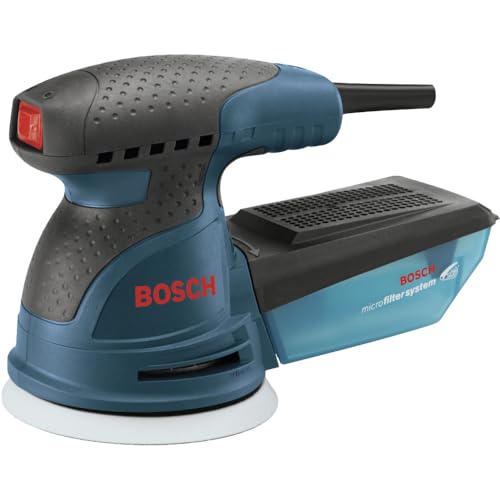
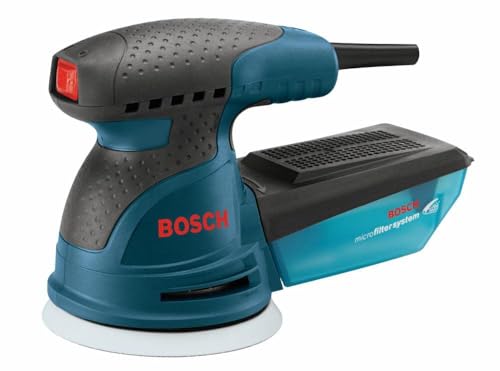
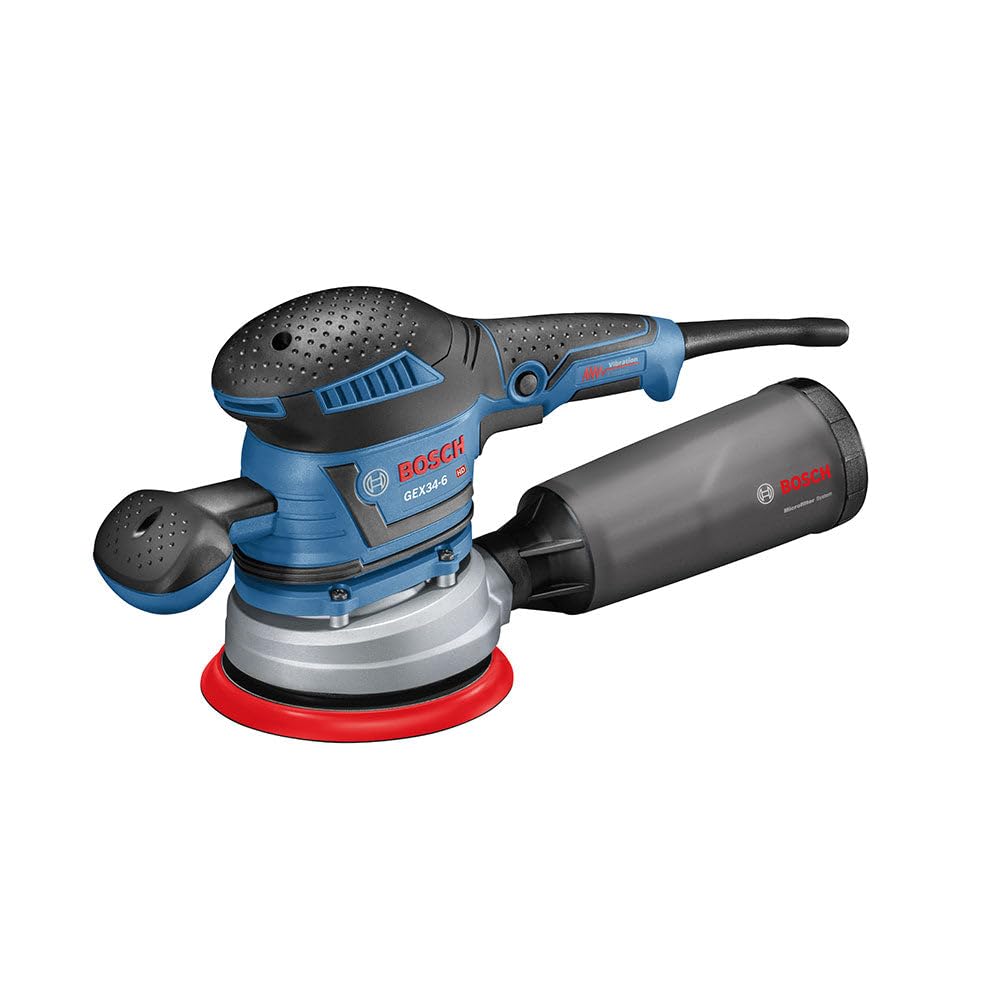
If one sander must handle most of your shop work, the variable speed 5 inch random orbit class is the Bosch to buy. It balances removal rate and finish quality, runs standard discs, and connects cleanly to a vacuum. It covers grit work from shaping through final finish on typical furniture projects without needing a second tool beside it.
Restorers and Floor or Deck Refinishing Users
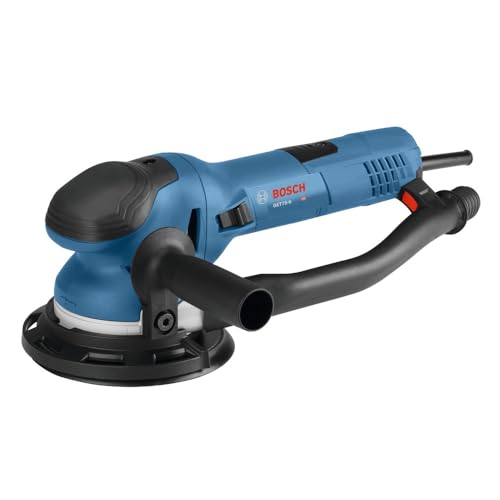
If you strip finishes, level rough boards or prep large outdoor surfaces, look at the 6 inch dual mode class. Its aggressive mode drives a geared action that removes stock far faster than a standard orbit, then a normal mode calms it down for finishing. This class costs more, often about $200 to $300, and earns it only when removal speed is your bottleneck.
Detail Workers and Painters
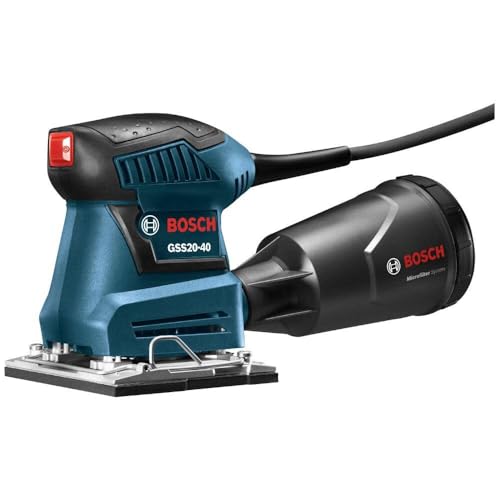
If your sanding lives in corners, on trim or between coats, the palm sheet and multi sander classes fit best. Quarter sheet models use cheap paper and reach square edges, while the triangular detail pad reaches into corners no round pad can serve. These are light, precise tools, and they pair well with a random orbit sander rather than replacing it.
Key Features to Compare
Pad Format and Sanding Action
Bosch random orbit classes use 5 or 6 inch round pads, with the 6 inch dual mode adding a geared turbo action for heavy removal. Sheet classes clamp paper for flat and corner work. Random orbit motion randomizes scratches for clean finishes, while sheet action can mark soft wood if you press. Start your decision with format, because it locks in your paper system and your project range.
Variable Speed and Power Delivery
Most Bosch random orbit classes include a speed dial, which protects veneer and painted surfaces and helps on plastics that melt under fast pads. Dampened, balanced drives on the mid and upper classes keep the pad smooth at low speeds instead of chattering. Single speed palm classes are simpler and cheaper for prep work. If finishing is your focus, treat the dial as a requirement, not an extra.
Dust Collection: Canister Versus Vacuum
Bosch mid range sanders use a rigid microfilter canister that catches fine dust better than cloth bags, and the port also accepts vacuum hoses on many classes. Fine dust control matters most on MDF, painted wood and indoor work. Check whether your target class includes the vacuum adapter in the box, since it is sometimes a separate purchase. Our guide to the best orbital sander systems compares dust setups across brands.
Corded and Cordless Platforms
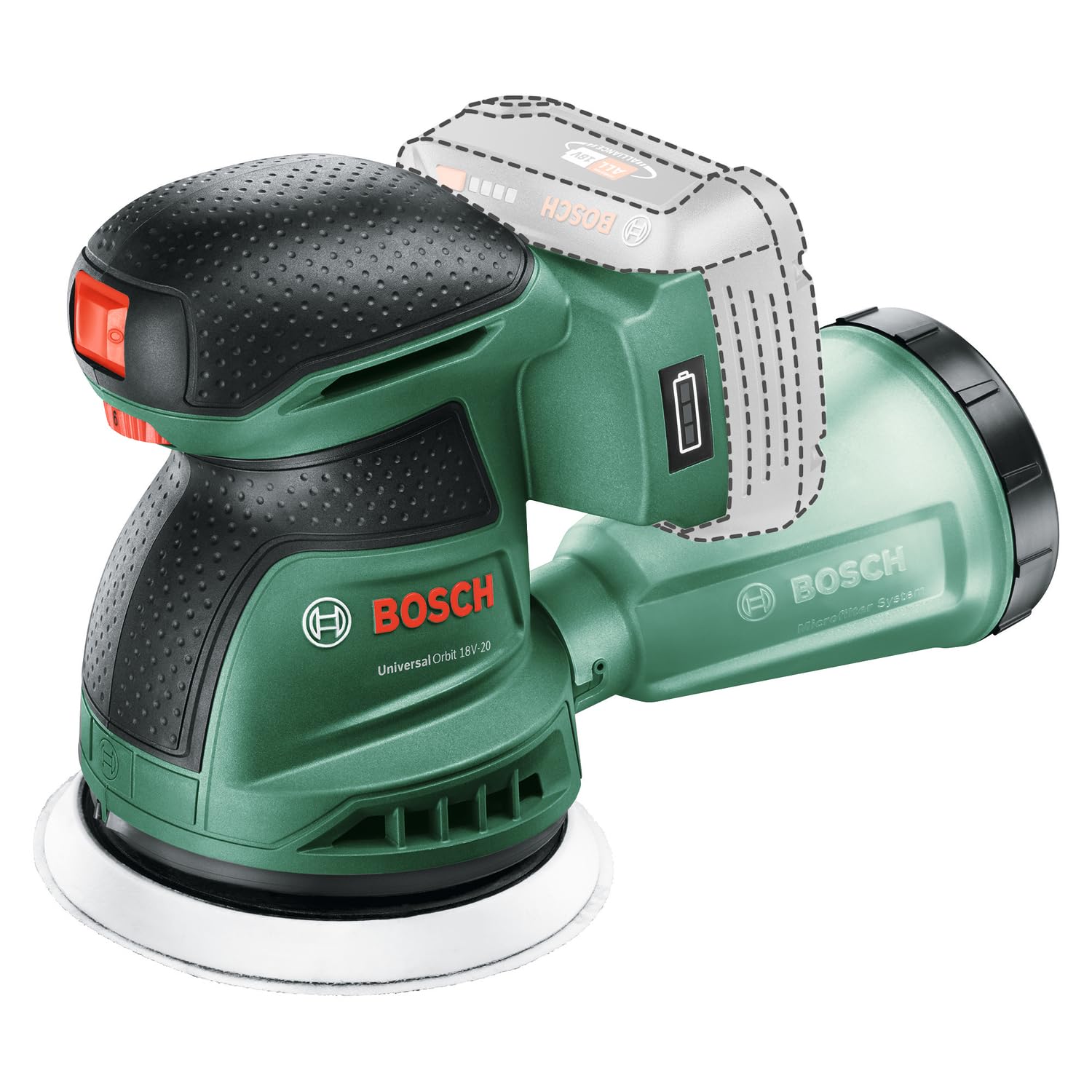
Corded Bosch sanders run indefinitely at full speed and anchor the value end of the range. Cordless classes exist on the compact 12V line for light detail work and the 18V line for full size sanding, both aimed at owners of those battery systems. Sanding drains batteries quickly, so cordless makes sense for short, mobile tasks. The best cordless orbital sander guide shows realistic runtime expectations.
Vibration Control and Grip Design
Bosch puts real effort into damping: balanced pad drives, rubber grips and, on upper classes, vibration reduction in the housing. The payoff is longer comfortable sessions and finishes that do not suffer when your hand tires. Weight climbs with the bigger classes, so match tool mass to your session length. A lighter sander used calmly will out finish a stronger one you are fighting.
The Bosch Orbital Sander Lineup Explained
The range forms a ladder. Palm and sheet classes handle prep and detail at the lowest prices, roughly about $40 to $90. The 5 inch random orbit classes form the core for furniture and general work. The 6 inch dual mode class tops the range for removal heavy jobs, and the cordless classes mirror the core formats for platform owners. Most buyers belong on the middle rung.
Woodworking focused shoppers can compare these classes against other brands in our guide to the best orbital sander for woodworking, while anyone who sands for hours at a bench should read the best corded orbital sander roundup on why corded tools still anchor most shops. Bosch pads and paper follow standard sizes, so switching into the brand rarely strands your existing disc stock.
Common Mistakes to Avoid
- Buying the dual mode 6 inch class for delicate furniture, where its weight and aggression make fine work harder, not easier.
- Running the microfilter canister until it is packed solid, which kills suction and lets dust reach the motor.
- Using 5 inch discs on a 6 inch pad or the reverse, which leaves an unsupported ring that tears and ruins finishes.
- Choosing a cordless class for all day sanding, then losing hours to battery rotation that a cord would have avoided.
- Gripping the sander by the top and pressing, which defeats the damping design and prints swirl patterns into soft wood.
How to Make Your Bosch Orbital Sander Last Longer
Knock out and rinse the microfilter element as the maker directs, and never run the sander with the canister removed indoors, because unfiltered dust heads straight for the bearings. Blow out the vents after dusty work, especially MDF and filler sanding. Store the tool pad up and keep the pad face clean so discs seat fully across their whole surface.
Let the orbit work at the speed you set instead of forcing progress with body weight, which overheats the drive and wears the pad brake. Replace pads when discs start lifting at the edges, and keep a pad saver fitted on fine finish work. On cordless classes, rest hot packs before charging and rotate pairs so one battery is not cycled to death ahead of the others.
FAQ
Which Bosch orbital sander should you buy?
Most buyers should choose the variable speed 5 inch random orbit class. It finishes furniture cleanly, handles prep work, and uses the cheapest standard discs. Pick the 6 inch dual mode class only if heavy removal is a regular part of your work, and pick a palm or detail class as a companion for corners. Cordless classes make sense when you already own the matching Bosch batteries.
Is Bosch a good orbital sander brand?
Yes, Bosch sanders are well regarded for smooth running drives, effective dust canisters and broad format choice. The brand covers everything from budget palm sanders to professional dual mode machines, and pads, filters and parts are easy to order. Prices run from budget friendly to mid premium depending on class. Few brands match the range depth, which makes it easy to stay in one system as your needs grow.
How long does a Bosch orbital sander last?
In home and light trade use, a Bosch sander typically serves for many years, with pads, filters and the pad brake as routine wear items. Heavy dual mode classes are built for daily work and hold up accordingly when dust is managed. The common failure path is dust packed bearings after long neglect. Keeping the filter clean and the vents clear is most of the maintenance story.
What dust collection options do Bosch orbital sanders use?
Most mid range Bosch sanders ship with a rigid microfilter canister that traps fine dust far better than a cloth bag. Many classes also accept a vacuum hose directly or with an adapter, which is the cleanest setup for indoor and MDF work. Detail and palm classes use smaller bags suited to their lighter dust load. Whichever class you pick, empty the collector at half full to keep airflow strong.
How do you clean a Bosch orbital sander?
Unplug the sander or remove its battery, empty the canister, and tap the filter element clean outdoors. Blow dry air through the vents and around the pad, then wipe the pad face so the next disc grips evenly. Do not wash the motor housing or use solvents on the pad. Store the sander dry, pad side up, with the canister emptied so trapped dust cannot cake inside.
Final Thoughts
Let format lead: palm for corners, 5 inch random orbit for the core work, dual mode 6 inch for heavy removal, cordless for platform owners with short tasks. Decided that way, the best bosch orbital sander for your shop is easy to spot in the lineup. Compare the classes in the product table before you order. Prices and availability can change, so check the product page before ordering.


