
Best Brushless Cordless Drills in 2026: Efficiency, Torque and Fit
Disclosure: We may earn a commission when you buy through links on this page, at no extra cost to you. As an Amazon Associate I earn from qualifying purchases. Learn more

A brushless cordless drill runs longer per charge and never needs brush changes. Compare torque, chucks, and battery platforms in this buying guide.
A brushless drill replaces the carbon brushes of a standard motor with electronic switching, so less energy turns into heat and friction. In practice that means more holes and screws per battery charge, a shorter tool body, and no brushes to wear out and replace. The premium over a brushed drill is real, though, and it only pays off if your workload uses the extra runtime. Picking the best brushless cordless drill means weighing that efficiency against torque, size, and the battery platform you are buying into.
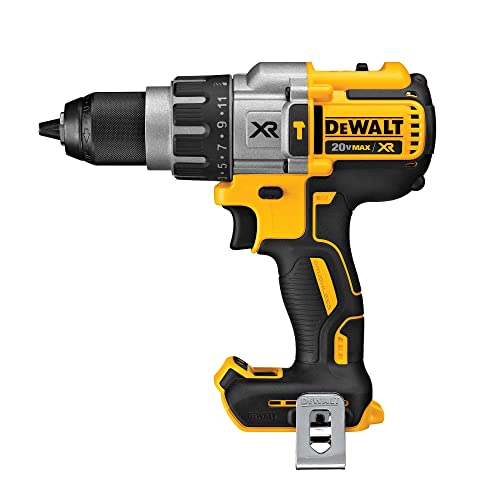
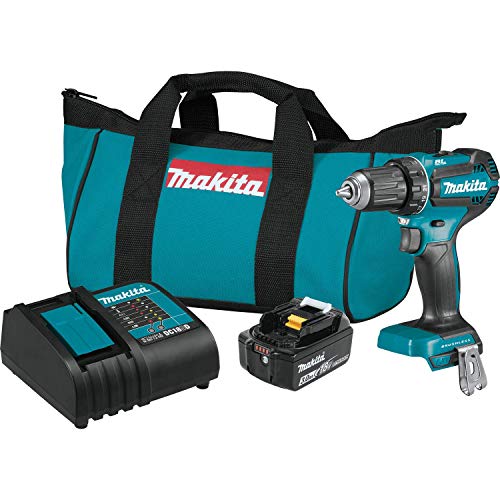
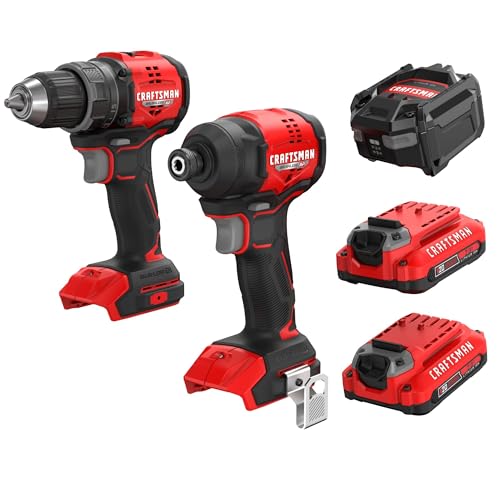
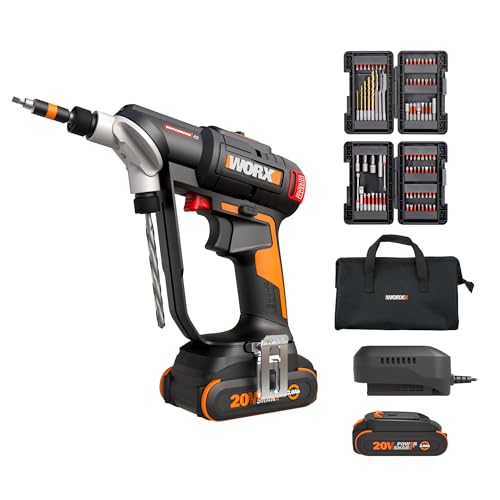
This guide focuses on what the brushless design actually changes in daily use, and where it changes nothing. For the full category picture, including brushed models, see our guide to the best cordless drill. The product table groups the main options so you can see how they stack up.




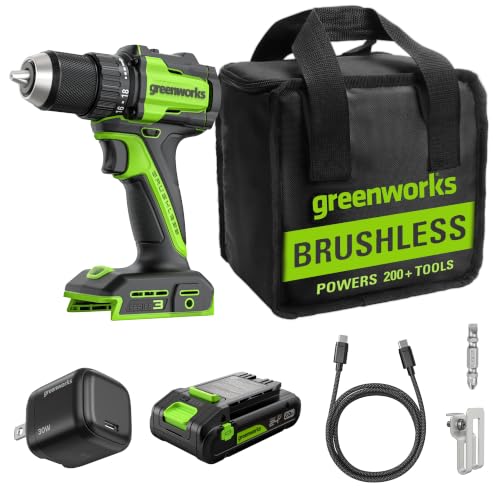
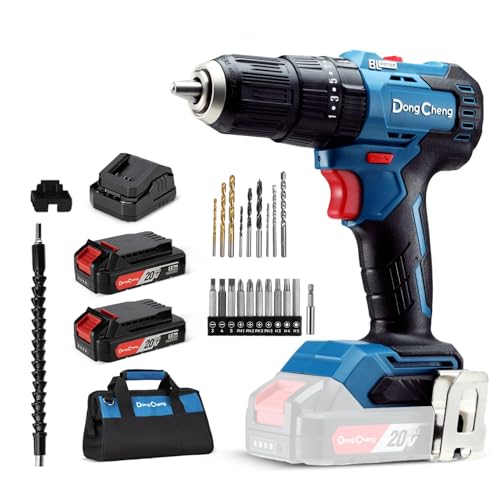
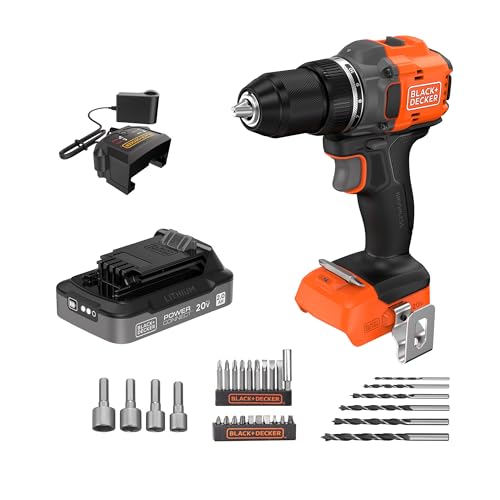
Who Should Buy Which Brushless Cordless Drill?
Your weekly workload decides whether brushless is a smart upgrade or an unnecessary expense.
Busy DIYers Who Drill and Drive Every Weekend
If your drill comes out several times a week for furniture builds, repairs, and shop projects, a mid size brushless model earns its keep through runtime alone. You finish a project day on one battery where a brushed drill would have you swapping and waiting. Buyers in this group usually land where our guide to the best cordless drill for home use points as well: compact body, honest torque, and a platform with room to grow.
Contractors Who Need Runtime Across a Full Shift
On a job site, a battery swap is a small delay that repeats all day. Brushless drills stretch each pack further, and the top tier models add electronic protection that cuts power before the motor cooks itself under abusive loads. If your crews drill steel and drive structural screws daily, the pro class brushless drill is the tool that keeps pace without a drawer full of spare batteries.
Woodworkers Who Value Control at Low Speeds
Drilling clean holes in hardwood and driving brass hardware both reward smooth low speed control. Brushless motors respond cleanly at partial trigger, and many models pair that with an electronic clutch that stops at a set torque with less overshoot. If you work with veneered panels and fine joinery, that control protects expensive material in a way raw torque numbers never describe.
Key Features to Compare
Read past the word brushless on the box; these are the specs that decide how the drill behaves.
What the Brushless Motor Actually Changes
Electronic commutation lets the motor draw only the current the load needs, so light driving sips power and heavy drilling gets full effort. Efficiency gains show up as roughly a third to a half more work per charge in mixed use, plus a motor that runs cooler during long sessions. The shorter motor also trims the head length, which helps inside cabinets. What it does not change: chuck quality, gearing, and your need for the right bit still decide the result of each hole.
Torque, Speed Ranges and the Two Speed Gearbox
Most brushless drills offer two mechanical speed ranges: a low range with high torque for driving and large bits, and a high range up to about 2,000 rpm for fast small holes. Torque figures around 400 to 600 inch pounds cover serious home and light trade work, while pro models climb higher for structural screws. Treat headline torque as a class marker rather than a promise, since brands measure it differently. The low range matters most, because that is where control and pulling power live.
Chuck Size and Build Quality
A 1/2 inch metal ratcheting chuck grips bits firmly and survives site abuse, while smaller 3/8 inch plastic chucks keep compact drills light. Runout, the slight wobble as the chuck spins, is the hidden quality check: a good chuck keeps a long bit tracking true, which matters for dowel holes and neat work. If you can, spin the drill in the store with a long bit fitted and watch the tip. Visible wobble at the tip means precision work will suffer.
Battery Platform and Kit Contents
The drill is one purchase; the platform is a commitment. Kits bundle the drill with one or two batteries and a charger, and the amp hour rating of those packs shapes your runtime more than the motor does on light work. Compare total kit value rather than drill price alone, and glance at what else the platform offers for your future projects. If price is the main constraint, our guide to the best budget cordless drill shows where brushed kits still make sense.
Size, Weight and Electronic Aids
Brushless drills are shorter than their brushed counterparts, often by an inch or more of head length, which decides whether you can drill squarely inside a cabinet box. Weight with the battery fitted is the number your arm cares about on overhead work. Useful electronics include kickback control that stops rotation if a big bit binds, work lights that stay on briefly after the trigger releases, and battery gauges on the pack. None of these replace good bits, but together they make long sessions less tiring.
Reading Drill Specs Without the Marketing Fog
Torque numbers are the muddiest part of drill shopping, because there is no single test every brand follows. Some brands now publish a power rating in unit watts out, which at least compares models inside that one brand honestly. Speed under load drops well below the free spin figure on the box, so a drill that feels strong with a spade bit in pine is telling you more than its spec sheet. The practical approach: match the class to your hardest regular task, and let runtime, size, and platform break the tie between drills in that class. If you also drill into block or brick regularly, that is a different function entirely, covered by our guide to the best hammer cordless drill.
Common Mistakes to Avoid
- Paying the brushless premium for a drill that comes out twice a year, so the extra runtime never gets used.
- Judging power by battery voltage alone, so you overlook gearing and torque class that do the real work.
- Ignoring chuck runout, so precise holes wander even though the motor is strong.
- Buying a bare tool without owning batteries on that platform, so the bargain drill sits unusable.
- Driving screws with the clutch off, so fasteners snap or tear through the workpiece.
How to Make Your Brushless Cordless Drill Last Longer
There are no brushes to change, so care shifts to the gearbox, chuck, and batteries. Blow dust out of the cooling vents after dirty work, because the electronics inside dislike heat. Wipe the chuck jaws clean and open and close them a few times to spread the factory grease. Store lithium packs partly charged in a cool place rather than full or empty, and avoid leaving them in a hot truck. If the drill ever smells hot or the protection cuts in repeatedly, let it cool instead of forcing the task.
FAQ
Is a brushless cordless drill worth the extra money?
It is worth it when you drill or drive often enough that battery swaps interrupt your work, because runtime is the main thing you are buying. Frequent users also keep the tool longer, since the motor has no brushes to wear into a repair bill. Occasional users who hang a few pictures a year will not feel the difference, and their money goes further on bits and a second battery instead.
How long does a brushless cordless drill last?
The motor itself can outlast the rest of the tool; switches, chucks, and batteries usually age first. With home use, expect many years of service, and plan on replacing battery packs at some point as their capacity fades. One sign the tool is tiring: the electronic protection starts cutting in on jobs it once handled easily, which often points to a weak battery rather than a dying motor.
Can a brushless cordless drill handle masonry?
A standard drill driver cannot, no matter how efficient the motor is, because masonry needs hammering action along with rotation. Brushless models with a hammer setting handle occasional small holes in brick and block for anchors. Regular concrete work calls for a rotary hammer instead, which is a different tool built around a piston rather than a drill gearbox.
Why does a brushless drill stop suddenly under heavy load?
That is the electronic protection doing its job. The controller watches current and temperature, and it cuts power before the windings overheat or the battery is abused. Ease off, let the tool cool for a minute, and drop to the low speed range for the heavy task. If it keeps happening on light work, try a freshly charged pack, since a tired battery triggers the cutoff early.
Do brushless drills need any motor maintenance?
Almost none at the motor itself, which is a genuine ownership perk. Your routine is external: clean vents, a drop of light oil on the chuck mechanism if the maker allows it, and sensible battery storage. Bearings can wear after years of heavy use, and at that point a repair shop visit makes more sense than home disassembly, since the electronics and motor are serviced as a unit.
Final Thoughts
Brushless technology buys you runtime, a shorter body, and a motor that asks little of you over the years. Match the torque class to your hardest regular job, choose the platform you want to live on, and check the chuck before the spec sheet. With those calls made, the best brushless cordless drill for your bench is easy to spot, and the product table lets you compare the leading options side by side.


