
Best Brushless Impact Driver Guide for 2026: Power Without the Bulk
Disclosure: We may earn a commission when you buy through links on this page, at no extra cost to you. As an Amazon Associate I earn from qualifying purchases. Learn more

Choose the best brushless impact driver for your projects: compare torque, speed modes, size and battery platform so every screw seats cleanly and fast.
A drill twists against your wrist when a long screw bites, and a brushed driver wastes battery doing it. Choosing the best brushless impact driver means matching torque, speed control, and tool size to the fasteners you run every week, because brushless motors deliver more work per charge and finer control at the trigger. The product table compares the main options, and this guide explains the numbers that actually predict how a driver behaves on wood, steel, and hardware.
Brushless motors replace carbon brushes with electronic control, so the tool adjusts power to the load instead of running at one blunt level. In practice you get longer runtime, less heat, and a motor that should outlast the brushed version by years. The premium is real, though, and it only pays off when the rest of the tool, chuck, modes, and ergonomics, is chosen well.
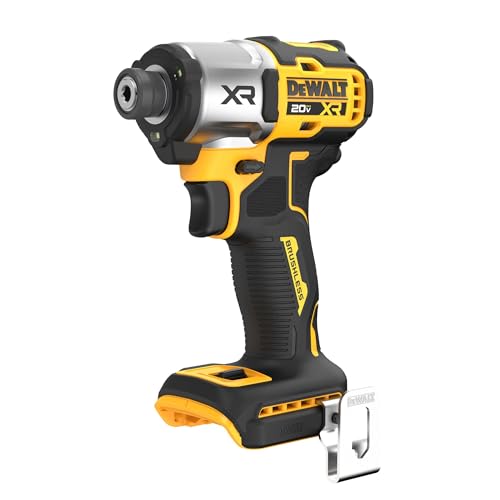

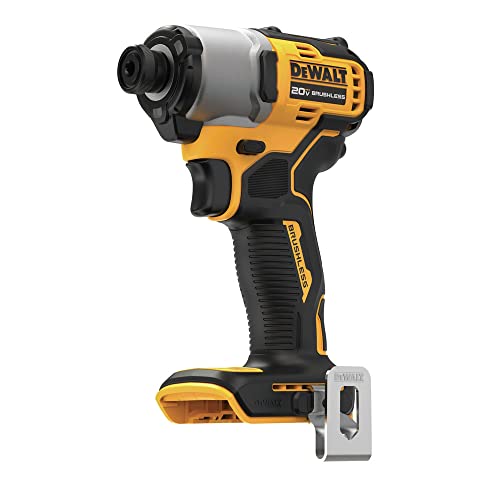
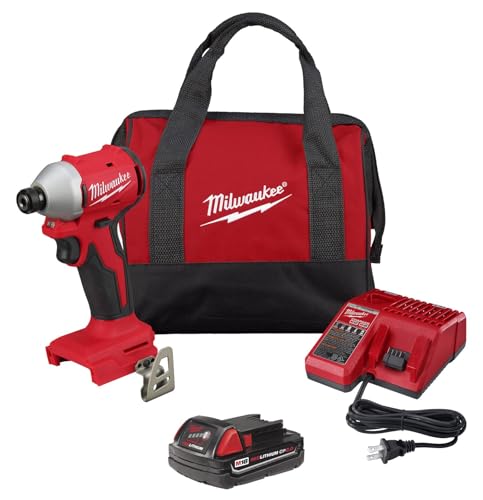

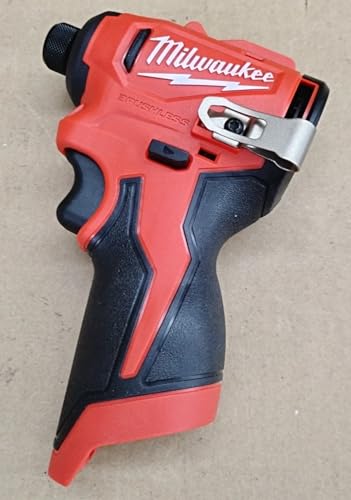
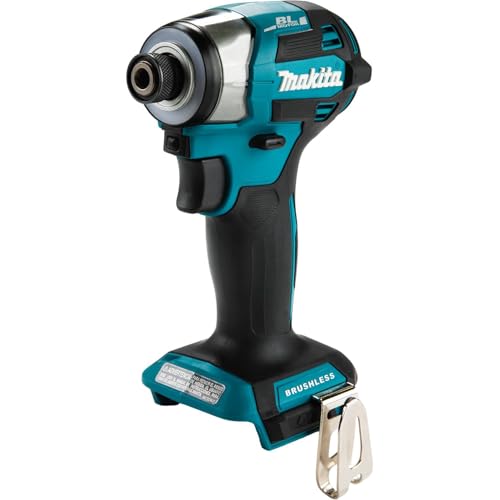

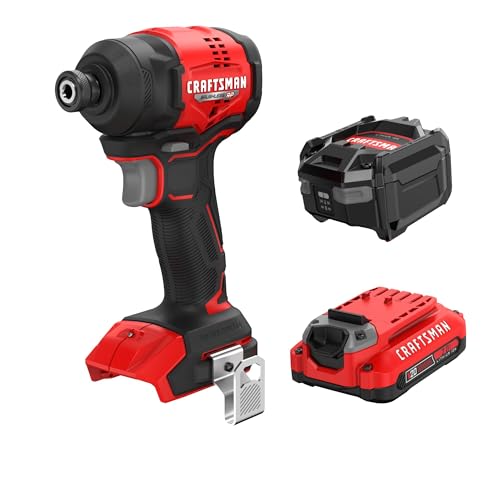

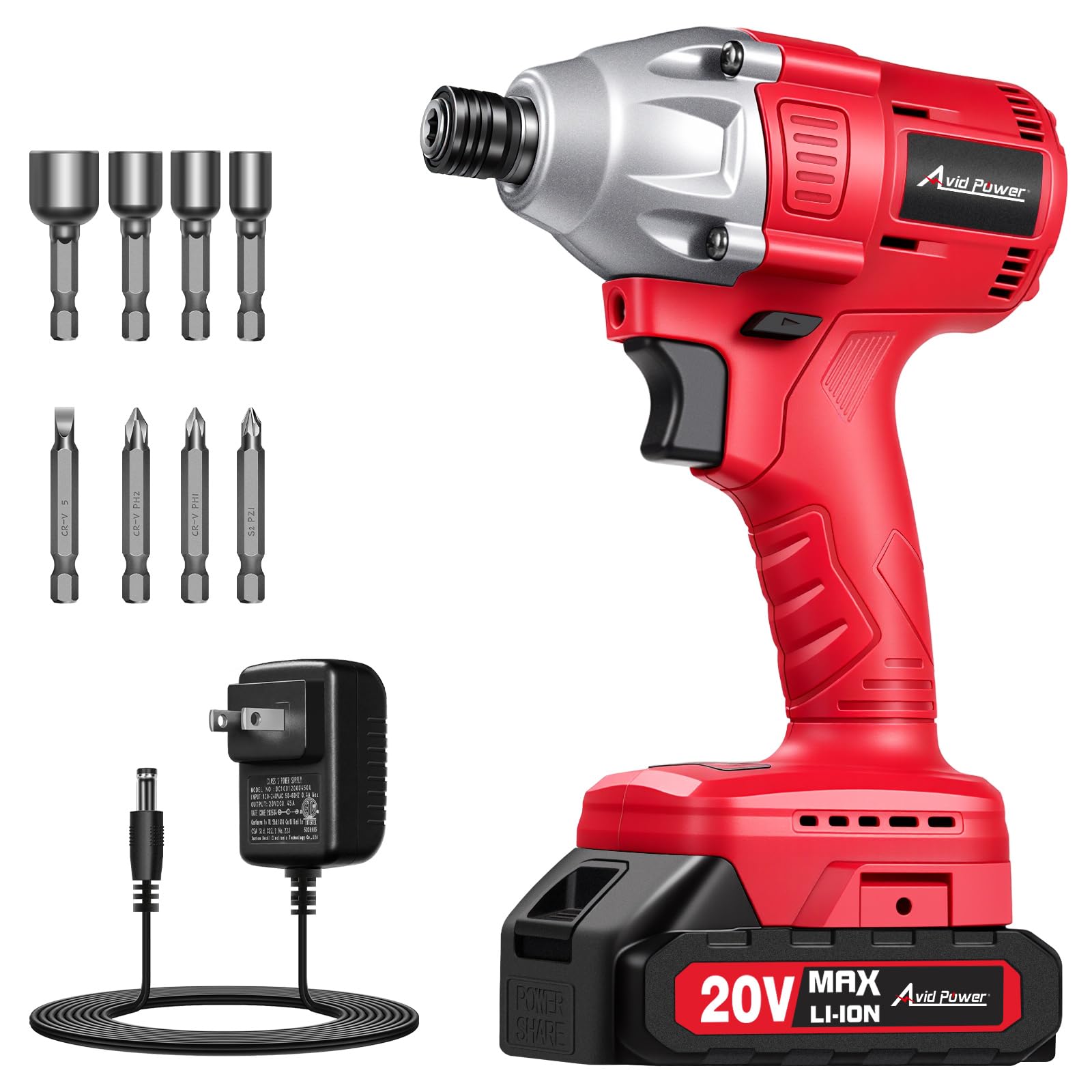
Who Should Buy Which Brushless Impact Driver?
Impact drivers split into compact, standard, and high torque classes, and each serves a different work pattern. Buy for your typical fastener, not your rarest one.
Homeowners and Furniture Builders
Your screws are deck hardware, flat pack furniture, hinges, and the occasional lag bolt in a stud. A compact or standard brushless driver with about 1,500 inch pounds of torque handles all of it, and the shorter head reaches inside cabinets where a drill body cannot. A low speed precision mode protects small screws in softwood from snapping. If most of your projects are around the house, the lighter picks in our guide to the best impact driver for home use show how far a modest tool goes.
Deck, Fence, and Remodel Crews
Driving hundreds of structural screws a day is where brushless efficiency turns into money. A full size driver with torque near 2,000 inch pounds, a metal chuck housing, and large capacity batteries keeps pace without heat fade between boards. You also need a mode that starts slow for screw placement and then ramps, because a driver that jumps to full impacts splits board ends. Runtime per charge should be your first comparison number, ahead of headline torque.
Mechanics and Metal Workers
You reach for a driver to spin fasteners in engine bays, equipment panels, and steel framing, where space is tight and bolts can be stubborn. A compact high output model with a short head and strong mid range torque is your tool, and self tapping screw modes help on sheet metal. Know the limit, though: lug nuts and rusted suspension bolts belong to an impact wrench, and our guide to the best impact driver for automotive work explains where the driver stops and the wrench starts.
Key Features to Compare
Torque Rating and What It Really Means
Torque on an impact driver is quoted in inch pounds, and full size brushless models land roughly between 1,500 and 2,300 inch pounds. That number is a peak figure measured under lab conditions, so treat it as a class marker rather than a promise. What you feel in use is how early the impact mechanism engages: a driver with well tuned control drives a 3 inch screw smoothly, while a blunt one hammers from the first thread and chews the screw head. If you run lag bolts or structural screws often, choose the upper class; for assembly work, mid range torque with better modes beats raw force.
Speed Settings and Precision Modes
Multiple speed settings are the feature that separates a modern brushless driver from an older single speed tool. Low settings in the range of 0 to 900 rpm let you start screws in finished surfaces without skating across them. High settings around 3,000 rpm and impact rates above 3,800 blows per minute drive long fasteners quickly. The modes worth paying for are the smart ones: a self tapping mode that stops at the right seat on sheet metal, and a bolt mode that slows as the nut breaks free so hardware does not fly off. Count the modes and check the trigger feathering, because trigger feel is your daily speed control.
Chuck, Collet, and Bit Changes
Every impact driver uses a 1/4 inch hex quick release collet, but the details differ. An insert and lock collet that accepts a bit with one push, and ejects it with a sleeve pull, keeps one hand free for the work. Some collets require two hands or let bits wobble, which shows up as cam out on small screws. Check that the collet grips the bit without play and that the nose is slim enough to see the screw head. For a wider look at the category, our main guide to the best impact driver models compares chuck styles across classes.
Head Length and Working Weight
Head length decides where the tool fits. Compact brushless drivers shrink to around 4.5 inches from chuck to back, which slides between studs and inside cabinet boxes. Full size models run closer to 5.5 inches and carry more motor and hammer mass. Weight follows the same split: a compact with a small battery hangs happily on a belt at about 2 pounds, while a high torque kit can pass 3.5 pounds. If your work is overhead or inside furniture, the short tool wins even with less torque on paper.
Battery Platform and Pack Size
Your driver is one member of a battery family, so platform choice locks in your future tools. A 12 volt brushless line gives the lightest compacts for assembly and cabinet work, while 18 and 20 volt max platforms carry the high torque models and the biggest packs. Battery capacity matters as much as voltage for driver work: a slim 2 amp hour pack keeps the tool light for short tasks, and a 5 amp hour pack runs a deck build without swaps. Buy into the platform whose other tools you actually plan to own.
Brushless Versus Brushed: Is the Upgrade Real?
The brushless advantage shows up in three places you can feel. Runtime stretches because the motor wastes less energy as heat and friction, so the same battery drives noticeably more screws. Control improves because the electronics meter power to resistance, which is how the smart modes described above exist at all. And maintenance shrinks, since there are no brushes to wear into dust and replace. Brushed drivers still make sense as a spare or a loaner tool, but anyone driving fasteners weekly will feel the difference within one project. Shoppers who want the tightest version of the format can also look at our guide to the best compact impact driver picks, where brushless motors dominate.
Common Mistakes to Avoid
- Using standard drill bits and sockets in the collet, which can snap under impact; choose bits rated for impact use.
- Driving small screws on the highest speed setting, so the screw snaps or strips before you can react.
- Treating the driver like an impact wrench on lug nuts, a job that overloads the collet and leaves wheels under tightened.
- Skipping the clutch thinking of drills and slamming every screw home, splitting board ends and cracking tile backer.
- Buying the highest torque model for cabinet work, then fighting its weight and jumpy trigger in tight boxes.
- Running cheap bits that round over, then blaming the driver for cam out and ruined screw heads.
How to Make Your Brushless Impact Driver Last Longer
Brushless motors remove brush wear from the list, but the hammer mechanism and collet still need basic care. Blow dust out of the vents and collet with dry air after dusty jobs, because packed sawdust insulates the electronics and grit in the collet wears the locking sleeve. Store the tool dry and out of freezing garages when you can, since cold, damp storage is hard on battery packs most of all.
Battery habits decide long term health. Avoid running packs completely flat under load day after day, and store spares at a partial charge rather than full or empty. Keep the anvil area clean and add nothing more than a drop of light oil if the maker suggests it, because over oiling flings grease onto the work. Finally, match bit quality to the tool: hardened impact rated bits protect the collet from the shock that cheap, soft bits transmit.
FAQ
What is the best brushless impact driver for most people?
A standard size 18 or 20 volt brushless driver with torque in the 1,700 to 2,000 inch pound range, three speed settings, and a head under 5 inches suits the widest range of work. It drives deck screws and lags without drama and still behaves on assembly screws in its low mode. Go compact if your work lives inside cabinets, and go high torque only if structural fasteners are your daily bread.
Are brushless impact drivers worth the extra money?
For regular users, yes. You get more screws per charge, finer electronic control modes, cooler running, and a motor with no brushes to service. The price gap over a brushed model has narrowed to the point where the runtime gain alone justifies it on a single deck project. Occasional users who drive a handful of screws a month can save the money, because they will never drain a battery fast enough to feel the efficiency difference.
How long does a brushless impact driver last?
The motor itself should outlast the rest of the tool, often well past five years of steady use, because there are no brushes consuming themselves. The parts that age first are batteries, the collet locking sleeve, and the trigger switch. Expect two to four strong years from lithium packs depending on charge habits. With fresh batteries and a clean collet, a brushless driver is one of the longest lived tools in a kit.
Can a brushless impact driver replace a drill?
For driving screws, it already has in most kits. For drilling, it handles small holes with hex shank bits, but it lacks a clutch and a true chuck, so precision drilling, large hole saws, and delicate work still belong to a drill. The impact action can also crack brittle materials when drilling. Most builders carry both: the drill for holes, the driver for fasteners, and no bit swapping all day.
How do you maintain a brushless impact driver?
Maintenance is mostly cleaning and battery care. Keep the vents and collet free of dust, wipe the housing after wet or dirty jobs, and store the tool dry. Charge batteries before they are fully drained when convenient, and rotate packs so one does not sit unused for a year. There are no brushes to inspect, which removes the classic service item, but a collet that starts dropping bits signals sleeve wear worth fixing early.
Final Thoughts
Choose the class that matches your fasteners, value speed modes and trigger feel as much as torque, and buy into a battery platform you will grow with. Compare head lengths and weights in the product table rather than chasing the biggest number on the box, and the best brushless impact driver for your work will feel fast, calm, and under control on every screw.


