
Best Cordless Drill for Home Use (2026): A Practical Buying Guide
Disclosure: We may earn a commission when you buy through links on this page, at no extra cost to you. As an Amazon Associate I earn from qualifying purchases. Learn more

Choose the best cordless drill for home use with clear advice on voltage, torque, batteries, size and price, plus care tips for occasional jobs.
A home drill lives a different life from a jobsite drill. It assembles furniture, hangs curtain rods and shelves, then sits in a drawer for two months until the next small job appears. That pattern changes what matters: the best cordless drill for home use is light, compact, ready after weeks of storage, and strong enough for wood, drywall, and the odd anchor, without pro level weight or cost.
This guide sorts the specs by household reality rather than headline numbers. It covers voltage classes, clutch settings, battery shelf behavior, and the jobs a home drill actually faces, and the comparison table below groups the main classes side by side.
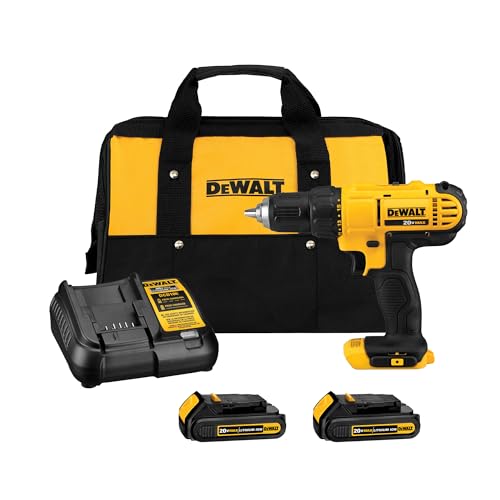


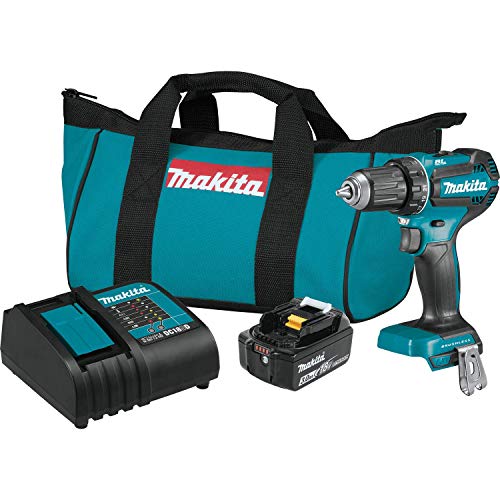


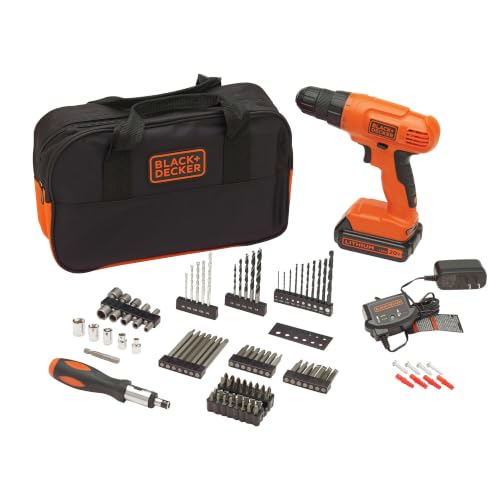
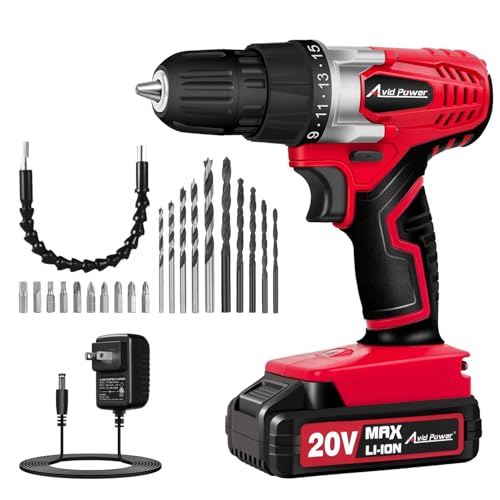
Who Should Buy Which Cordless Drill for Home Use?
Apartment renters with limited storage and light jobs
Your jobs are flat pack furniture, picture hooks, and the occasional curtain bracket, and the drill shares a drawer with other tools. A compact 12 volt drill driver is light enough for overhead work and small enough to store anywhere. Its modest power is no handicap on furniture and drywall, and the lower kit price leaves budget for a good bit set.
New homeowners facing a steady list of first repairs
You will drill into studs, drive long screws into deck boards, and mount hardware all over the house in the first year. An 18 or 20 volt drill driver with two batteries covers that range without strain. The full best cordless drill guide compares the wider field if you expect heavier projects later.
Occasional users whose drill sits for months between jobs
Your worst surprise is a dead battery on the one day you need the drill. Lithium batteries hold charge well in storage, but capacity and charger behavior still differ between kits. Choose a kit with a battery gauge on the pack, store the battery partly charged, and prefer a platform whose batteries also fit a second tool you might buy, so the packs get exercised more often.
Key Features to Compare
Voltage class: 12 volt or 18 to 20 volt
Voltage sets the size and strength class of the drill. Twelve volt models are compact and light, drive screws and drill small holes happily, and suit furniture, blinds, and light mounting. The 18 and 20 volt class, which are the same class under different labels, adds the torque for lag screws, larger holes, and mixing small batches. Most homeowners who work on the house itself, not just in it, belong in the bigger class. Renters and light users save money and wrist strain by staying with 12 volt tools.
Torque, speed ranges and the clutch
Two speed gearboxes let you pick low speed with high torque for driving screws, or high speed with lower torque for drilling holes. The adjustable clutch is the home user best friend: set it correctly and the drill stops before the screw snaps or sinks through drywall and soft pine. Look for a drill with a dedicated drilling mode that bypasses the clutch for hole work. Raw torque numbers are hard to compare across brands, so treat them as a rough guide and weigh the speed range and clutch steps more heavily.
Chuck size and bit changes
Most home drills use a 3/8 inch keyless chuck, which covers the bits and hole saws household jobs need. A 1/2 inch chuck accepts larger accessories and usually signals a stronger drill. Keyless chucks change bits by hand in seconds, and a chuck that grips tightly matters more than size, because a slipping bit chews up screw heads and drill shanks alike. Ratcheting chucks that click as they tighten hold noticeably better. If you plan to use wire wheels or mixing paddles, check that the chuck and the low gear can handle the side loads.
Battery capacity, gauges and shelf readiness
Battery size is measured in amp hours, and a 2.0 amp hour pack suits most home kits, balancing runtime with light weight. A compact pack keeps the drill nimble for overhead jobs, while a second battery in the kit means one can charge while you work. A fuel gauge on the battery or drill tells you the charge before you climb the ladder, a small feature that prevents big annoyances. Buyers watching cost should read the best budget cordless drill roundup, which shows where cheaper kits cut corners and where they do not.
Size, weight and balance in tight spaces
Home drilling happens inside cabinets, between studs, and above your head on a step stool, so a short head length and low weight pay off constantly. A drill under 3 pounds with the battery fitted can be used one handed while the other hand holds the workpiece or the screw. Compact models shrink the motor housing to fit inside cupboards, as the best compact cordless drill examples show. An LED work light at the base sounds minor until you drill inside a dark cabinet, where it becomes the feature you use most.
What a Home Drill Actually Has to Do
Run through the real job list before buying. Flat pack furniture needs gentle clutch control more than power. Curtain rods and shelf brackets need accurate holes in drywall and studs, plus the patience to find the stud first. Drilling into brick or concrete for a hose reel or mailbox is the one job that pushes a home drill, and that is where a hammer function helps, as explained in the best hammer cordless drill guide. If masonry work is rare in your home, a standard drill driver plus a rented hammer drill for the one big job is often the smarter spend. Hanging TVs and cabinets needs careful pilot holes and a level, not extra torque, so precision features beat power for most households.
What Home Drill Kits Usually Cost
Light 12 volt kits cost around $60 to $110 with one or two small batteries and a basic charger. Mainstream 18 and 20 volt kits with two batteries run about $110 to $200 and are the sweet spot for new homeowners. Kits above that range add brushless motors, faster chargers, and larger batteries that occasional users rarely need. Whatever the tier, confirm the kit includes a charger and a case or bag, because a drill stored loose in a drawer collects damage and loses its bits.
Common Mistakes to Avoid
- Driving screws with the clutch wide open, which snaps small screws and sinks heads through soft boards.
- Storing the battery fully drained for months, which shortens its life and leaves the drill useless on the day you need it.
- Buying a heavy pro drill for rare light jobs, then avoiding it because it tires your arm overhead.
- Drilling masonry with a standard drill and a dull bit, then blaming the drill when the hole barely deepens.
- Using the drill at high speed for large screws, which overheats the motor and strips the screw head.
- Skipping pilot holes in hardwood trim, which splits the wood right at the edge.
How to Make Your Cordless Drill Last Longer
Store batteries partly charged, roughly half, in a cool dry drawer rather than a hot garage shelf, and top them up every few months if the drill sits unused. Keep the chuck jaws clean by opening and closing them under power briefly, which flings out dust that causes bits to wobble. Wipe the housing vents so sawdust does not pack into the motor cooling slots. Run the drill for a few seconds after dusty work to clear the vents. Replace worn bits promptly, because dull bits force the motor to work harder on every hole and drain batteries faster than sharp ones.
FAQ
What voltage cordless drill is best for home use?
For furniture, blinds, and light mounting, a 12 volt drill is enough and far easier to handle. For studs, long screws, and regular house projects, choose the 18 or 20 volt class. Think about your biggest recurring job rather than your biggest imagined one, because most home drills spend their lives well below their limits either way.
Does a home user need the hammer function on a cordless drill?
Only if you drill into brick, block, or concrete more than once or twice a year. The hammer function adds weight and cost, and a standard drill handles wood, drywall, and metal without it. For a single masonry project, renting a dedicated rotary hammer for a day outperforms any drill hammer mode and keeps your everyday drill light.
How long does a stored drill battery hold its charge?
A healthy lithium battery loses only a small amount of charge per month in storage, so a pack stored half full is usually ready after a season on the shelf. Heat speeds up self discharge and aging, which is why a cool drawer beats a garage shelf. If a stored battery will not take a charge at all, it likely sat empty too long and needs replacement.
Can a cordless drill for home use drill into brick walls?
A standard drill can make small holes in mortar and soft brick with a masonry bit, patience, and firm pressure, though it is slow work. Holes in hard brick or concrete go much faster with a hammer drill mode. Keep holes small, let the bit do the cutting, and stop if the bit glows or the dust turns from powder to grit, which signals overheating.
Is a drill driver or an impact driver better for home use?
A drill driver is the better single tool, because it drills holes and drives screws with clutch control that protects furniture and drywall. An impact driver drives long screws with less effort but cannot drill clean holes and can snap small fasteners in careless hands. Buy the drill driver first, and add an impact driver later only if deck or fencing projects enter your life.
Final Thoughts
Choose the voltage class by your real job list, insist on a good clutch and a battery gauge, and store the pack half charged so it is ready when you are. The product table above sets the main classes side by side for a quick comparison. Matched to your home that way, the best cordless drill for home use is the one that disappears into the drawer and simply works every time it comes out.


