
Best Circular Saws Under $100 (2026): Picks Built for Real Projects
Disclosure: We may earn a commission when you buy through links on this page, at no extra cost to you. As an Amazon Associate I earn from qualifying purchases. Learn more

Shop the best circular saw under 100 with confidence. Learn how corded and cordless kits differ at this price, and which features are worth paying for.
Crossing from a bargain tool to the best circular saw under 100 is the single biggest quality jump in this category. Around this price the stamped parts give way to cast shoes, the motors gain real reserve power, and cordless options appear for anyone who already owns batteries. Choosing well here can give you a saw that lasts a decade of home projects.
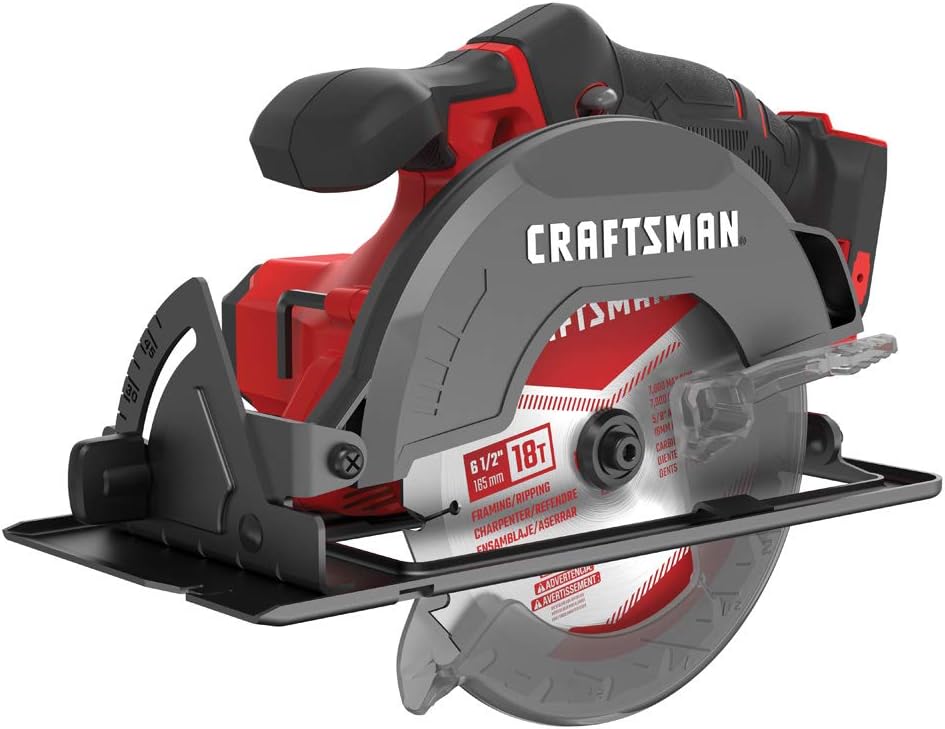
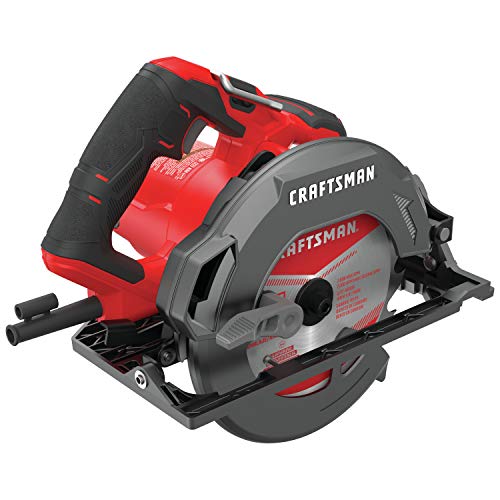
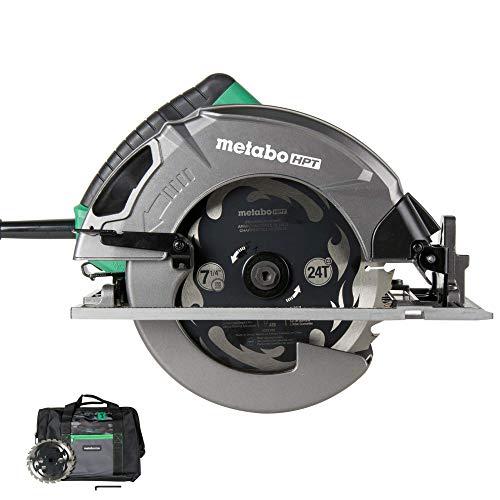
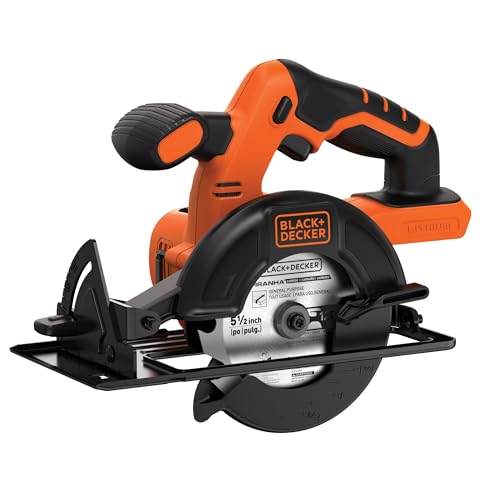
The comparison table below lists the leading candidates at this tier. Read on for how the money changes the tool, where kit pricing can mislead you, and which features deserve your attention first.





Who Should Buy a Circular Saw Under $100?
Renovators who cut every weekend
If you are reframing a bathroom, building a deck, or working through a fixer upper room by room, you need a saw that stays accurate when the work runs long. This tier brings stiffer shoes, stronger bevel locks, and motors that do not fade in pressure treated lumber. Our broader roundup of the best circular saw range shows where these mid priced tools sit against pro models costing twice as much.
Battery platform owners adding a saw
Anyone who already owns 18 volt or 20 volt batteries from drills and drivers can buy a bare cordless saw at this price and skip the battery cost entirely. The saw arrives without a pack or charger, runs on the batteries in your drawer, and frees you from cords on ladders and roofs. Check that your existing packs have enough amp hours, because circular saws drain small packs quickly.
Woodworkers breaking down sheet goods at home
Garage woodworkers often use a circular saw with a straight edge guide to shrink plywood before it meets the table saw. That work rewards a rigid shoe, a dust port that accepts a shop vacuum hose, and a fine stock blade. At this price you can find all three, which turns a rough chore into a clean and repeatable step in your projects.
Key Features to Compare
The extra money over the bargain tier buys specific upgrades. These five factors tell you whether a given model spent its budget wisely.
Corded amps or cordless volts, read correctly
Corded saws here reach 15 amps, the practical ceiling for a household circuit, and that reserve shows up as steady blade speed in wet or dense lumber. Cordless models compete on platform rather than raw numbers, and a brushless 18 volt saw with a high output pack can feel surprisingly close to corded for plywood and framing. Compare within one power type, because a volts figure and an amps figure measure different things and cannot be ranked against each other directly.
Bevel capacity and the quality of the detents
Most saws in this band bevel to 56 or 57 degrees, more than the 45 degrees that trim and roofing work require. The number matters less than the stops. Positive detents at 22.5 and 45 degrees should click in firmly, and the bevel lock should hold its angle through a long cut instead of drifting when the saw vibrates. A large, readable bevel scale sounds minor until you are setting a compound angle on a ladder in poor light.
Shoe material and straight edge compatibility
Cast magnesium and cast aluminum shoes replace stamped steel at this price, and the change is obvious the first time you slide the saw along a guide. The shoe stays flat, resists bending if the saw drops, and glides with less chatter. Check that the shoe edge is straight and parallel to the blade, since many owners clamp a straight edge or track along it. A warped or sloppy shoe defeats even the finest blade.
Electric brake and blade change system
An electric brake stops the blade within about two seconds of releasing the trigger, instead of the long coast down of a budget saw. On repetitive cuts it saves time and adds a real safety margin when you set the saw down between boards. Tool changing also improves here: look for a spindle lock that engages positively and a blade wrench stored on the tool, because a wrench that lives in a drawer tends to stay there.
Kit math and what the box really contains
A cordless kit near $100 usually bundles a small battery and a slow charger, so the headline price buys less runtime than it suggests. Read the pack size in amp hours, note whether a second battery is included, and price the same saw as a bare tool before deciding. Corded shoppers face a simpler version of the same trap: a carrying case and a rip fence add value, while a second coarse blade adds little. The best corded circular saw listings make these bundle differences easy to spot.
Where the Extra Money Goes at $100
Step up features arrive in a predictable order. First comes build quality: cast shoes, better bearings, and guards that move smoothly for years. Next come convenience items such as laser guides and LED work lights. A laser helps a new user follow a line, though a clamped straight edge beats it for accuracy, and compact specialty tools such as the best mini circular saw picks serve tight spaces better than any full size saw can.
What still sits above this tier is sustained pro performance. A best worm drive circular saw candidate with its geared torque and oil bath housing costs well beyond $100, and premium brushless kits with two large batteries do as well. For home and renovation duty, though, this price band covers the work without those extremes, which is why so many tradespeople keep a saw from this tier as a second tool. That balance is exactly why the best circular saw under 100 is so often called the homeowner sweet spot.
Common Mistakes to Avoid
- Buying a cordless bare tool for a battery platform you do not own, because adding a battery and charger can double the real cost overnight.
- Trusting a laser guide over a clamped straight edge, because a bumped laser drifts while a physical guide cannot.
- Ignoring bevel drift, because a lock that creeps mid cut leaves joints that no amount of sanding will close cleanly.
- Assuming the kit battery suits all day cutting, because a compact 2.0 amp hour pack can empty in a handful of long rips.
- Storing the saw on its shoe edge in a crowded bin, because one hard knock can bend even a cast shoe out of parallel.
Care and Maintenance
Keep the shoe clean and wax it lightly with paste wax a few times a year; the saw will glide more smoothly and resist glue and pitch sticking to the base. Vacuum the dust port and lower guard pivot regularly, since packed dust makes the guard sluggish, and a drop of dry lubricant on the pivot restores its snap. For cordless models, store batteries at partial charge in a cool room and keep them off cold concrete in winter. Clean blades with a resin remover when cuts start burning, and inspect the arbor and blade washers for grit before every blade change, because a trapped chip can make a good blade wobble like a bent one.
FAQ
Is a cordless circular saw under $100 worth it?
Yes, provided you already own the battery platform. As a bare tool it delivers freedom from cords for roof work, fence repairs, and quick cuts far from an outlet. Bought as a first tool with batteries included, the same money buys a stronger corded saw, so new buyers usually get more long term value from corded at this price. Runtime, not power, is the usual cordless limit here.
What size circular saw should a homeowner under $100 choose?
A 7 1/4 inch saw is the default for good reason: it cuts two inch lumber at 90 and 45 degrees and uses the widest, cheapest blade selection. A 6 1/2 inch cordless model trades some depth for lighter weight and suits sheet goods and trim. Measure your thickest typical cut first. If everything you cut is under 2 inches thick, the smaller saw will feel friendlier all day.
Does a circular saw under $100 need an electric brake?
Need is too strong a word, but the brake is one of the best upgrades at this tier. It shortens the risky seconds when a spinning blade is exposed after a cut and speeds up repetitive work. If two saws cost the same and one has a brake, take the brake. If the brake costs you a cast shoe to afford, take the shoe, because accuracy affects every cut you make.
How accurate is a circular saw under $100 for cabinet work?
With a fine blade and a clamped straight edge or track, these saws break down plywood accurately enough for cabinets and built ins. The limits are the shoe edge quality and your guide setup, not the motor. Make a test cut on scrap, measure both ends of the offcut, and adjust the guide rather than the saw. Most error comes from setup, and setup costs nothing to fix.
What warranty should you expect on a circular saw under $100?
Three years is typical for the tool at this level, with batteries often covered for two or three years as well. Register the purchase and keep the receipt, because some brands require registration within a set window for full terms. A warranty does not cover blades, cords you cut through yourself, or a shoe bent by a drop, so careful handling still matters more than paperwork.
Final Thoughts
The product table above gathers the strongest current contenders at this price. Decide first between corded certainty and cordless freedom, then rank shoe quality and brake above cosmetic extras. Matched to your work that way, the best circular saw under 100 stops feeling like a compromise and starts feeling like the saw you reach for by default.


