
Best Cordless Drills for 2026: A Practical Buying Guide
Disclosure: We may earn a commission when you buy through links on this page, at no extra cost to you. As an Amazon Associate I earn from qualifying purchases. Learn more

Choose the best cordless drill with this guide to voltage platforms, torque, chuck size, clutch settings, brushless motors, batteries and price tiers.
Flat pack furniture, a fence repair and a set of shelf brackets all ask different things of a drill. The best cordless drill for you is the one whose torque, size and battery platform match the work you actually do, not the one with the biggest number on the box. Buy too small and you stall in hardwood; buy too big and your wrist pays for it on every overhead screw.
This guide covers platforms, chucks, clutches and motors in the order they affect your projects, so you can compare the drills in the comparison table below like a buyer, not a spec sheet collector.
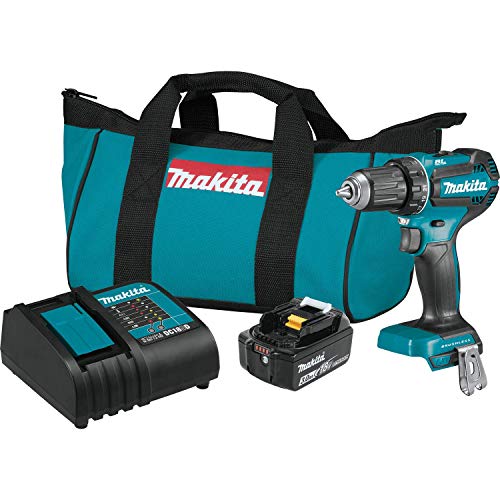
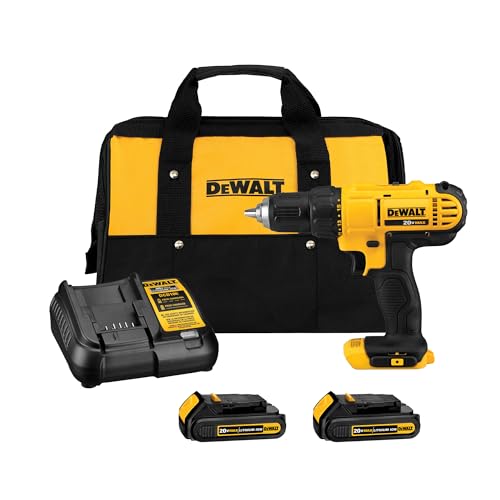
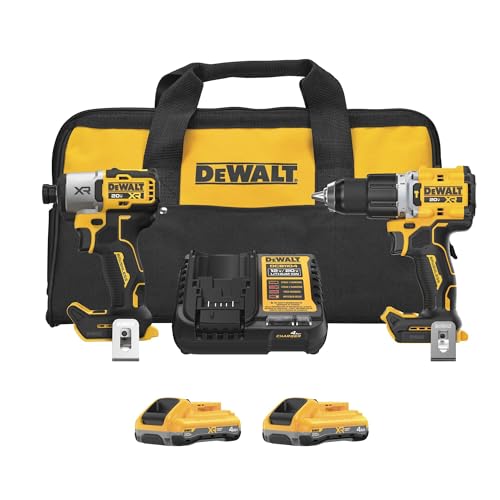


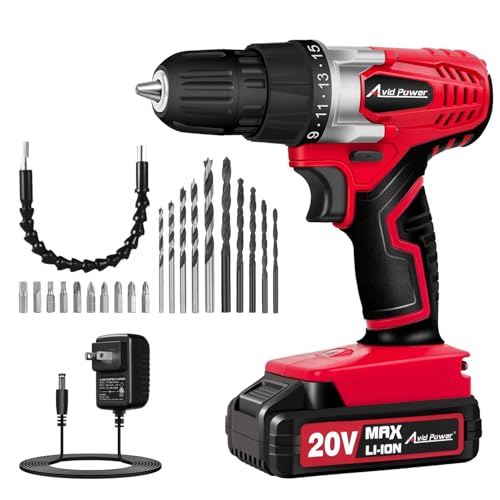
Who Should Buy Which Cordless Drill?
Apartment Dwellers and New Homeowners
Your drilling life is shelf anchors, curtain rods, furniture assembly and the odd picture hook. A light 12 volt or entry 18 volt drill with one battery does all of it, and its small body fits inside cabinets where bigger drills cannot. If that sounds like your list, our guide to the best cordless drill for home use narrows the field to models sized for exactly those jobs. Spend the savings on a good bit set instead of torque you will never use.
DIY Renovators Who Drill Studs and Deck Boards
Weekend renovators need a full size 18 or 20 volt drill with a half inch chuck and the torque to bore holes for wiring and plumbing. A brushless motor and a two battery kit keep you moving through a bathroom or deck project without waiting on a charger. This is the class where a metal chuck and a side handle start to matter, because larger bits grab hard when they break through timber.
Tradespeople and Heavy Daily Users
Daily use justifies the top tier: brushless motor, all metal gear case, high capacity batteries and a rapid charger. Weight still matters, so many pros keep a compact model for cabinet work alongside the big drill. If space is your constraint, our guide to the best compact cordless drill covers the short head lengths that fit between studs and inside carcasses. Platform depth matters most here, since your drill batteries should also run your other tools.
Key Features to Compare
Voltage Platform: 12 Volt vs 18 and 20 Volt
Voltage sets the size class. Twelve volt drills are lighter and cheaper, and they handle assembly and light drilling in wood and drywall anchors with ease. Eighteen and 20 volt max platforms (the same class under two labels) deliver the torque for lag screws, hole saws and masonry with a hammer function. The deciding factor is the platform, not the single tool: batteries are the expensive part, so pick the voltage line whose other tools you want, and check that your household is not already committed to a rival system.
Torque and Power Ratings
Torque tells you how hard the drill can twist before it stalls. Light duty models offer roughly 300 to 400 inch pounds, mid range drills 500 to 700, and heavy duty models 800 and up. Numbers are not measured to one standard across brands, so treat them as a ranking within a brand more than an absolute scale. Practical test: driving a 3 inch screw into a doubled stud without a pilot hole takes mid range torque; long structural screws and big spade bits are what push you into the top class.
Chuck Size and Construction
Most full size drills carry a half inch chuck, which grips everything from hair thin bits to large shank accessories, while compact models use a 3/8 inch chuck that limits bit choice. A metal chuck with a ratcheting sleeve holds bits tighter and survives drops better than a plastic one. Keyless chucks are standard now, so the check is grip: the sleeve should be knurled metal or rubber over metal, because a smooth plastic sleeve slips in your hand when you snug a bit down hard.
Speed Ranges and Clutch Settings
Two speed gearboxes are the norm. Low gear trades speed for torque, right for large bits and driving screws; high gear spins fast for clean holes in wood and metal. The clutch ring, usually 15 to 24 settings plus a drill mode, limits torque so screws stop at a consistent depth instead of snapping or sinking through drywall. Once you learn your settings for common jobs, such as low numbers for flat pack cams and higher for deck screws, assembly gets faster and far less destructive.
Brushless vs Brushed Motors
A brushless motor adjusts power electronically, so it runs cooler, lasts longer and squeezes more work from each battery charge, especially under load. Brushed drills cost less and are fine for light schedules of use. The price gap has narrowed enough that frequent users usually come out ahead with brushless, while occasional users may never notice the difference. Either way, an electronic clutch or kickback control on higher end models adds safety when a big bit binds in timber.
Drill or Hammer Drill: Do You Need the Hammer Function?
A hammer drill adds a pulsing action that helps a masonry bit chew into concrete, brick and block. If you hang hardware on basement walls or drill into a patio, the feature earns its small price and weight penalty, and our guide to the best hammer cordless drill explains the ratings to compare. If your walls are wood and drywall, a standard drill driver is lighter and often shorter. Renting a rotary hammer for a big anchor job beats owning hammer capability you use once a decade.
What the Price Tiers Get You
Entry kits around $50 to $100 include a brushed drill, one small battery and a slow charger, enough for household assembly. Our guide to the best budget cordless drill shows where the corners get cut at that level. Mid range kits about $100 to $200 bring brushless motors, two batteries and a half inch metal chuck. Premium kits above $200 add high capacity packs, rapid charging and heavy duty gear cases. Across all tiers, a second battery in the box is worth more than a slightly higher torque figure.
Common Mistakes to Avoid
- Buying a bare tool without checking battery prices, then paying more for a battery and charger than a kit costs.
- Driving screws in drill mode with no clutch, snapping fasteners and tearing out particle board.
- Using the high speed gear for large spade bits, which overheats the motor and stalls the drill.
- Grabbing a drill with a plastic chuck for daily work, then fighting bits that slip under load.
- Choosing by voltage number alone, when torque, chuck and battery capacity decide real performance.
- Leaving batteries in a freezing garage all winter, which shortens their life faster than use does.
How to Make Your Cordless Drill Last Longer
Blow dust out of the motor vents after dirty jobs and wipe the chuck jaws clean so grit does not score them. Store lithium batteries at a partial charge in a cool dry place rather than full or empty on a charger. Run the drill briefly every few months in storage so the chuck grease stays distributed, and spin a dry bit to check for wobble that signals a bent spindle. Keep bits sharp, because dull bits force the motor and clutch to work far harder than the job requires.
FAQ
How long does a cordless drill last?
The drill itself often lasts 7 to 10 years for a homeowner and 3 to 5 under daily trade use. Batteries give out first, typically after 3 to 5 years or a few hundred charge cycles, and replacements keep the tool useful long after. Brushed motors eventually need brushes, which are cheap if the model still lists them as parts. A drill kept clean, dry and off concrete floors outlives one tossed in a damp truck box.
Is a cordless drill worth it if you already own a corded drill?
For most households, yes. The cordless drill becomes the one you grab because there is no cord to run, and it doubles as your screwdriver for assembly. The corded drill still wins for long sessions of big hole drilling, where cordless batteries fade. Many owners end up keeping both: cordless for 95 percent of jobs, corded as the backup for marathon work and for lending to neighbors.
How do you clean a cordless drill?
Remove the battery first. Brush dust from the housing and vents with a dry brush, then wipe with a cloth that is barely damp. Clean the chuck by opening the jaws fully, picking out grit and adding one drop of light oil, then working the jaws open and closed. Never soak the tool or spray cleaner into the vents, and let it dry completely before the battery goes back on.
What size cordless drill is right for home use?
A compact 12 volt drill covers assembly, anchors and light drilling, and its light weight suits overhead work. Choose an 18 or 20 volt model if your projects reach into studs, decks or masonry. Head length is the sleeper spec: a drill under about 7 inches long works inside cabinets and between joists where a full size body simply will not fit, whatever its torque.
What is the most reliable cordless drill brand?
Reliability tracks the model line more than the badge. Brushless models with metal gear cases and chucks fail less often than entry brushed versions of the same brand. What you can verify before buying: the warranty term, whether brushes and chucks are sold as spare parts, and how long the brand has kept one battery platform unchanged. A stable platform means your batteries stay useful across a decade of tools.
Final Thoughts
Pick the platform first, the size class second and the chuck and clutch details third, and the right drill usually picks itself. Compare the finalists against the product table above, keep the second battery if a kit offers one, and the best cordless drill for your projects will serve for years. Prices and availability can change, so check the product page before ordering.


