
Best Corded Jigsaws in 2026: How to Choose the Right One
Disclosure: We may earn a commission when you buy through links on this page, at no extra cost to you. As an Amazon Associate I earn from qualifying purchases. Learn more

Corded jigsaw guide covering motor amps, speed control, orbital action, grip styles and blade choice for curves in wood, laminate and metal.
A jigsaw is the saw you reach for when the cut curves, and a corded model removes the battery clock from every long session. No packs to swap, no power fade halfway through a countertop cutout, and a lower price for the same muscle. Choosing the best corded jigsaw comes down to motor strength, speed control, orbital settings, and the grip style that suits your hands.
This guide explains those factors in plain terms and shows where corded saws still beat cordless ones outright. The comparison table below gathers the leading options, and the sections that follow help you match a saw to your work, whether that is cabinet curves, laminate flooring, or sheet metal.
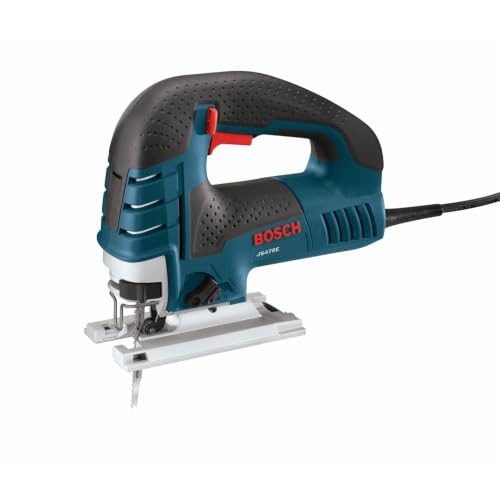

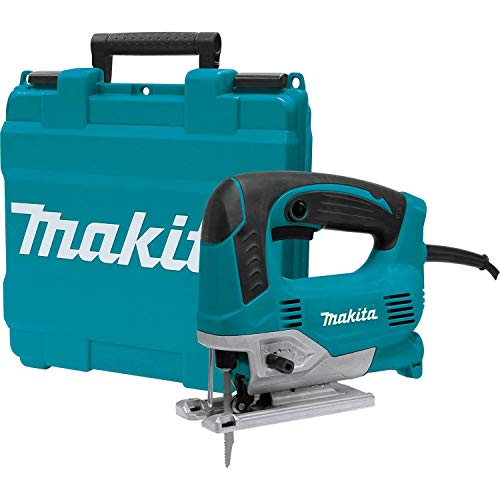
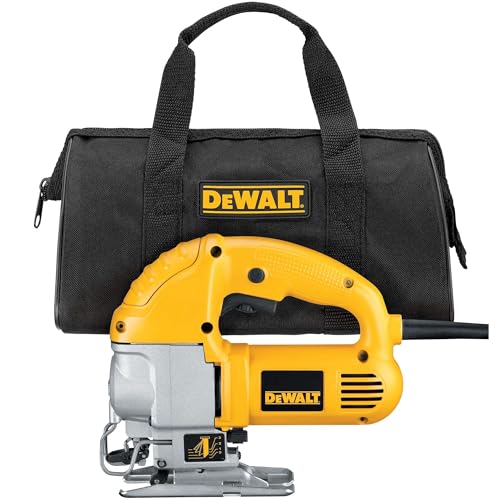
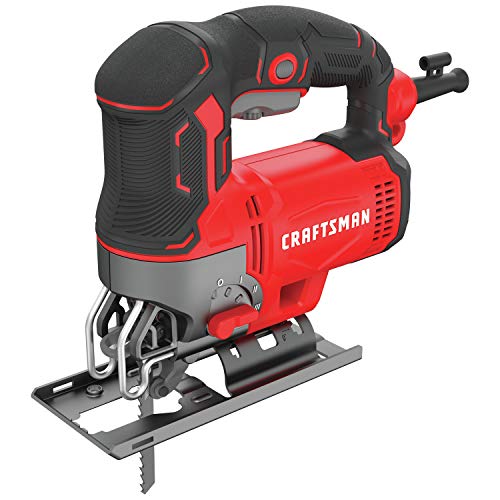
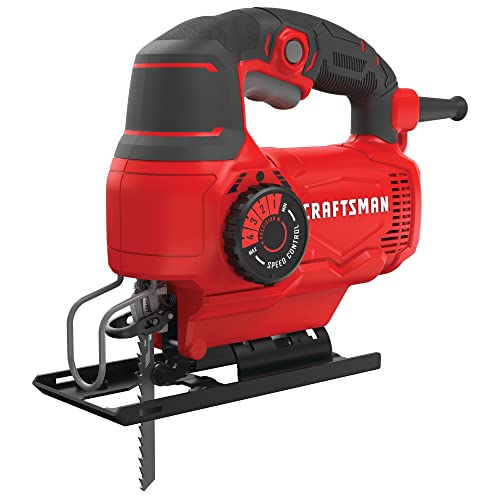
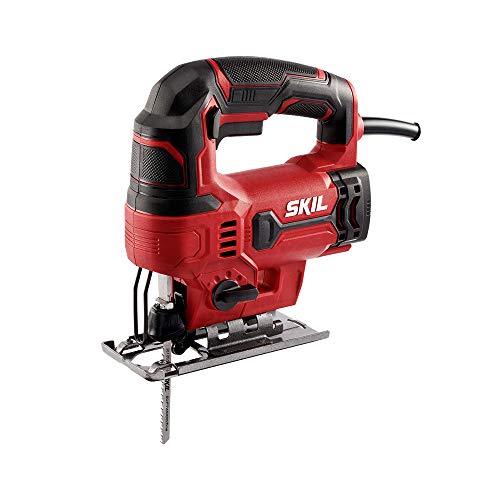
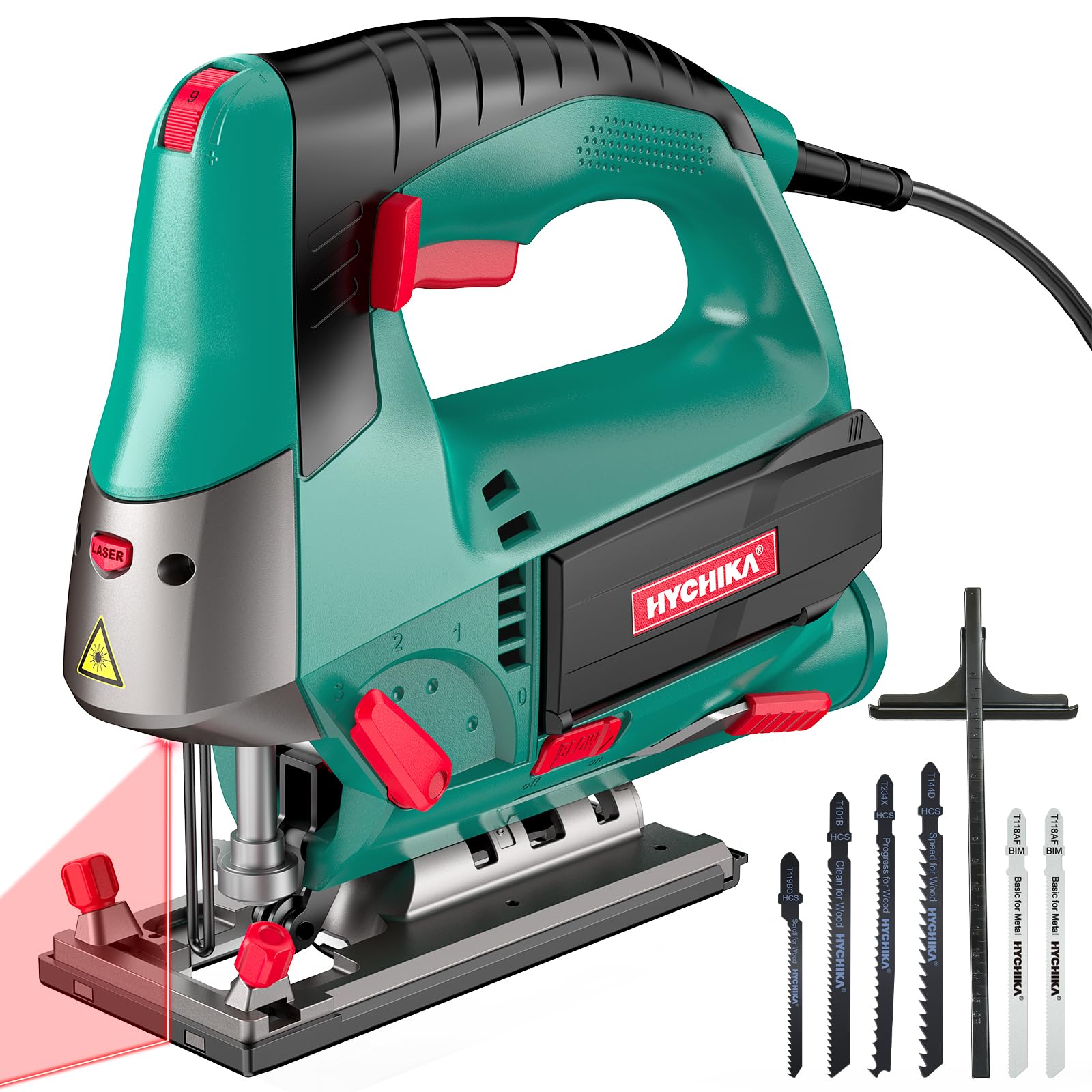

Who Should Buy Which Corded Jigsaw?
Woodworkers Who Cut Curves All Day
If your shop work involves scroll style cuts, pattern following, and fitting parts to curved lines, a higher amp corded saw with a smooth variable speed dial and four orbital settings is your tool. Steady torque keeps the blade tracking in thick hardwood, and dust extraction keeps the line visible. Woodworkers should start their search in our dedicated guide to the best jigsaw for woodworking, then use the specs here to judge the corded field.
Installers Cutting Laminate, Countertops, and Sink Openings
On site work rewards control over brute force. You need a saw that starts slowly for plunge cuts, holds a line in chip prone laminate with the right down cutting blade, and bevels accurately for scribing. A mid amp saw with a stable shoe and a blower that clears the cut line serves installers best. Cord length matters here too: a generous cord reaches across a countertop run without dragging an extension through your work area.
Beginners and Homeowners Who Want One Saw That Never Needs Charging
A corded jigsaw is the forgiving first saw: light, affordable, and always ready when a shelf, dog door, or craft project appears. Entry models around 4.5 to 5 amps handle plywood, pine, and plastic with ease, and there is no battery platform to buy into. If you are equipping a first workshop, compare the starter friendly picks in our guide to the best jigsaw for beginners alongside the corded options in the table.
Key Features to Compare
Motor Power in Amps
Corded jigsaws run from about 4 amps at the budget end to 7 amps or more at the top, and amps translate directly into how the saw holds speed in dense material. A 4.5 amp saw is content in plywood and softwood up to about 2 inches, while oak, thick stock, and metal ask for 6 amps and up. Power also buys smoothness: stronger motors vibrate less at working speed because they are not straining. Match amps to your thickest regular cut rather than your average one, since a jigsaw bogging mid curve leaves a wandering line and a burnt blade.
Variable Speed Control and SPM Range
Speed is quoted in strokes per minute, typically topping out between 3,000 and 3,200 SPM. The number matters less than control: a dial that presets maximum speed, paired with a variable speed trigger, lets you slow down for metal and plastics that melt or chip at full pace. Wood wants high speed, acrylic wants slow with patience, and laminate wants moderate speed with the right blade. Saws that only offer a trigger force you to hold a steady squeeze for minutes, which cramps hands and drifts speed on long curves.
Orbital Action Settings
Orbital action swings the blade forward on the upstroke, clearing chips and cutting far faster in wood. Most corded saws offer three or four settings plus off. Full orbit rips through framing lumber and rough cutouts, while zero orbit gives the smooth, splinter free edge you need for visible curves and fine materials. The setting is a lever you will change constantly once you learn it, so check that it moves positively and is marked clearly. Using full orbit on finish work is the single most common cause of torn edges with this tool.
Grip Style: Top Handle vs Barrel Grip
Top handle saws put a D shaped grip over the motor, with the trigger under your fingers; they feel natural for general work and one handed steering. Barrel grip saws slim the body so your hand wraps the motor itself, with speed set by a dial and an on off switch, giving finer control for scroll work and underhand cuts. Neither wins outright: hand size, glove use, and cut style decide. The full comparison in our guide to the best barrel grip jigsaw explains which grip suits which work in detail.
Blade System: T Shank, Tool Free Changes, and Blade Support
Nearly every quality corded jigsaw now uses T shank blades with tool free clamping, and you should treat anything else as outdated. T shank blades seat firmly without screws, swap in seconds when hot, and come in the widest selection of tooth patterns. Blade support is the hidden factor: a guide roller behind the blade keeps it tracking straight on curves and resists the sideways drift that ruins tight radius work. Saws with sloppy blade guides wander no matter how carefully you steer, so this mechanism deserves a close look in any comparison.
Shoe Quality, Bevel Capacity, and Dust Management
The shoe, or base plate, decides how flat and true the saw rides. Better shoes are cast or heavy stamped steel that lock bevel angles at 0 and 45 degrees with positive stops, instead of creeping mid cut. A non marring shoe cover protects laminate and finished surfaces. For dust, a blower that clears the cut line is the minimum; a vacuum port that actually fits standard hoses is better, especially indoors. LED lights aimed at the blade help in cabinets and shadowed corners, and cost little, so treat their absence on pricier saws as a miss.
Setting Up a Corded Jigsaw for Clean Curves
Most jigsaw disappointment is setup, not the saw. Clamp the work so both sides of the cut are supported, because a vibrating sheet steers the blade more than your hands do. Choose the blade for the material and finish: more teeth per inch for smooth edges and metal, fewer for fast wood cuts, and a down cutting blade when the top face of laminate must stay perfect. Set orbital action to zero for finish cuts and add it only when speed matters more than the edge.
Manage the cord like part of the tool. Drape it over your shoulder or behind the work so it never snags the bench edge mid curve, and keep the plug connection off the floor where it can catch. Let the blade reach full speed before entering the cut, feed at the pace the teeth clear chips, and never force the saw sideways to correct a line; back out and re enter instead. Practiced this way, a corded saw cuts curves that need only a light sanding, which is the entire point of the tool category covered in our hub guide to the best jigsaw options.
Common Mistakes to Avoid
- Leaving orbital action on full for finish cuts, which tears the top edge of plywood and laminate.
- Forcing the saw forward faster than the blade clears chips, so the blade deflects and the cut wanders.
- Using a coarse wood blade on metal, which strips teeth instantly and can grab the workpiece.
- Cutting unsupported sheet goods, letting vibration shake the line and chip the surface.
- Ignoring the cord path, so the plug snags mid cut and pulls the saw off the line.
- Storing the saw with a blade mounted, which bends blades and invites a cut when you grab the tool.
How to Make Your Corded Jigsaw Last Longer
Jigsaws die from dust and bent blades more than from worn motors. Blow out the blade clamp and vents after dusty work, because packed dust makes clamps slip and motors run hot. Keep the blade guide roller clean and check that it spins freely; a seized roller burns blades and drags cuts off line. Wipe the shoe and store the saw so the shoe is not the load bearing point in a crowded box.
Treat blades as consumables and retire them at the first sign of drift or burning, since a dull blade forces the motor and gearbox to work far harder than the cut requires. Inspect the cord along its full length each season and replace the saw or have the cord professionally replaced if the jacket is cut, because a corded tool with a damaged cord is a shock risk. A drop of oil on the blade guide and a clean, dry case complete a routine that keeps these simple machines running for many years.
FAQ
Are corded jigsaws more powerful than cordless jigsaws?
At the same price, yes, and they hold that power indefinitely. A mid priced corded saw delivers full rated output for hours, while cordless output depends on battery charge and pack size. Top tier cordless models now match corded saws for most cuts, but they cost more and still pause for pack swaps on long jobs. For bench and site work near outlets, corded remains the value and endurance choice.
How long does a corded jigsaw last?
A quality corded jigsaw used at home can last well over a decade, because the design is simple and there is no battery to fade. Wear concentrates in the blade clamp, the guide roller, and eventually the motor brushes on brushed models. All three are cheap to service relative to a new saw. Dust left packed in the vents is the usual life shortener, so the cleaning habit in the care section is what converts years into decades.
What blade does a corded jigsaw use for metal and laminate?
Both jobs want fine teeth, but different patterns. Metal takes a bi metal blade with about 18 to 24 teeth per inch, run at low speed so the teeth bite rather than skate and overheat. Laminate takes a down cutting blade whose teeth cut on the downstroke, protecting the visible top face, run at moderate speed with orbital action off. One blade box with wood, metal, and down cut assortments covers nearly every task a homeowner meets.
Can a corded jigsaw cut a straight line as well as a circular saw?
It can follow a clamped straight edge respectably, but it will not match a circular saw for long, fast, perfectly straight rips. Jigsaw blades are thin and flex, so they deflect in thick stock even with a guide. Use the jigsaw for curves, cutouts, and short straight work, and reach for a track or circular saw when a long straight edge is the deliverable. Owning both is normal; forcing one to do the other's job is where bad cuts come from.
How do you keep a corded jigsaw from splintering the top of plywood?
Three habits fix most splintering. Fit a fine tooth or down cutting blade, set orbital action to zero, and place masking tape along the cut line or score the line with a knife first. Also support the sheet fully so vibration cannot lift fibers at the edge. If the bottom face is the visible one, simply flip the work over and cut with a standard blade, letting the upstroke tear the hidden side instead.
Final Thoughts
A corded jigsaw asks so little, steady power and no battery shelf, that the buying decision rests on control: speed dial, orbital settings, blade clamp, and the grip that fits your hand. Get those right and the saw disappears into the work. On those terms, the best corded jigsaw for your bench is easy to spot, so compare the finalists in the product table above on amps, speed control, and grip style before you choose.


