
Best Barrel Grip Jigsaws in 2026: A Complete Buying Guide
Disclosure: We may earn a commission when you buy through links on this page, at no extra cost to you. As an Amazon Associate I earn from qualifying purchases. Learn more

Learn how to choose the best barrel grip jigsaw, from grip control and variable speed to blade clamps, dust ports and corded or cordless power options.
Cutting a clean curve with a jigsaw depends on how close your guiding hand sits to the blade, and that is exactly where a barrel body design changes the feel of the tool. Choosing the best barrel grip jigsaw means looking past headline power numbers and studying grip diameter, speed control style and blade guidance instead.
This guide walks through the features that separate a precise, easy to steer saw from one that wanders off the line. The product table sums up the main specs side by side, and the sections here explain who benefits from this grip style, which settings actually matter, and how to avoid the mistakes that ruin good material.

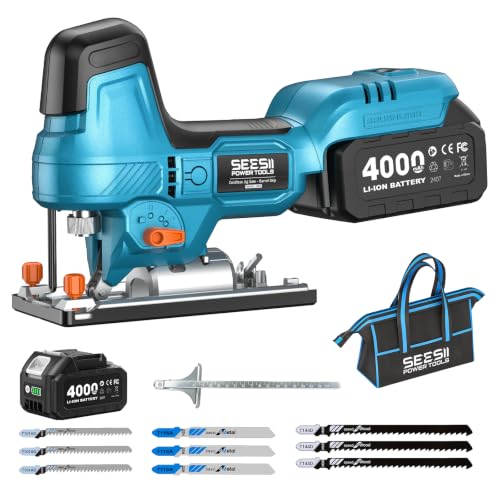

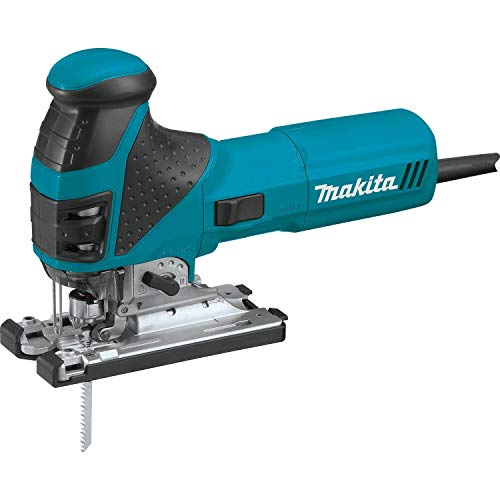


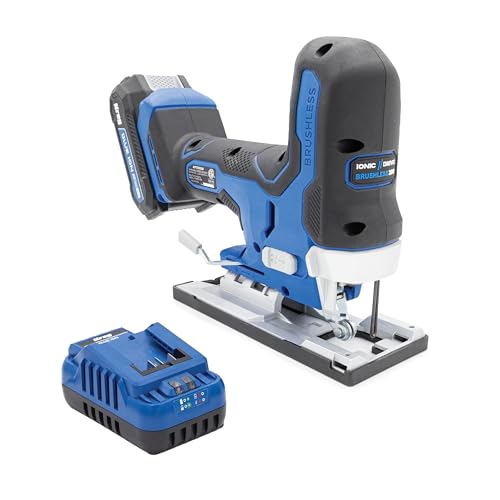


Who Should Buy Which Barrel Grip Jigsaw?
Cabinet and Furniture Makers Who Cut Curves Every Week
If your work is full of arcs, cutouts and template following, you steer the saw for hours at a time and small control gains add up fast. A barrel grip with a slim body, a smooth variable speed dial and strong blade guidance suits you best, because your palm sits low and close to the cut line. Look for the cutting depth and dust control that match serious shop work in our guide to the best jigsaw for woodworking.
Installers Who Cut Countertops and Sinks on Site
On site work means cutting in place, often upside down under a counter or inside a cabinet carcass where a tall top handle body gets in the way. You benefit from the low profile barrel shape, a bright work light and a dust port that connects to a vacuum so the line stays visible. A cordless model frees you from hunting for outlets, while a corded model never stops mid cut on a long countertop run.
Hobby Woodworkers Ready to Move Past a Top Handle Saw
If you already own a basic top handle jigsaw and your curves still feel vague, the barrel format is a control upgrade rather than a power upgrade. Your hand wraps around the body right behind the blade, so steering inputs feel direct, almost like guiding a hand plane. Start with a mid priced model with a dial for speed and tool free blade changes, and spend the savings on quality blades.
Key Features to Compare
Grip Diameter and Hand Position
The barrel body is the whole point of this tool style, so measure it against your hand before anything else. A slimmer barrel, usually around 2 to 2.5 inches across the gripping area, lets smaller hands wrap fully and keeps fingers relaxed during long cuts. Your palm sits behind and slightly above the blade, which lowers the center of control and makes the saw pivot naturally around tight corners. If you can, hold the saw in a store and mimic a curved cut, because grip comfort decides accuracy more than any spec on the box.
Speed Control: Dial, Trigger or Both
Barrel grip saws control speed in different ways, and the style changes how you work. Some put a variable speed dial at the back of the body, so you set the pace before the cut and simply switch the saw on. Others add a trigger style switch you feather with a finger, which helps when you ease into delicate material. Most barrel models also place the on and off switch near your thumb, and a lock on button helps during long ripping style cuts. Pick the layout that lets you change pace without loosening your grip.
Stroke Length and Orbital Action
Stroke length, commonly about 1 inch on full size models, decides how aggressively the blade clears material on each pass. A longer stroke cuts faster in thick stock but can feel rougher in thin sheet goods. Orbital action moves the blade forward as it rises, and settings from zero to three or four steps let you trade finish quality for speed. Keep orbital action off for tight curves, metal and fine finish work, and raise it for fast rough cuts in framing lumber and thick softwood.
Blade Clamp and Blade Guidance
Nearly every current barrel grip saw uses T shank blades with a tool free clamp, so swapping blades takes seconds and needs no Allen key. What differs is guidance: better saws support the blade with rollers or guide blocks close to the shoe, which limits sideways flex on curves. A flexing blade cuts a bevel you never asked for, especially in stock over 1 inch thick. Check that the clamp grips firmly with no play, and prefer models where the guide parts are replaceable wear items rather than fixed castings.
Dust Blowing and Dust Extraction
A jigsaw is useless if sawdust buries your pencil line, so dust management deserves real attention. Most models offer a blower that puffs air at the cut line, and it works well for occasional cuts in the open. A proper extraction port that fits a shop vacuum hose keeps the line clear for an entire session and keeps fine dust out of the air you breathe. Some saws include a clear splinter guard that doubles as a dust shroud. If you cut indoors or in finished rooms, rank the vacuum connection near the top of your list.
Power Source and Balance
Corded barrel grip saws draw about 6 to 7 amps and deliver the same pace on the first cut and the fiftieth, which suits bench work and production cutting. Battery models in the 18 to 20 volt class match that pace for most tasks and remove the cord that otherwise snags on bench edges. Our overview of the best corded jigsaw options explains when constant plug in power still wins. Whatever you choose, check balance with the battery fitted, because a tail heavy saw fights you on vertical cuts.
Barrel Grip vs Top Handle: What Changes at the Cut Line
The difference is geometry, not quality. On a top handle saw, your hand rides several inches above the blade and pushes down through a tall body, which feels natural for straight cuts and for guiding with two hands. On a barrel grip saw, your hand sits low and behind the blade, so the saw rotates around your palm when you steer into a curve. Many users find it easier to cut from underneath a panel, a common trick for reducing splintering on the visible face, because the low body clears the work surface.
Neither style is better for everyone. If you are brand new to jigsaws, a top handle model with a trigger usually feels friendlier on day one, and the suggestions in our best jigsaw for beginners guide start there. Choose the barrel format when curved work is your priority, when you often cut in tight spaces, or when you already know you like guiding a tool from a low grip. And if you are comparing formats across the whole category, the best jigsaw guide covers both shapes in one place.
Common Mistakes to Avoid
- Gripping the barrel with a full fist and forcing the saw around curves, which bends the blade and leaves beveled edges.
- Leaving orbital action on a high setting for finish cuts, which chips the surface and tears out veneer.
- Using a dull or wrong tooth blade and blaming the saw, which overheats the cut and wanders off the line.
- Skipping the speed dial and running full speed in laminate or plastic, which melts edges and fuses the kerf shut.
- Pressing down hard to speed the cut, which overloads the blade instead of letting the stroke do the work.
How to Make Your Barrel Grip Jigsaw Last Longer
Blow dust out of the vents and blade clamp after dusty sessions, because packed dust traps heat around the motor and gums up the clamp so blades seat loosely. Store the saw with no blade fitted, or with the blade guard in place, so the clamp spring is not held under tension for months. Check the shoe screws and the blade guide rollers every few months, and replace worn rollers before they let the blade wander.
Treat blades as the consumables they are. A fresh blade costs little, while forcing a dull one strains the motor and bearings on every stroke. Keep the cord or battery contacts clean, coil cords loosely instead of wrapping them tight around the body, and keep the saw in a case so site dust and knocks do not reach the internals. With that basic care, a good barrel grip saw should serve a small shop for many years.
FAQ
What is the best barrel grip jigsaw?
The best barrel grip jigsaw for you is the one whose grip diameter fits your hand and whose speed control style matches your work. Cabinet makers cutting curves daily should favor strong blade guidance and a smooth dial, while installers should favor a compact body, bright light and vacuum port. There is no single winner for every shop, so match the saw to your hand and your material first.
Are barrel grip jigsaws worth it?
Yes, if curved cutting is a regular part of your work, because the low hand position gives steering control that a tall top handle body cannot match. They are less of a gain if you mostly make straight cuts, where a guide fence matters more than grip style. The format also rewards a short learning period, so judge it after a few practice cuts rather than the first one.
Can a beginner learn on a barrel grip jigsaw?
A beginner can learn on one, but the layout asks a little more of you at the start. The switch and speed dial sit away from your gripping hand on many models, so changing pace mid cut takes practice. A useful approach is to set the speed before each cut, keep orbital action at zero, and practice on scrap plywood until starting and stopping feel automatic.
What blades does a barrel grip jigsaw use?
Almost all current models use T shank blades, which click into the clamp without tools. Keep three types on hand: a fine tooth blade for clean cuts in plywood and laminate, a coarse fast cut blade for thick softwood, and a narrow scroll blade with a slim profile for tight curves. Tooth direction matters too, since down cutting blades leave the top face cleaner on veneered panels.
How do you keep a barrel grip jigsaw cutting straight?
Start with a sharp blade rated for the material, because most drift comes from a dull or overly flexible blade rather than the saw. Support the panel so the offcut does not drop and pinch the blade, and feed at a pace the stroke can clear. For genuinely straight cuts, clamp a straightedge as a fence and run the shoe against it, since no jigsaw of any grip style is a precision ripping tool on its own.
Final Thoughts
The product table pulls the headline specs together, but the right choice comes down to fit: grip size in your hand, a speed control layout you can work without thinking, and blade guidance that keeps cuts square. Match those three things to your work and any best barrel grip jigsaw on your shortlist will cut curves with a confidence a top handle saw rarely matches.


