
Best Budget Cordless Drills in 2026: Built for Real Projects
Disclosure: We may earn a commission when you buy through links on this page, at no extra cost to you. As an Amazon Associate I earn from qualifying purchases. Learn more

Hunting for the best budget cordless drill? Compare voltage classes, chuck size, kit batteries and charger speed so a low price does not cost you twice.
A cheap drill that stalls on a lag bolt or dies halfway through a deck repair is not a bargain, it is a down payment on the drill you should have bought. The best budget cordless drill is not the lowest priced box on the shelf; it is the least expensive kit that still drills and drives like a real tool. This guide sorts the specs that separate a smart budget buy from a false economy, so your money lands on capability instead of packaging.
The comparison table below shows the leading budget kits side by side. When you are ready to see what stepping up buys across the whole category, our hub guide to the best cordless drill covers every price tier in one place.
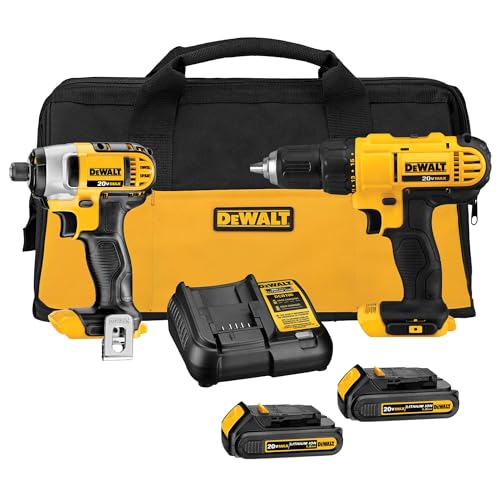
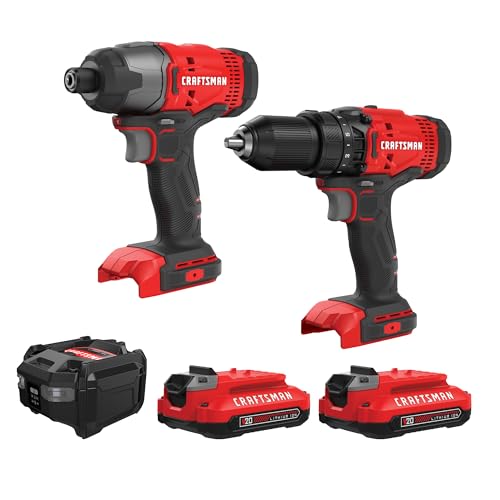
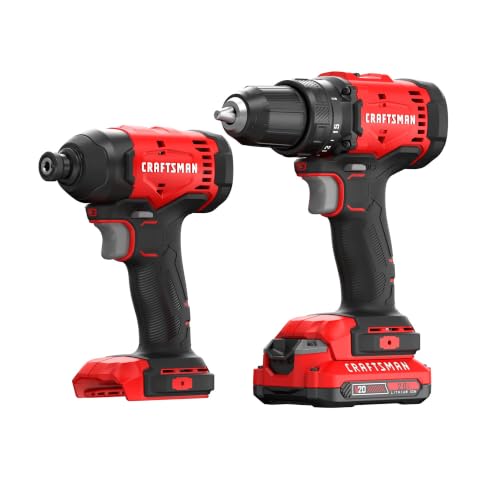
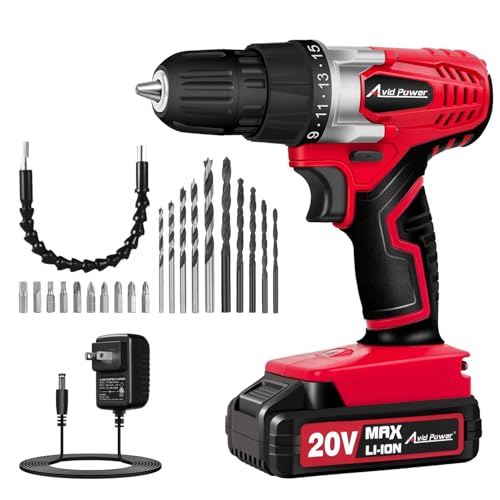

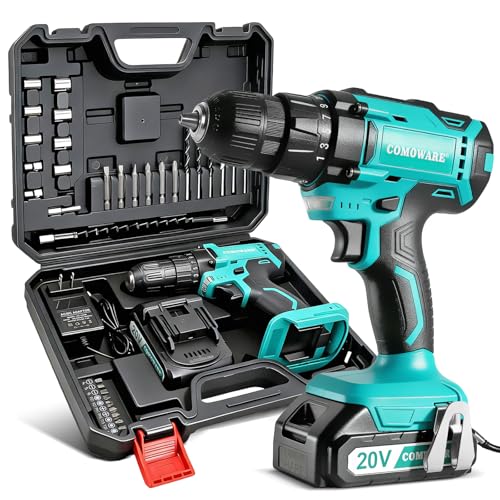
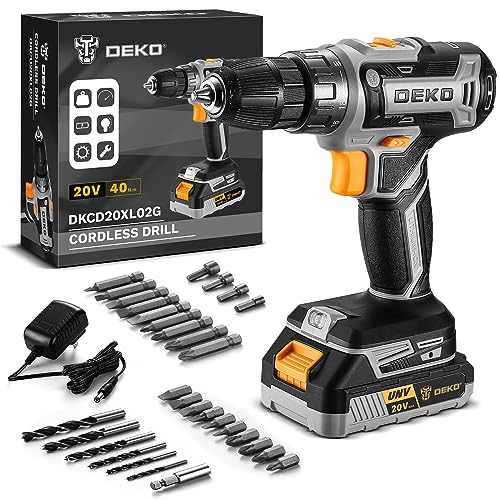

Who Should Buy Which Budget Cordless Drill?
Apartment Renters and Occasional Users
Your drilling is furniture assembly, curtain rods, and the odd shelf anchor a few times a year. A compact 12 volt kit handles all of it, weighs little in a closet or a drawer, and costs the least to own. Battery self discharge matters more to you than peak torque, since the tool sits for months between jobs. Choose a kit whose battery also fits a small driver or light if you think the collection might grow slowly.
First Time Homeowners
You face a steady list: hanging, mounting, flat pack furniture, fence fixes, and small builds. An 18 or 20 volt class kit gives you the headroom for deck screws and larger holes without jumping to pro prices. Two batteries matter, because your projects run long enough to drain one. Our companion guide to the best cordless drill for home use maps these household jobs in more detail once you settle on this class.
DIY Builders on a Strict Budget
You build sheds, workbenches, and garden structures and you know a budget drill works harder in your hands than in most. Prioritize a half inch metal chuck, a two speed gearbox, and the strongest battery bundle in the kit rather than bonus accessories. Skip the giant bit sets bundled with cheap kits; the money belongs in the tool and its batteries. You are also the buyer most likely to outgrow the platform, so pick a brand whose next tools you would actually want.
Key Features to Compare
Voltage Class: 12 Volt Versus 18 and 20 Volt
Voltage class is the first fork. Twelve volt tools are compact and light, fine for assembly and light drilling, and they give up power on large bits and long screws. The 18 and 20 volt classes, which are the same class under different labels, drive bigger holes and tougher fasteners and share batteries with wide tool lineups. Budget shoppers should decide by their hardest regular job: if that job is a three inch hole saw or a ledger board, the smaller class will frustrate no matter how little it cost.
Chuck Size and Construction
A half inch chuck accepts the full range of common bits and hole saws, while three eighths inch chucks limit you to smaller shanks. At budget prices, chuck construction separates tools sharply: a metal ratcheting chuck grips bits securely and survives drops, while a loose plastic chuck lets bits wobble and slip under load. Spin the chuck by hand in the store if you can; visible wobble at the jaws predicts crooked holes. This single part is where the cheapest kits cut the most cost, and it shows.
Two Speed Gearbox and Clutch Settings
A two speed gearbox lets you choose torque for driving or speed for drilling, and single speed budget tools force a compromise that serves neither well. Look for a low range near 0 to 450 RPM and a high range up to about 1,500 RPM. The clutch, with around 15 to 20 settings plus a drill mode, stops the drill from snapping small screws or burying them in soft wood. More clutch positions are not automatically better, but a drill with only a handful gives you coarse control where finesse matters.
Brushed Versus Brushless at Budget Prices
Brushless motors run cooler, last longer, and squeeze more work from a battery, and they have moved steadily down in price. At the tightest budgets a brushed kit with two good batteries often beats a brushless kit with one small battery, because a dead battery stops work completely. If the price gap is small, brushless is the better long term spend. Either way, motor type matters less than the gearbox and chuck above it, which budget listings tend to hide.
What the Kit Includes: Batteries and Charger
Read the kit list like a contract. Two batteries of 1.5 to 2 amp hours beat one large battery for most users, since one can charge while the other works. Charger speed is the hidden spec: a slow charger can take three to five hours, turning a dead battery into a dead afternoon, while a one hour charger keeps projects moving. Bags are fine at this price; hard cases are a bonus, not a reason to buy. Bare tool deals only make sense when you already own matching batteries.
Size, Weight, and the Compact Option
Budget drills have grown shorter and lighter, and a compact head length helps inside cabinets and between studs. If your work is mostly assembly and tight spaces, the smaller models in our guide to the best compact cordless drill trade a little power for a lot of access. Weight sits in your hand, not the spec sheet: a drill that feels balanced with its battery mounted will drill straighter holes at the end of a long day than a nominally stronger but nose heavy one.
What Budget Drills Can and Cannot Do
A good budget kit drills wood, drywall, plastic, and light metal, drives deck and construction screws in reasonable sizes, and handles hole saws up to about two inches in soft material. Its limits show with large self feed bits, repeated lag bolts, and masonry, where a hammer function helps; drills in our guide to the best hammer cordless drill add that capability for a little more money. Knowing the boundary keeps you from burning out a motor trying to prove a cheap tool can do a costly job.
Common Mistakes to Avoid
- Buying a kit with one small battery and a five hour charger, so every project stalls at the first dead pack.
- Judging by voltage alone, when a well built 12 volt drill outworks a sloppy 20 volt one on light jobs.
- Paying for a 100 piece accessory bundle of soft bits instead of a better drill with two batteries.
- Ignoring chuck quality, then fighting bits that slip and spin in the jaws on every larger hole.
- Choosing an obscure platform with no other tools, so your second purchase starts a second battery family.
- Using the drill mode instead of the clutch on flat pack furniture, snapping fasteners into particle board.
Care and Maintenance for a Budget Cordless Drill
Budget tools reward basic care because their margins are thinner. Blow dust from the vents and chuck after messy jobs, and run the chuck open and closed a few times to clear grit from the jaws. Store batteries at partial charge in a dry place, and avoid leaving them on the charger for weeks. If drilling power fades, check the brushes on brushed models and the battery health before blaming the motor. A drill kept clean and fed with healthy batteries will outlast its price tag by years.
Frequently Asked Questions
Are budget cordless drills worth it?
Yes, provided you buy the capable end of the budget range rather than the absolute cheapest tool available. A kit around $60 to $100 with two batteries, a half inch chuck, and a two speed gearbox completes the same household projects as drills costing twice as much, just a little slower on the biggest jobs. The false economy zone is below that, where single batteries, slow chargers, and weak chucks turn savings into a second purchase.
How long does a budget cordless drill last?
Expect five or more years of household service from a decent budget drill, with the batteries aging out first at roughly three to five years depending on storage and use. Brushed motors eventually need brushes, a cheap part on serviceable models. The drill itself usually survives until a bigger project persuades you to upgrade, at which point it retires gracefully to assembly duty rather than the trash.
Is a 12 volt or 20 volt drill better for a tight budget?
Choose 12 volt if your work is assembly, light drilling, and tight spaces, since the kits cost less and the tools are easier to handle. Choose the 18 or 20 volt class if you will drive construction screws, drill studs, or use hole saws, because underpowered tools get replaced and replacement erases the savings. Renters lean small, homeowners lean big, and the price difference between the classes is smaller than it first looks.
How do you clean a cordless drill?
Remove the battery, blow out the vents and chuck with dry air or a soft brush, and wipe the housing with a slightly damp cloth. Work the chuck through its range to shed trapped grit, and add nothing more than a trace of light oil to the chuck jaws if they feel stiff. Never wash a drill or soak it, and let it dry fully before a battery goes back on.
What should you check before buying a budget drill kit?
Confirm five things on the box: chuck size and whether the chuck is metal, two speed gearbox ranges, clutch settings count, how many batteries and their amp hours, and the charger's stated charge time. Then confirm the platform sells other tools you might want, because the drill is rarely the last cordless purchase. Those checks take two minutes and prevent nearly every common budget drill regret.
Final Thoughts
Let the kit contents and the chuck, not the sticker, decide. Two batteries, a real gearbox, and a charger that works at human speed turn a low price into a genuine bargain, and the product table above makes those details easy to line up. Chosen that way, the best budget cordless drill handles years of real projects and never makes you buy the same tool twice.


