
Best Cordless Orbital Sanders in 2026: A Buying Guide
Disclosure: We may earn a commission when you buy through links on this page, at no extra cost to you. As an Amazon Associate I earn from qualifying purchases. Learn more

Choose the best cordless orbital sander by comparing pad size, orbit diameter, variable speed, battery runtime and dust collection for your projects.
Sanding a deck rail, a dresser, or a set of cabinet doors usually happens far from a free outlet, and dragging a cord over fresh finish is its own headache. The best cordless orbital sander frees you from both problems, but only if the battery lasts long enough to finish the grit sequence without fading mid panel. The comparison table below shows how the main cordless formats differ so you can match one to your work.
The trade at the heart of every cordless sander is runtime against convenience. Battery platform, pad size, and orbit diameter decide how fast the tool removes stock and how fine it can finish. This guide explains those specs in plain terms, then covers the sanding habits that matter more than the tool itself. For the full category, including corded models, start with our guide to the best orbital sander.
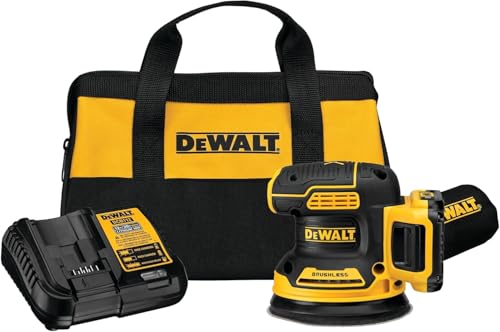


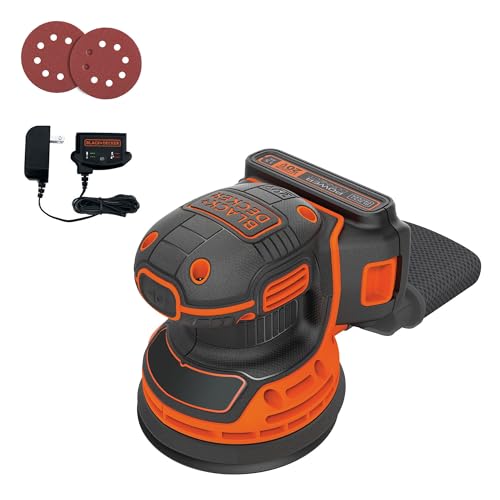
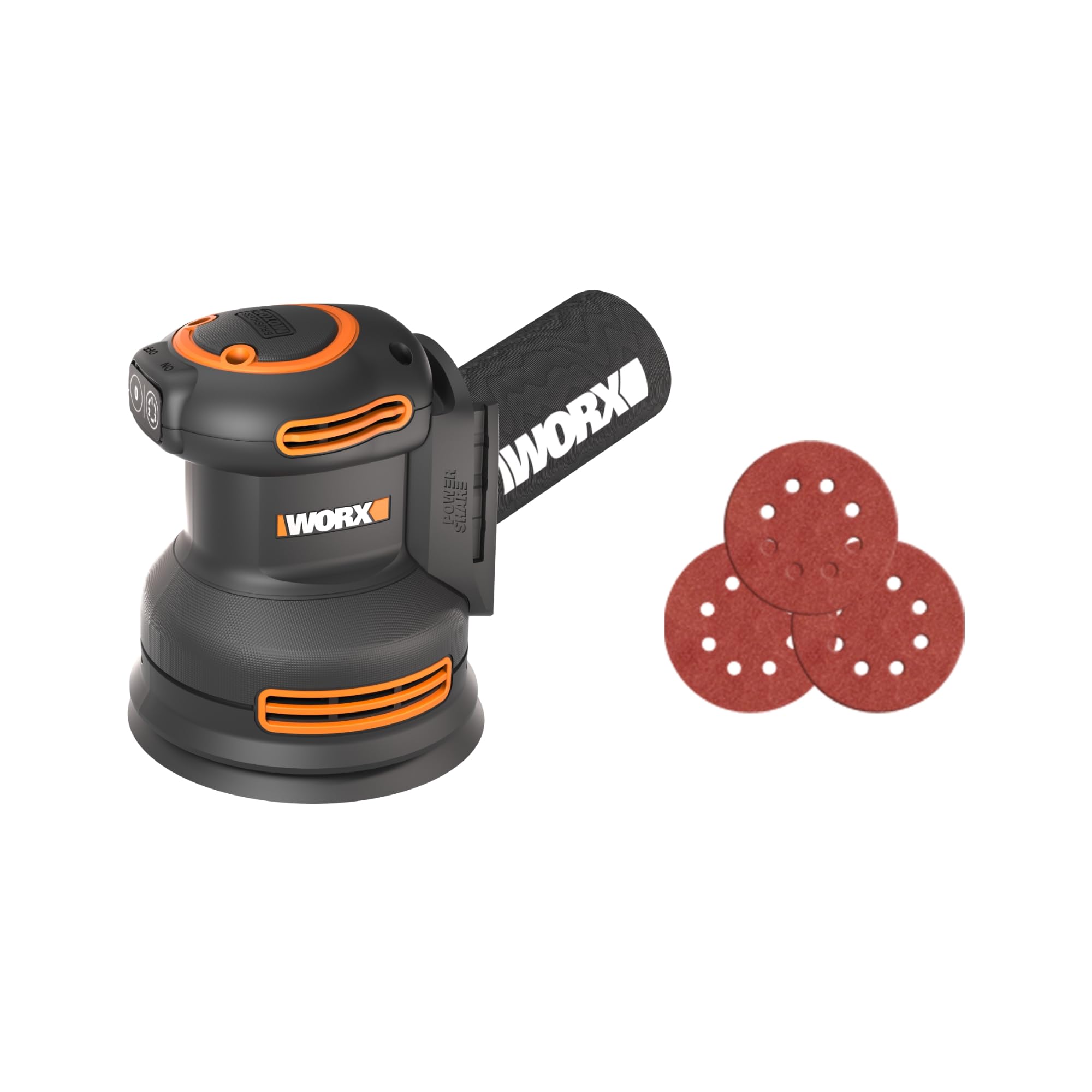


Who Should Buy Which Cordless Orbital Sander?
DIYers Already on a Battery Platform
If you own drills and saws from one cordless system, buy the sander that shares those batteries. Sanding drains packs steadily rather than in bursts, and a shared charger and spare packs turn a twenty minute session into an afternoon of work. A bare tool in your platform almost always beats a slightly better sander that forces you into a second charger and a second battery family.
Furniture Refinishers Working in a Garage
Refinishing work is stop and start: strip one drawer front, check the grain, move to the next piece. Cordless sanders suit that rhythm because there is no cord to snag on bench corners or drag through dust piles. Look for a five inch pad, variable speed, and a dust port that fits your shop vacuum hose, since furniture work happens close to your face for hours. Our guide to the best orbital sander for furniture goes deeper on finish quality.
Deck and Outdoor Project Builders
Outdoor projects spread over big areas where outlets are scarce, so runtime per charge and fast battery swaps matter most. A six inch pad covers boards faster, and a larger orbit diameter removes weathered gray wood without endless passes. If your project list leans this way, weigh the cordless runtime limits honestly, because our guide to the best corded orbital sander covers models that never stop for a recharge.
Key Features to Compare
Pad Size and Orbit Diameter
Most cordless random orbital sanders use a five inch pad, which balances coverage and control on furniture and trim. Six inch models clear flat panels and deck boards faster but cost more and feel heavier overhead. Orbit diameter decides aggression: a small orbit around 3/32 inch leaves a finer scratch pattern for finishing, while a larger orbit near 3/16 inch removes paint and rough stock faster but needs more steps through the grits to polish out. Match the orbit to your typical job rather than chasing the biggest number.
Battery Platform and Runtime
Runtime is the spec that defines a cordless sander. A compact two amp hour pack may sand for only fifteen to twenty minutes of steady work, while a five amp hour pack can roughly triple that. Heat matters too, because packs throttle output as they warm up, and a fading battery slows the orbit and leaves swirl marks. If you sand for more than quick touch ups, budget for two high capacity packs so one charges while the other works, and stay inside one platform so every pack fits every tool.
Variable Speed Control
A speed dial, usually marked in orbits per minute from about 4,000 to 12,000, lets you slow down for veneer, plastic, and final grits where heat and aggression ruin work fast. Full speed is right for stripping and coarse grits on solid wood. Sanders with only one speed force you to control the finish with pressure, which is exactly the habit that digs edges and leaves uneven surfaces. An electronic control that holds speed steady as the battery drains is worth paying for.
Dust Collection and Vacuum Connection
The small cloth bag on most sanders fills quickly and catches only part of the dust, so a round port that connects to a shop vacuum transforms both cleanup and air quality. Check the port diameter and whether an adapter is included, since sizes vary between brands. Good dust extraction also keeps the abrasive disc cutting longer, because cleared dust cannot clog the grit. A sealed switch that keeps fine dust out of the electronics is a small detail that strongly affects tool life.
Motor Type, Weight, and Vibration
Brushless motors run longer per charge and need no brush changes, which is why most current cordless sanders use them. Weight climbs quickly once a large battery clicks in, and a top heavy sander tires your wrist and tilts on edges. Vibration control matters more than buyers expect: an hour of sanding with a buzzy tool leaves hands numb and work sloppy. If possible, hold the tool with your largest battery fitted, because that is the balance you will actually live with.
Matching Grit Sequence and Speed to the Job
Technique decides the finish more than the tool does. Start coarse only when the surface demands it: 80 grit for paint and rough boards, 120 for general smoothing, then step through 150 or 180 and finish at 220 for most furniture work. Skipping a grit leaves scratches from the earlier step that only appear after stain goes on. Keep the sander moving at about an inch per second, let the pad do the work without extra downward pressure, and start the tool on the surface so the pad does not gouge a landing mark. Slow the speed for veneer and for the final grit, and vacuum the surface and change discs often, since a loaded disc burnishes instead of cutting. Woodworkers who want more depth on disc choice and technique should see our guide to the best orbital sander for woodworking.
Common Mistakes to Avoid
- Pressing down hard to sand faster, which slows the orbit, overheats the pad, and leaves deep swirl marks.
- Skipping grit steps to save time, so coarse scratches hide until stain or finish makes them obvious.
- Buying into a new battery platform for one sander, then paying for extra packs and a second charger forever.
- Sanding with a clogged disc long past its cutting life, which polishes the surface instead of leveling it.
- Ignoring the dust port size, then finding the sander will not connect to the vacuum you already own.
- Running a small battery to empty on every session, which shortens pack life and leaves the tool fading mid panel.
How to Make Your Cordless Orbital Sander Last Longer
Blow dust out of the vents and pad after each session, and peel off discs before storage so the hook and loop pad does not curl or pick up grit in the toolbox. The pad itself is a wear item: when discs start flying off at speed, replace the pad rather than the sander. Store batteries indoors at partial charge rather than fully drained in a cold garage, and rotate two packs so neither sits unused for months. Check the dust bag or vacuum filter often, because a packed filter starves airflow and lets fine dust reach the motor and switch.
FAQ
Are cordless orbital sanders worth it?
For most home projects, yes. The freedom to sand on a driveway, a porch, or a ladder without managing a cord is worth more than the small power gap that remains on modern brushless models. The exception is marathon stripping work, where a corded tool runs all day at full strength. If your sanding sessions are under an hour at a time, cordless convenience wins for nearly every buyer.
How long does a cordless orbital sander battery last per charge?
Expect roughly fifteen to twenty minutes of continuous sanding from a compact two amp hour pack, and forty minutes or more from a five amp hour pack at moderate speed. Coarse grits and hard pressure drain packs faster, because the motor works harder to hold orbit speed. A useful habit is timing your first full session with each pack size, since that number, not the box rating, tells you how many packs a project needs.
How long does a cordless orbital sander last?
The tool itself commonly serves five to ten years of home use, with the hook and loop pad and the battery packs wearing out first. Pads are replaceable in minutes, and packs can be swapped as they age, so the sander body rarely ends the story. Brushless models remove one more wear item, since there are no carbon brushes to change. Storing the tool clean and dry does more for lifespan than any spec on the box.
How do you clean a cordless orbital sander?
Remove the battery, empty the dust bag, and blow out the vents, switch area, and pad face with compressed air or a soft brush. Wipe the body with a slightly damp cloth and let everything dry before storage. Never wash the tool or soak the pad, since water reaches bearings and electronics. A quick blast of air after every dusty session prevents the packed buildup that eventually blocks cooling airflow.
Can a cordless orbital sander remove paint and varnish?
Yes, with 60 or 80 grit discs and patience, but manage your expectations on large areas. Paint loads discs quickly, so change them as soon as cutting slows, and keep spare batteries rotating because stripping drains packs at the fastest rate. For thick multilayer paint on big surfaces, a heat gun or chemical stripper first, followed by the sander for cleanup, saves hours. Always treat dust from old paint as hazardous and wear a proper respirator.
Final Thoughts
Start with your battery platform, then choose pad size and orbit diameter for the work you do most, and budget for a second high capacity pack if your sessions run long. The product table above pulls the key specs together so the trade offs are easy to see. Choose the best cordless orbital sander for your platform and project size, and pair it with a disciplined grit sequence, and the finish quality will follow.


