
Best Rated Standby Generators for Every Need: How to Pick the Right One
Disclosure: We may earn a commission when you buy through links on this page, at no extra cost to you. As an Amazon Associate I earn from qualifying purchases. Learn more

Match a home standby generator to your house: size, fuel, transfer switch and warranty.
A home standby generator is a permanent appliance that starts by itself within seconds of an outage, and it is one of the largest purchases a homeowner makes for the house. The right size and features depend on whether you need a few essential circuits or the whole home, how often your power fails and what fuel you have. No single model is best for every house, so the best rated standby generators are the ones matched to your situation.
This guide matches standby generators to real homeowners, explains the features that matter, lists costly mistakes and answers common questions. Installation always involves a licensed electrician and, for gas lines, a licensed plumber or gas fitter.



Who Should Buy Which Standby Generators?
Homes with frequent long outages should choose 20kW to 26kW whole house units, smaller homes can choose 8kW to 14kW essential circuit units, coastal and cold climate homes need weather rated enclosures and budget buyers should consider an 8kW to 10kW unit or a portable with a transfer switch.
For Frequent Outages and Whole House Coverage
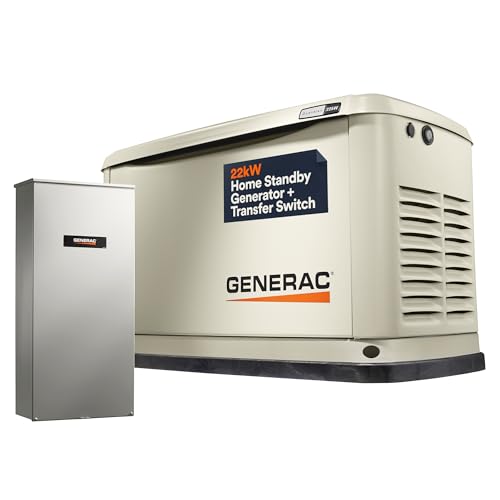
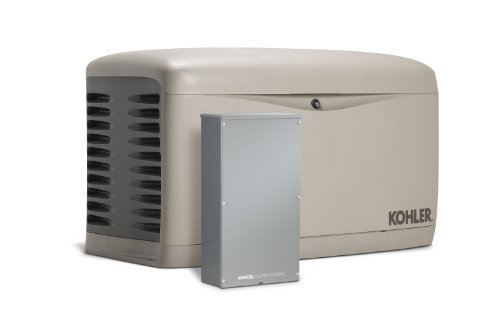
If storms or grid problems knock out power several times a year, a 20kW to 26kW air cooled unit with a 200 amp automatic transfer switch can run central air, appliances and well pumps together. Look for long warranties (five years is common, some brands offer ten), remote monitoring through Wi-Fi or cellular and a dealer network nearby for service. The Generac Guardian 22kW and Kohler 20kW fit this profile.
For Smaller Homes and Tight Lots
Smaller homes and condos with limited yard space can choose 8kW to 14kW units, which have smaller footprints and cost less to buy and install. They usually come with 50 to 100 amp transfer switches covering 10 to 16 essential circuits such as the fridge, furnace, sump pump, lights and outlets. Check local setback rules, which often require a few feet from the house and 5 feet from windows and doors.
For Bad Weather and Tough Conditions
Coastal homes need corrosion resistant enclosures; Kohler says its 20RESCL enclosure is fully corrosion proof for seaside conditions. Cold climates need cold start features: Champion's 8.5kW unit uses a 24V starting system rated to -22°F. Elevated mounting pads help in flood prone areas, and cold weather kits (battery warmers and oil heaters) help in northern states.
For Budget Conscious Homeowners
If the budget is tight, an 8kW to 10kW standby unit such as the Champion 8.5kW or Generac 10kW covers essential circuits at a lower price, often around $3,500 to $4,500 before installation. Another option is a large portable generator with a manual transfer switch or interlock, which costs less but requires you to set it up and refuel it during outages.
Key Features to Compare in the Best Rated Standby Generators
Compare size in kilowatts, transfer switch type, fuel, power quality, noise and warranty. Each feature affects comfort during an outage and long term cost.
Generator Type (Portable, Inverter, Standby, Solar Power Station)
Standby generators are installed permanently, run on natural gas or propane and start automatically. Portable generators cost less but need manual setup and refueling. Inverter generators are quiet and clean but usually too small for a whole house. Solar power stations and home batteries run silently but only for limited hours unless paired with solar panels.
Runtime and Fuel Efficiency
On natural gas, a standby generator can run as long as the gas supply lasts, with periodic stops for oil checks during long outages. On propane, runtime depends on tank size: a 500 gallon tank can run a 20kW unit for several days at moderate load. Fuel use rises with load, so a load shedding transfer switch helps efficiency.
Wattage: Running vs Starting Watts
Add up the running watts of everything you want powered, then allow for starting surges of motors. Typical figures: a refrigerator uses about 700 running and 1,200 to 2,200 starting watts, a sump pump about 800 running and 1,300 to 2,100 starting, and a 3 ton central air conditioner about 3,500 to 5,000 running with a much higher start. An electrician can do a load calculation for your home.
Clean Power (THD) for Electronics
Total harmonic distortion measures how clean the power is. Modern standby units from major brands deliver under 5% THD (Generac states this for its Guardian line), which is safe for computers, TVs and modern appliances. Avoid older or very cheap units that do not list THD.
Noise Level (dBA)
Many towns and HOAs limit generator noise, and weekly exercise cycles run even without an outage. Air cooled standby units typically produce around 60 to 70 dBA at about 23 feet. Look for quiet exercise modes, low tone mufflers and sound dampening enclosures, and site the unit away from bedrooms and neighbors.
Transfer Switch and Warranty
A whole house 200 amp transfer switch with load shedding powers everything and manages big loads automatically. Smaller 50 to 100 amp switches cover selected circuits. Warranties range from five years (Generac, Kohler) to ten years (Champion on its 8.5kW unit), so compare coverage of parts and labor.
Common Mistakes to Avoid When Buying Standby Generators
These mistakes cause most standby generator regrets.
- Undersizing: skipping a load calculation leads to a unit that cannot start central air or a well pump.
- Ignoring installation cost: installation, permits, concrete pads and gas lines often add several thousand dollars.
- Choosing the wrong fuel: without natural gas, propane tank size and delivery access matter.
- Skipping local rules: setbacks, noise limits and permits vary by town.
- Not checking dealer service: a brand without nearby certified service can mean long waits for repairs.
Setup and Care Tips
Professional installation and simple maintenance keep a standby generator ready.
- Have a licensed electrician install the generator and transfer switch, with permits as required.
- Never run a portable gas generator indoors or in a garage; standby units must be installed outdoors per code and manufacturer clearances.
- Keep the unit clear of snow, leaves and plants, and keep the required distance from doors, windows and vents.
- Let the weekly exercise cycle run, and follow the manufacturer's schedule for oil, filters and spark plugs.
- Install carbon monoxide alarms on every level of your home.
- Book yearly service with a certified dealer before storm season.
Standby Generators: Your Questions Answered
Inverter or conventional: which is better?
For whole home backup, a standby generator is better than either. Inverter generators are quiet and clean but small, while conventional portables are powerful but loud and manual. Standby units start automatically and deliver clean power with under 5% THD on major brands.
Can a generator run a refrigerator?
Yes, any standby generator can run a refrigerator. Even an 8kW unit covers a fridge, freezer, furnace fan and lights. A fridge typically needs about 700 running watts and a short starting surge.
What size generator do I need to power a house?
Most average homes need 14kW to 22kW for whole house coverage. Large homes with multiple air conditioners may need 24kW or more, while essential circuit setups often use 8kW to 12kW. A licensed electrician's load calculation gives the right size.
How long can a standby generator run continuously?
A natural gas standby generator can run for days as long as gas flows. Manufacturers recommend checking oil during extended outages, often around every 24 hours of runtime. Propane units run until the tank is empty, so size the tank for your expected outages.
Do I need a transfer switch?
Yes, a transfer switch is required for safe home connection. It isolates your home from the grid so the generator cannot backfeed power lines and endanger utility workers. Standby generators use automatic transfer switches installed by a licensed electrician.
The Bottom Line
Size the generator to your home with a proper load calculation, choose the fuel you can supply reliably and pick a brand with strong warranty and local service. Frequent outage homes do best with 20kW to 22kW whole house units, smaller homes with 8kW to 14kW essential circuit units. Keep those points in mind and choosing among the best rated standby generators becomes much simpler. Compare current models in the product table above, and see our guide to the best portable generators for lower cost backup.


