
Best Rated Inverter Generators: Our 2026 Checklist and Top 3 Picks
Disclosure: We may earn a commission when you buy through links on this page, at no extra cost to you. As an Amazon Associate I earn from qualifying purchases. Learn more

Our checklist for judging inverter generators plus three top picks for camping, RV and whole home backup power.
Inverter generators earned their reputation at campgrounds, where quiet, clean power matters, and they now power RVs, food trucks, job sites and homes during outages. Because they adjust engine speed to the load, they sip fuel and stay quiet, and their stable output is safe for laptops, TVs and modern appliances with sensitive control boards. The best rated inverter generators combine that clean power with dependable engines, sensible safety features and enough watts for the way you plan to use them.
Below is the checklist we use to judge inverter generators, followed by three picks that pass it, a quick buyer checklist and red flags to avoid.


How We Evaluate the Best Rated Inverter Generators
We judge inverter generators on six criteria: the right type and size for the job, home connection options, runtime and efficiency, noise, power quality and, for battery alternatives, capacity and solar input. Our sources are manufacturer specifications, EPA and CARB compliance listings, warranty terms, the details in each Amazon listing and patterns across large volumes of verified owner feedback. We did not run our own trials.
Generator Type: Portable, Inverter, Standby or Power Station
A true inverter generator produces AC power, converts it to DC and inverts it back to a clean sine wave, letting the engine throttle down at light loads. Small inverters of 1,000 to 2,500 watts are light enough to carry and ideal for camping and tailgating. Mid size inverters of 3,000 to 5,000 watts power RVs and home essentials. Large inverters of 8,000 to 13,000 watts can back up much of a house. Conventional portable generators deliver more watts per dollar, standby units start automatically, and battery power stations run silently but store limited energy.
Transfer Switch and Home Connection
For home backup, look for a 30 amp L14-30R or 50 amp 14-50R 240V outlet that connects to a transfer switch or breaker interlock installed by a licensed electrician. Small 120V only inverters can still run appliances through extension cords, or connect to a 120V inlet on some transfer switches. Parallel capability lets two identical small inverters combine output, a flexible option for camping one weekend and backing up a home the next.
Runtime and Fuel Efficiency
Inverter generators with eco mode can use roughly 20% to 40% less fuel at light loads than conventional generators of similar size. Compare runtime at 25% load and tank size: a 2,200 watt inverter with a one gallon tank may run 3 to 8 hours, while a 5,000 watt model with a 3 to 4 gallon tank may run 14 to 18 hours. Dual fuel models add propane, which stores for years and helps during long outages when gasoline is scarce.
Noise Level (dBA)
Quiet operation is the signature advantage of inverter generators. Small models run around 48 to 57 dBA at light load measured at about 23 feet, similar to normal conversation, while large inverters run around 60 to 70 dBA. Every 10 dBA increase sounds roughly twice as loud. Many national parks and campgrounds cap generator noise around 60 dBA, so check rules before you buy.
Clean Power (THD) for Electronics
Total harmonic distortion (THD) measures how closely a generator's output matches a pure sine wave. Quality inverters deliver under 3% THD, which is safe for computers, phones, smart TVs, medical devices and appliances with electronic controls. Conventional generators can exceed 10% to 25% THD under some loads, which can cause buzzing, overheating or malfunction in sensitive devices.
Battery Capacity and Solar Input for Power Stations
If you are weighing a battery power station instead, compare watt hours of capacity, continuous inverter output and solar input. A 1,000 Wh station can power small electronics for a day but not a refrigerator for long, and solar recharging takes hours of strong sun. Power stations suit apartments and indoor use where fuel burning generators are unsafe; inverter generators remain the better choice for extended outages and higher loads.
Safety, Warranty and Support
We also weigh safety features and support. A carbon monoxide sensor that shuts the engine off automatically is a key feature, along with low oil shutdown and overload protection. Warranties of at least three years for residential use, a nationwide service network and available parts like air filters and spark plugs separate dependable brands from short lived ones.
3 Best Rated Inverter Generators That Pass Our Checklist
Each pick below names who it suits, the specs that earned its place and one honest limitation.
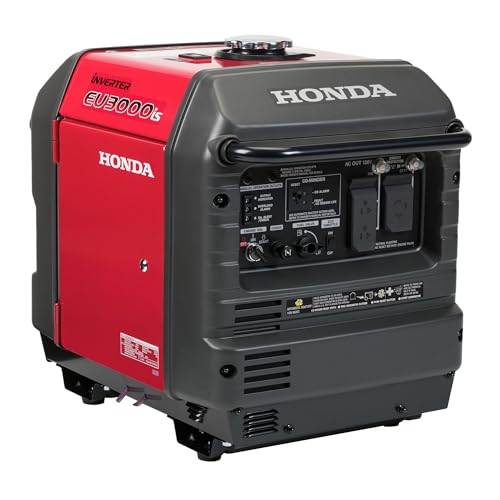
Best Overall: Honda EU2200i
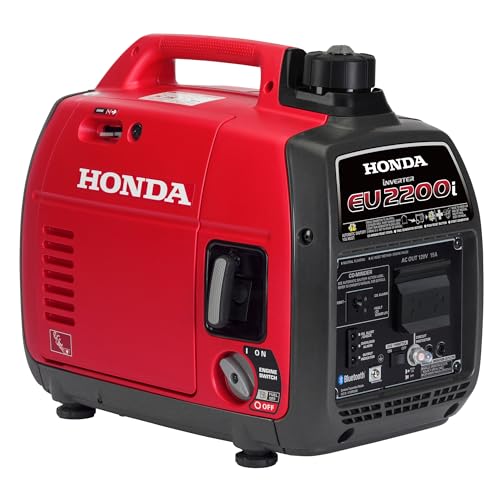
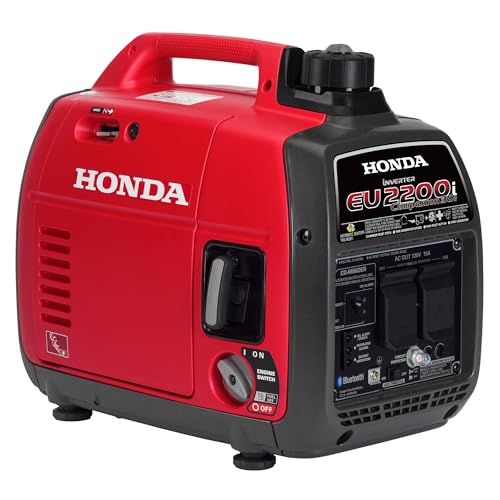
The Honda EU2200i is the best rated inverter generator for most people who want quiet, dependable portable power, at around $1,199. It is a 2,200 watt inverter with a long record for reliability in camping and RV use.
- Why it passes: Honda rates it at 48 to 57 dBA, it weighs just over 47 pounds and runs 3.2 to 8.1 hours on its 0.95 gallon tank with the Eco Throttle system.
- Safety and support: the CO-MINDER system shuts it down if carbon monoxide builds up, and it carries a 3 year residential warranty.
- Extras: the My Generator app offers Bluetooth monitoring, remote stop and service reminders.
- Trade off: 2,200 watts runs a refrigerator, lights and electronics, but not central air or 240V loads; it costs more per watt than rivals. It is not sold in California, where Honda points buyers to other models.
Best for: campers, RV owners with smaller trailers and homeowners who want quiet backup for essentials.

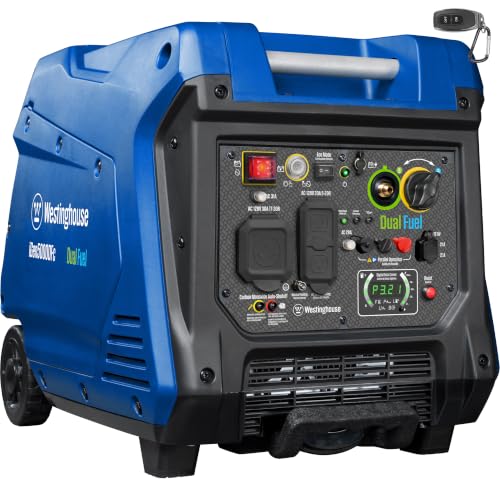
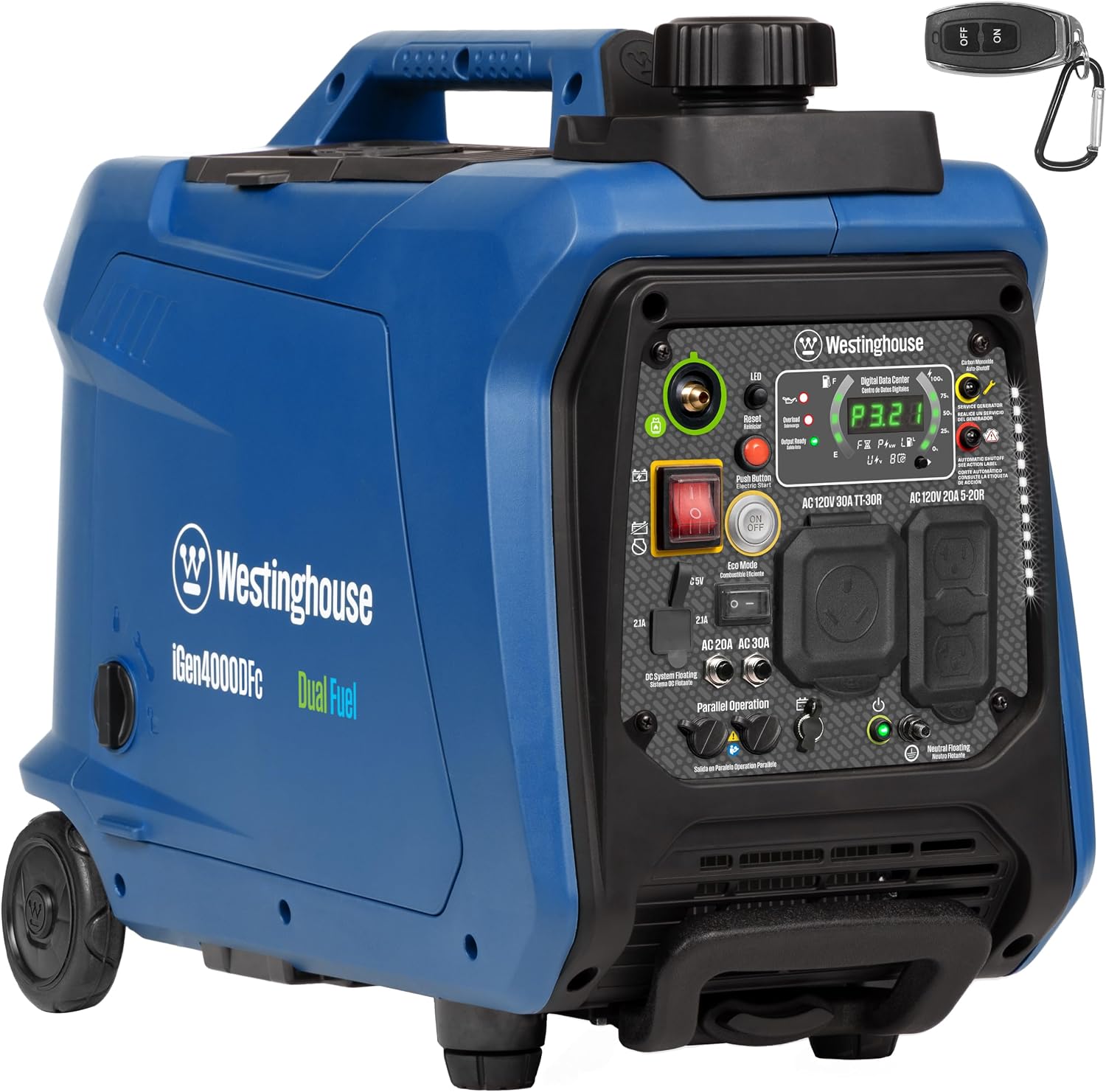
Best Value: Westinghouse 5000 Peak Watt Dual Fuel Inverter
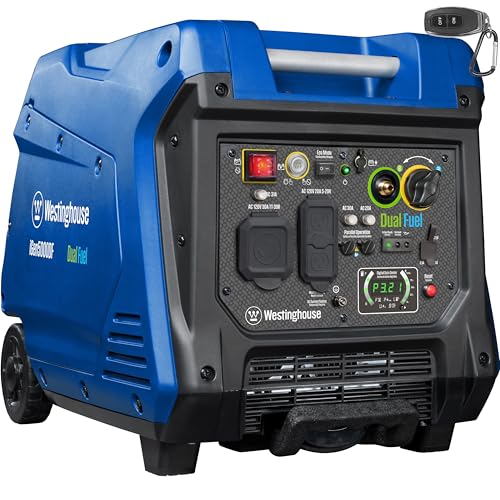
The Westinghouse 5000 Peak Watt dual fuel inverter is the best value inverter generator, at around $949. It offers more than twice the Honda's output for less money.
- Why it passes: 5,000 peak and 3,900 rated watts at less than 3% THD, gasoline or propane operation and up to 18 hours of runtime on a 3.4 gallon tank in economy mode.
- Connection options: an RV ready TT-30R 30 amp outlet, a 120V duplex outlet and two USB ports, plus parallel capability.
- Convenience: remote start with a key fob, electric and recoil start, a telescoping handle and an LED data center showing fuel, output, remaining runtime and lifetime hours.
- Trade off: it is heavier than small inverters and lacks a 240V outlet, so it cannot power 240V well pumps directly.
Best for: travel trailers and RVs with 30 amp service and homeowners who want flexible dual fuel backup on a budget.

Best Premium Pick: Westinghouse iGen12000DFc Dual Fuel Inverter
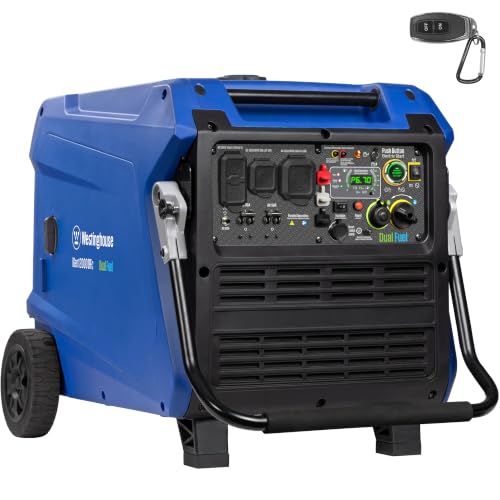
The Westinghouse iGen12000DFc is the best premium inverter generator for whole home backup, at around $1,899. It brings inverter clean power to output levels usually reserved for open frame generators.
- Why it passes: 12,000 peak and 9,000 running watts on gasoline (11,000 peak on propane) at 3% THD or less, with up to 19 hours of runtime at 25% load on a 7.9 gallon tank.
- Home ready: a 120/240V 14-50R 50 amp outlet and an L14-30R 30 amp twist lock, both transfer switch or interlock ready, plus GFCI duplex outlets.
- Quiet and safe: as low as 64 dBA with eco mode, a CO sensor, remote start and an LED data center.
- Trade off: it is large and heavy, so it stays on wheels near the house rather than traveling to campsites.
Best for: homeowners who want to back up most circuits, including 240V loads, with power that is safe for electronics.

Inverter Generator Sizes and What They Run
Matching wattage to your use is the most important sizing decision. These are typical ranges and what each can handle.
- 1,000 to 2,500 watts: phones, laptops, lights, a CPAP machine, a small refrigerator or a coffee maker. Ideal for camping, tailgating and tool use.
- 3,000 to 4,500 watts: a 13,500 BTU RV air conditioner on a 30 amp trailer, or a refrigerator, sump pump and lights at home.
- 5,000 to 7,000 watts: home essentials plus a window air conditioner or microwave, with room for staggered starts.
- 8,000 to 13,000 watts: most household circuits through a transfer switch, including many 240V loads like well pumps.
Two small inverters in parallel can also reach mid size output while staying easy to carry, which suits owners who camp and also want home backup.
Quick Buyer Checklist
Use this checklist to confirm an inverter generator fits your needs before you buy.
- Running watts cover everything you will run at once, plus the largest motor's starting surge.
- THD is listed at 3% or less.
- Noise at light load is 60 dBA or lower if you will camp or live close to neighbors.
- Outlets match your plan: TT-30R for RVs, L14-30R or 14-50R for transfer switches.
- Fuel choice suits your storage: dual fuel for flexibility.
- A CO shutoff sensor and low oil shutdown are included.
- Weight and wheels match how often you will move it.
- Warranty is at least 3 years with a reachable service network.
- The model is EPA compliant, and CARB compliant if you live in California.
Red Flags to Watch For
Some listings overstate what an inverter generator can do. Watch for these warning signs.
- Only peak watts advertised: running watts are what matter for continuous loads.
- No THD figure: a true inverter should state its distortion clearly.
- Noise measured at unclear distances: dBA figures should be measured at about 7 meters (23 feet).
- No CO safety feature on a newer model.
- Unknown brand with no parts or service: filters, spark plugs and carburetor parts should be easy to buy.
- Runtime quoted only at 25% load without tank size, which makes comparisons misleading.
Care and Maintenance Tips
Inverter generators last longest with simple, regular care. Change the oil after the first 20 hours, then about every 50 to 100 hours or once a season. Clean or replace the air filter and check the spark plug annually. Use fresh, stabilized fuel, and run the generator for 15 to 20 minutes every month or two. For storage longer than a couple of months, drain the carburetor or switch to propane to avoid varnish buildup. Always run generators outdoors, at least 20 feet from the house with exhaust pointed away from openings.
Frequently Asked Questions
What size generator do I need to power a house?
Most homes can run essentials like a refrigerator, sump pump, lights and internet on 3,500 to 5,000 running watts. Backing up central air, an electric water heater or a 240V well pump usually takes 9,000 watts or more plus a transfer switch.
Do I need a transfer switch?
You need a transfer switch or interlock to power hardwired circuits like a furnace or well pump. It must be installed by a licensed electrician to prevent dangerous backfeeding into utility lines. For a few appliances, heavy duty extension cords plugged into the generator are enough.
Can a generator run a refrigerator?
Yes. A typical refrigerator needs about 700 running watts and up to 2,200 starting watts, so a 2,200 watt inverter can usually run one on its own. A 3,000 watt or larger model leaves room for lights, a modem and chargers at the same time.
Inverter or conventional: which is better?
Inverter generators are better for quiet operation, fuel efficiency and electronics, making them the top choice for camping, RVs and homes with sensitive devices. Conventional generators deliver more watts per dollar for heavy home backup loads. Our best portable generators guide compares both.
How long can an inverter generator run continuously?
An inverter generator runs as long as it has fuel and oil. Most run 8 to 19 hours per tank at light loads. During long outages, shut it off to refuel once cool, and check the oil level every 8 to 24 hours of operation.
Wrapping Up
The Honda EU2200i is our overall pick for quiet, reliable portable power, the Westinghouse 5000 dual fuel inverter offers the most value for RVs and budget home backup, and the Westinghouse iGen12000DFc delivers premium whole home capacity with electronics safe output. Use our checklist to size by running watts, confirm low THD and the outlets you need, and the best rated inverter generators will give you clean, quiet power wherever you need it. For more options, see our best quiet inverter generators and best inverter generators for RV guides.


