
Best Solar Powered Generators at Every Price: What Your Money Really Gets You
Disclosure: We may earn a commission when you buy through links on this page, at no extra cost to you. As an Amazon Associate I earn from qualifying purchases. Learn more

The best solar powered generators at three price levels, plus what each tier powers and which features are worth paying for.
Solar powered generators now range from about $100 pocket sized kits to $2,000 home backup systems, and the price difference has less to do with the solar panel than with the battery behind it. Choosing among the best solar powered generators starts with knowing how much stored energy you need, what you plan to run and how quickly you need to recharge.
This guide breaks the market into budget, midrange and premium tiers, explains what each one realistically powers and points out which upgrades are worth the money. Whether you want a quiet power source for camping, the workshop or emergency backup, it will help you spend on capacity that matches your needs.




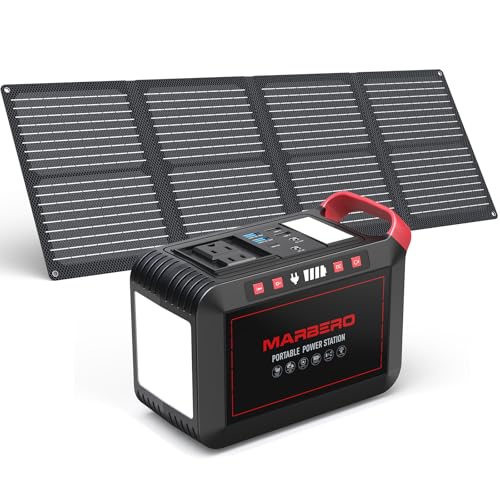


Top 3 Picks by Budget
A quick note on terms: a solar generator is a portable power station (a large lithium battery with an inverter and outlets) paired with one or more solar panels. There is no engine, so it runs silently and produces no exhaust, which makes it safe to use indoors, unlike gas generators.
These three kits stand out at their price levels, and each includes a solar panel so you can charge from the sun right away. Prices change often, so treat the figures as approximate.
Best Budget Pick: Anker SOLIX C300 with 60W Solar Panel
The Anker SOLIX C300 kit suits campers, tailgaters and anyone who needs to keep phones, laptops, lights and small devices running. It costs around $380 with the panel included.
Its main strengths are a 288Wh LiFePO4 battery rated for 3,000 cycles with a 5 year warranty, and fast recharging to 80 percent in about 50 minutes from a wall outlet. It offers 300W of output (600W surge) across three AC outlets, a car socket and 140W USB-C ports, and Anker says it runs at about 25 dB. The limitation is capacity: it cannot run a full size refrigerator or power tools for long. Skip it if you want backup power for full size appliances during outages.

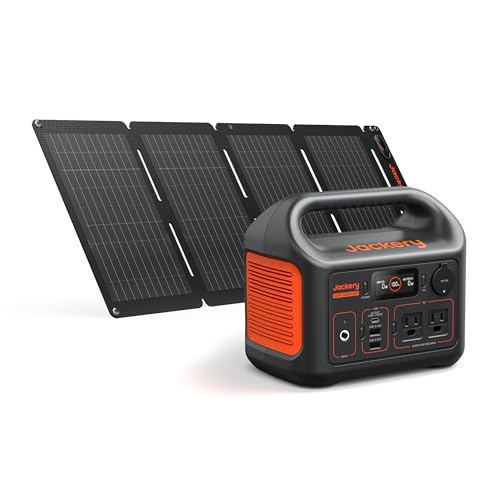
Best Midrange Pick: Jackery Solar Generator 1000 v2 with 200W Panel
The Jackery Solar Generator 1000 v2 is the sweet spot for most buyers, at around $700. It handles weekend camping, RV trips and short power outages for essential appliances.
Two strengths stand out: 1,500W AC output with a 3,000W surge peak from a 1,070Wh battery that weighs about 23.8 pounds, and an LFP battery Jackery says keeps over 70 percent of its capacity after 4,000 cycles. App control enables one hour emergency charging from a wall outlet. The trade off is that a single 200W panel recharges the battery slowly, often taking most of a sunny day. Skip it if you need multi day home backup or plan to run large appliances for long periods.

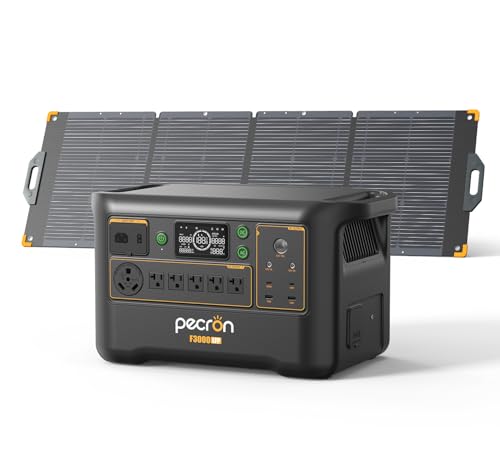
Best Premium Pick: PECRON F3000LFP with 300W Solar Panel
The PECRON F3000LFP kit targets serious home backup and off grid use, at around $1,170. Its 3,072Wh battery and 3,600W output can handle refrigerators, power tools and even some air conditioners for limited periods.
Its standout strengths are high capacity with 13 outlets, including six AC outlets and 100W USB-C, and a UPS mode that PECRON says switches in 8 to 20 milliseconds to protect computers and medical devices during outages. It recharges from AC in about two hours and accepts up to 1,600W of solar input. The drawback is weight and price; it is a large unit, and you will want extra panels to take advantage of its solar capacity. Skip it if you only need power for weekend camping trips.

What Your Money Gets You at Each Price Tier
Battery capacity, measured in watt hours (Wh), is the biggest driver of price. Output wattage and solar input decide what you can run and how fast you can recharge.
Budget Tier: What to Expect
Budget solar generators cost around $100 to $400 and hold roughly 100Wh to 300Wh. They charge phones, tablets, laptops, cameras, lights and small fans, and many can run a CPAP machine for a night. Included panels are usually 20W to 60W, which top up the battery slowly.
The trade offs are limited AC output, often 100W to 300W, and fewer outlets. These kits suit camping, tailgating and keeping communication devices alive during short outages.
Watch for listings that advertise high peak watts but small capacity. A 100Wh unit with a 200W peak can briefly start a device, but it will drain in under an hour at that load. Capacity tells you far more about real usefulness than peak output.
Midrange Tier: The Sweet Spot for Most Buyers
Midrange kits cost around $500 to $900 and store roughly 1,000Wh to 2,000Wh. They can run a refrigerator for several hours, power a coffee maker or microwave briefly and handle corded power tools in a workshop or job site. Panels in the 100W to 400W range recharge them in a day of good sun.
This tier suits most buyers who want camping power plus basic emergency backup. LiFePO4 batteries at this level last thousands of cycles.
Midrange units also tend to include app control, faster AC charging and better displays that show remaining runtime. Those features make it much easier to manage power during an outage, when you need to know exactly how long the refrigerator can keep running.
Premium Tier: When Spending More Pays Off
Premium systems start around $1,000 and can exceed $2,000. They store 3,000Wh or more, output 3,000W or higher, accept large solar arrays and often expand with extra batteries. Some offer home integration through transfer switches or UPS functions.
Spending more pays off for homes in outage prone areas, off grid cabins and RV owners who live on the road. For occasional camping, the extra capacity is rarely used.
Weight is the hidden cost of this tier. Many premium units need wheels or two people to lift, so think about where the unit will live and how far you will move it during an outage.
Features Worth Paying For (and Ones to Skip)
Here is how the key specifications translate into real use, and which ones deserve your money.
Wattage: Running vs Starting Watts
Running watts (continuous output) decide which devices you can run together, while surge or peak watts cover the brief jump motors need to start. Refrigerators, pumps and some tools need surge capacity. Add the running watts of what you plan to use at once and stay below the generator's rating. Do not confuse output wattage with capacity: a 1,500W unit with 1,000Wh will run a 500W load for about two hours.
Generator Type (Portable, Inverter, Standby, Solar Power Station)
Gas portable and inverter generators burn fuel and can run as long as you refuel, but they are noisy and must stay outdoors because of carbon monoxide. Standby generators are installed permanently and run on natural gas or propane. Solar power stations are silent, emission free and safe indoors, but they are limited by stored energy and sunlight. Many households pair a solar generator for quiet daily use with a fuel generator for long outages.
Fuel Type (Gasoline, Propane, Dual Fuel, Natural Gas, Solar)
Fuel generators depend on gasoline, propane or natural gas supply, which can run short after storms. Solar generators use free sunlight and wall or car charging, with no fuel to store or stabilize. The trade off is that solar charging depends on weather, season and panel size. For reliable solar charging, plan on enough panel wattage to refill your battery in about one day of sun.
Noise Level (dBA)
Solar generators are nearly silent; most produce only fan noise, around 25 to 50 dB depending on load. That makes them ideal for campsites with quiet hours, bedrooms during outages and indoor workshops. Gas generators typically run from about 50 dB for small inverters to much louder for large units.
Portability and Safety Features
Weight rises with capacity: budget units weigh a few pounds, midrange units around 20 to 30 pounds and premium units 50 pounds or more. Wheels and handles help with large models. Safety features to look for include LiFePO4 chemistry, battery management systems, temperature control and pure sine wave inverters for sensitive electronics.
Outlets and Ports
Count the outlets you will actually use. Campers often need USB C for phones and laptops plus one AC outlet for a fan or light, while home backup needs several AC outlets for a refrigerator, router and medical device. High wattage USB C ports, around 100W or more, can charge laptops without the AC inverter, which saves battery. A car socket and DC outputs help with 12V coolers and air pumps.
Solar Input and Charging Speed
Solar input rating limits how fast panels can recharge the battery. A unit that accepts 400W of solar can recharge much faster than one limited to 100W, provided you have enough panels. Fast AC charging is worth paying for if you want to top up before a storm. Expandable batteries are worth it only if you expect your needs to grow.
Picking the Right Solar Powered Generators for Different Uses
Different uses favor different sizes and features, so match the kit to how you will actually use it.
Best Rated Solar Powered Generators for Camping: Where Your Money Goes
For camping, spend on portability, quiet operation and enough capacity for lights, phones, a small fan and perhaps a 12V cooler. A 300Wh to 1,000Wh unit with a foldable panel covers most weekend trips. Extra money goes into lighter weight, faster solar charging and more USB C ports rather than huge capacity.
Best Solar Powered Generators for Africa
In regions with unreliable grids or no grid access, solar generators provide clean power for lighting, phones, laptops and small appliances. Buyers outside the United States should choose models built for local voltage, typically 220V to 240V, since many units sold for the US market output 120V. Durable LiFePO4 batteries, dust resistance and generous solar input make the biggest difference for daily off grid use.
Long Term Costs to Factor In
Solar generators have low running costs: no fuel, no oil changes and minimal maintenance. The main long term factor is battery life. LiFePO4 batteries typically last thousands of cycles, often a decade of regular use, while older lithium ion units may last fewer cycles. Check cycle ratings and warranty length.
Extra solar panels, cables, carrying cases and expansion batteries add to the total. Store units partially charged in a cool place and cycle them every few months to keep the battery healthy.
Panel care is simple: wipe dust and pollen off the surface, store folding panels dry and avoid sharp creases in the cables. Clean panels collect noticeably more energy, especially in dusty or pollen heavy seasons.
Compared with a gas generator, the higher upfront price is offset over time by zero fuel costs and almost no upkeep, especially if you use the unit regularly for camping or workshop tasks.
FAQs
What size generator do I need to power a house?
Powering a whole house usually takes 5,000Wh to 20,000Wh or more of storage, plus enough output for your largest appliances. Most homeowners use solar generators for essentials: refrigerator, lights, internet, phones and medical devices. A 2,000Wh to 3,000Wh unit can keep essentials running for several hours to a day.
Can a generator run a refrigerator?
Yes, midrange and premium solar generators can run a refrigerator. A typical refrigerator uses about 1,000Wh to 2,000Wh per day and needs surge capacity to start its compressor. A 1,000Wh unit may run it for several hours, while a 3,000Wh unit can last a day or more.
Inverter or conventional: which is better?
For electronics, inverter technology is better because it produces clean, stable power. Solar power stations use built in pure sine wave inverters, so they are safe for laptops, TVs and CPAP machines. Conventional gas generators are cheaper per watt but produce rougher power and noise.
Do I need a transfer switch?
You only need a transfer switch if you want to connect a generator to your home's wiring. Most people plug devices directly into a solar generator, which requires no switch. For powering home circuits, use a transfer switch or approved home integration kit installed by a licensed electrician.
How long can a solar powered generator run continuously?
Runtime equals battery capacity divided by load. A 1,000Wh unit running a 100W load lasts roughly 8 to 9 hours after inverter losses. With enough solar panels and good sun, it can run indefinitely during the day while recharging.
The Bottom Line
Capacity, output and solar input matter most. The Anker SOLIX C300 kit is an affordable, quiet choice for camping and device charging, the Jackery Solar Generator 1000 v2 is the sweet spot for camping plus short outages and the PECRON F3000LFP is the premium pick for serious home backup and off grid use.
Compare these against the full product table above, total up the watts you need and choose the tier that fits. That is how you find the best solar powered generators for your plans without overspending.


