
Best Portable Generators Made Simple: A Clear Buying Guide
Disclosure: We may earn a commission when you buy through links on this page, at no extra cost to you. As an Amazon Associate I earn from qualifying purchases. Learn more

A plain English guide to the best portable generators: sizing by watts, fuel choices, noise, runtime, safety and setup.
A storm knocks out power, the refrigerator starts warming and the sump pump goes quiet. A portable generator keeps the essentials running until the grid comes back, and it also powers RVs, campsites and job sites far from an outlet. For first time buyers, though, spec sheets can be confusing: starting watts, running watts, THD, dual fuel, transfer switches. The best portable generators are the ones sized to the loads you actually need, fueled the way that suits your home and quiet and safe enough for how you will use them.
This plain English guide covers the basics, explains each key spec, flags rookie mistakes and walks through safe setup. Compare current models in the product table above.


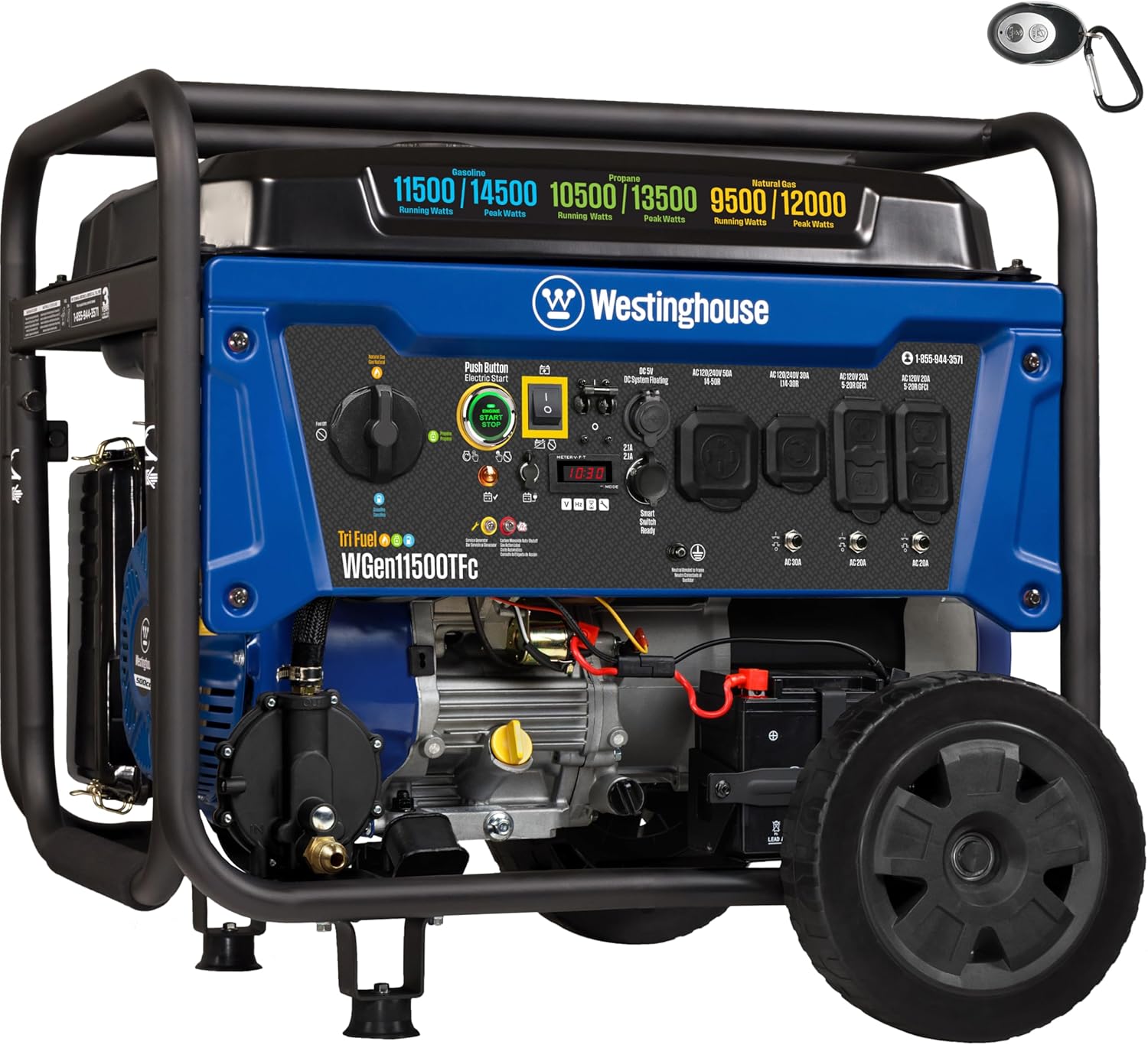
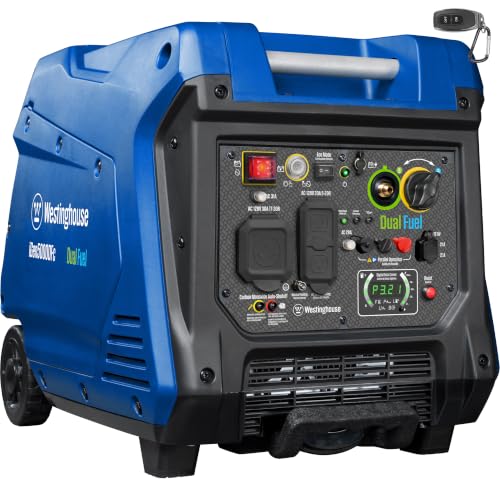
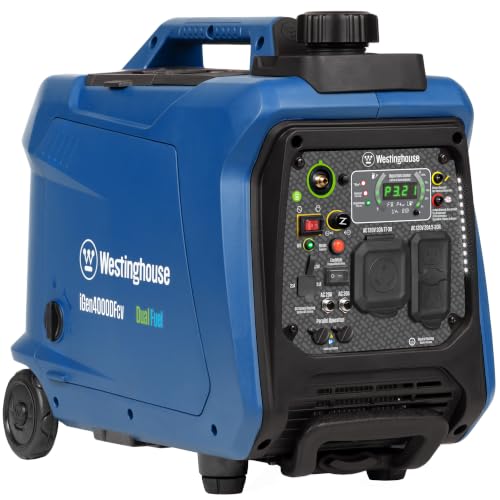
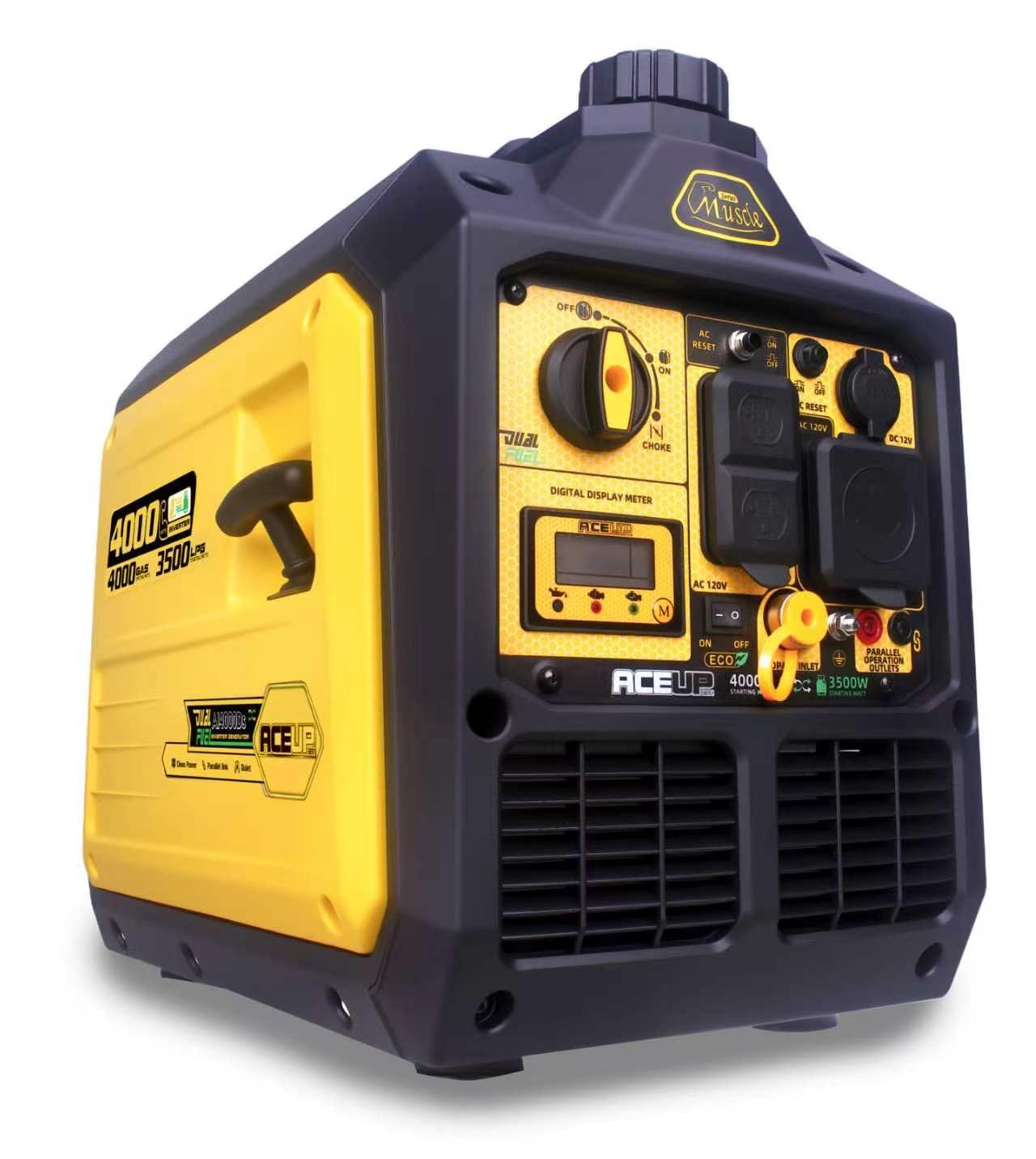



Portable Generators 101: The Basics
A portable generator is a gas, propane or dual fuel engine connected to an alternator that produces household style AC power, mounted on a frame you can wheel or carry to where you need it. Most run between about 2,000 and 15,000 watts.
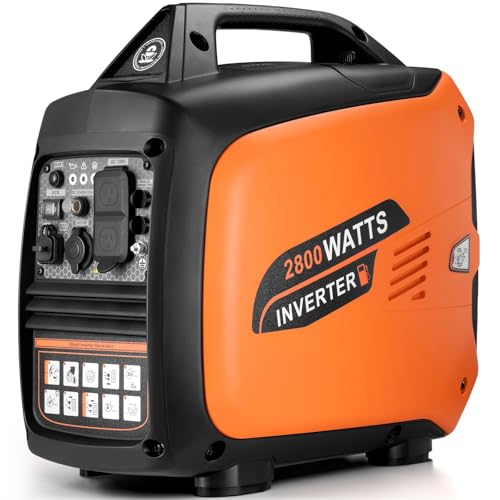
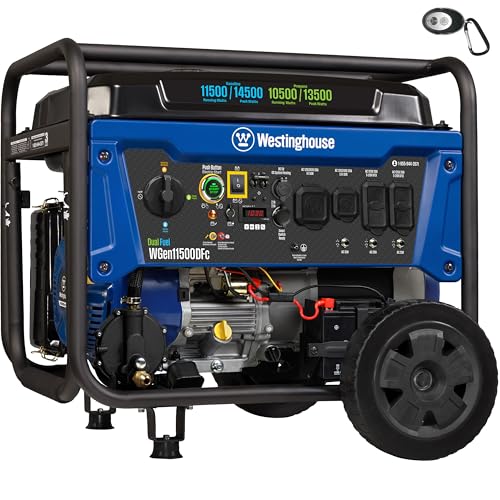
There are two main designs. Conventional (open frame) generators run their engines at a constant speed and deliver the most watts per dollar, which makes them popular for home backup. Inverter generators convert power electronically, throttle the engine up and down with demand and produce cleaner, quieter power that is safe for electronics, at a higher price per watt. Portable power stations are a third option: battery packs with an inverter that recharge from wall outlets or solar panels and run silently indoors, but store far less energy.
Every fuel burning generator produces carbon monoxide, an odorless gas that can kill within minutes. Portable generators must only be run outdoors, at least 20 feet from the home with the exhaust pointed away from doors, windows and vents, and never in a garage, basement, porch or shed, even with doors open.
Key Specs of Portable Generators Explained in Plain English
These are the specs that decide whether a portable generator will actually run what you need, for as long as you need.
Wattage: Starting vs Running
Running (rated) watts are what a generator can supply continuously. Starting (peak or surge) watts are a short burst for motors that draw extra power when they start, such as refrigerators, sump pumps, well pumps and air conditioners. To size a generator, add up the running watts of everything you want to run at once, then add the single largest starting surge. A typical refrigerator uses about 700 running watts and 2,200 starting watts; a sump pump about 800 running and 1,300 to 2,000 starting; a window air conditioner around 1,000 to 1,500 running. Essentials for most homes fit within 3,500 to 7,500 running watts, while running a central air conditioner and well pump together often needs 9,000 watts or more.
Measuring for Size and Portability
Portable does not always mean light. Small inverter generators of 2,000 to 2,500 watts weigh about 40 to 55 pounds and can be carried by one person. Mid size units of 3,500 to 5,000 watts weigh 90 to 140 pounds and come with wheel kits. Large home backup units above 9,000 watts can weigh over 200 pounds and need a level path to roll on. Measure where you will store it, how far you will move it and whether you can lift it into a truck or onto a trailer.
Generator Type: Portable, Inverter, Standby or Power Station
Conventional portable generators are the value choice for home backup. Inverter generators are best for camping, RVs, tailgating and sensitive electronics. Standby generators are permanently installed, run on natural gas or propane and start automatically during outages, but cost several thousand dollars installed. Solar power stations suit apartments, short outages and quiet camping. Our best portable solar generators guide covers battery options in detail.
Fuel Type: Gasoline, Propane, Dual Fuel, Natural Gas or Solar
Gasoline is easy to buy and delivers full rated power, but it goes stale in a few months without stabilizer and is hard to find after big storms. Propane stores for years without degrading and burns cleaner, but produces roughly 10% less power and uses bulky tanks. Dual fuel generators run on either and give you flexibility during long outages. Tri fuel models add natural gas through a home connection. Solar charging is silent and fuel free but slow. For home backup, dual fuel is the most flexible choice for first time buyers.
Battery Capacity and Solar Input for Power Stations
If you consider a battery power station, compare capacity in watt hours (Wh) and output in watts. A 1,000 Wh station can run a 100 watt load for about eight to nine hours after inverter losses, or a refrigerator for several hours depending on its cycle. Solar input ratings tell you how fast it recharges: a 400 watt solar input might refill a 1,000 Wh battery in three to four hours of strong sun. LiFePO4 batteries last thousands of charge cycles and are the preferred chemistry.
Noise Level (dBA)
Noise is measured in decibels at about 23 feet. Inverter generators run around 48 to 60 dBA at light load, similar to normal conversation, while conventional open frame generators often run 68 to 75 dBA or more, closer to a busy street. Every 10 dBA increase sounds roughly twice as loud. Campgrounds and HOAs often have noise limits, so check before buying.
Runtime and Fuel Efficiency
Runtime is usually listed at 25% or 50% load. A 9,000 watt conventional generator with a 6 to 7 gallon tank may run 10 to 12 hours at 25% load; a 2,200 watt inverter with a one gallon tank may run 3 to 8 hours. Inverter generators with eco mode can use up to about 40% less fuel at light loads. Plan for about 12 to 20 gallons of gasoline per day for a mid size generator during a long outage, and store fuel safely in approved containers.
Outlets, Start Type and Safety Features
Look for the outlets your plan requires: standard 120V duplex outlets, a TT-30R for RVs and an L14-30R or 14-50R 240V outlet for transfer switches. Electric or remote start is far easier than pull cords, especially in cold weather. A CO sensor that shuts off the engine when carbon monoxide builds up is an important safety feature. Low oil shutdown protects the engine, and a fuel gauge plus an hour meter make maintenance easier.
What Can Portable Generators Run? Typical Wattage Needs
Knowing typical appliance loads makes sizing much easier. These are common approximate figures; check the labels on your own appliances for exact numbers.
- Refrigerator: about 700 running watts, up to 2,200 starting watts.
- Chest freezer: about 500 running watts, 1,500 starting watts.
- Sump pump (1/2 HP): about 1,000 running watts, 2,000 starting watts.
- Well pump (1 HP, 240V): about 1,500 to 2,000 running watts, 3,000 or more starting watts.
- Furnace blower (1/2 HP): about 800 running watts, 2,300 starting watts.
- Window air conditioner (10,000 BTU): about 1,200 running watts, 3,600 starting watts.
- Microwave (1,000 W): about 1,000 running watts.
- Coffee maker: about 800 to 1,200 running watts.
- Space heater: about 1,500 running watts.
- LED lights, modem, router and phone chargers: under 200 watts combined.
- Laptop or TV: about 50 to 200 watts each.
As an example, a refrigerator, sump pump, furnace blower, lights and internet together need roughly 2,700 running watts. Add the largest starting surge of about 2,300 watts and a 5,000 to 6,000 watt generator covers this comfortably. Staggering when motors start, rather than switching everything on at once, lets a smaller generator handle the same loads.
Rookie Mistakes to Avoid
Most first time generator problems come from sizing errors and unsafe connections.
- Running it too close to the house: keep generators at least 20 feet away with exhaust pointed away from openings, and install battery powered CO alarms indoors.
- Backfeeding through a dryer outlet: plugging a generator into a wall outlet can electrocute utility workers and damage your home. Use a transfer switch or interlock installed by a licensed electrician.
- Undersizing: forgetting starting watts for refrigerators and pumps leads to tripped breakers.
- Storing untreated gasoline: stale fuel is the most common reason generators fail to start after months in storage.
- Using thin extension cords: undersized cords overheat. Use outdoor rated, heavy gauge cords sized for the load.
- Skipping practice runs: start your generator every month or two so you know it works before a storm.
Getting Started: Setup and First Use
Setting up a new portable generator correctly takes about 30 minutes.
- Read the manual and check that all parts and the oil bottle are included.
- Add oil to the correct level before the first start; most ship dry.
- Add fresh fuel with stabilizer, or connect a propane tank with the supplied regulator.
- Place it outdoors on level, dry ground at least 20 feet from the house, protected from rain with a generator tent or cover rated for running use.
- Ground it if required by the manual and local code.
- Start with no load, let it warm up for a few minutes, then connect appliances one at a time, starting with the largest motor load.
- Follow the break in schedule, usually an oil change after the first 5 to 20 hours.
Portable Generator Price Tiers
Price rises with wattage, fuel flexibility and inverter technology.
- Under $500: small inverter generators and basic conventional units around 2,000 to 4,000 watts for camping and light backup.
- $500 to $1,000: 4,000 to 5,000 watt dual fuel inverters and 9,000 watt conventional dual fuel models for home essentials.
- $1,000 to $2,000: 10,000 to 14,500 watt dual or tri fuel generators with transfer switch outlets and electric start, plus premium quiet inverters.
- Over $2,000: large inverter generators and heavy duty home backup units approaching standby levels of power.
FAQs
Do I need a transfer switch?
Yes, if you want to power hardwired circuits like a furnace, well pump or kitchen lights. A manual transfer switch or breaker interlock, installed by a licensed electrician, safely isolates your home from the grid. Without one, you can only run appliances plugged directly into the generator with extension cords.
Can a generator run a refrigerator?
Yes. Most refrigerators need about 700 running watts and up to 2,200 starting watts, so a generator with at least 3,000 starting watts can run one, with capacity left for lights and phone chargers. Run the refrigerator a few hours at a time and keep the door closed to save fuel.
Inverter or conventional: which is better?
Inverter generators are better for quiet operation, fuel efficiency and sensitive electronics, which makes them ideal for camping and RVs. Conventional generators are better for raw power per dollar, making them the value choice for whole home backup. See our best rated inverter generators guide for top inverter picks.
What size generator do I need to power a house?
Most homes can run essentials, including a refrigerator, sump pump, lights, internet and a few outlets, on 3,500 to 7,500 running watts. Adding a well pump, electric water heater or central air conditioning usually requires 9,000 to 15,000 watts plus a transfer switch.
How long can a portable generator run continuously?
A portable generator can run as long as you keep it fueled and maintained, but most run 8 to 18 hours per tank at moderate loads. Shut it off to refuel once the engine cools, and check oil every 8 to 24 hours of continuous use since many engines burn some oil.
Our Verdict
For most first time buyers, a dual fuel generator sized for your essentials, with electric start, a CO shutoff sensor and a transfer switch ready outlet, is the smartest place to start. Choose an inverter model if you value quiet power for camping or electronics, or a large conventional unit if you want to back up more of the house for less money. Size by starting and running watts, plan safe placement and fuel storage, and the best portable generators will keep your home running through the next outage. Compare current models in the product table above, and see our best portable generators for camping for lighter options.


