Best Portable Generators for Camping by Budget: Smart Picks for 2026
Disclosure: We may earn a commission when you buy through links on this page, at no extra cost to you. As an Amazon Associate I earn from qualifying purchases. Learn more

Camping generators by budget, with three picks and the features worth paying for.
Camping generators range from around $400 for a small inverter to well over $1,200 for a premium brand model, and the cheapest choice is not always the smartest. Spending wisely means knowing which features you need at a campsite (low noise, light weight, clean power) and which ones only add cost. This guide sorts the best portable generators for camping by budget so you can see what each price tier delivers.
You will find three top picks, a breakdown of what money buys at each tier, the features worth paying for and the long term costs that many buyers forget.


Top 3 Portable Generators for Camping by Budget
The WEN 56235i is our best budget pick, the Champion 4000-Watt Dual Fuel is the best midrange pick and the Honda EU2200i is the best premium pick.
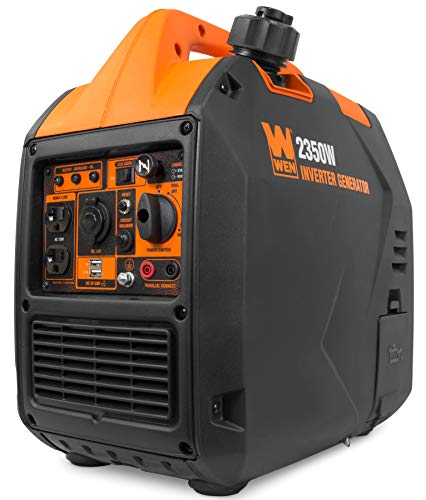
Best Budget Pick: WEN 56235i Super Quiet 2350-Watt Inverter Generator
The WEN 56235i suits tent campers and weekenders who need to charge phones, run lights and power a small fan. At around $429, it produces 2,350 surge watts and 1,900 running watts of clean inverter power safe for electronics.
Its two standout strengths are an ultralight 39 lb body that one person can carry and a fuel shutoff that runs the carburetor dry before storage. It includes two 120V outlets, a 12V DC outlet, two USB ports and a two year warranty. The limitation is that it runs on gasoline only and lacks the CO auto shutoff found on newer models.
Best Midrange Pick: Champion 4000-Watt Dual Fuel RV Ready Inverter Generator
The Champion 4000-Watt suits RV campers and families who need more power. At around $715, it delivers 4,000 starting and 3,000 running watts on gasoline, or 2,700 running watts on propane, rated at 64 dBA from 23 feet.
Its strengths are dual fuel flexibility, with up to 10 hours on gasoline and up to 25 hours on propane, and a TT-30R RV outlet plus CO Shield carbon monoxide auto shutoff. It carries a three year limited warranty. The limitation is its size and weight, which make it less suited to walk in tent sites.

Best Premium Pick: Honda EU2200i Companion Inverter Generator
The Honda EU2200i suits campers who want the quietest, most refined option. At around $1,199, it runs at 48 to 57 dB(A), which Honda says is quieter than normal conversation, and weighs just over 47 lb.
Its strengths are Honda's CO-MINDER carbon monoxide shutoff and Bluetooth app monitoring, plus a built in 30A outlet for RVs and parallel capability. It runs 3.2 to 8.1 hours on its 0.95 gallon tank and has a three year residential warranty. The limitation is the price, and Honda notes this model is not sold in California.

What Your Money Gets You at Each Price Tier
Budget generators cover basic charging and lights, midrange models add power, dual fuel and safety features, and premium models add refinement, quietness and long term reliability.
Budget Tier: What to Expect
Around $400 to $550 buys a 2,000 to 2,500 watt gasoline inverter weighing 39 to 50 lb. Expect clean power for phones, laptops, lights, a fan or a small coffee maker, plus noise levels in the low to high 50s dBA at quarter load. Trade offs include smaller fuel tanks, recoil start only and, on some models, no CO shutoff. These suit tent campers and occasional users.
Midrange Tier: The Sweet Spot for Most Buyers
Around $550 to $900 buys 3,000 to 4,500 watt inverters, often with dual fuel (gasoline and propane), CO auto shutoff, RV outlets and sometimes electric start. They can run a small RV air conditioner or a microwave. Trade offs are weight (often 50 to 100 lb) and size. These suit RV owners and family campers.
Premium Tier: When Spending More Pays Off
Around $1,000 and up buys premium brands such as Honda and Yamaha, known for very quiet operation, smooth power, strong dealer service networks and resale value. Some add app monitoring. Spending more pays off for frequent campers, campgrounds with strict noise rules and buyers who want a generator to last many seasons.
Features Worth Paying For (and Ones to Skip)
When comparing the best portable generators for camping, pay for inverter technology, low noise and CO shutoff; skip oversized wattage and gimmicks you will not use at a campsite.
Features That Matter for Camping
Camping needs differ from home backup. Look for an inverter design with clean power (under 3% total harmonic distortion) for phones and laptops, 2,000 to 3,500 running watts, a weight under about 50 lb for tent camping and noise near 60 dBA or less at 23 feet. A TT-30R outlet matters for RVs, and parallel capability lets two small units combine for more power.
Noise Level (dBA)
Many campgrounds and national parks enforce quiet hours and some set noise limits, often around 60 dBA at a set distance. Inverter generators throttle down at light loads and are much quieter than open frame models. Compare dBA figures at the same distance (usually 23 feet) and load to make fair comparisons.
Measuring for Size and Portability
Measure your vehicle's cargo space and check the generator's dimensions and weight. Units under 50 lb can be carried by one adult; heavier units need wheels and two people. Remember fuel cans, a cover and extension cords take space too. Smaller units are easier to move but deliver less power and shorter run times.
Generator Type (Portable, Inverter, Standby, Solar Power Station)
Inverter generators are best for camping: quiet, efficient and safe for electronics. Conventional open frame portables are louder and suit job sites. Standby generators are permanently installed at homes and are not portable. Solar power stations such as the Jackery Explorer 1000 v2 are silent and fume free, ideal where generators are banned, but limited by battery capacity.
Portability and Safety Features
Carbon monoxide auto shutoff (Champion CO Shield, Honda CO-MINDER) is worth paying for. Always run any fuel generator outdoors, far from tents, RV windows and doors, and follow the manufacturer's instructions. Wheels and folding handles help with heavier units, and electric start helps if pulling a recoil cord is difficult.
Long Term Costs to Factor In
The purchase price is only part of the cost. Budget for fuel (a 2,000 watt inverter uses roughly a gallon over several hours at moderate load), oil changes, spark plugs, a fuel stabilizer, a cover and heavy duty extension cords. Propane adds tank and hose costs but stores more cleanly. Longer warranties (three years on Champion and Honda models) reduce repair risk. Premium brands often cost more upfront but hold resale value.
Portable Generators: Your Questions Answered
What features matter most in portable generators for camping?
Low noise, light weight, clean inverter power and CO shutoff matter most. Look for around 60 dBA or less, a weight you can carry, under 3% THD power for electronics and a carbon monoxide auto shutoff. RV campers should add a TT-30R outlet.
What size generator do I need to power a house?
Powering essential home circuits usually takes 5,000 to 7,500 running watts. Camping generators of 2,000 to 4,000 watts can run a refrigerator, lights and chargers but not a whole house. Home connection needs a transfer switch or interlock installed by a licensed electrician.
Can a generator run a refrigerator?
Yes, most 2,000 watt or larger inverters can run a household refrigerator. A fridge typically needs 700 to 1,200 starting watts and less once running. Check your fridge's label and leave headroom for other devices.
How long can a portable generator run continuously?
Most camping generators run about 4 to 10 hours per tank, depending on load. Small inverters run longer at light loads thanks to eco modes. Propane can extend run time, such as up to 25 hours on the Champion 4000-Watt. Refuel only when the engine is off and cool.
Inverter or conventional: which is better?
An inverter is better for camping. Inverters are quieter, lighter, more fuel efficient and produce clean power for electronics. Conventional generators give more watts per dollar and suit job sites or home backup where noise matters less.
Wrapping Up
Choose an inverter with enough running watts for your gear, keep noise near 60 dBA or below and insist on CO shutoff where possible. Budget campers do well with a 2,000 watt class inverter, RV owners with a midrange dual fuel model and frequent campers with a premium Honda. Keep those points in mind and choosing among the best portable generators for camping becomes simple. Compare current models in the product table above, and see our guide to the best rated inverter generators for more options.