Best Gas for Generators: Everything to Know Before Your First Purchase
Disclosure: We may earn a commission when you buy through links on this page, at no extra cost to you. As an Amazon Associate I earn from qualifying purchases. Learn more

Everything to know about the best gas for generators, from ethanol to stabilizers and storage.
The fuel you put in a generator matters as much as the generator itself. Old, ethanol blended gasoline can gum up a small carburetor in a few months, leaving you with a generator that will not start during the next storm. Choosing the right gas, treating it properly and storing it safely keeps your generator ready. The best gas for generators is fresh unleaded gasoline with the octane your manual specifies, ideally ethanol free or treated with a fuel stabilizer, and stored in approved containers.
This guide explains the basics of generator fuel, the key choices in plain English, rookie mistakes and how to fuel and store your generator safely.


Generator Gas 101: The Basics
Most portable generators run on regular unleaded gasoline, usually 87 octane, with an ethanol content no higher than 10% (E10); many manufacturers recommend ethanol free gas for storage and prohibit E15 or higher blends.
Ethanol absorbs water from the air, and over weeks to months it can separate, leaving a corrosive water and ethanol layer at the bottom of the tank. It also breaks down into varnish that clogs small carburetor jets. That is why fuel stabilizers and ethanol free fuels are so common with small engines.
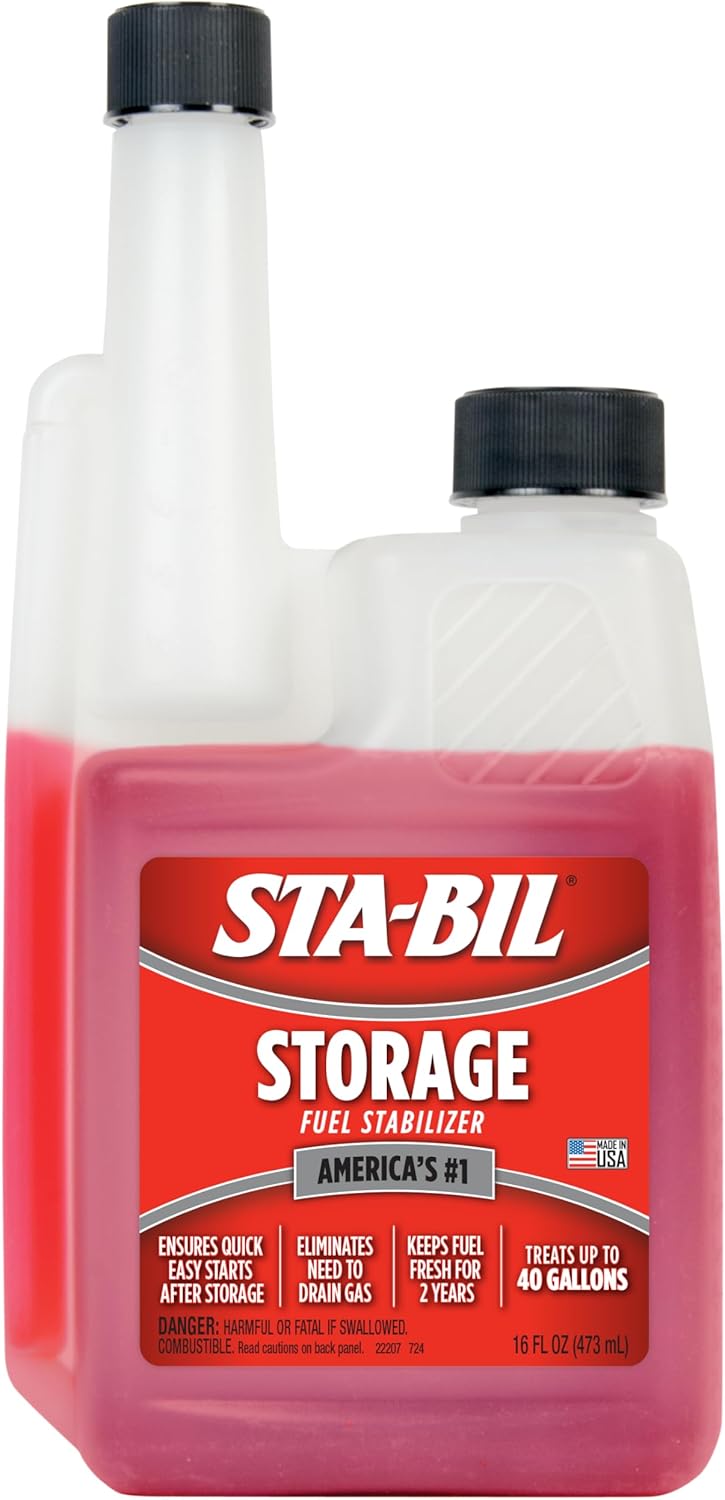
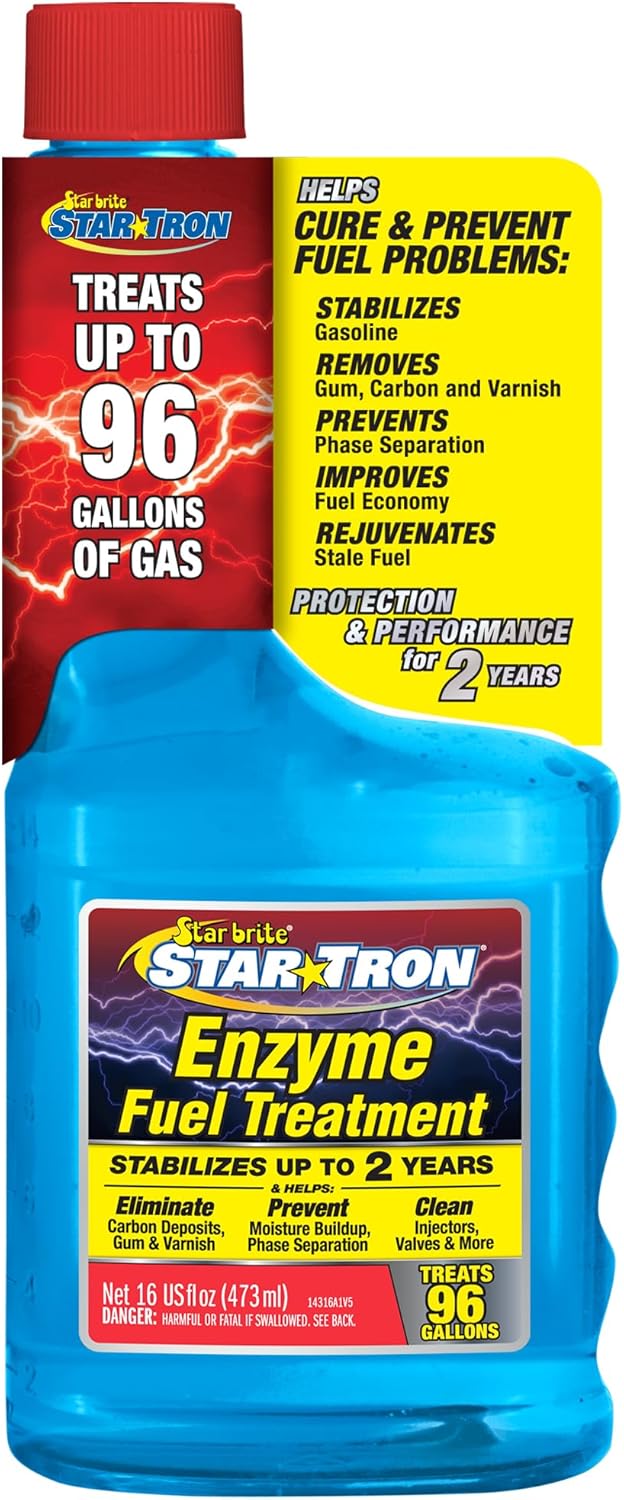
Key options include regular E10 gasoline from the pump, ethanol free gasoline (sometimes called rec fuel), canned premixed small engine fuel such as TruFuel 4 cycle and fuel stabilizers like STA-BIL Storage and Star Tron that slow fuel breakdown.
Key Choices Explained in Plain English
Features That Matter for Generator Fuel
Freshness is the most important factor. Gasoline starts degrading within about a month, faster in heat. Buy only what you will use in 30 days, or treat it with stabilizer when you buy it. Use the octane rating in your manual, usually 87.
Generator Type and Fuel
Portable and inverter generators typically use gasoline, while dual fuel models also run on propane and home standby units use natural gas or propane. Portable power stations use batteries and no fuel at all.
Ethanol Free vs E10
Ethanol free gas stores longer and is gentler on small engine parts, making it ideal for generators that sit unused. E10 is acceptable for regular use if you add stabilizer and do not store it for long. Never use E15 or E85 in small engines unless the manufacturer explicitly allows it.
Fuel Type: Gasoline, Propane, Dual Fuel, Natural Gas
Propane stores indefinitely without degrading, burns cleaner and avoids carburetor gumming, though it delivers about 10% less power. Dual fuel generators let you switch between gas and propane. Natural gas powers standby generators connected to your home's gas line.
Fuel Stabilizers
Fuel stabilizers slow oxidation and help prevent varnish and phase separation. Add them to fresh fuel when you fill the can, not to old fuel. Products like STA-BIL Storage, Star Tron Enzyme Fuel Treatment and Ethanol Shield are widely used for small engines.
Canned Ethanol Free Fuel
Canned fuels such as TruFuel 4 cycle are ethanol free and pre stabilized, storing for years unopened. They cost much more per gallon but are convenient for occasional use and long storage.
Safety Features and Storage
Use approved, labeled gasoline cans with spill proof spouts. Store gas in a cool, ventilated area away from living spaces and ignition sources. Never refuel a hot or running generator.
Gas vs Propane for Generators
Gasoline delivers full rated power and is easy to find, but it degrades and needs stabilizer for storage. Propane stores indefinitely, starts reliably after months of sitting and burns cleaner, but produces about 10% less power and uses more fuel by volume. For emergency preparedness, many owners choose dual fuel generators and keep a full propane tank as backup.
Rookie Mistakes to Avoid
- Storing untreated gas for months: it can gum up the carburetor.
- Using E15 or E85: high ethanol blends can damage small engines.
- Refueling while hot: spilled gas on a hot engine can ignite.
- Leaving fuel in the carburetor during storage: run it dry or use the fuel shutoff.
- Storing gas in unapproved containers: they leak vapors and can degrade.
Getting Started: Fueling and Storage
- Buy fresh fuel from a busy station, ideally ethanol free if available.
- Add stabilizer to the can right away at the dosage on the label.
- Fill the tank outdoors with the generator off and cool.
- Run the generator for a few minutes so treated fuel reaches the carburetor.
- Before storage, either keep the tank full of stabilized fuel or shut off the fuel valve and run the carburetor dry, following the manual.
- Rotate fuel: use stored gas in your car or mower within a few months and replace it.
How Long Does Gas Last?
| Fuel | Typical Storage Life |
|---|---|
| Untreated E10 gasoline | About 1 to 3 months |
| Stabilized gasoline | Up to about 12 to 24 months, depending on product |
| Ethanol free gasoline | Several months untreated, longer with stabilizer |
| Canned premixed fuel (unopened) | Several years |
| Propane | Indefinitely in a sound tank |
Choosing the Best Gas for Generators by Use
The best gas for generators depends on how often you run yours.
- Monthly use or frequent outages: regular E10 from a busy station, stabilized and used within a few months, keeps costs low.
- Emergency backup that sits for months: ethanol free gas with stabilizer, or a dual fuel generator with propane, starts more reliably.
- Rare use or long storage: canned ethanol free fuel or propane avoids stale fuel problems altogether.
- Camping and RV trips: ethanol free gas or propane, depending on what is available on your route.
Signs of Bad Gas in a Generator
- Hard starting or no start: stale fuel often causes this after storage.
- Surging or rough running: partially clogged carburetor jets can make the engine hunt.
- Dark or cloudy fuel: fresh gasoline is clear; dark fuel or a separated layer means it has gone bad.
- Sour smell: degraded gasoline smells like varnish.
If you suspect bad gas, drain the tank and carburetor bowl, refill with fresh fuel and use a carburetor cleaner additive. Severe varnish may require a carburetor cleaning or replacement.
Fuel Can Safety and Storage Rules
Store gasoline only in approved, labeled containers and keep them in a detached shed or well ventilated garage away from heaters, water heaters and pilot lights. Many local fire codes limit how much gasoline you can store at home, often to around 25 gallons in approved containers, so check your local rules. Keep cans out of direct sunlight, close spouts tightly and never store fuel in your home's living space.
Gas for Generators: Your Questions Answered
What gas is best for most generators?
Fresh 87 octane unleaded gasoline with no more than 10% ethanol, treated with a stabilizer, works for most portable generators. Ethanol free gas is even better for storage.
Can I use premium gas in my generator?
You can, but most small engines do not benefit from higher octane. Use what the manual specifies; ethanol content matters more than octane.
Do I need a transfer switch to run my generator?
Only to power household circuits directly. A licensed electrician should install a transfer switch or interlock. Otherwise, use heavy duty extension cords.
Inverter or conventional: does fuel choice differ?
No. Both typically use the same unleaded gasoline. Inverters use less fuel at light loads thanks to eco modes.
How long can a generator run on a tank of gas?
Many portable generators run about 8 to 12 hours per tank at 25 to 50% load, depending on tank size and load.
Can a generator run a refrigerator on gas?
Yes. Most 2,000 watt or larger gas generators can run a refrigerator, which needs about 700 to 1,200 starting watts.
Can I use old gas in a generator?
Gas older than a few months without stabilizer may cause hard starts and carburetor clogs. If it smells sour or looks dark, dispose of it at a hazardous waste site and refill with fresh fuel.
Wrapping Up
The best fuel for most portable generators is fresh, 87 octane gasoline with low or no ethanol, treated with a stabilizer and stored in approved cans. Consider propane or dual fuel for long term readiness, and run your generator monthly. Follow these habits, and the best gas for generators will keep your generator starting reliably when the power goes out. For engine care, see our best oil for generators guide.