
Best Budget Generators: Budget, Midrange, and Premium Picks
Disclosure: We may earn a commission when you buy through links on this page, at no extra cost to you. As an Amazon Associate I earn from qualifying purchases. Learn more

One pick per tier for the best budget generators and the features worth paying for.
A generator does not have to cost a fortune to keep your fridge cold, your phones charged and your lights on during an outage. Budget inverter generators around $400 to $650 now deliver clean power, quiet operation and RV ready outlets that used to cost twice as much. The best budget generators provide enough running watts for your essentials, run quietly enough for neighbors and campgrounds and come from brands that back them with real warranties and support.
This guide gives one pick at each price tier, explains what each tier delivers, which features are worth paying for and the long term costs to plan for.



Top 3 Picks by Budget
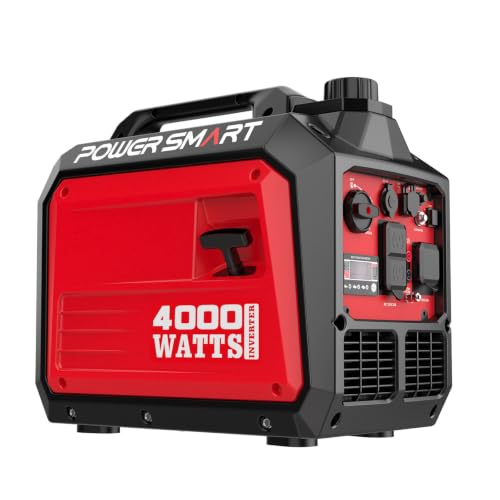
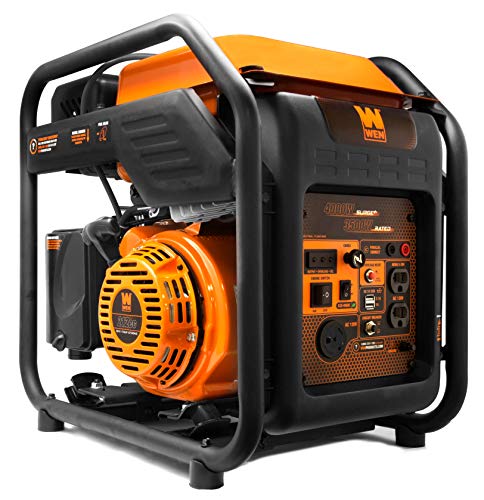
The PowerSmart 4000 Watt Inverter Generator is the best budget pick, the WEN GN400i is the best midrange pick with an RV ready TT-30R outlet, and the Champion 4000 Watt RV Ready Inverter is the best premium pick with CO Shield and a 3 year warranty. Check the product table above for current prices.
| Tier | Product | Key Spec | Best For |
|---|---|---|---|
| Best Budget Pick | PowerSmart 4000 Watt Inverter | 3,200 running watts, 59 dBA at 23 ft, 2 year warranty | Home backup essentials on a budget |
| Best Midrange Pick | WEN GN400i | 3,500 running watts, TT-30R, CARB compliant | RV owners and campers |
| Best Premium Pick | Champion 4000 Watt RV Ready | Under 49 lb, CO Shield, up to 10 hr runtime | Light weight and extra safety |
Best Budget Pick: PowerSmart 4000 Watt Portable Inverter Generator
The PowerSmart 4000 Watt Inverter is the best budget generator, at around $400. It delivers inverter power at an entry price.
- Why it stands out: 4,000 starting watts and 3,200 running watts with THD under 3%, safe for laptops, phones and tablets, and it runs at about 59 dBA from 23 feet.
- Useful outlets: a 120V 20A duplex, a 120V 30A L5-30R twist lock, 12V DC, two USB ports and an eco mode; parallel capable with a second unit (kit sold separately).
- Trade off: it has a 2 year warranty, shorter than some premium brands.
Best for: home outages and camping on a tight budget. Skip it if you need a TT-30R RV plug without an adapter.

Best Midrange Pick: WEN GN400i RV Ready Inverter Generator
The WEN GN400i is the best midrange budget generator, at around $450. It adds more running power and an RV outlet.
- Why it stands out: a 212cc CARB compliant engine produces 4,000 surge watts and 3,500 rated watts of clean power for sensitive electronics.
- RV ready: two 120V 5-20R receptacles, two USB ports and a TT-30R RV receptacle, plus a parallel ready panel.
- Trade off: its open frame design weighs about 66 pounds and is louder than enclosed inverters.
Best for: RV owners and home backup users who want extra running watts. Skip it if you need a light, quiet unit for campsites.

Best Premium Pick: Champion 4000 Watt RV Ready Inverter Generator
The Champion 4000 Watt RV Ready Inverter is the best premium budget generator, at around $635. It adds lighter weight, safety and warranty coverage.
- Why it stands out: at under 49 pounds, Champion says it is one of the lightest 4,000 watt inverters available, with 4,000 starting and 3,000 running watts and up to 10 hours of runtime.
- Safety and support: CO Shield automatically shuts off the engine if carbon monoxide builds up, and it includes a 3 year limited warranty with free lifetime technical support. Outlets include a TT-30R, a 5-20R duplex and a 12V outlet; it runs at 64 dBA from 23 feet.
- Trade off: it costs more than the budget picks and has slightly fewer running watts than the WEN.
Best for: campers, tailgaters and anyone who values portability and CO safety. Skip it if price is your only concern.

What Your Money Gets You at Each Price Tier
Budget Tier: What to Expect
Around $350 to $450 buys 3,000 to 4,000 watt inverter generators with clean power, eco modes and USB ports. Expect shorter warranties, fewer safety features and support from newer brands.
Midrange Tier: The Sweet Spot for Most Buyers
Around $450 to $650 adds RV ready TT-30R outlets, parallel capability, CARB compliance and better known brands. For most buyers, this tier balances price and reliability.
Premium Tier: When Spending More Pays Off
Around $650 to $1,000 brings lighter weight, CO safety shutoff, electric or remote start, dual fuel and longer warranties. It pays off if you use the generator often or need propane flexibility.
Features Worth Paying For (and Ones to Skip)
Generator Type: Inverter vs Conventional
Inverter generators are quieter, more fuel efficient and produce clean power for electronics. Conventional generators cost less per watt but are louder. For most budget buyers, inverters are worth it.
Battery Power Stations
Portable power stations are silent and fume free but much more expensive per watt hour and run high loads for only short periods. Budget buyers needing hours of fridge power get more from a gas inverter.
What You Can Realistically Get on a Budget
Under $650, you can get 3,000 to 3,500 running watts, enough for a fridge, lights, phones, a TV and a sump pump in turns, but not central air or an electric range.
Wattage: Running vs Starting Watts
Add the running watts of what you will use at once and the largest starting surge. A fridge may need about 700 to 1,200 starting watts; a sump pump 1,500 to 2,000.
Runtime and Fuel Efficiency
Look for 8 to 10 hours at 25% load and an eco mode that lowers engine speed at light loads.
Features to Skip
Bluetooth apps and fancy displays are nice but less important than warranty, CO safety and the right outlets.
What Can Budget Generators Power?
The best budget generators in the 3,000 to 3,500 running watt range cover most household essentials when you manage loads carefully.
- Refrigerator: about 100 to 800 running watts, with a brief starting surge.
- Sump pump: about 800 to 1,000 running watts, higher at start up.
- Lights, phones and router: a few hundred watts combined.
- Microwave or coffee maker: about 600 to 1,200 watts; run them one at a time.
- Window air conditioner: smaller units may run, but not alongside other large loads.
Start the largest motor load first, then add smaller devices, and avoid running several high draw appliances at once.
Long Term Costs to Factor In
Budget for fuel, oil changes every 50 to 100 hours, fuel stabilizer, heavy duty extension cords and, for home connection, a professionally installed transfer switch or interlock. A parallel kit costs extra if you later add a second unit.
Generator Safety Basics
Never run a generator indoors, in a garage or near windows. Keep it at least 20 feet from the house with exhaust pointed away, install CO alarms indoors and let it cool before refueling.
FAQs
Inverter or conventional: which is better on a budget?
Inverters are better for most budget buyers because they are quieter, more efficient and safe for electronics. Conventional models offer more watts for the money for job sites.
What size generator do I need to power a house?
A 3,000 to 4,000 watt inverter powers essentials like a fridge, lights and phones. Whole house backup needs much larger generators or standby systems.
How long can a budget generator run continuously?
Many 4,000 watt inverters run about 8 to 10 hours on a tank at light load. Refuel when cool and check oil every 8 hours.
Do I need a transfer switch?
Only to power home circuits directly. Otherwise, plug appliances into the generator with heavy duty cords.
Can a budget generator run a refrigerator?
Yes. A 4,000 watt inverter easily handles a refrigerator's starting surge of about 700 to 1,200 watts.
Are cheap generator brands reliable?
Many newer budget brands perform well, but warranty length, parts availability and support vary. Choose a model with at least a 2 year warranty and accessible customer support, and run it monthly to keep it ready.
Final Thoughts
Choose a budget generator by running watts, outlets and warranty. The PowerSmart 4000 is the budget pick, the WEN GN400i adds RV readiness and more running watts and the Champion 4000 adds light weight and CO Shield. The best budget generators keep essentials running without overspending, so check the product table above for current prices.


