
Best Brands for Generators for 2026: An Honest Comparison
Disclosure: We may earn a commission when you buy through links on this page, at no extra cost to you. As an Amazon Associate I earn from qualifying purchases. Learn more

An honest comparison of the best brands for generators and how to choose by use, warranty and service.
Generator shopping usually starts with a brand name. Some brands are known for whisper quiet inverters, others for big dual fuel units that can back up a whole house, and others for low prices. Brand matters because it affects build quality, parts availability, service networks and warranty support long after you buy. The best brands for generators combine reliable engines, honest power ratings, useful safety features and support you can actually reach when something goes wrong.
This guide explains what separates a great generator brand from an average one, compares seven well known brands side by side and shows how to choose between them for camping, RVs and home backup.



What Makes a Great Generator Brand?
A great generator brand builds engines that start reliably after months in storage, publishes realistic running and starting watt ratings, offers parts and service nationwide and backs its products with a clear warranty.
Look for brands that list both running and starting watts, include CO safety shutoff features on newer models, sell replacement parts like carburetors and air filters directly and have authorized service centers. Customer support response times and owner manuals with clear maintenance schedules are also signs of a brand that stands behind its generators.
Fuel Type (Gasoline, Propane, Dual Fuel, Natural Gas, Solar)
Strong brands offer a range of fuel options. Gasoline gives full output and is easy to find. Propane stores indefinitely and burns cleaner, with roughly 10 percent less output. Dual and tri fuel models add flexibility in emergencies. Natural gas is used by home standby units, and battery power stations recharge from solar panels.
Generator Type (Portable, Inverter, Standby, Solar Power Station)
Inverter generators produce clean, stable power for electronics and run quietly, which suits camping and RVs. Conventional open frame portables deliver the most watts per dollar for home backup and job sites. Standby generators are permanently installed and start automatically during outages. Portable power stations are silent battery units for light loads.
Transfer Switch and Home Connection
Brands focused on home backup offer transfer switch compatible outlets such as L14-30 and 14-50 receptacles. Never backfeed a house through a wall outlet. A licensed electrician should install a transfer switch or interlock kit for safe home connection.
Top Brands for Generators at a Glance
Among the best brands for generators, Honda leads for quiet, durable inverters, Champion and Westinghouse for feature rich value, Generac for home backup, DuroMax for high output dual fuel units and WEN for budget inverters.
| Brand | Known For | Typical Price Range | Best For |
|---|---|---|---|
| Honda | Quiet, reliable inverters | Premium | Camping, RVs, long life |
| Champion | Dual and tri fuel, value | Mid range | Home backup and RVs |
| Generac | Home standby and portables | Mid to premium | Whole home backup |
| Westinghouse | Remote start, quiet inverters | Mid range | RVs and home use |
| DuroMax | High wattage dual fuel | Mid range | Large home loads |
| WEN | Affordable inverters | Budget | Occasional use |
| Predator / others | Low prices through retail stores | Budget | Job sites and backups |
1. Honda
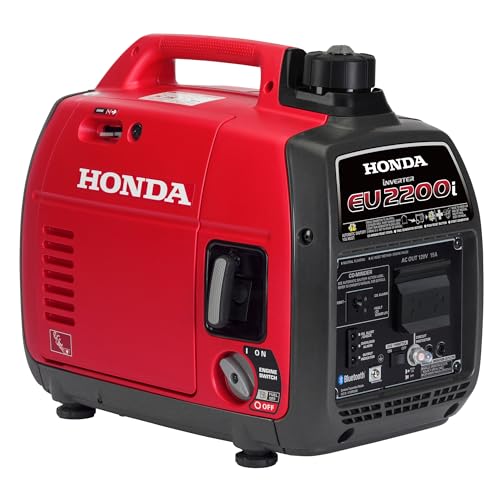
Honda is the benchmark brand for quiet, dependable inverter generators. Models like the Honda EU2200i, a 2,200 watt inverter, are popular with campers and RV owners for their low noise, fuel efficiency and long service life. Honda's large dealer network makes parts and service easy to find. The trade off is price: Honda costs noticeably more per watt than most competitors.
2. Champion Power Equipment
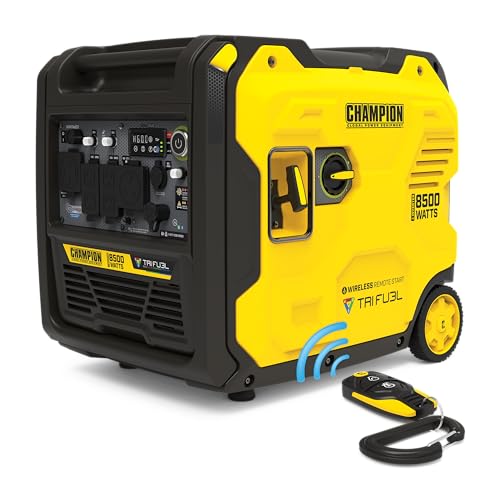
Champion offers a wide lineup from small inverters to 11,000 watt dual and tri fuel portable inverters with remote start. It is known for strong value and features like electric start and CO safety systems. Champion suits buyers who want home backup or RV power with fuel flexibility at a mid range price.
3. Generac
Generac is best known for home standby generators that start automatically during outages, and it also sells portable and inverter models, including 5,200 watt dual fuel inverters and tri fuel portables. Its installer network supports standby systems. Generac suits homeowners planning whole home or large partial backup.
4. Westinghouse
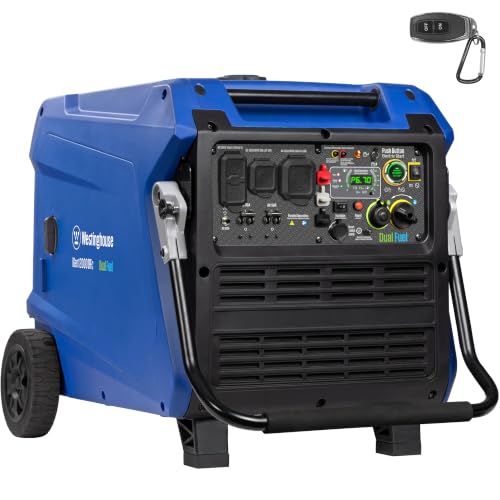
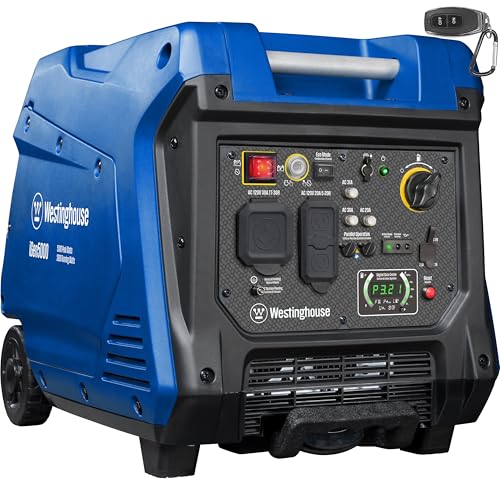
Westinghouse portable generators and inverters are popular for remote electric start, RV ready outlets and quiet operation at competitive prices. Many models include multi year coverage. Westinghouse suits RV owners and homeowners who want convenience features without Honda pricing.
5. DuroMax
DuroMax focuses on high output dual fuel generators, including 12,000 and 13,000 watt models designed for whole home backup through a transfer switch. They deliver a lot of power per dollar but are heavy and loud compared with inverters. DuroMax suits homeowners who need to run central systems during outages.
6. WEN
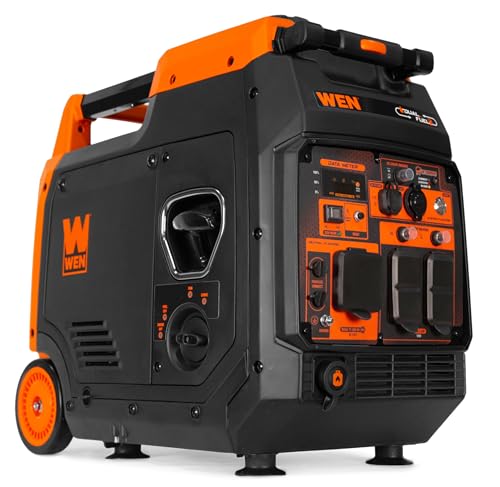
WEN makes affordable inverter generators from about 2,000 to 6,800 watts, including RV ready and dual fuel models with fuel shutoff features. WEN suits budget buyers and occasional users who want inverter power without a big investment.
7. Other Value Brands
Store brands and newer online brands often offer low prices and generous wattage. They can work well for occasional use, but check parts availability, warranty terms and whether ratings are realistic before buying.
How to Choose Between Generator Brands
Start with what you need to power. For camping, tailgating and RVs, prioritize quiet inverter brands like Honda, Westinghouse, Champion and WEN. For home backup, focus on brands with high output dual fuel models and transfer switch ready outlets, such as Generac, Champion and DuroMax.
Then compare warranty length, service centers near you, availability of parts like carburetors and filters, and features like electric start, fuel gauges and CO shutoff. Finally, set a budget: premium brands cost more upfront but often last longer and hold resale value.
Generator Brand Warranties Compared
Warranty terms vary widely between brands and product lines. Residential portable generators commonly carry two to three years of limited coverage, while some value brands offer less. Home standby units often have longer coverage when installed by an authorized dealer. Read what is excluded, such as commercial use, improper storage or stale fuel damage, and register your generator promptly to activate coverage.
Generator Safety Features to Look For
- CO detection and shutoff: automatically turns off the engine if carbon monoxide builds up.
- Low oil shutoff: protects the engine from damage.
- Circuit breakers and GFCI outlets: protect connected devices and users.
- Fuel shutoff valve: lets you run the carburetor dry before storage.
- Parallel capability: lets two smaller inverters combine safely for more power.
Frequently Asked Questions
What is the most reliable generator brand?
Honda is widely regarded as the most reliable brand for inverter generators thanks to its engines, quiet operation and dealer network. For home backup, Generac, Champion and Westinghouse are also well established choices.
Inverter or conventional: which is better?
Inverter generators are better for electronics, camping and RVs because they are quieter, more fuel efficient and produce clean power. Conventional generators are cheaper per watt and better for heavy home backup or job sites.
How long can a generator run continuously?
A portable generator can run as long as it has fuel and oil, often 8 to 18 hours per tank at light load. Shut it down to refuel when cool, and check oil every 8 hours or daily during long outages.
What size generator do I need to power a house?
Essential circuits like a fridge, sump pump, lights and furnace fan usually need about 5,000 to 7,500 running watts. Running central air or an electric range may need 10,000 watts or more, or a home standby system.
Can a generator run a refrigerator?
Yes. Most home refrigerators need about 700 to 1,200 starting watts and 100 to 800 running watts, which a 2,000 watt or larger generator can handle.
Do I need a transfer switch?
Yes, if you want to power household circuits directly. A transfer switch or interlock installed by an electrician prevents dangerous backfeeding. Without one, use heavy duty extension cords to plug appliances into the generator.
The Bottom Line
Choose a generator brand by how you will use it: Honda for quiet, long lasting inverters, Champion and Westinghouse for feature rich value, Generac for home backup, DuroMax for high output dual fuel power and WEN for budget inverters. Compare warranties, service and safety features before buying, and the best brands for generators will keep your power on when you need it most. Check the product table above for current models and prices.


