
Best RV Generators Made Simple: A Clear Buying Guide
Disclosure: We may earn a commission when you buy through links on this page, at no extra cost to you. As an Amazon Associate I earn from qualifying purchases. Learn more

A plain English guide to the best rv generators: sizing for your AC, inverter power, fuel, noise and safe setup.
Campgrounds with full hookups are not always available, and boondocking in a state forest or a Walmart lot means your RV runs on batteries until they die. A generator keeps the air conditioner, microwave, coffee maker and fridge running wherever you park. For first time buyers, though, terms like starting watts, THD, 30 amp and parallel kits can be confusing. The best rv generators deliver enough clean power for your rig, run quietly enough for campground rules and sip fuel through a long night.
This guide explains the basics in plain English, covers sizing, connections, runtime and clean power, lists rookie mistakes and walks through safe setup.
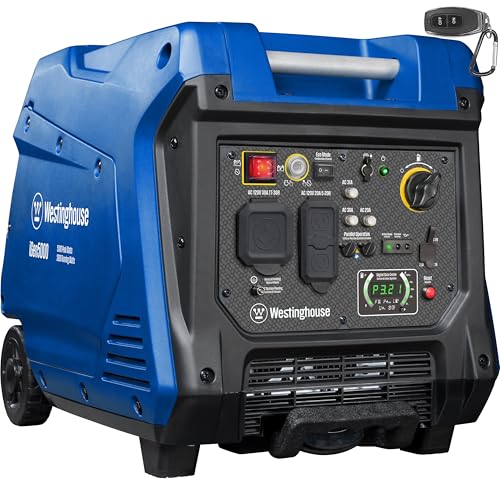
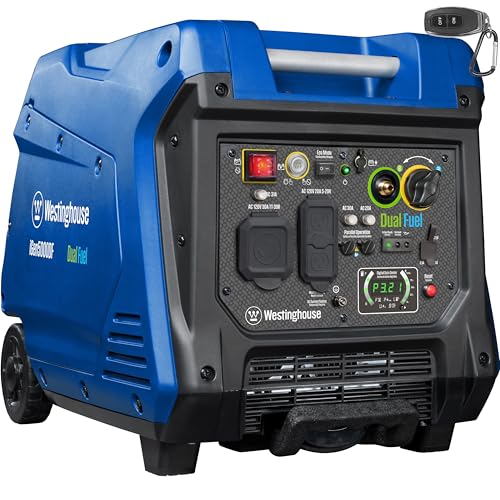
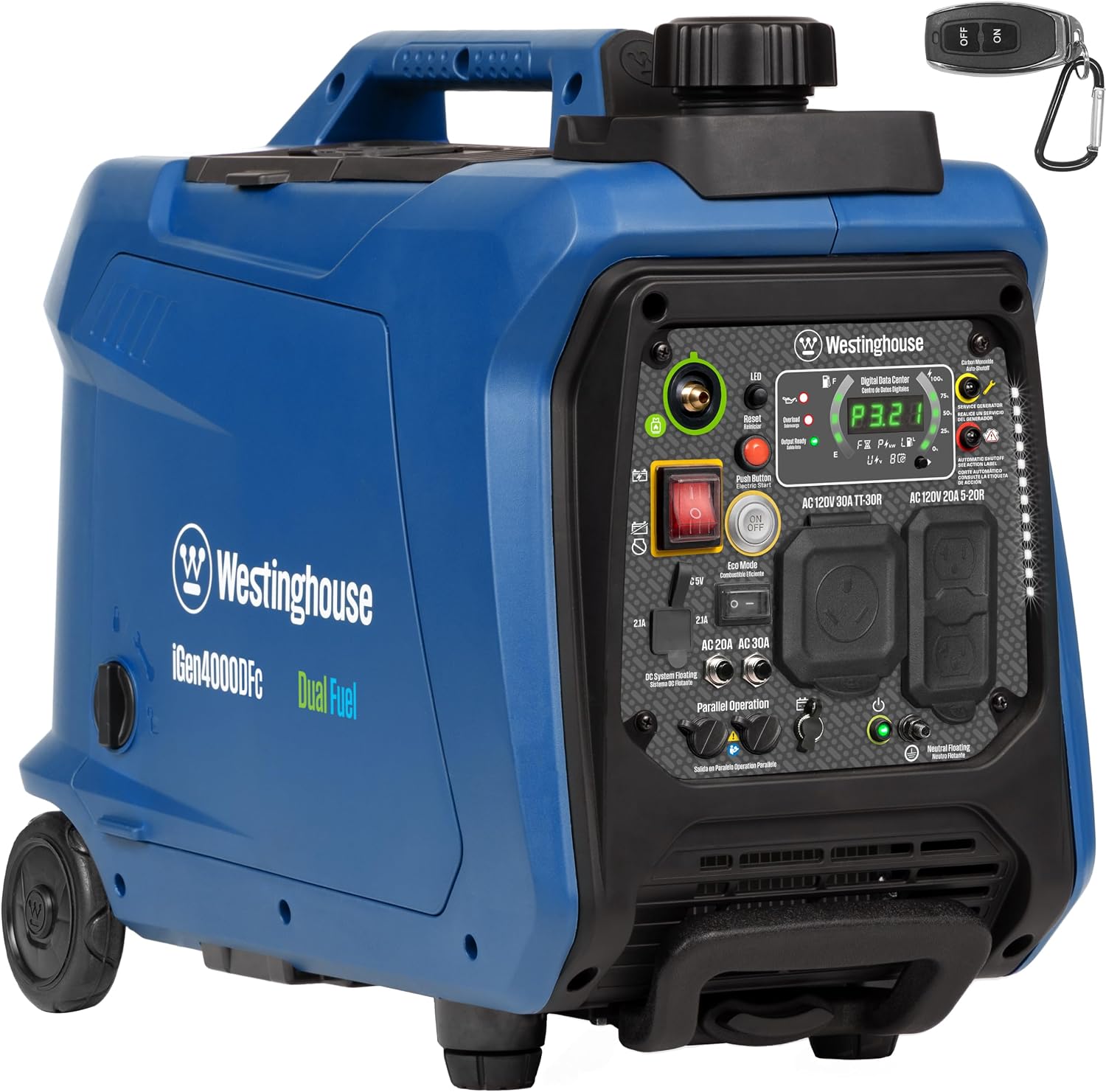
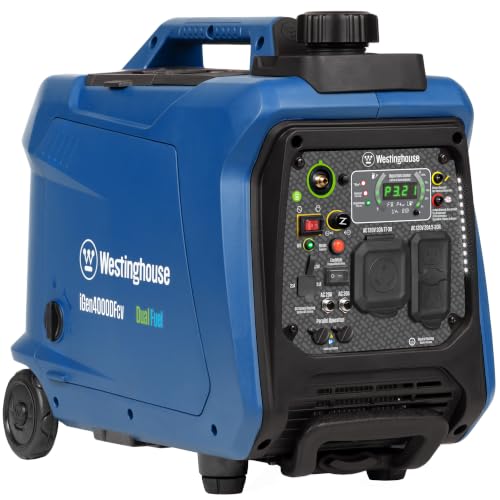


RV Generators 101: The Basics
An RV generator is a gas, propane or diesel engine paired with an alternator that produces 120 volt AC power, either built into the RV (an onboard generator) or carried separately (a portable generator) and plugged into the RV's shore power inlet.
Most towables and many smaller motorhomes use portable inverter generators. Larger Class A and Class C motorhomes often have onboard generators, typically 4,000 to 7,000 watts, that start from a switch inside the coach.
A few terms come up constantly. Running watts are the steady power a generator delivers. Starting watts (or peak watts) are short bursts for motors like AC compressors. 30 amp and 50 amp refer to your RV's electrical service. A TT-30R outlet is the RV style plug on many generators. Dual fuel means the generator runs on gasoline or propane. Parallel capability lets you link two smaller generators for more power.
Key Specs Explained in Plain English
Five specs decide whether a generator can run your RV comfortably.
Generator Type: Portable, Inverter, Onboard or Solar Power Station
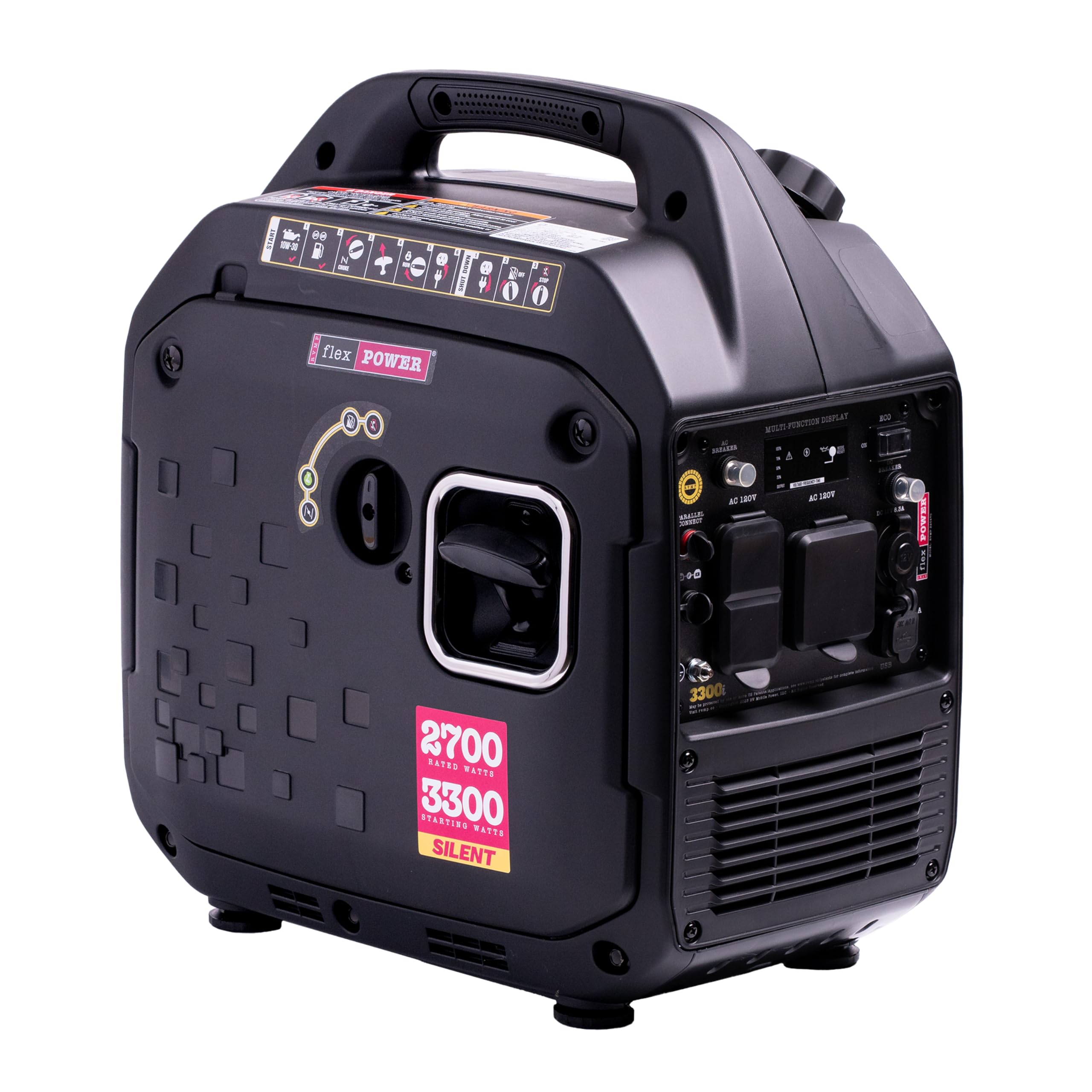
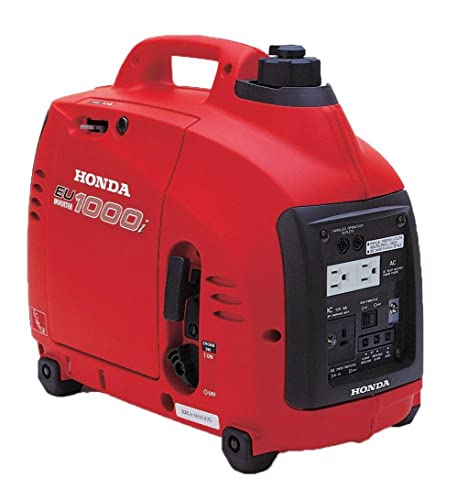
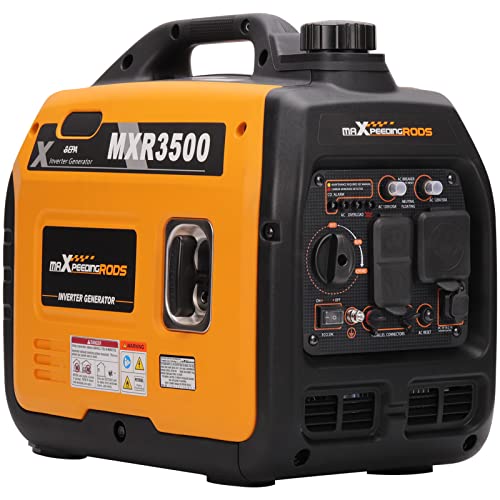
Inverter generators are the best choice for most RVers. They produce clean, stable power, throttle down at light loads to save fuel and run much quieter than conventional generators, often around 50 to 60 decibels.
Conventional open frame portable generators give more watts per dollar but are loud, around 70 decibels or more, and their power is less clean. Onboard generators are convenient but costly. Portable solar power stations are silent and fume free but usually cannot run a rooftop AC for long without a large battery and panel array.
Wattage: Running vs Starting Watts
Add up the running watts of everything you will use at once, then add the largest starting surge. A 13,500 BTU rooftop AC needs roughly 1,300 to 1,800 running watts and 2,500 to 3,500 starting watts. A microwave uses about 1,000 to 1,500 watts, a coffee maker about 800 to 1,200 and an RV fridge on electric about 300 to 600.
| RV Setup | Typical Generator Size |
|---|---|
| Small trailer, no AC (lights, fans, phone, TV) | 1,000 to 2,000 watts |
| 30 amp RV with one 13,500 BTU AC | 3,000 to 4,000 watts |
| 30 amp RV, AC plus microwave at once | 4,000 to 5,000 watts |
| 50 amp RV with two AC units | 6,000 to 8,000 watts or two parallel units |
RV Connection and Transfer Switch
Most portable generators connect through the RV's shore power cord. A 30 amp RV plugs into a TT-30R outlet on the generator. A 50 amp RV needs a 14-50R outlet, or a 50 to 30 amp adapter with reduced capacity.
Many RVs include an automatic transfer switch that selects shore or generator power, so you never run both at once. For homes, never plug a generator into a wall outlet; use a professionally installed transfer switch or interlock to avoid dangerous backfeeding.
Runtime and Fuel Efficiency
Runtime is usually listed at 25 percent load, which flatters the number. A 3,000 to 4,000 watt inverter generator commonly runs around 8 to 18 hours on a full tank at quarter load, but running an AC at half load or more can cut that to around 5 to 8 hours.
Propane runs cleaner and stores indefinitely but produces about 10 percent less power. An eco or economy mode lowers engine speed at light loads for longer runtime and less noise.
Clean Power (THD) for Electronics
Total harmonic distortion (THD) measures how smooth the power is. Inverter generators typically produce under 3 percent THD, which is safe for laptops, phones, TVs and the RV's control boards and converter.
Conventional generators can exceed 5 to 9 percent THD, which may cause electronics to run hot or malfunction. For an RV full of electronics, inverter power is worth the extra cost.
Noise Level and Campground Rules
Many national and state park campgrounds limit generator noise to around 60 decibels at 50 feet and restrict running hours. Quiet inverter generators meet these limits, while open frame models often do not. Check rules before you go.
Gasoline vs Propane vs Diesel for RV Generators
Gasoline is the most common RV generator fuel, propane is the cleanest and easiest to store, and diesel suits large diesel pusher motorhomes.
- Gasoline: widely available and gives full rated output, but it goes stale in a few months without stabilizer and is messy to pour at a campsite.
- Propane: stores indefinitely, burns cleaner and can share your RV's LP tanks with an extension hose. Expect roughly 10 percent less output and higher fuel use by volume.
- Dual fuel: lets you switch between gas and propane, which adds flexibility when one fuel is hard to find.
- Diesel: very efficient and durable for onboard generators in diesel coaches, but portable diesel units are heavy, loud and expensive.
Maintenance on the Road
A little routine care keeps an RV generator starting reliably on every trip.
- Check oil before each trip and top it up; small engines can burn oil under heavy AC loads.
- Change oil on schedule, often every 50 to 100 hours after break in.
- Clean the air filter after dusty campsites to keep power output up.
- Exercise it monthly for 20 to 30 minutes with a load to keep the carburetor and alternator healthy.
- Carry a spare spark plug and funnel, since both are cheap and easy to forget.
One Large Generator or Two in Parallel?
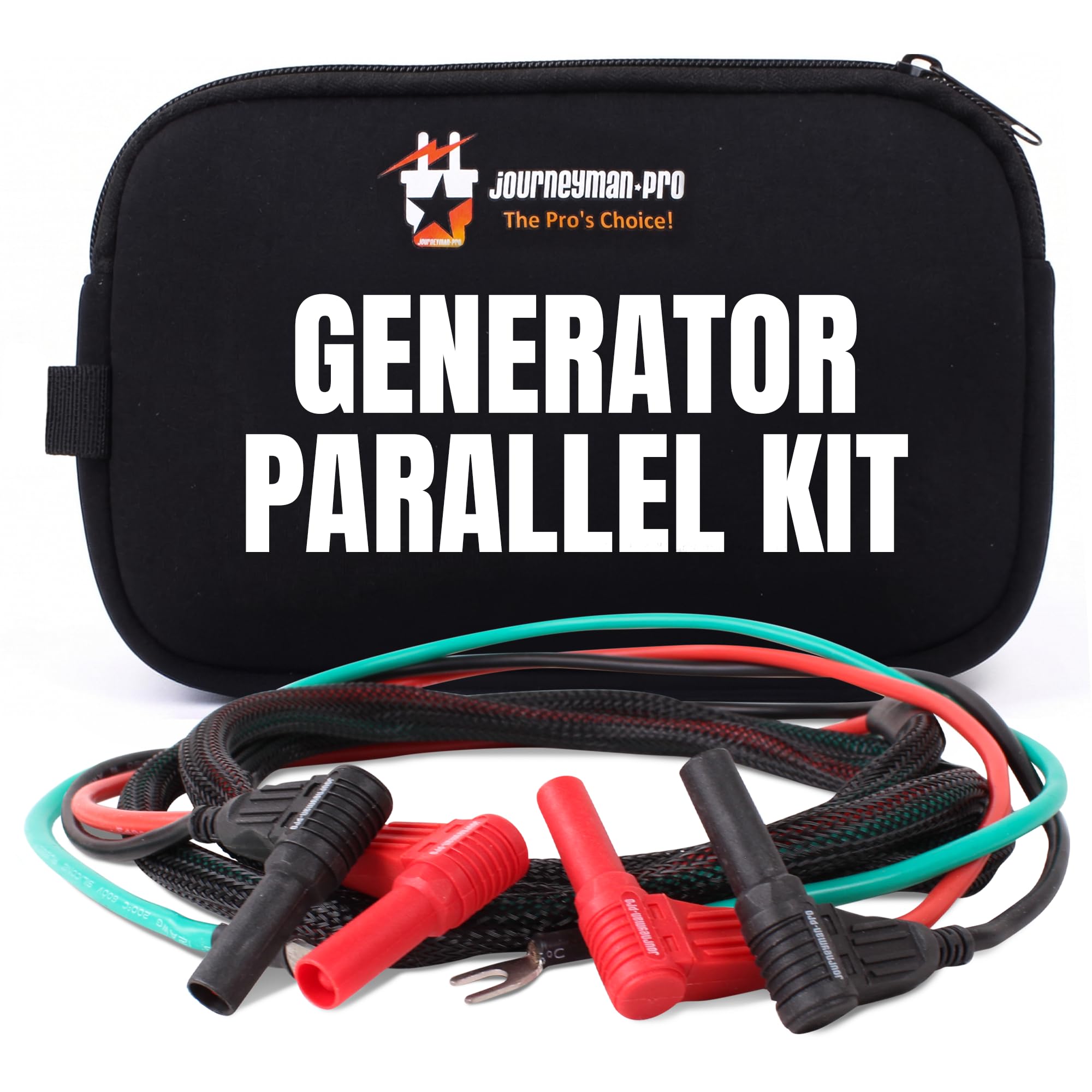
Two smaller inverter generators linked with a parallel kit can match one larger unit. The benefit is flexibility: carry one for small loads and both when you need AC. Each unit is lighter to lift into a truck bed. The downside is more cost, two engines to maintain and more cables. A single 4,000 to 5,000 watt inverter is simpler for most 30 amp trailers.
Rookie Mistakes to Avoid
- Undersizing for the AC: starting surge, not running watts, decides whether the AC starts.
- Buying a loud open frame model: it may break campground noise rules and annoy neighbors.
- Forgetting the outlet type: make sure the generator has a TT-30R or the right adapter for your RV.
- Ignoring weight: 4,000 watt inverters often weigh 90 to 120 pounds, so look for wheels and handles.
- Storing old gasoline: stale fuel gums up carburetors; use stabilizer or run the carburetor dry.
Getting Started: Setup and First Use
- Read the manual: add oil (most ship dry), check fuel type and learn the controls.
- Never run a gas generator indoors, in a garage or under an awning: carbon monoxide can kill quickly.
- Keep it 20+ feet from doors, windows and vents: point the exhaust away from your RV and neighbors.
- Check your CO detector: make sure the RV's carbon monoxide alarm works before running the generator.
- Start with no load: let it warm up for a minute, then plug in the RV and switch on appliances one at a time.
- Use eco mode: enable it for light loads to save fuel and reduce noise.
- Break it in: follow the manual's first oil change interval, often after the first 5 to 25 hours.
How Much to Spend on the Best RV Generators
Most RVers spend about $500 to $1,000 on the best rv generators for a 30 amp rig, which buys a quiet 3,000 to 5,000 watt inverter model.
- Under $500: 2,000 to 3,500 watt inverters for small trailers or to pair in parallel. Check noise and warranty.
- Around $600 to $1,000: 4,000 to 5,000 watt inverters with electric or remote start, dual fuel and TT-30R outlets. The sweet spot for most 30 amp RVs.
- Over $1,000: premium brand inverters and higher output models for 50 amp coaches, plus onboard generator replacements.
FAQs
Can a generator run an RV refrigerator?
Yes. An RV fridge on electric mode uses about 300 to 600 watts, which almost any generator can handle. Residential fridges in newer RVs need more, around 700 to 1,200 starting watts, which a 2,000 watt or larger inverter generator covers.
Do I need a transfer switch?
Most RVs already have one built in, so you simply plug the shore power cord into the generator. For powering a house, you need a professionally installed transfer switch or interlock to prevent dangerous backfeeding into utility lines.
How long can an RV generator run continuously?
A portable generator can run as long as it has fuel and oil, often 8 to 18 hours per tank at light load. Shut it down to refuel when cool and check oil every 8 hours or daily during long runs.
Inverter or conventional: which is better for RVs?
Inverter generators are better for RVs because they are quieter, more fuel efficient and produce clean power under 3 percent THD for electronics. Conventional generators cost less per watt but are louder and less suitable for campgrounds.
What size generator do I need for a 30 amp RV?
A 30 amp RV can draw up to 3,600 watts, so a generator with about 3,000 to 4,000 running watts covers one AC plus small appliances. Choose about 4,500 to 5,000 starting watts if you want to run the AC and microwave together.
The Bottom Line
Size your generator for the AC's starting surge, choose an inverter for clean, quiet power and confirm the RV outlet and campground noise rules. For most 30 amp trailers, a 4,000 to 5,000 watt dual fuel inverter is the sweet spot. Follow carbon monoxide safety every time, and the best rv generators will keep you comfortable far from hookups. Check the product table above for current models and prices, and see our best inverter generators for RV guide for more options.


