
Best Stihl Saws: Every Type Explained Side by Side
Disclosure: We may earn a commission when you buy through links on this page, at no extra cost to you. As an Amazon Associate I earn from qualifying purchases. Learn more

Every type of Stihl saw compared, with how to choose by job, power source and bar length, plus safety and care tips.
Stihl is one of the best known names in outdoor power equipment, and its saws range from compact battery pruners for backyard branches to professional gas chainsaws used by arborists and loggers. Choosing among them can be confusing because Stihl sorts models by user type, power source and bar length. The best stihl saws for you depend on what you cut, how often you cut and whether you prefer the convenience of battery power or the endurance of gas.
This guide explains every type of Stihl saw side by side, compares pro gas saws with cordless battery models and covers how to choose and care for one. Compare current Stihl products in the product table above.






Types of Stihl Saws Compared
Stihl saws fall into a few broad groups: homeowner gas chainsaws, farm and ranch saws, professional saws, battery saws and specialty saws such as pole saws and cut off machines.
DIY and Homeowner Tools
Homeowner gas chainsaws, such as the lightweight MS 162 with a 16 inch bar, are designed for occasional cutting: storm cleanup, limbing, firewood in small amounts and trimming around the yard. They are lighter, simpler and more affordable than pro models, with easy start systems on many versions. They suit suburban properties with a few trees.
Farm and Ranch Saws
Farm and ranch saws offer more power and longer bars for regular firewood cutting, fence line clearing and larger trees. They are heavier than homeowner models but built for more frequent use on rural properties.
Pro Grade Tools
Professional Stihl chainsaws use higher power engines, better power to weight ratios and durable components for daily felling, bucking and arborist work. They often include features like advanced anti vibration systems and electronic engine management. They cost more and require experience to use safely.
Cordless Battery Tools
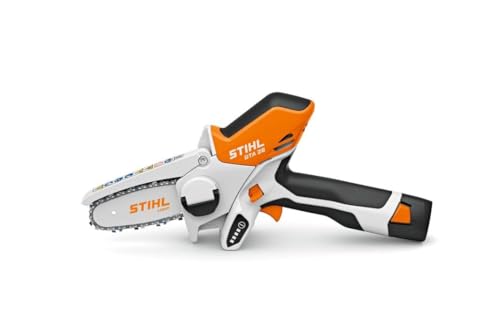
Stihl's battery lineup includes small pruning saws like the GTA 26, compact chainsaws such as the MSA 60 and MSA 120 and more powerful MSA models on the AP battery system. Battery saws start instantly, run quietly and need no fuel mixing, making them ideal for pruning, light limbing and work near homes and neighbors.
Corded and Specialty Tools
Stihl also offers electric corded chainsaws for close to home cutting, pole saws for high branches and cut off saws for concrete and masonry, which require specialized safety training and equipment.
Pro Grade Tools vs Cordless Battery Tools: Which Should You Choose?
Choose a gas pro or farm saw if you cut a lot of firewood, fell trees regularly or work far from power for long stretches. Choose a cordless battery saw if you mainly prune, clean up after storms and cut small to medium limbs near the house.
Gas saws deliver the most power and runtime per tank and refuel in seconds, but they are louder, heavier and need fuel mixing, air filter cleaning and seasonal care. Battery saws are lighter, quieter and nearly maintenance free, but runtime depends on battery capacity, and spare batteries add cost. Many property owners use a battery saw for quick jobs and a gas saw for heavy cutting.
How to Choose the Right Stihl Saw
The right Stihl saw matches your cutting tasks, experience and power preference. These are the factors to compare.
Corded vs Cordless (Battery Platform)
Stihl battery tools use different battery systems, such as AS for small tools, AK for homeowner tools and AP for professional tools. Choose a saw on a platform you can expand with trimmers, blowers and hedge cutters. Gas saws need no batteries but require fuel and oil mix.
Bar Length and Power
Bar length should match the wood you cut: 12 inch bars suit pruning and small limbs, 14 to 16 inch bars handle general yard work and firewood, and 18 to 20 inch or longer bars suit larger trees. More engine displacement or battery voltage provides more cutting power for longer bars.
Warranty and Brand Ecosystem
Stihl sells many products through authorized dealers, who handle assembly, service and warranty support. When buying online, check the seller and warranty terms carefully. A local dealer can also sharpen chains and service the saw.
Accuracy and Control Features
Features like chain brakes, chain catchers, easy chain tensioning and good balance improve control and safety. Low kickback chains and bar designs suit homeowners.
Weight, Ergonomics and Vibration
Lighter saws reduce fatigue, which matters for limbing and overhead cuts. Anti vibration systems reduce hand and arm strain during long sessions. Hold a saw if possible to judge balance.
Stihl Saws for Common Jobs
- Pruning small branches: a compact battery pruner such as the GTA 26, which works one handed on small limbs.
- Light yard cleanup: a small battery chainsaw such as the MSA 60 or MSA 120.
- Storm cleanup and occasional firewood: a homeowner gas saw such as the MS 162 or a mid size battery saw.
- Regular firewood and rural properties: a farm and ranch gas saw with an 18 to 20 inch bar.
- High branches: a Stihl pole saw, used from the ground and kept well away from power lines.
Stihl Battery Systems Explained
Stihl's cordless tools run on separate battery systems, which matters when choosing among the best stihl saws for your yard.
- AS system: small batteries for compact tools like the GTA 26 pruner and small hedge trimmers, great for light jobs.
- AK system: homeowner batteries for saws like the MSA 60 and MSA 120, plus trimmers and blowers.
- AP system: higher capacity professional batteries for more powerful saws and all day use.
Batteries do not cross between systems, so pick the one that covers the tools you plan to buy.
Gas Chainsaw Fuel and Oil
Stihl gas chainsaws use two stroke engines that need gasoline mixed with two cycle engine oil at the ratio in the manual, commonly 50:1. Use fresh fuel within about 30 days or add stabilizer, and consider ethanol free premixed fuel for saws stored for long periods. Fill the bar and chain oil reservoir each time you refuel, since the chain needs constant lubrication.
Chain and Bar Maintenance
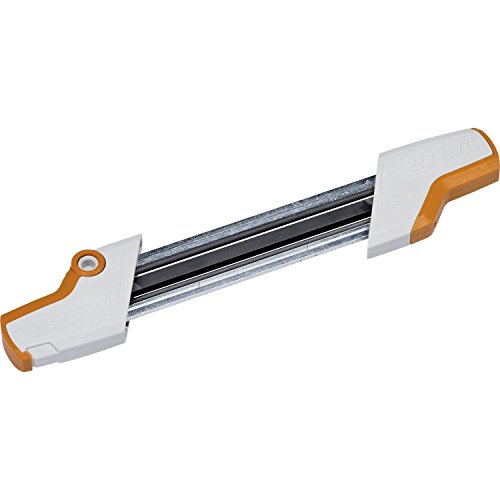
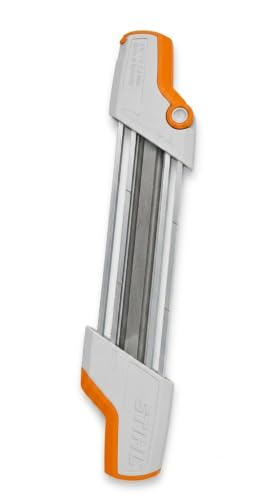
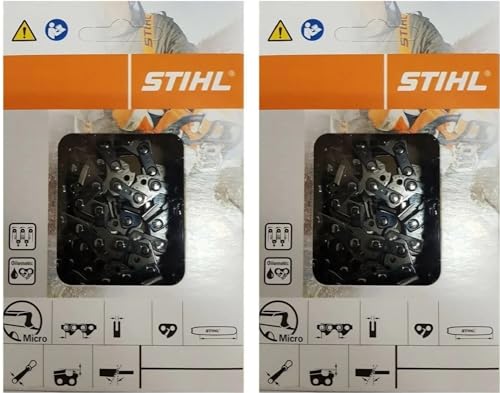
A sharp chain produces chips, not dust, and pulls itself into the wood with little pressure. Sharpen with a round file sized to your chain pitch or a guided sharpener every few tanks of fuel or battery charges, and replace chains when cutters are worn short. Flip the bar periodically for even wear, clean the bar groove and oil holes and check the drive sprocket for wear. Keep chain tension snug so the chain moves freely by hand but does not sag.
Chainsaw Safety Essentials
Chainsaws are among the most dangerous tools a homeowner can use. Read the manual, and wear chainsaw chaps or pants, a helmet with face shield and hearing protection, gloves and sturdy boots. Grip the saw firmly with both hands, cut below shoulder height, watch for kickback at the bar tip and keep bystanders at least two tree lengths away when felling. Never cut while standing on a ladder, and call a professional arborist for large trees or anything near power lines.
Tips to Get the Most From Your Stihl Saw
Keep the chain sharp with a file or the Stihl 2 in 1 Easy File, since a dull chain makes cutting slower and more dangerous. Check chain tension before each use and adjust as the chain warms up. Use fresh fuel with the correct oil mix, or ethanol free premixed fuel, in gas saws. Clean the air filter regularly and keep the bar oil reservoir full. For battery saws, store batteries indoors at moderate temperatures.
Frequently Asked Questions
Is a brushless motor worth it?
Yes. Stihl battery saws use brushless motors that deliver more power, longer runtime and less maintenance than brushed motors, which helps when cutting thicker limbs on a single charge.
Corded or cordless: which is better for DIY?
For most homeowners, a cordless battery saw is easier: it starts instantly, runs quietly and needs little maintenance. Gas saws are better for heavy firewood cutting and remote areas, while corded saws suit small jobs near outlets.
Can I use batteries across brands?
No. Stihl batteries work only with compatible Stihl tools, and even Stihl's AS, AK and AP systems differ. Choose a saw from the battery system you plan to expand.
What specs matter most for home projects?
For home projects, focus on bar length, power source, weight and safety features like chain brakes and low kickback chains. A 12 to 16 inch saw handles most yard cleanup and small firewood jobs.
Why are Stihl saws often sold through dealers?
Stihl distributes many products through independent dealers who assemble, service and support them. Buying from an authorized dealer or verifying warranty coverage online helps ensure you get full support.
What size Stihl chainsaw do I need?
A bar about 2 inches longer than the thickest wood you usually cut works well. For pruning and small limbs, 10 to 12 inches is enough; for storm cleanup and firewood, 14 to 18 inches suits most homeowners.
How long does a Stihl chainsaw last?
With regular maintenance, a homeowner Stihl gas saw can last many years, and pro saws are built for heavy daily use. Keeping the chain sharp, using fresh fuel, cleaning the air filter and storing the saw properly extend its life.
Final Thoughts
Choose a compact battery saw like the GTA 26 or MSA 60 for pruning and light cleanup, a homeowner gas saw like the MS 162 for storm cleanup and occasional firewood and a farm or pro model for regular heavy cutting. Match bar length to your trees, keep the chain sharp and gear up for safety, and the best stihl saws will handle your property for years. See our best track saws guide for precise woodworking cuts.


