
Best Track Saws at Every Price: What Your Money Really Gets You
Disclosure: We may earn a commission when you buy through links on this page, at no extra cost to you. As an Amazon Associate I earn from qualifying purchases. Learn more

Budget, midrange and premium picks for the best track saws, with price tiers, key features and tips for accurate cuts.
A track saw turns a circular saw into a precision tool. The saw rides on a guide rail that you lay directly on the cut line, so you get long, straight, splinter free cuts in plywood, doors and countertops without wrestling full sheets across a table saw. For DIYers with limited shop space, a track saw can replace a table saw for breaking down sheet goods. The best track saws combine accurate rails, smooth plunge action, good dust collection and enough power for hardwoods.
Below are our picks at three budgets, followed by what each price tier gets you, the features worth paying for and long term costs to plan for.





Top 3 Picks by Budget
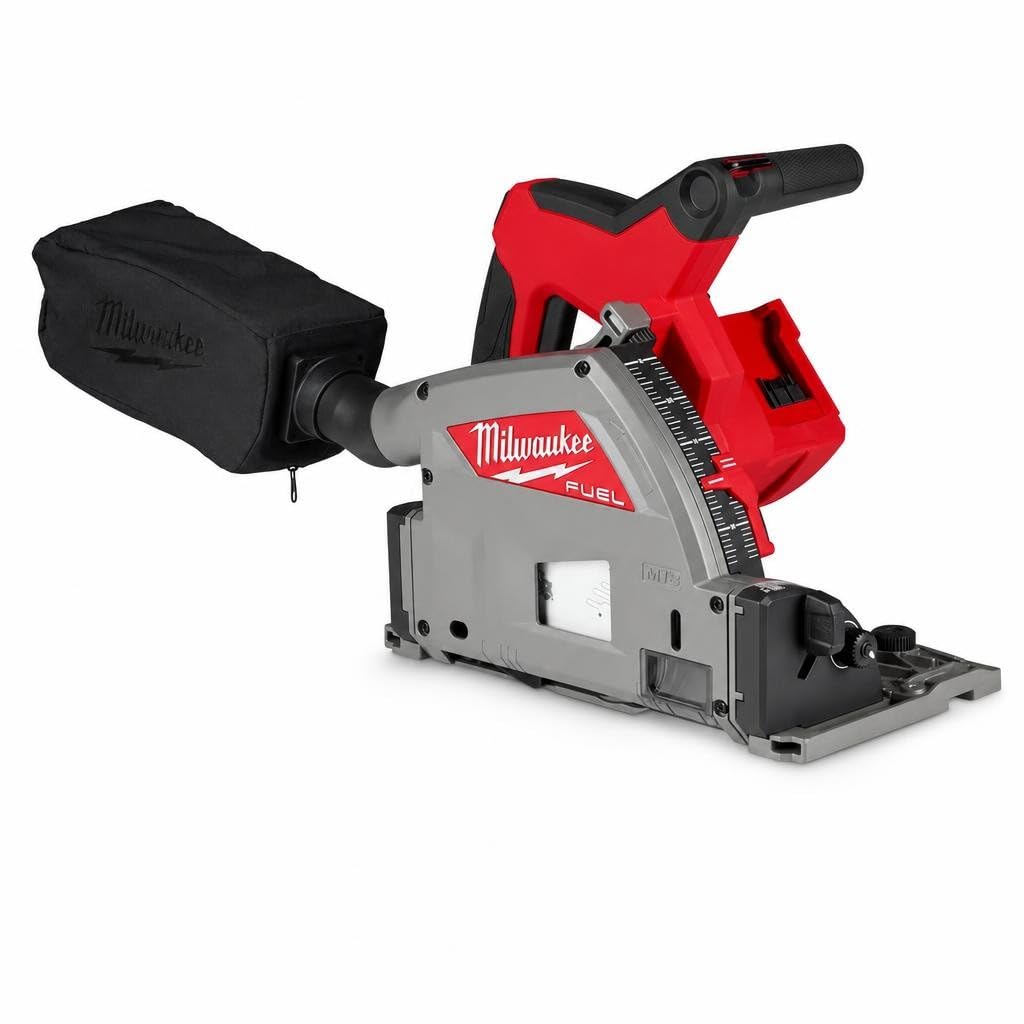
The WEN 20V cordless track saw is the best budget pick, the Milwaukee M18 FUEL 6-1/2 inch plunge track saw is the best midrange choice for cordless tool owners, and the Festool TS 55 FEQ is the best premium track saw for fine woodworking. Check the product table above for current prices.
| Budget | Product | Key Spec | Best For |
|---|---|---|---|
| Best Budget Pick | WEN 20V Cordless 6.5 Inch Track Saw | Brushless, 2000 to 5500 RPM, two 4.0Ah batteries included | DIYers breaking down plywood |
| Best Midrange Pick | Milwaukee M18 FUEL 6-1/2 Inch Plunge Track Saw | M18 battery platform, plunge cut design (bare tool) | Milwaukee M18 owners |
| Best Premium Pick | Festool TS 55 FEQ-F-Plus-FS | Plunge cut saw with 55 inch guide rail | Cabinetmakers and fine woodworkers |
Best Budget Pick: WEN 20V Cordless 6.5 Inch Track Saw
The WEN 20V cordless track saw is the best budget track saw, at around $177. It brings cordless, brushless track sawing to a price many DIYers can justify.
- Why it stands out: WEN says it rips boards up to 2.25 inches thick and cuts 45 degree bevels in boards up to 1.65 inches thick, with a brushless motor and variable speed from 2,000 to 5,500 RPM.
- In the box: two 20V Max 4.0Ah batteries with charge gauges, a charger and a 6.5 inch, 48 tooth carbide tipped blade. It runs on WEN's CT9502 and CT9110 tracks.
- Trade off: the guide track is sold separately, and budget rails are not as rigid or precise as premium systems.
Best for: homeowners who want straight plywood cuts without buying a table saw.

Best Midrange Pick: Milwaukee M18 FUEL 6-1/2 Inch Plunge Track Saw
The Milwaukee M18 FUEL 6-1/2 inch plunge track saw is the best midrange pick, at around $405 as a bare tool. It is the logical choice for anyone already invested in Milwaukee's M18 battery platform.
- Why it stands out: it uses Milwaukee's M18 FUEL brushless line and a plunge cut design that lets you start cuts in the middle of a panel, useful for sink cutouts and openings.
- Platform value: M18 batteries power hundreds of Milwaukee tools, so existing owners save significantly by buying the bare tool.
- Trade off: batteries, charger and some rails are sold separately, so the total cost rises quickly for new users.
Best for: contractors and serious DIYers already using M18 tools.

Best Premium Pick: Festool TS 55 FEQ-F-Plus-FS
The Festool TS 55 FEQ is the best premium track saw, at around $818. Festool popularized the modern track saw system, and the TS 55 is a benchmark for cut quality.
- Why it stands out: the kit includes the plunge cut saw and a 55 inch (1,400mm) guide rail, part of a system of rails, connectors and clamps known for precise, splinter free cuts.
- System: Festool's rails, dust extractors and accessories integrate tightly, which suits cabinet and furniture work.
- Trade off: it is corded and expensive, and longer rails and dust extractors add significant cost.
Best for: cabinetmakers, furniture builders and anyone who wants the most refined track system.

What Your Money Gets You at Each Price Tier
Track saws fall into three clear tiers, and the rail system matters as much as the saw.
Budget Tier: What to Expect
Under about $250, you can buy entry track saws from brands like WEN and Triton, or a track guide that converts an existing circular saw. Expect decent cuts in plywood and MDF, basic depth and bevel adjustments and adequate dust ports. Rails may flex more, anti splinter strips wear faster, and adjustments can drift, so check alignment regularly. These are excellent for occasional sheet goods projects.
Midrange Tier: The Sweet Spot for Most Buyers
Between about $300 and $600, you get track saws from major cordless platforms such as Milwaukee, DeWalt, Makita and Ryobi's higher end lines. Expect brushless motors, smoother plunge mechanisms, better riving knives, more precise depth stops and rails that work with a broad accessory ecosystem. This tier suits regular DIYers and contractors.
Premium Tier: When Spending More Pays Off
Above about $700, premium systems from Festool and others add refined plunge action, electronic speed control, excellent dust extraction, very accurate rails and long warranties. Spending more pays off if you build cabinets, furniture or install doors and need consistent glue ready edges.
Features Worth Paying For (and Ones to Skip)
Some features directly improve cut quality and safety, while others are nice extras.
Safety Features
A riving knife behind the blade helps prevent kickback, and anti kickback mechanisms that stop the saw from moving backward on the track add more protection. Electric brakes stop the blade quickly after you release the trigger. These are worth paying for at every tier. Always wear eye and hearing protection.
Accessories Included
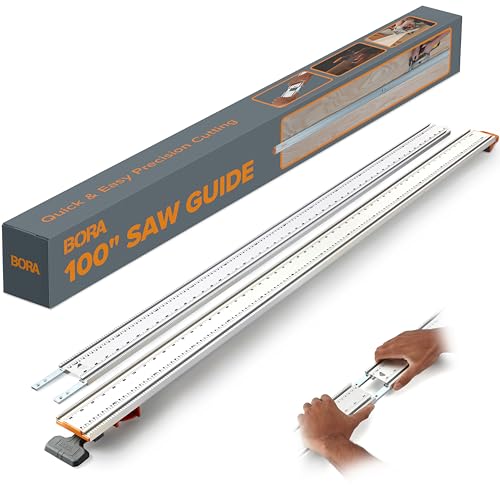
Check whether the saw includes a guide rail, rail connectors, clamps and a blade. Some kits include one rail, while bare tools include none. Track squares, clamps and a second rail for long rips add usefulness but also cost.
Durability and Brushless Motors
Brushless motors run cooler, last longer and extend battery runtime in cordless saws. They are worth paying for if you use the saw often. Magnesium or aluminum bases resist wear and keep the saw square on the rail.
Corded vs Cordless (Battery Platform)
Corded track saws provide unlimited runtime and often cost less for the bare saw. Cordless saws are more convenient on job sites and in garages without outlets. If you already own a battery platform, choosing a saw that uses those batteries saves money.
Power and Performance Specs
Look at blade size (6.5 inch is standard), maximum cutting depth at 90 and 45 degrees, RPM range and variable speed. A cutting depth around 2 inches handles most sheet goods and dimensional lumber. Variable speed helps with plastics, laminates and aluminum.
Rail Quality and Dust Collection
Rigid, straight rails with replaceable splinter guards and non slip strips make the biggest difference in accuracy. A dust port that connects to a shop vacuum dramatically reduces mess and improves visibility of the cut line.
Track Saw vs Circular Saw vs Table Saw
A track saw makes straighter, cleaner cuts than a regular circular saw, especially on veneered plywood, because the rail guides the saw and the splinter guard supports the wood fibers at the cut line. Compared with a table saw, a track saw handles full 4 x 8 sheets more safely, since you move the saw instead of the panel, and it stores in a fraction of the space. A table saw is still faster for repetitive narrow rips and joinery, so many woodworkers own both.
What Can You Build With a Track Saw?
A track saw opens up many projects that are hard to do accurately with a regular circular saw, which is why the best track saws are popular with DIYers who lack space for a table saw.
- Cabinets and built ins: break down plywood into square, clean edged panels ready for assembly.
- Shelving and closet systems: rip long shelves to identical widths.
- Door trimming: shave a fraction of an inch off solid or hollow core doors without chipping the finish.
- Countertops: cut butcher block and laminate tops cleanly, including plunge cuts for sink openings.
- Flooring and subfloors: straight cuts on plywood and OSB sheets for subfloors and underlayment.
- Straight lining rough lumber: create a straight edge on live edge or warped boards before further milling.
- Angled cuts: accurate bevels for mitered boxes, planters and furniture panels.
Track Saw Safety Basics
Track saws are safer than many saws because the blade is enclosed and the rail controls the cut, but basic safety still matters. Wear safety glasses and hearing protection, and a dust mask when cutting MDF. Keep both hands gripping the saw handles, make sure the rail is stable and the work is fully supported, and never reach under the material while cutting. Let the blade reach full speed before plunging, and wait for it to stop before lifting the saw from the rail. Unplug or remove the battery before changing blades.
Long Term Costs to Factor In
Budget for extra rails if you plan to cut full length plywood, since many kits include rails around 55 inches and an 8 foot cut needs about 110 inches of rail. Replacement blades cost about $30 to $80, and fine tooth blades produce cleaner cuts in veneers. Splinter guard strips, rail clamps, batteries for cordless models and a dust extractor or shop vacuum add to the total. Store rails flat or hanging to prevent warping.
Tips for Accurate Cuts With Track Saws
- Trim a new splinter strip with the first cut so it marks the exact cut line.
- Support the sheet fully on rigid foam insulation board, which lets you cut through without damaging the floor.
- Clamp the rail on narrow pieces to prevent slipping, and on any cut where the rail overhangs the panel edge.
- Set the blade depth about 1/4 inch below the material for clean cuts and less strain.
- Connect a shop vacuum to improve visibility and reduce dust, especially when cutting MDF or melamine.
- Check the saw's fit on the rail and adjust any play before precise work.
- Make a trial cut on scrap to confirm depth and bevel settings before cutting expensive plywood.
Frequently Asked Questions
Can I use batteries across brands?
Generally no. Cordless tool batteries are designed for a single brand's platform, and third party adapters may void warranties and bypass safety protections. The best value comes from choosing a track saw that uses batteries you already own.
Is a brushless motor worth it?
Yes, for most users. Brushless motors deliver more power and longer runtime per battery charge, run cooler and need less maintenance. They are especially valuable in cordless track saws used for long rips in hardwood.
What specs matter most for home projects?
For home projects, prioritize rail accuracy, a cutting depth of about 2 inches, a riving knife, a dust port and smooth plunge action. Bevel capacity to 45 degrees covers most needs. Rail length matters if you plan to cut full plywood sheets.
Corded or cordless: which is better for DIY?
Cordless is more convenient for DIYers who work in driveways or garages and already own a battery platform. Corded saws cost less without batteries and never run out of power, making them a good choice for a dedicated shop.
Can a track saw replace a table saw?
For many DIYers, yes. A track saw handles sheet goods, straight rips and crosscuts on wide panels well. It is slower for repetitive narrow strips and some joinery, where a table saw still excels.
The Bottom Line
The WEN 20V cordless track saw is the budget way to get clean, straight plywood cuts, the Milwaukee M18 FUEL plunge track saw is the midrange pick for M18 owners, and the Festool TS 55 FEQ is the premium system for fine woodworking. Budget for rails long enough for your projects and a dust solution, and the best track saws will give you table saw accuracy in a fraction of the space. See our best power saws guide for other cutting tools.


