
Best Oil for Generators: Matching the Right Model to Your Routine
Disclosure: We may earn a commission when you buy through links on this page, at no extra cost to you. As an Amazon Associate I earn from qualifying purchases. Learn more

How to choose the best oil for generators by viscosity, type and how you use your generator.
A portable generator's small engine runs hot, often at a constant speed for hours, and it may sit unused for months between outages. That combination is hard on oil. The wrong oil, or old oil, can cause hard starts, carbon buildup and premature wear just when you need power most. The best oil for generators matches your engine manufacturer's viscosity recommendation, protects across the temperatures you run in and holds up through long runtimes and storage.
This guide explains which type of oil suits which kind of generator owner, the features to compare on the label, common mistakes and tips for oil changes and storage.




Who Should Buy Which Generator Oils?
Most owners should use the SAE 10W-30 or 5W-30 oil their manual specifies; synthetic oil suits heavy users and extreme temperatures, and conventional or synthetic blend small engine oil suits occasional users on a budget.
For Weekend Beginners
If you run your generator a few times a year for camping or short outages, a quality 4 cycle small engine oil such as STP Premium Synthetic Blend 10W-30 is a simple, affordable choice. It is formulated for lawn mowers, generators and tractors and comes in convenient quart bottles.
Follow the break in oil change interval in your manual, often after the first 5 to 25 hours, then change it at least once a year.
For Small Spaces and Easy Storage
Inverter generators and compact units often hold only about 0.4 to 0.6 quarts of oil. Buying small bottles keeps oil fresh and avoids storing half used gallon jugs. Bottles with long necks or pour spouts help you fill tight fill ports without spills.
For Bad Weather and Tough Conditions
Generators often run during storms, heat waves and cold snaps. Full synthetic oils, such as TRIAX Power 10W-30 Full Synthetic, flow better in cold starts and resist breakdown at high temperatures. For very cold climates, many manufacturers permit 5W-30; for very hot conditions, some allow SAE 30. Always confirm with your manual.
For Frequent or Serious Users
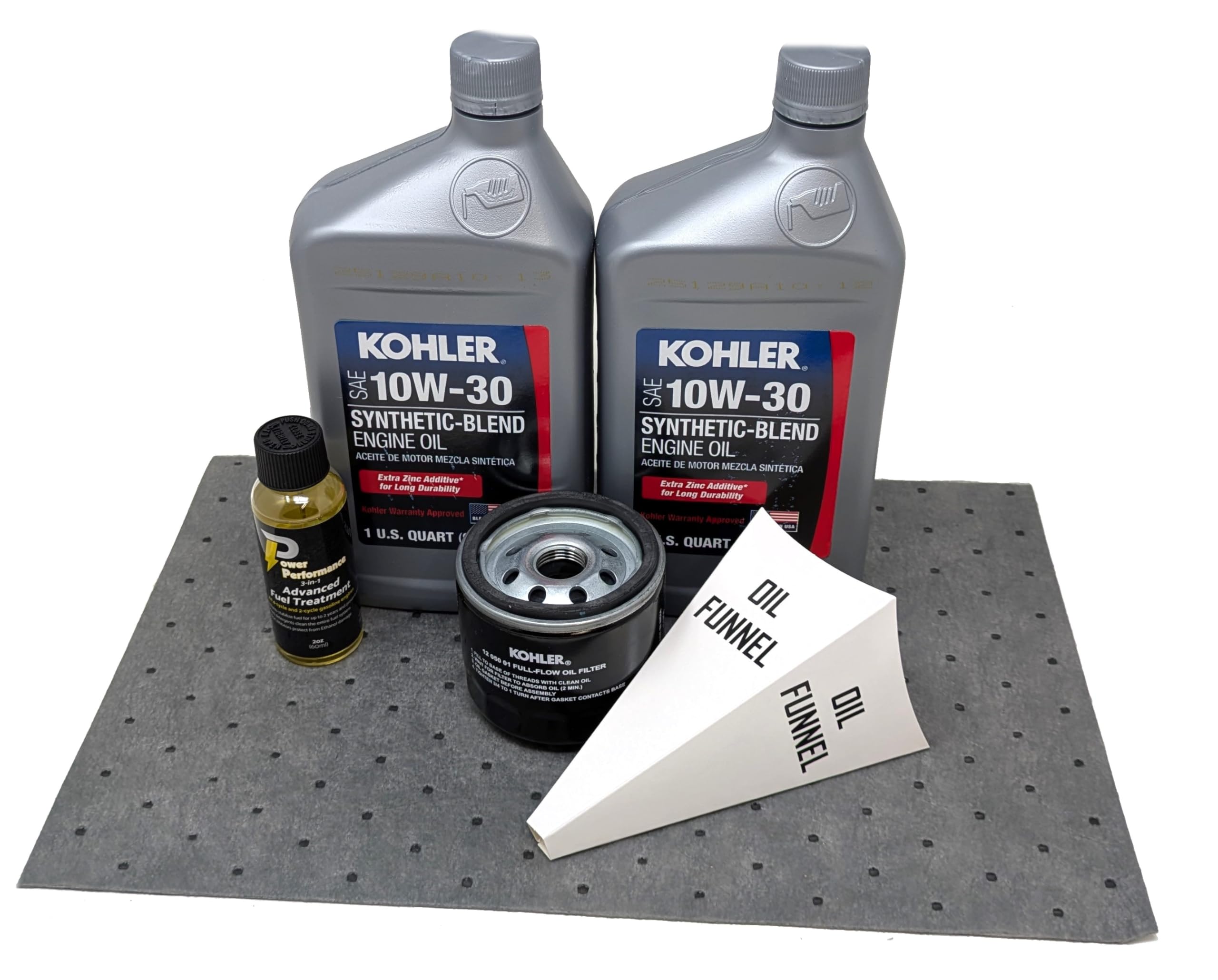
If you rely on a generator for long outages, RV trips or job sites, choose full synthetic oil and change it on schedule, often every 50 to 100 hours. Keep several quarts on hand, since you may need an oil change during a multi day outage. Brand specific oils, like Kawasaki K-TECH or Kohler's oil change kit, suit engines from those makers.
Key Features to Compare
Viscosity Grade
Viscosity is the most important spec. The number before the W shows how well oil flows when cold, and the number after shows thickness at operating temperature. Most portable generators specify SAE 10W-30 for general use, 5W-30 for cold weather and SAE 30 for warm temperatures. Using the wrong grade can cause hard starts or poor protection.
Synthetic vs Conventional vs Synthetic Blend
Full synthetic oil resists heat, flows better in cold and lasts longer between changes. Conventional oil is cheaper and fine for light use with regular changes. Synthetic blends offer a middle ground. Many manufacturers approve synthetic oil as long as the viscosity matches.
Small Engine Formulation
Oils labeled for 4 cycle small engines are formulated for air cooled engines that run hotter than car engines. They often include extra anti wear additives and detergents. Check for API service classifications such as SJ or higher listed in your manual.
Container Size
Quart bottles suit small generators and keep oil fresh. Multi packs and gallon jugs are economical for large generators, multiple engines or frequent changes.
Generator Type and Oil Capacity
Inverter generators typically hold about 0.4 to 0.6 quarts, mid size portables around 0.6 to 1.2 quarts and large portables and home standby units more. Check your manual for exact capacity and avoid overfilling, which can cause smoking and seal damage.
Safety Features That Depend on Oil
Most generators have a low oil shutoff sensor that stops the engine if oil runs low. It protects the engine but can also shut down power during an outage, so check oil before every use and every 8 hours of continuous running.
Oil Change Intervals at a Glance
| Situation | Typical Interval |
|---|---|
| New generator break in | First 5 to 25 hours (check manual) |
| Regular use | Every 50 to 100 hours |
| Dusty or very hot conditions | More frequently, often every 25 to 50 hours |
| Occasional use | At least once a year, before storm season |
How to Change Generator Oil
- Run the engine briefly: warm oil drains faster and carries more debris out.
- Turn it off and let it cool slightly: place it on level ground.
- Drain the old oil: remove the drain plug or tip the unit carefully into a drain pan, following the manual.
- Refill with the correct oil: use a funnel and add oil to the specified level, checking with the dipstick.
- Replace caps and plugs: wipe up any spills.
- Recycle used oil: take it to an auto parts store or recycling center.
Signs Your Generator Oil Needs Changing
- Dark, gritty oil on the dipstick: fresh oil is amber; black, sludgy oil should be replaced.
- Low oil warning or shutdowns: top up immediately and check for leaks.
- Blue smoke from the exhaust: can indicate overfilling or worn engine parts burning oil.
- Louder engine noise: thin, degraded oil protects moving parts less effectively.
- A year since the last change: oil degrades with time even when the generator sits.
Does Fuel Type Change the Oil You Need?
Gasoline, propane and dual fuel generators generally use the same oil grade specified by the manufacturer. Propane burns cleaner, so oil may stay cleaner longer, but you should still follow the hour based change interval because heat and time break down oil. Natural gas home standby units often specify synthetic oil and dealer maintenance schedules, so check those manuals closely.
Preparing a Generator for Storage
Before putting a generator away for months, change the oil so acidic combustion byproducts do not sit in the engine. Add fuel stabilizer and run the engine for a few minutes, or shut off the fuel valve and run the carburetor dry. Store the generator in a dry, ventilated place and start it monthly under load if possible. These steps keep it ready for the next outage.
How Much to Spend on the Best Oil for Generators
Generator oil is inexpensive compared with engine repairs, so it pays to buy quality.
- Under $15: single quarts of conventional or synthetic blend small engine oil.
- Around $15 to $40: full synthetic quarts and multi packs.
- Around $40 to $85: brand specific oil cases and oil change kits for larger engines.
Common Mistakes to Avoid When Buying Generator Oil
- Using the wrong viscosity: always follow the manual's chart for your temperature range.
- Using 2 cycle oil: 4 cycle generators need 4 cycle oil, not 2 stroke mix oil.
- Overfilling: too much oil can cause smoking and leaks.
- Skipping the break in change: new engines shed metal particles early.
- Letting oil sit for years: change it before storm season even if hours are low.
Tips to Get the Most From Your Oil
- Check the oil level before every use and every 8 hours during long runs.
- Keep at least one spare quart with your generator.
- Store oil in a cool, dry place with the cap sealed.
- Run the generator under load monthly for 20 to 30 minutes to circulate oil.
- Write the date and hours of each oil change on a label or log.
FAQs
What oil is best for most portable generators?
SAE 10W-30 is the most commonly recommended oil for portable generators in typical temperatures. Use 5W-30 in cold weather if your manual allows, and always follow the manufacturer's chart.
Can I use car motor oil in my generator?
Often yes, if it matches the viscosity and API classification in your manual. However, small engine oils are formulated for hotter running air cooled engines and are a safer choice.
Is synthetic oil better for generators?
Synthetic oil offers better protection at high and low temperatures and resists breakdown during long runs, making it a good choice for heavy use. Use the viscosity your manual specifies.
How often should I change generator oil?
Change it after the break in period, then about every 50 to 100 hours or at least once a year. Change it more often in dusty, hot or heavy use conditions.
Can a generator run a refrigerator?
Yes. Most refrigerators need about 700 to 1,200 starting watts, which a 2,000 watt or larger generator can handle. Keep oil topped up during long outages so the low oil shutoff does not cut power.
Do I need a transfer switch?
To power household circuits directly, yes. A licensed electrician should install a transfer switch or interlock to prevent dangerous backfeeding. Otherwise, use heavy duty extension cords.
How long can a generator run continuously on one oil fill?
A generator can run as long as fuel allows, but check oil every 8 hours of continuous use because small engines consume some oil. During multi day outages, plan an oil change around every 50 to 100 hours, and keep extra quarts and a funnel with the generator.
Inverter or conventional: does it change the oil?
Not usually. Both use 4 cycle small engine oil in the viscosity listed in the manual. Inverter generators often hold less oil, so they are more sensitive to low levels; check them frequently.
Wrapping Up
The best oil for your generator is the viscosity and type your manual specifies, usually SAE 10W-30 or 5W-30, in a quality small engine or synthetic formula. Choose synthetic for heavy use and extreme temperatures, keep spare quarts on hand and change oil on schedule. The best oil for generators keeps your engine starting reliably when the power goes out, so check the product table above for current options.


