
Best Rated Small Generators: A First Time Buyer's Guide for 2026
Disclosure: We may earn a commission when you buy through links on this page, at no extra cost to you. As an Amazon Associate I earn from qualifying purchases. Learn more

A first time buyer's guide to the best rated small generators: wattage, noise, portability and safe setup.
A small generator is one of the most useful tools you can own. It keeps phones, lights and a fridge running during a short outage, powers a coffee maker and fans at a campsite and runs tools where there is no outlet. Most small generators produce about 1,000 to 3,000 watts, weigh 30 to 60 pounds and fit in a car trunk. For first time buyers, though, terms like running watts, inverter, parallel kit and CARB compliant can be confusing. The best rated small generators deliver clean, steady power, run quietly, start easily and are light enough to carry.
This guide explains the basics, the key specs in plain English, rookie mistakes and how to set up and run a small generator safely.
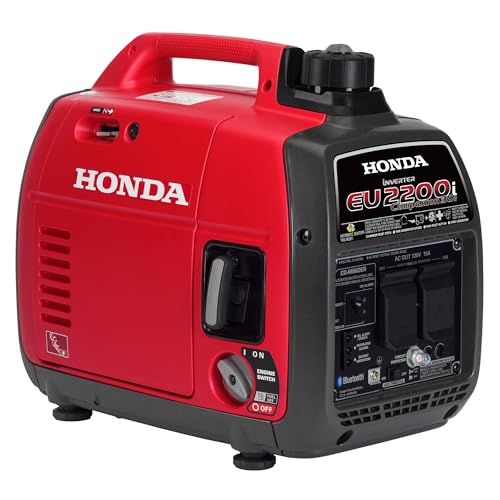
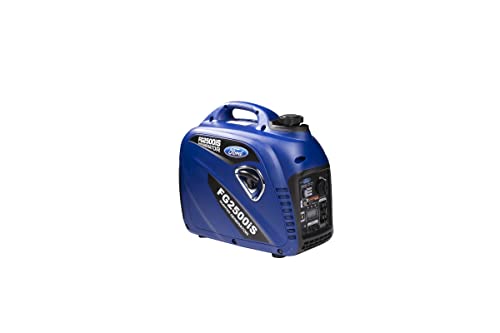


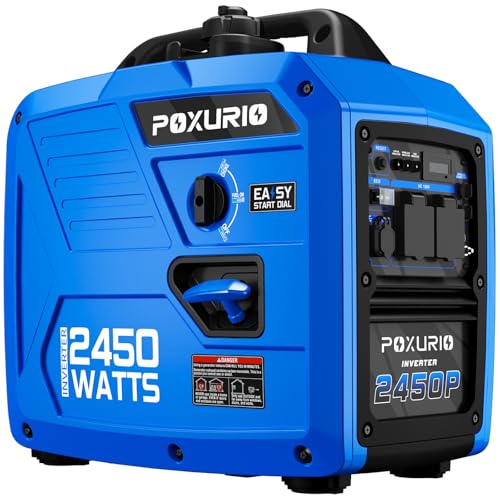
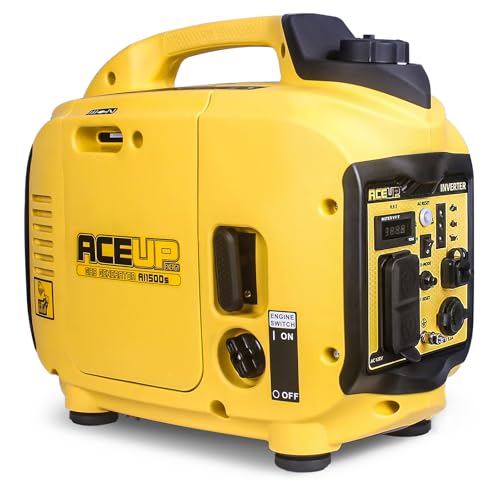
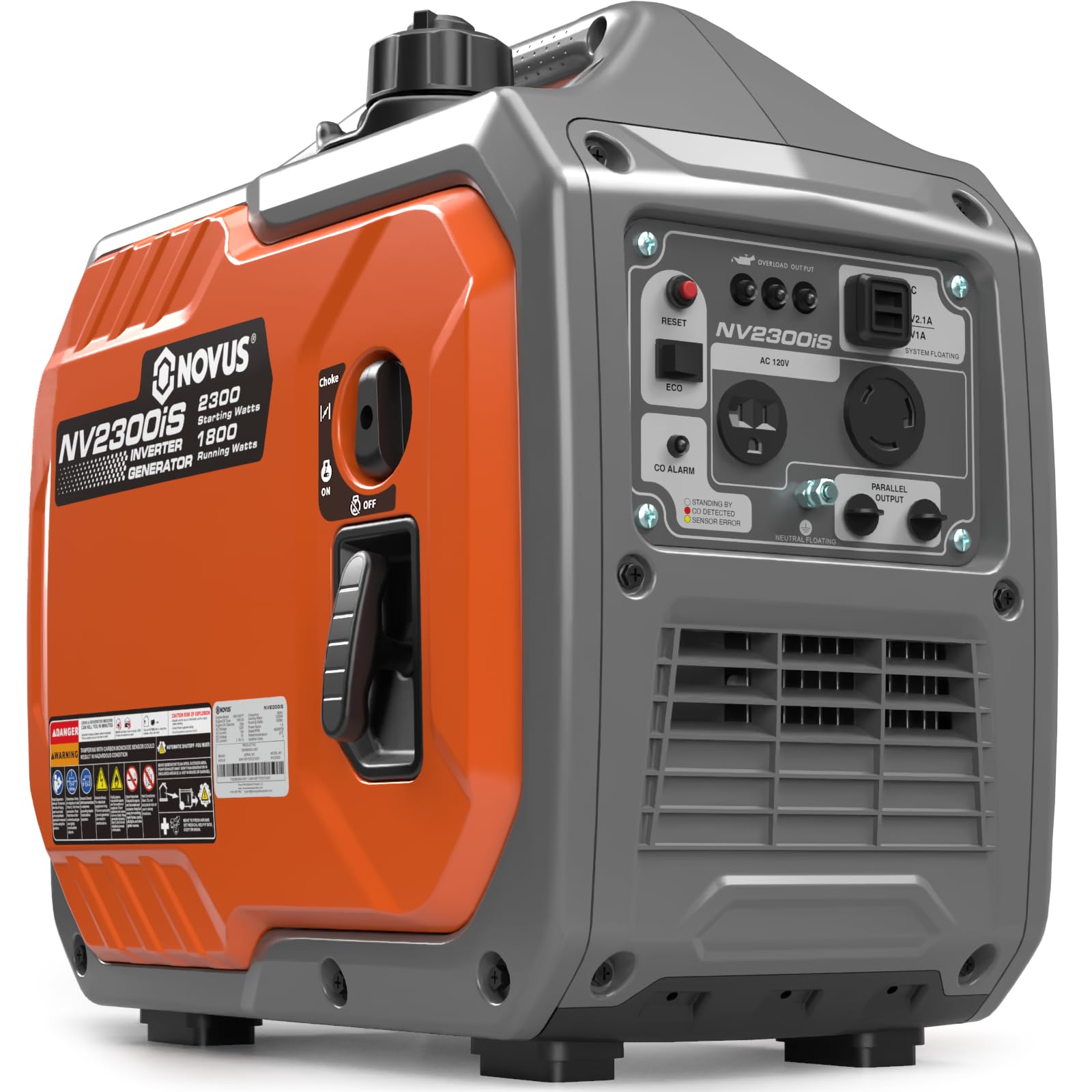
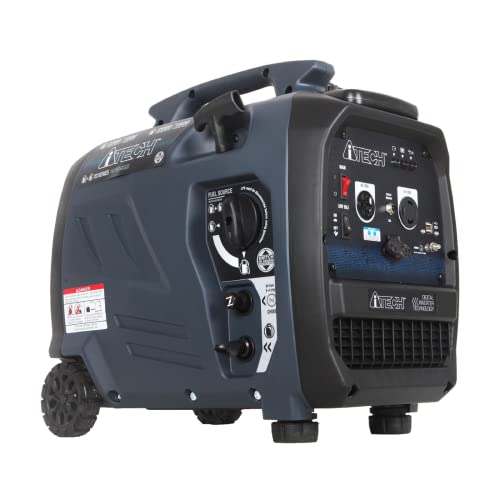
Small Generators 101: The Basics
A small generator is a portable gas, propane or dual fuel engine paired with an alternator, typically producing 1,000 to 3,000 starting watts, enough for essentials, camping gear and power tools but not a whole house.
Most small generators today are inverter generators. They convert power electronically, producing clean electricity safe for phones and laptops, and throttle the engine down at light loads for quiet, efficient running. Conventional open frame small generators are cheaper but louder and produce less stable power.
Other common terms: starting watts are brief bursts for motors; running watts are continuous output; eco mode lowers engine speed at light loads; parallel capability links two units for double power; and CARB compliant means the generator meets California emissions rules.
Key Specs Explained in Plain English
Five specs decide whether a small generator fits your needs.
Size, Weight and Portability
Small inverter generators of 1,000 to 2,300 watts usually weigh about 30 to 55 pounds with built in handles. Units over 3,000 watts often need wheels. If you carry it to campsites or tailgates, aim for under about 50 pounds.
Generator Type: Portable, Inverter or Power Station
Inverter generators are the best all around choice for small power needs. Open frame portables give more watts per dollar for job sites. Battery power stations are silent and fume free for indoor use but run out of energy quickly with high loads and need recharging.
Wattage: Running vs Starting Watts
Add the running watts of everything you will power at once, then add the highest starting surge. A refrigerator may need about 700 to 1,200 starting watts, a sump pump 1,500 to 2,000 and a small window AC 1,000 to 1,500. A 2,000 to 2,500 watt generator powers a fridge, lights, phones and a TV, but not all high draw appliances at once.
Noise Level (dBA)
Small inverter generators often run around 50 to 60 decibels at light load, similar to normal conversation, which suits campgrounds and neighborhoods. Open frame generators often exceed 70 decibels. Check the decibel rating at 25 percent load and at a stated distance.
Portability and Safety Features
Look for CO detection and automatic shutoff, low oil shutoff, overload protection, a fuel gauge and a fuel shutoff valve for storage. USB ports and a 30 amp RV outlet on larger small models add convenience.
What Can a Small Generator Power?
Use these typical running wattages to plan what a small generator can handle at the same time. Check your own appliance labels for exact figures.
| Device | Typical Running Watts | Typical Starting Watts |
|---|---|---|
| Refrigerator | 100 to 800 | 700 to 1,200 |
| Phone and laptop chargers | 10 to 100 | Same |
| LED lights (several) | 20 to 60 | Same |
| TV and streaming box | 100 to 200 | Same |
| Coffee maker | 600 to 1,200 | Same |
| Box fan | 50 to 100 | 100 to 200 |
| Circular saw | 1,200 to 1,400 | 2,000 to 2,300 |
| CPAP machine | 30 to 100 | Same |
Gas vs Propane vs Dual Fuel Small Generators
Gasoline is easy to find and delivers full rated power, but it goes stale in a few months without stabilizer. Propane stores indefinitely, burns cleaner and is convenient for campers with propane tanks, though output drops by roughly 10 percent. Dual fuel small generators let you switch between the two, which adds flexibility during emergencies when one fuel is scarce.
Parallel Kits: Doubling Small Generator Power
Many small inverter generators can be linked with a parallel kit to combine output. Two 2,000 watt units together can run a small RV air conditioner or more appliances, while each unit stays light enough to carry. Both generators usually need to be the same brand and compatible models. Parallel setups add flexibility: take one on a camping trip and use both during outages.
Carbon Monoxide Safety
Carbon monoxide is odorless and deadly, and portable generators produce a lot of it. Never run a generator inside a home, garage, basement, crawl space or tent, even with doors open. Keep it at least 20 feet from the house with the exhaust pointed away from windows and doors. Install battery powered CO alarms inside your home, and choose a generator with automatic CO shutoff for extra protection.
How Much to Spend on the Best Rated Small Generators
Most buyers find the best rated small generators between about $300 and $1,300.
- Under $300: budget inverter generators from newer brands; check warranty and parts.
- Around $300 to $600: mid range 2,000 to 2,500 watt inverters, some dual fuel, from established brands like Ford, A-iPower and A-ITECH.
- Around $1,000 to $1,300: premium quiet inverters such as the Honda EU2200i, known for reliability and resale value.
Small Generator vs Portable Power Station
A small gas generator is better for long outages and high loads because you can refuel in minutes, while a portable power station is better for quiet, indoor safe power for phones, laptops, CPAP machines and lights. Power stations produce no fumes and can recharge from solar panels, but large capacities are expensive and recharge slowly. Many households keep a small inverter generator for outages and a power station for indoor essentials.
Rookie Mistakes to Avoid
- Running a generator indoors or in a garage: carbon monoxide can kill quickly.
- Underestimating starting watts: fridges and pumps need extra surge power.
- Storing it with old fuel: stale gas clogs carburetors; use stabilizer or run it dry.
- Using thin extension cords: undersized cords overheat; use outdoor rated, heavy gauge cords.
- Skipping the oil: most generators ship without oil; add it before first start.
Getting Started: Setup and First Use
- Read the manual and check the oil type and capacity.
- Add oil and fresh fuel: use the grade specified, usually 10W-30.
- Place it outdoors: at least 20 feet from doors, windows and vents, with exhaust pointed away.
- Start with no load: let it warm up for a minute.
- Connect devices one at a time: start with the largest load first.
- Use eco mode for light loads to save fuel and reduce noise.
- Change the oil after break in: often after the first 5 to 25 hours.
Using a Small Generator While Camping
Campgrounds often set quiet hours, commonly from about 10 p.m. to 6 or 8 a.m., and some limit generator noise to around 60 decibels at 50 feet. A quiet inverter in eco mode keeps neighbors happy. Point the exhaust away from tents and other sites, keep fuel in approved containers and bring a short, heavy duty cord so the generator can sit farther from your sleeping area. Check park rules before you go, since some campgrounds and national parks restrict generator use.
Generator Accessories Worth Buying
- Heavy duty extension cords: outdoor 12 or 14 gauge cords for appliances.
- Generator cover or running tent: protects the generator from rain while it runs.
- Fuel stabilizer: keeps stored gasoline fresh for months.
- Wheel kit: makes heavier small generators easier to move.
- Parallel kit: links two compatible inverters for more power.
Small Generator Maintenance
- Check oil before each use and every 8 hours during long runs.
- Clean or replace the air filter as recommended.
- Run the generator monthly for 20 to 30 minutes under load.
- Inspect and replace the spark plug annually or per the manual.
- Store with stabilized fuel or an empty carburetor in a dry place.
Frequently Asked Questions
How long can a small generator run continuously?
Many small inverter generators run about 8 to 11 hours on a tank at 25 percent load. Runtime drops at higher loads. Shut it down to refuel when cool and check oil every 8 hours.
Can a small generator run a refrigerator?
Yes. A 2,000 watt or larger small generator can typically run a standard refrigerator, which needs about 700 to 1,200 starting watts. Avoid running other large appliances at the same time.
What size generator do I need to power a house?
A small generator powers essentials, not a whole house. Essential circuits often need 5,000 to 7,500 running watts, while whole home backup needs a larger portable or standby generator.
Do I need a transfer switch?
Only if you want to power household circuits directly. A licensed electrician should install a transfer switch or interlock. Otherwise, plug appliances into the generator with heavy duty extension cords.
Inverter or conventional: which is better?
For small generators, inverters are better for most users: quieter, more fuel efficient and safe for electronics. Conventional generators cost less per watt and suit job sites where noise matters less.
Can I run a small generator in the rain?
Only with protection. Water can cause electric shock and damage outlets. Use a generator tent or canopy designed for running units, keep it on dry ground and never touch it with wet hands.
Wrapping Up
Choose a small generator by the watts you need, noise level and weight. A 2,000 to 2,500 watt inverter covers most camping and outage essentials, premium models like the Honda EU2200i add reliability and quiet operation and budget inverters cover occasional use. Always run it outdoors and keep up with oil and fuel care, and the best rated small generators will deliver dependable power wherever you need it. Check the product table above for current models and prices.


