
Best 1/2 Inch Impact Wrenches in 2026: Torque, Power Sources and Buying Guide
Disclosure: We may earn a commission when you buy through links on this page, at no extra cost to you. As an Amazon Associate I earn from qualifying purchases. Learn more

Choose the best 1/2 inch impact wrench by torque, power source, anvil type and size, with lug nut safety tips, common mistakes and simple care advice.
The 1/2 inch drive is the workhorse size of the impact wrench world, big enough for lug nuts, suspension bolts and rusted farm hardware, yet still handy enough for a home garage. Choosing the best 1/2 inch impact wrench is less about the biggest torque number on the box and more about power source, anvil style and how the tool fits your hands and your work. This guide explains those choices in plain terms.
The comparison table below lines up the main types. After it, this guide covers what the torque ratings really mean, why the anvil matters every time you swap sockets, and the safety habits that keep wheel work honest. You will also find how to judge whether the 1/2 inch size is even the right size for your jobs.

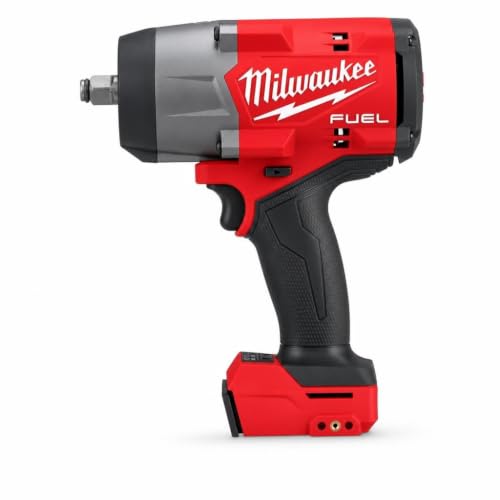
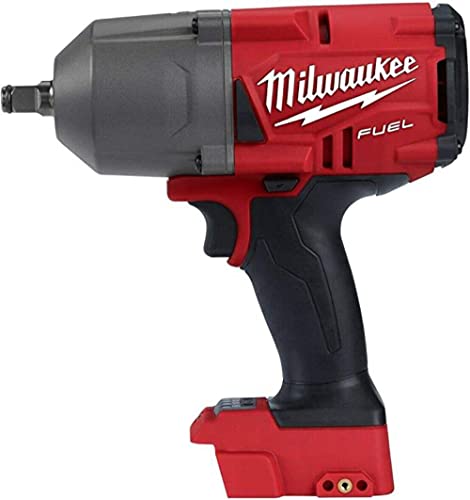
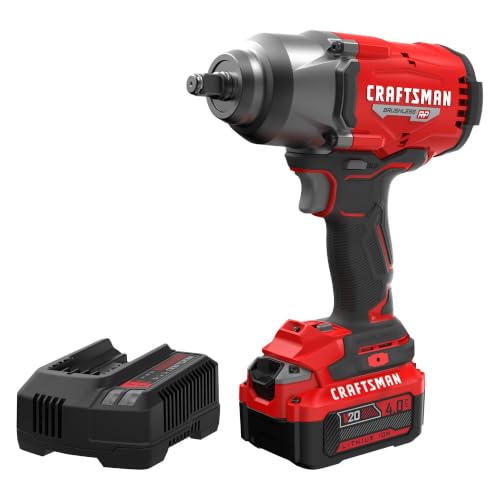


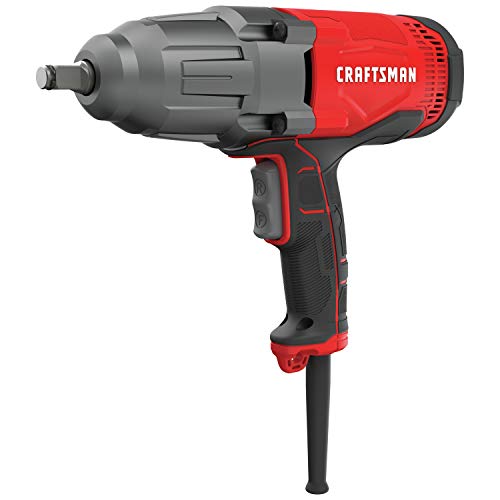

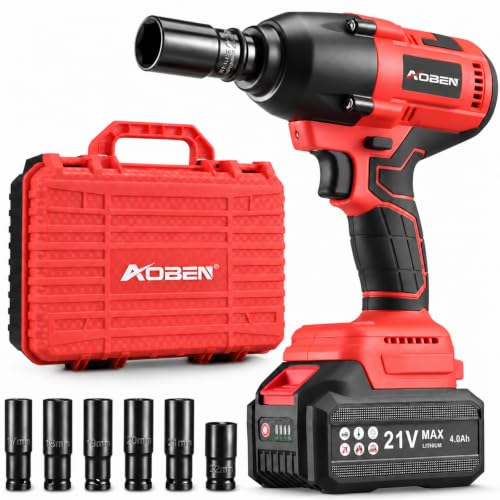
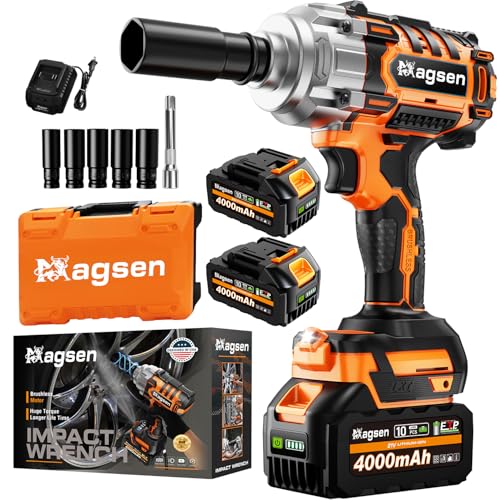

Who Should Buy Which 1/2 Inch Impact Wrench?
Power source is the first split, and your work pattern decides it.
Home Mechanics and Tire Swappers
If your wrench comes out for seasonal tire changes, brake jobs and the odd suspension repair, a mid torque cordless model is the sweet spot. It breaks lug nuts loose without drama and stores in a cabinet. Start your research with our overview of the best impact wrench types, then narrow to cordless models in the mid torque class rather than paying for extreme numbers you will never use.
Farm, Truck and Equipment Owners
Rusted hardware on trailers, tractors and older trucks demands high torque and patience. A full size cordless high torque model or a strong pneumatic wrench earns its keep here. Our guide to the best impact wrench for automotive work covers shop duty tools in more depth, including the air supply math that pneumatic ownership requires.
Mobile Pros and Roadside Users
Anyone who works away from the shop, in fleet yards, salvage work or roadside assistance, should weigh battery platform above raw specs. A wrench that shares batteries with your other cordless tools stays charged and ready, and compact mid torque models ride along without dominating the truck box. The best electric impact wrench roundup compares corded and cordless options if you are deciding between plug in reliability and battery freedom.
Key Features to Compare
Torque Ratings: Working Torque vs Nut Busting Torque
Boxes shout the biggest number, which is usually nut busting torque, the reverse force the tool can deliver in short bursts to loosen a fastener. The lower fastening torque is what the tool applies while tightening, and it is the number that protects threads. For lug nuts and general automotive work, a wrench with around 400 to 600 foot pounds of nut busting torque handles clean hardware easily, while rusted truck and equipment bolts may need 1,000 foot pounds or more. Buy for your hardest realistic job, not the headline.
Power Source: Cordless, Pneumatic or Corded
Cordless wrenches in the 18 to 20 volt classes now match older pneumatic tools for most jobs, with total freedom of movement and no hose to drag. Pneumatic wrenches stay lighter for their power and run all day, but they need a compressor that delivers enough air, usually around 4 to 5 CFM at 90 PSI, plus a 3/8 or 1/2 inch hose to feed them. Corded models cost the least and never run flat, though the cord limits reach. Match the source to the air and batteries you already own.
Anvil Type: Friction Ring vs Pin Detent
The anvil holds your socket, and its style changes how socket swaps feel. A friction ring, often called a hog ring, lets you pull sockets on and off with one hand in seconds, which suits tire work where sizes change often. A pin detent locks the socket on with a pin through the socket hole, holding far more securely overhead or at arm length, but swaps need a small tool to release. Choose friction ring for speed and pin detent for security, and know that some models offer both anvil options.
Speed Settings and Precision Modes
Multiple speed and torque settings turn a blunt tool into a controlled one. Low modes spin lug nuts on gently without cross threading, and auto shut off or bolt removal modes stop the tool once a fastener breaks free, so nuts do not fly across the shop. A variable speed trigger with good low speed control matters more than a fourth power mode. If you run down small fasteners often, test the lowest setting in the store, because a wrench that starts with a jerk will snap small bolts.
Size, Weight and Balance
High torque wrenches are long and heavy, and that bulk fights you in wheel wells and under trucks. Compact mid torque models are several inches shorter and far easier to aim one handed, at the cost of peak power. Battery size shifts balance too: a large pack adds runtime and weight at the back of the tool. Pick the wrench up with the battery fitted before judging, because spec sheet weight often excludes the pack you will actually use.
Motor Type and Durability
Brushless motors deliver more torque per size, run cooler and last longer than brushed motors, and they now span most price tiers. A metal housing around the hammer case survives drops that crack plastic shells. Look at the warranty and the availability of service parts if the tool will earn money. For occasional home use, a brushed model on sale can still be a rational buy, since its motor will likely outlast the casual use it sees.
Is a 1/2 Inch Impact Wrench the Right Size for You?
The 1/2 inch drive owns the middle ground. A 3/8 inch wrench is lighter and fits tighter spaces, and it handles most fasteners under about 100 foot pounds, but it strains at lug nuts torqued on trucks. A 3/4 or 1 inch wrench exists for heavy equipment and commercial truck wheels, and it is overkill, weight and cost for anything parked in a home driveway. If your hardest regular job is lug nuts and suspension bolts, the 1/2 inch size is correct, which is why our dedicated guide to the best impact wrench for lug nuts stays within this drive size.
Whichever size you choose, use impact rated sockets. Chrome sockets made for hand ratchets can crack under impact and throw sharp fragments. Impact sockets are thicker, softer in alloy and finished in black oxide, and a through hole in the socket pairs with the anvil pin or ring. Finish every lug nut with a torque wrench to the vehicle spec, and support the vehicle on jack stands whenever a wheel is off, never on a jack alone.
Common Mistakes to Avoid
- Using chrome hand sockets on an impact wrench, which can shatter the socket and throw metal fragments.
- Running lug nuts fully tight with the wrench, which over torques them and warps brake rotors.
- Buying on nut busting torque alone, which ignores the fastening control you need every day.
- Starving a pneumatic wrench with a thin hose or small compressor, which makes a strong tool feel weak.
- Holding the trigger on a stuck bolt for minutes, which overheats the motor and hammers the anvil.
How to Make Your Impact Wrench Last Longer
Keep the tool clean and dry, and blow dust out of the vents with low pressure air after dirty jobs. Pneumatic wrenches need a few drops of air tool oil in the inlet each day of use, plus an inline filter to keep water from the compressor out of the motor. Cordless models ask for little beyond sane battery storage away from heat. Check the anvil ring or pin for wear when sockets start to wobble, since those small parts are cheap to replace and protect the sockets. Store the wrench in a case or drawer, not loose in a truck bed where it bangs around and fills with grit.
FAQ
What size impact wrench do I need for lug nuts?
A 1/2 inch drive wrench in the mid torque class is the standard answer, because it removes properly torqued car and light truck lug nuts without strain and still fits in a wheel well. Compact models handle cars easily, while large trucks with higher lug specs may want a full size high torque model. Always finish with a torque wrench, since the impact wrench is a removal and run down tool, not a measuring tool.
How long does an impact wrench last?
A quality wrench used at home can last well over a decade, because the hammer mechanism is simple and robust. Pneumatic models often run longest, with seals and vanes as the wear items, and they can be rebuilt. Cordless tools usually retire when their battery platform fades rather than when the tool fails. Daily shop use shortens everything, but even then, years of service is normal.
Is an impact wrench worth it if I own a breaker bar?
For many drivers, yes. A breaker bar removes lug nuts, but slowly, and it struggles with rusted suspension and exhaust bolts that an impact wrench shakes free in seconds. The wrench also spins fasteners off quickly once broken loose, which adds up across four wheels. If you only change a flat once in five years, the bar is enough. If you rotate tires seasonally or maintain an older vehicle, the wrench pays for itself in saved time and knuckles.
How do you clean an impact wrench?
Wipe the housing with a cloth, clear the vents with gentle compressed air, and keep solvents away from switches and seals. Pneumatic models should be oiled and run briefly after cleaning so the oil coats the motor. Cordless models need clean battery contacts, which a dry cloth handles. Never pressure wash the tool or soak it, since water inside the hammer case starts corrosion that shows up as lost power months later.
What is the most reliable impact wrench setup for a home garage?
Reliability at home is mostly about the platform around the tool. A mid torque cordless wrench from the battery system you already own, a set of impact rated sockets in your vehicle sizes, and a torque wrench for final tightening form a setup that simply works every time. Chasing the strongest wrench on the market adds cost and weight without adding dependability for household jobs.
Final Thoughts
Decide the power source first, then buy enough torque for your rustiest realistic job, and pick the anvil that matches how often you swap sockets. The product table above compares the main classes at a glance. Chosen that way, the best 1/2 inch impact wrench becomes the tool you reach for weekly, and your breaker bar can retire to deep backup duty.


