
Best 12 Gallon Shop Vacs in 2026: Is This the Right Size?
Disclosure: We may earn a commission when you buy through links on this page, at no extra cost to you. As an Amazon Associate I earn from qualifying purchases. Learn more

Pick the best 12 gallon shop vac for your garage with this guide to real suction specs, hose size, filtration, noise, and when to size up or down.
Twelve gallons sits in the middle of the shop vac range, and for most garages it is the size that stops feeling like a compromise. It swallows renovation debris and several gallons of water without the bulk of the big contractor tanks. But the number on the box is only the start: suction specs, hose size, and filtration decide how it actually cleans. This guide explains how to choose the best 12 gallon shop vac for your space.
Use the comparison table below to check airflow, hose diameter, and cord length across the main options. Then read the sections that follow, because two vacs with the same tank size can differ hugely in real suction and in how often you stop to empty, unclog, or change filters.
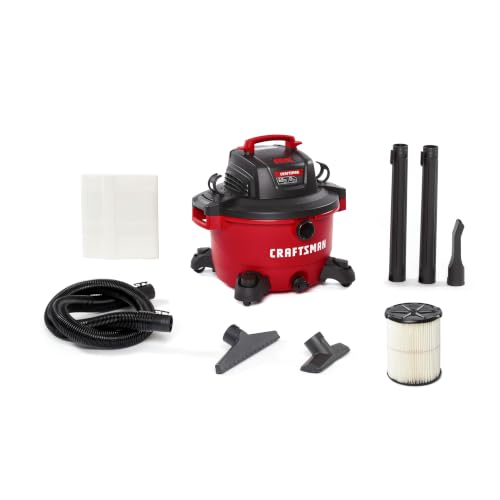


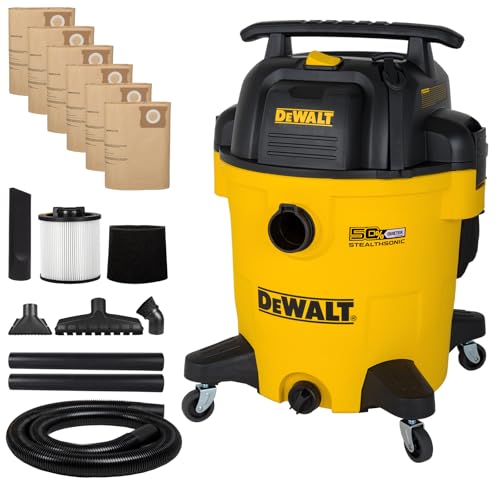

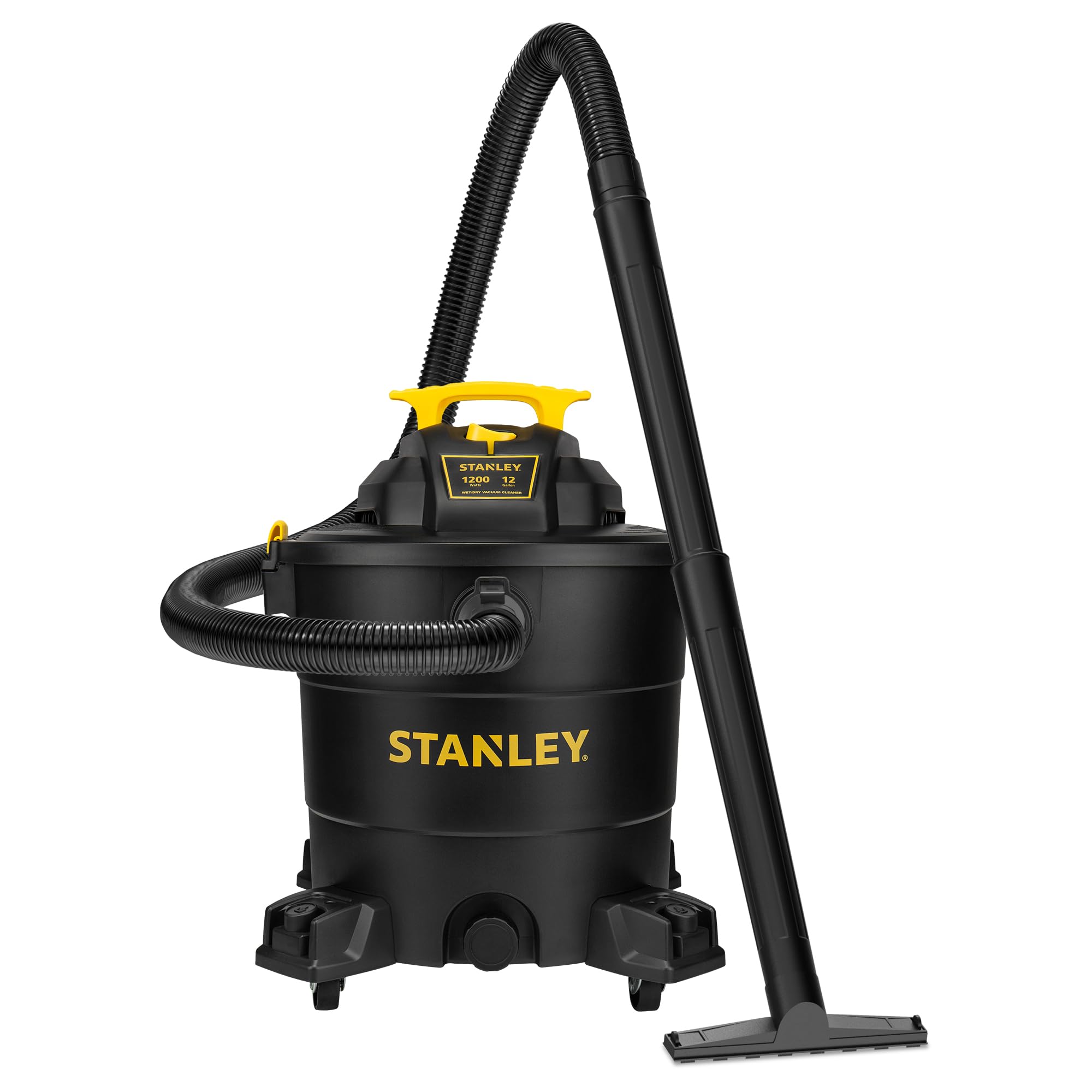
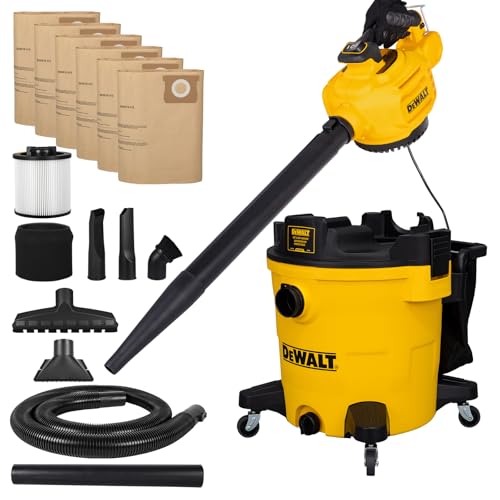


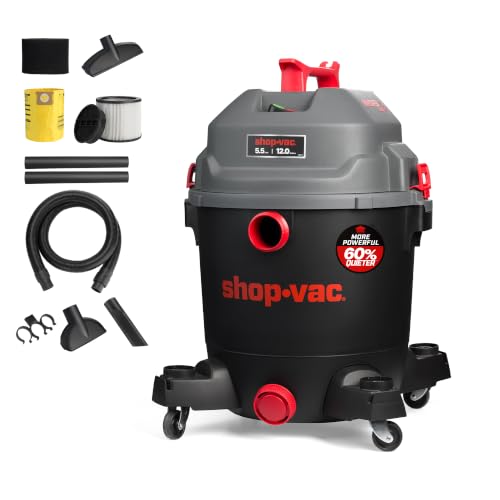
Who Should Buy Which 12 Gallon Shop Vac?
Garage and Workshop Owners Doing Regular Cleanup
If your vac handles sawdust, floor sweepings, and project debris every week, 12 gallons means emptying after several sessions instead of every one. Pair it with the standard 2 1/2 inch hose for fast pickup of chips and chunks. This is the core audience for the size, and our broader best shop vac guide shows how this class compares with the full range from compact to contractor sizes.
Homeowners Who Face Basement and Garage Water
For water, tank size is working time. A 12 gallon tank takes on a meaningful spill, a leaking water heater catch, or a sump overflow session before you stop to drain. Look for a tank drain valve at the base, because lifting a tank holding 8 gallons of water is a back injury waiting to happen. A foam sleeve filter for wet pickup and a float that shuts off suction when full are the other two features that matter here.
Detailers and Renovators Who Move Room to Room
If the vac travels, 12 gallons is near the upper limit of easy handling. Large rear wheels and a top handle matter, as does onboard accessory storage so nozzles ride along. Vehicle work rewards a long cord and a crevice tool that stays clipped to the body; our guide to the best shop vac for car detailing covers the attachment set in depth. For quick spot jobs where dragging out the big tank is overkill, a best cordless shop vac makes a good second machine.
Key Features to Compare
Real Suction: CFM and Sealed Pressure, Not Peak HP
Ignore peak horsepower, which is a laboratory number measured in a way that flatters the box. Shop by airflow in CFM and sealed pressure, sometimes called water lift. CFM decides how fast debris moves through the hose; sealed pressure decides how well the vac pulls from carpet, cracks, and against clogged filters. A 12 gallon vac around 150 CFM with strong lift handles garage work easily. Numbers vary by test method, so compare models on the same brand page or treat specs as rough tiers rather than exact science.
Tank Capacity and the Emptying Reality
Usable capacity is less than the headline size, because the float and filter take room and suction drops as the tank fills with water near the top. Plan on roughly 9 to 10 gallons of water in practice. Dry debris is lighter but bulkier; sawdust fills the tank by volume long before weight matters. A drain valve, a wide tank mouth for dumping, and a shape that rinses clean all decide whether emptying is a one minute task or a muddy chore you postpone until suction dies.
Hose Diameter and Length
The 2 1/2 inch hose is the standard for this size because it passes chips, leaves, and small chunks without clogging. A 1 1/4 inch hose gives stronger focused suction on attachments for car interiors and benches, and many vacs include both or offer a reducer. Hose length around 7 feet plus extension wands covers a garage bay; crush resistant hose survives being stepped on and dragged around tires, while the cheapest hoses kink at the cuff and crack within a season or two.
Filtration: Cartridge Filters and Bags
A pleated cartridge filter is standard and washable, and it handles general debris well. For fine dust like drywall or cement, add filter bags: they hold the fine material, keep the cartridge clean, and make emptying dustless, at the cost of buying refills. Some models offer finer rated cartridges for allergen control. A practical rule: if you sand, cut masonry, or clean ash rated for your vac type, bags are not optional extras, they are what keep suction strong through the job.
Noise, Cord, and Storage Details
Shop vacs are loud, commonly in the range that makes conversation impossible at close distance, and mufflers or quieter motor designs shave a few decibels that your ears will notice over a long cleanup. Cord length of 12 to 20 feet decides whether an extension cord joins every job. Finally, check how accessories store: onboard clips that hold the crevice tool, brush, and wands keep the kit together, while a loose bag of attachments migrates to the back of a shelf and effectively disappears.
Sizing Honestly: When 12 Gallons Is Wrong
Size down if your jobs are cars, benches, and small spills: a compact model stores easier and lifts without effort, and our roundup of the best small shop vac options covers the 2 to 6 gallon class. Size up to 14 or 16 gallons if you run tools with dust ports for hours, clean a big workshop weekly, or face serious water volume, because fewer emptying stops outweigh the bulk. The 12 gallon choice is wrong mainly when it becomes the excuse to avoid emptying: a half maintained big vac cleans worse than a small one you keep up.
Common Mistakes to Avoid
- Shopping by peak horsepower, which tells you almost nothing about airflow at the hose end.
- Running dry fine dust without bags, so the cartridge clogs and suction falls within minutes.
- Using the paper cartridge filter for water pickup, which ruins it and grows mildew in the tank.
- Dragging the vac by its hose, cracking the cuff and tearing the tank inlet over time.
- Lifting a water filled tank instead of using the drain, a classic way to hurt your back.
- Storing the vac with debris inside, which breeds odor and corrodes the tank hardware.
How to Make Your 12 Gallon Shop Vac Last Longer
Empty and rinse the tank after wet jobs and let it dry open, because standing water and sludge corrode and stink. Tap the cartridge filter clean outdoors after dry sessions and wash it only as the maker allows, letting it dry fully before reinstalling. Inspect the float so it moves freely; a stuck float lets water reach the motor. Coil the hose loosely instead of kinking it over the handle, and check the cord for nicks where it crosses the floor. Keep a spare bag and filter on hand, since running without them to finish a job is how fine dust reaches motor bearings.
FAQ
What size shop vac do I need for a two car garage?
A 12 gallon vac is the sweet spot for a two car garage. It holds several cleanup sessions of debris, handles water from a leaking heater or a washed floor, and still rolls through a standard door without a fight. Smaller vacs empty too often for renovation work, while the 16 gallon class gets bulky to store between cars. Add filter bags for drywall or sanding dust and the same machine covers nearly every home job.
How much water can a 12 gallon shop vac actually hold?
Plan on about 9 to 10 gallons before the float shuts off suction. The float needs headroom above the water, and the filter assembly takes space, so the usable figure sits below the tank rating. That is still a lot of water: enough for a typical water heater drip pan failure or a washing machine hose leak. Use the drain valve to empty rather than tipping the tank, and never keep vacuuming once the motor tone changes, which signals the float has closed.
Is a 12 gallon shop vac too big for car detailing?
Not too big, but it is more machine than the job requires. The tank size does not hurt cleaning; the standard wide hose does, because focused suction through a 1 1/4 inch hose and crevice tools works better in footwells and between seats. Most 12 gallon models accept the smaller hose with a reducer or include one. If cars are your only use, a smaller vac stores and moves more easily, but a garage vac with the right attachments details perfectly well.
How long does a 12 gallon shop vac last?
A decent model lasts many years of home use, often a decade. Motors usually die from dust ingestion or water damage rather than honest wear, so filter discipline and a working float decide lifespan more than brand. Hoses, switches, and latches are common midlife repairs and are cheap when parts exist. Store it dry and empty, and a mid priced vac will usually outlast the projects you bought it for.
What filter setup works best for drywall dust in a shop vac?
Use filter bags plus a fine dust cartridge together. The bag captures the bulk of the powder and keeps the pleats of the cartridge from packing solid, which is what kills suction on drywall jobs. Change the bag when it feels about half full by weight rather than waiting for it to be stuffed, and tap the cartridge clean outdoors between rooms. This combination also makes emptying far less dusty, which matters when the dust is the reason you are cleaning at all.
Final Thoughts
Buy this size for its balance: real capacity without contractor bulk. Judge models by airflow and lift instead of peak horsepower, demand the 2 1/2 inch hose, and treat bags and filters as part of the machine rather than extras. Check the options in the product table above against your garage and your water risks, and the best 12 gallon shop vac for your home will be the one that still pulls hard a year from now. Prices and availability can change, so check the product page before ordering.


