
Best 8 Gallon Air Compressors (2026): A Buying Guide for Real Projects
Disclosure: We may earn a commission when you buy through links on this page, at no extra cost to you. As an Amazon Associate I earn from qualifying purchases. Learn more

Garage and trim carpentry users can compare the best 8 gallon air compressor by CFM, recovery time, noise and pump type.
Eight gallons is the tank size where a compressor stops feeling like a toy and starts running real tools. It is big enough to keep a framing nailer fed, small enough to carry up a flight of stairs, and it refills fast enough that you are rarely standing around waiting. The best 8 gallon air compressor for your garage depends less on the tank itself and more on airflow, pump design and noise.
This guide explains what this size class does well, where its limits sit, and which specs to compare before buying. The comparison table below lays out the main configurations side by side so you can see the trade offs at a glance.

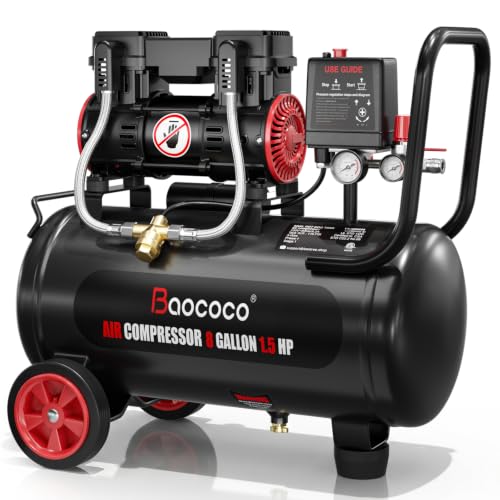
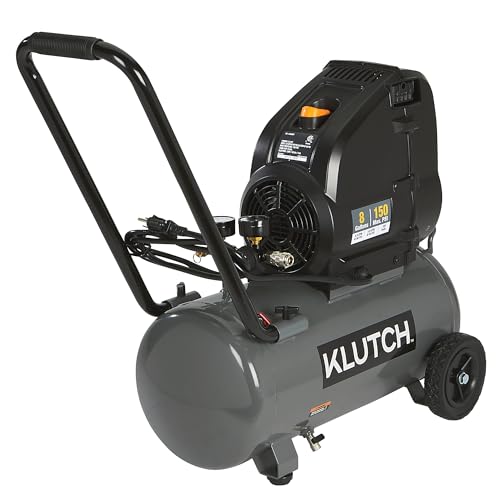
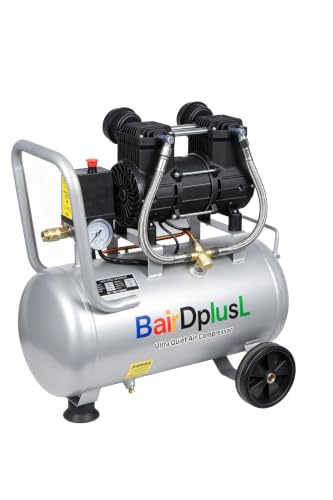
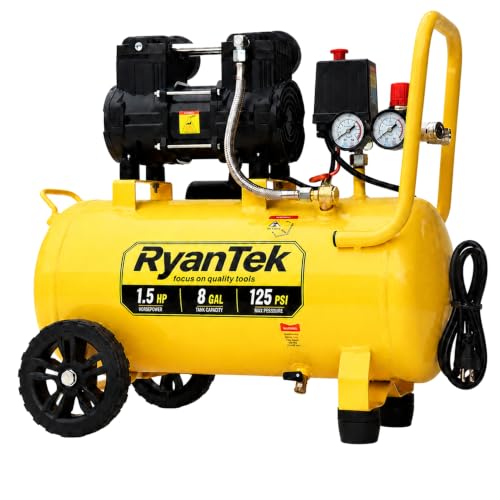
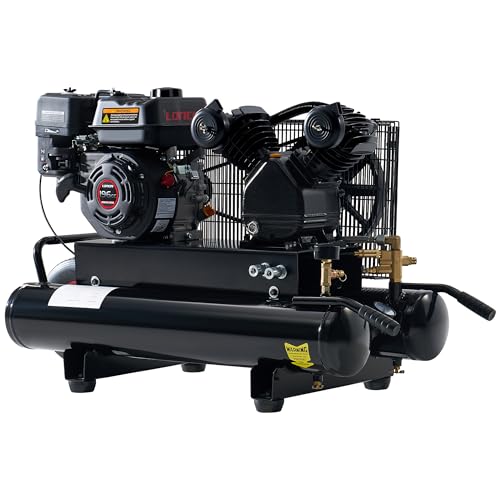

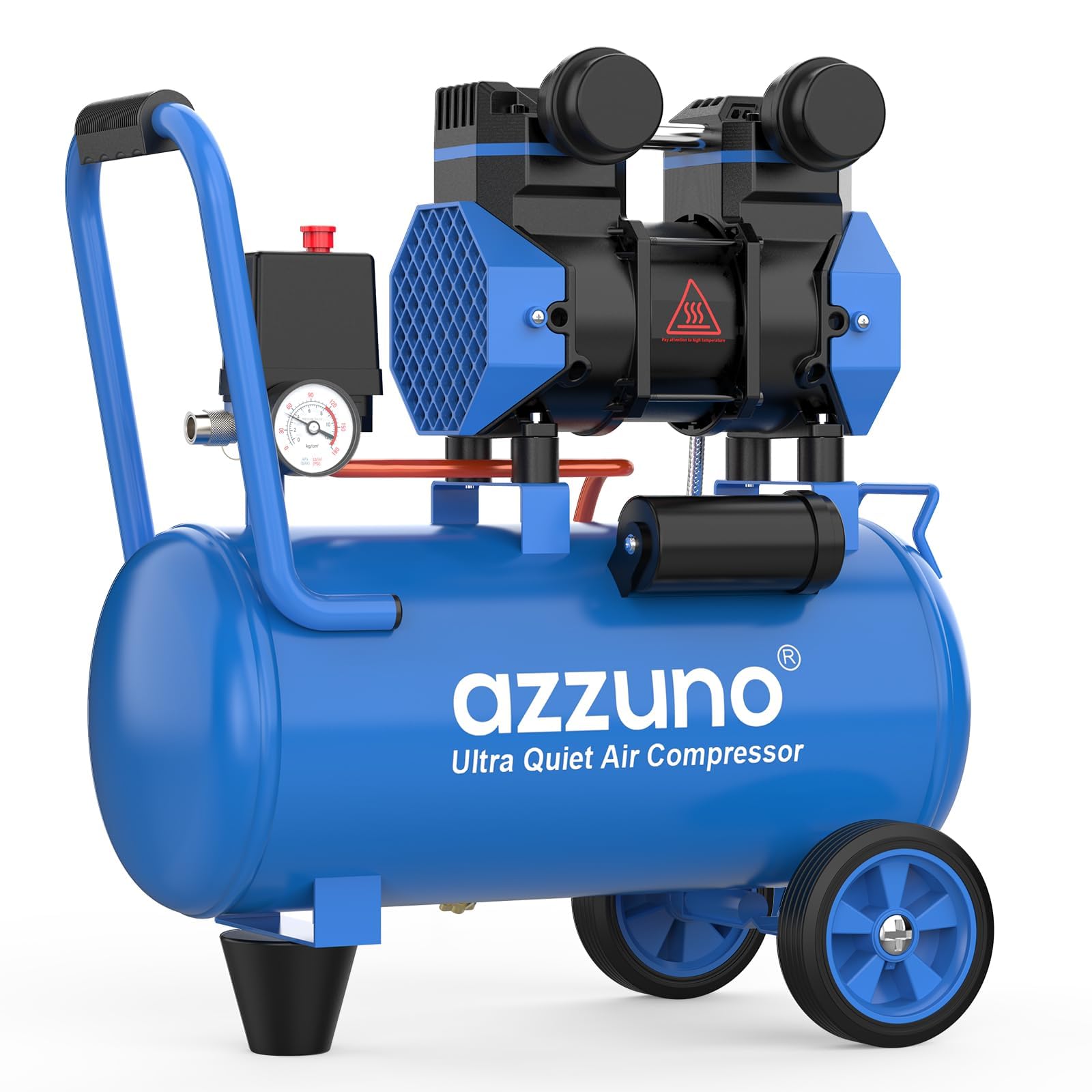

Who Should Buy Which 8 Gallon Air Compressor?
Homeowners Running Nailers and Staplers
Trim carpentry, fencing repairs and upholstery stapling use air in short bursts, and an 8 gallon tank covers those bursts with room to spare. You will hear the motor cycle on during long fence runs, but pressure at the tool stays steady. For this work, almost any model in the class performs, so choose by noise and weight. Our broader roundup of the best air compressor options shows how this size compares with the smaller and larger classes.
Garage DIYers Inflating, Blowing and Driving Fasteners
A mixed garage workload of tire inflation, dust blowing and the occasional impact wrench session suits this size well. The tank gives you a reservoir for short high demand bursts, and the pump recovers while you reposition the work. If the compressor will live in one spot, a slightly heavier unit with a handle and wheels is easier to live with than the lightest model. See our guide to the best air compressor for home garage setups for placement and hose routing ideas.
Light Trade Users Who Need Portability
Installers and remodelers who move between rooms benefit from a tank that one person can carry through a doorway. Eight gallons keeps up with two finish nailers on trim work, though a roofing crew would outrun it. If most of your jobs are single nailer tasks and space in the van is tight, compare this class against the best pancake air compressor designs, which trade tank volume for a lower profile.
Key Features to Compare
CFM at 90 PSI
Airflow, listed as CFM at 90 PSI, is the number that decides which tools the compressor can actually run. Most 8 gallon models deliver about 2.5 to 4 CFM at 90 PSI, which covers nailers, staplers and inflation easily. Tools that spin continuously, like sanders and grinders, demand 6 CFM or more and will drain this class quickly. Read the rating at 90 PSI rather than the higher figure quoted at 40 PSI, because nailers and impact wrenches work at the higher pressure. Match the CFM to your hungriest tool, not your average one.
Recovery Time and Duty Cycle
Recovery time is how long the pump takes to refill the tank from cutoff pressure back to full, and shorter is better when you are driving fasteners in rhythm. A compressor that recovers in under a minute keeps a framing nailer happy during fence building. Duty cycle describes how much of each hour the pump can run without overheating, and light duty models need rest breaks during grinding or sanding sessions. If your work involves long continuous runs, step up a class instead of pushing a light duty pump past its limit.
Maximum Pressure and Regulator Quality
Most models in this class top out at 120 to 150 PSI. Higher maximum pressure stores more usable air in the same tank, because tools draw from the range above their working pressure. The regulator matters just as much: a large, easy to grip knob with a clear gauge lets you set 90 PSI for nailers and drop to 40 PSI for blowing dust without guessing. Gauges that face upward are easier to read while you work. Cheap regulators drift, so this is a detail worth paying attention to in reviews and specs.
Oil Lubricated vs Oil Free Pumps
Oil free pumps dominate this size class because they need no oil changes and start easily in cold weather. Oil lubricated pumps run quieter and usually last longer, but they add weight and ask for level ground so the oil stays where it belongs. For a homeowner compressor that moves around, oil free is the practical default. If the unit will sit permanently in a shop and run daily, an oil lubricated model earns its upkeep. Either way, an intake filter you can replace cheaply protects the pump from dusty garage air.
Noise, Weight and Carry Design
Standard models in this class produce roughly 78 to 82 decibels, loud enough that hearing protection is wise in a closed garage. Quiet series models bring that down near 60 to 70 decibels by using slower, larger pumps, and they cost more. Weight runs about 55 to 70 pounds, so handle design and balance decide whether carrying it feels routine or miserable. Rubber feet reduce vibration marks on floors. If the compressor will mostly stay put but you still want battery freedom for quick jobs, our guide to the best cordless air compressor options covers that smaller niche.
Is an 8 Gallon Air Compressor the Right Size for You?
Choose this size when your tool list is nailers, staplers, inflators and short bursts from an impact wrench. It runs a framing nailer for fence and deck repairs, seats tubeless tires with a good burst, and handles blow gun cleanup all day. It is the wrong size for continuous tools: a dual action sander, a sandblaster or a paint sprayer laying finish on cabinets will drain the tank faster than the pump refills it, and the motor will run hot trying to keep up. If those tools are on your list, shop the 20 to 30 gallon class instead.
Common Mistakes to Avoid
- Comparing tank gallons only, so you buy a big tank with a weak pump that still cannot keep up with your tools.
- Reading the CFM figure quoted at 40 PSI and assuming it applies at the 90 PSI your nailer needs.
- Never draining the tank, so water collects inside and rusts the steel from within.
- Running the compressor on a long, thin extension cord, which starves the motor and shortens its life.
- Setting the regulator once and forgetting it, so a blow gun gets full tank pressure and scatters debris dangerously.
How to Make Your Air Compressor Last Longer
Drain the tank after every session by opening the drain valve until only air escapes, because the moisture squeezed out of compressed air is the main cause of tank failure. Check the intake filter monthly and replace it when it looks loaded, since a clogged filter makes the pump work harder for the same air. Keep the unit upright and out of standing water, and store it with the drain valve open in humid climates. Every year, test the safety relief valve by pulling its ring briefly, and inspect the cord and hose for cracks before they become leaks.
FAQ
What can an 8 gallon air compressor run?
It comfortably runs brad and finish nailers, framing nailers at a moderate pace, staplers, tire inflators and blow guns. It also handles short bursts from an impact wrench for lug nuts. What it cannot sustain is continuous airflow tools like orbital sanders, grinders and large spray guns, which need more CFM than this class delivers. Check your tool plate for its CFM requirement at 90 PSI before assuming compatibility.
How long does an 8 gallon air compressor last?
For home use, many years is normal, and the deciding factor is usually tank condition rather than the pump. A tank that gets drained after each use can outlast two pumps, while a neglected tank rusts through from the inside. Oil free pumps wear their seals over time and are often replaceable as a unit. Storing the compressor indoors and keeping the filter clean are the two habits that extend its life most.
Is an 8 gallon air compressor worth it over a 6 gallon pancake?
Yes, if you run framing nailers or work far from the compressor, because the extra stored air smooths out pressure dips and reduces how often the motor cycles. The pancake wins on storage size and price for light trim work only. The price gap between the classes is small, so most buyers who are unsure end up happier with the larger tank. Think about your biggest tool first and let that decide.
How do you drain and clean an 8 gallon air compressor?
Turn the compressor off, unplug it, and pull the relief ring to release pressure safely. Then open the drain valve at the bottom of the tank and tilt the unit so the water runs out fully. Wipe the exterior with a dry cloth and blow dust off the pump fins with the tank depressurized. Never use water inside the tank, and close the valve only after the moisture has stopped dripping.
What is the best 8 gallon air compressor for a home garage?
The best pick is the model whose CFM at 90 PSI covers your strongest tool with a little headroom, and whose noise level you can tolerate in an enclosed space. A quiet series model is worth the premium if the garage shares a wall with living space. For most garages, an oil free unit with a readable regulator, a handle you can grip with gloves and a drain valve you can reach without tipping the tank is the right answer.
Final Thoughts
The product table above shows how the main configurations in this class differ on airflow, noise and weight. Choose the best 8 gallon air compressor by matching CFM to your hungriest tool first, then decide how much noise and carrying weight you accept. Get those two calls right and this size will quietly cover nearly every air task a home garage produces.


