
Best 4 Gallon Shop Vacs for 2026: A Practical Buying Guide
Disclosure: We may earn a commission when you buy through links on this page, at no extra cost to you. As an Amazon Associate I earn from qualifying purchases. Learn more

The best 4 gallon shop vac handles small garages, cars and quick cleanups: compare suction, filters, wet pickup and storage.
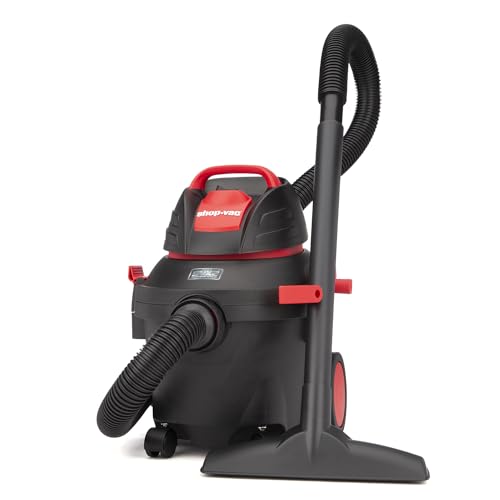
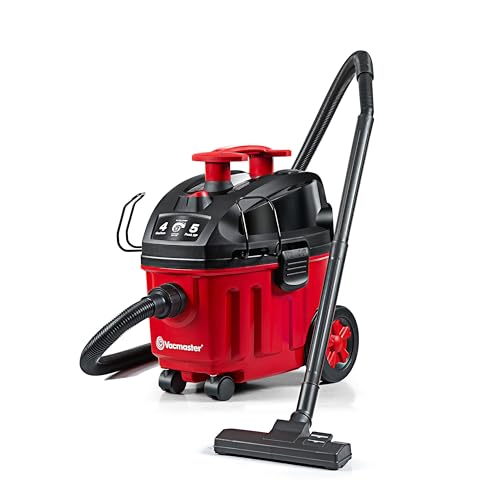
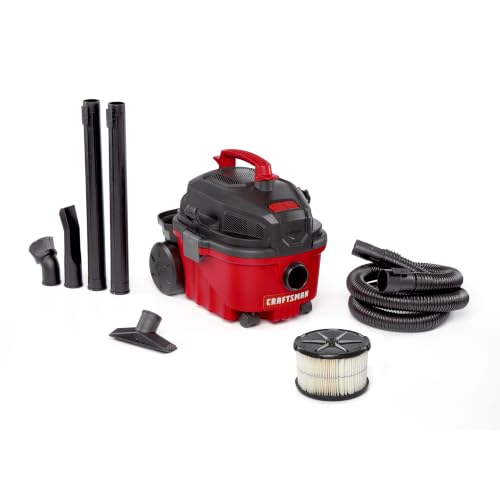
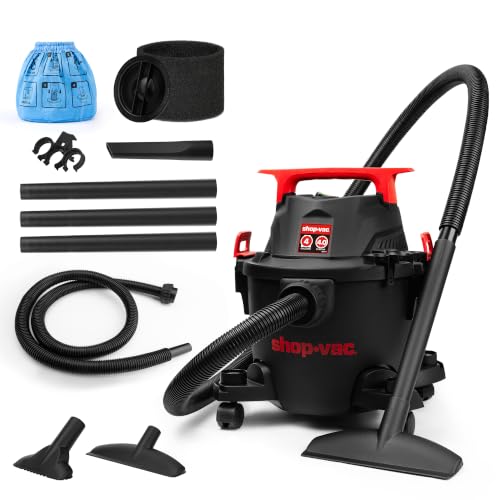
A big shop vac is powerful, but it is also heavy, loud and awkward to drag out for a five minute mess. That is why so many home shops settle on the 4 gallon size. Choosing the best 4 gallon shop vac is less about chasing the biggest motor number and more about matching suction, filters and wet pickup hardware to the jobs you actually do. The comparison table below sums up the main specs side by side so you can see how the size class is laid out.
This guide walks through who a 4 gallon model suits, which specs are worth comparing, and where this size reaches its limits. If you are still deciding between sizes, our guide to the best shop vac sizes and styles gives the wider picture before you narrow down.






Who Should Buy Which 4 Gallon Shop Vac?
Small Garage and Apartment Owners Short on Storage
If your workshop is one corner of a garage or a storage closet, a 4 gallon vac earns its keep by being easy to stash. Most models in this class weigh about 11 to 15 pounds empty and tuck under a bench or onto a shelf. Look for a top handle, onboard accessory storage and a cord wrap, because a vac that is annoying to put away is a vac you stop using. Wall mounting kits and compact stacking shapes matter more here than raw power.
Drivers Who Clean Their Own Car Interiors
Four gallons is a sweet spot for car work. The tank is big enough for a full interior deep clean, yet small enough to carry around the vehicle without banging the doors. A long hose and a crevice tool matter more than tank size, since most of the dirt hides between seats and under pedals. If car care is almost all you do, the guide to the best shop vac for car detailing focuses only on that job and the attachments it needs.
DIYers Who Want a Grab and Go Cleanup Tool
For drilling dust, saw offcuts and the grit that follows every small project, a 4 gallon vac is the one you will actually reach for. It starts fast, empties fast and rinses out in a minute. Choose a model with a blower port if you also want to clear leaves off a porch or blow dust out of a garage corner. Rolling casters help, but a light tank you can carry by the handle usually beats a heavier unit you have to drag.
Key Features to Compare
Suction Power: CFM and Sealed Pressure Beat Peak HP
Peak horsepower is a laboratory number measured before losses, and it tells you little about pickup at the hose end. Compare airflow in CFM and sealed pressure, sometimes listed as water lift, instead. Airflow moves loose debris, while sealed pressure is what pulls heavy grit and water up the hose. Most 4 gallon models draw about 5 to 6 amps, which is plenty for household debris. If two vacs look alike on paper, the one with higher sealed pressure usually feels stronger on mats and cracks.
Tank Capacity and How Fast 4 Gallons Fills
Four gallons sounds generous until you vacuum water. The float inside the tank shuts the motor off before the tank is truly full, so usable wet capacity is closer to 3 gallons. Dry debris is more forgiving, but fluffy material like insulation or planer shavings still fills the space quickly. Think in jobs, not gallons. A car interior or a small spill fits easily, while a flooded basement or a whole renovation cleanup will have you emptying the tank again and again.
Filters and Bags for Dust Control
A cartridge filter handles everyday dirt, and disposable filter bags are the upgrade that matters most for fine dust. Bags keep the cartridge from caking, hold suction longer and make emptying far less messy, which counts if anyone in the house has allergies. Check whether the vac takes standard size bags that are cheap and easy to find, because a model with odd filter sizes costs more to run over the years. Washable cartridges save money if you are willing to rinse and fully dry them.
Wet Pickup Hardware: Float Shutoff and Foam Sleeve
Every wet and dry vac can sip a spill, but the details decide how well. A foam sleeve replaces the paper cartridge for wet work and keeps water spray off the motor. A free moving float is the safety device that cuts suction when the tank fills, protecting the motor from drinking water. Some small models skip a drain port, so you lift and tip the whole tank to empty it. At 4 gallons that is manageable, though a full tank of water still weighs over 30 pounds.
Hose Size, Cord Length and Overall Reach
Reach decides how pleasant a small vac is to use. Add hose length and cord length together and compare the total with the size of your garage or driveway. Most 4 gallon models ship with a hose around 1.25 to 2 inches wide and 5 to 8 feet long. Narrow hoses resist clogging less but fit car interiors better, while wider hoses swallow workshop chunks. A locking hose connection is a small detail you will appreciate the first time a loose hose pops off mid job.
Corded or Cordless Power in This Size Class
Corded models still rule the 4 gallon class because they deliver full suction for as long as the job takes, at a lower price. Cordless versions trade some airflow for total freedom, which suits quick spills and cars parked away from outlets. Runtime on workshop cleanup is usually measured in minutes rather than hours, so a cordless pick makes sense mainly if you already own batteries on that platform. Our guide to the best cordless shop vac options explains the runtime tradeoffs in detail.
Is a 4 Gallon Tank the Right Size for Your Jobs?
Match the tank to your biggest regular job, not your biggest imaginable one. Weekly car cleaning, pet hair on hard floors, workbench dust and small plumbing spills all sit comfortably in this class. If even 4 gallons sounds bulky, the smaller end of the range covered in our best small shop vac guide goes down to sizes that hang on a wall. On the other hand, regular drywall sanding, whole house renovation debris or standing water across a basement floor calls for a 12 to 16 gallon machine with a drain. A quick test helps: picture the mess, then picture carrying that much water to a sink. If the second picture makes you wince, size up.
Common Mistakes to Avoid
- Judging power by peak horsepower alone, so you buy a loud vac that still struggles to lift wet grit from carpet.
- Leaving the paper cartridge filter in for water pickup, which ruins the filter and can strain the motor.
- Pointing a 4 gallon vac at a flooded basement, so you spend the afternoon walking trips to the drain instead of cleaning.
- Ignoring hose diameter, then fighting constant clogs when the narrow hose meets wood chunks and construction debris.
- Skipping filter bags to save a few dollars, so fine dust cakes the cartridge and suction fades within weeks.
How to Make Your 4 Gallon Shop Vac Last Longer
Empty the tank after wet jobs and leave the lid off until the inside dries, because a sealed damp tank grows mildew and smells fast. Rinse the foam sleeve and let it dry fully before the next wet job, and tap or rinse the cartridge filter whenever suction feels weak. Check that the float moves freely every few months, since a stuck float cannot protect the motor. Coil the hose loosely rather than in tight bends, store the vac indoors away from freezing water left in the tank, and replace worn hoses before cracks start leaking suction.
FAQ
What is the best 4 gallon shop vac setup for a small garage?
The best setup pairs the vac with filter bags, a crevice tool and a utility nozzle stored on the machine itself. Bags keep suction strong between cleanings, and onboard storage means the attachments are there when a mess happens. Park the vac where you can reach it without moving the car, because a vac that takes five minutes to reach gets used half as often.
Can a 4 gallon shop vac pick up water safely?
Yes, with the foam sleeve fitted and the paper filter and bag removed. Plug into a GFCI protected outlet whenever you vacuum liquids, keep the plug and your hands dry, and stop to empty the tank before the float cuts the motor off. Never use any shop vac on flammable liquids such as gasoline or paint thinner, because sparks from the motor can ignite the fumes.
How often should the filter in a 4 gallon shop vac be replaced?
Replace the cartridge when suction stays weak after a thorough cleaning, or when the pleats look torn or permanently grey. For most home users that means roughly once a year with regular tapping and rinsing in between. If you vacuum drywall dust or ash often, expect a shorter life, and use filter bags to stretch it.
Is a 4 gallon shop vac strong enough for drywall dust?
It can handle small sanding jobs, but drywall dust is the hardest test for a small vac because the fine powder seals filter pores quickly. Fit a fine dust bag, not just the cartridge, and empty or swap the bag as soon as suction dips. For a full room of sanding, the small tank fills so fast that a larger vac with a bag is the calmer choice.
How loud is a 4 gallon shop vac?
Small shop vacs are loud, generally in the same range as a busy blender or a leaf blower heard from a few steps away. Hearing protection is worth wearing for sessions longer than a few minutes, and apartment users should avoid early morning or late night runs in shared buildings. Cordless models on low settings are somewhat gentler, though never quiet.
Final Thoughts
A 4 gallon model will not replace a big workshop vac, but for most homes it covers the messes that actually happen every week. Weigh suction measured in CFM and sealed pressure, insist on a foam sleeve and a free moving float for wet work, and use the product table above to compare reach and weight at a glance. Chosen well, the best 4 gallon shop vac for your space is the one small enough to grab without thinking and strong enough that you never wish you had dragged out the big machine.


