
Best 6 ft Ladder: How to Choose the Right Type for 2026
Disclosure: We may earn a commission when you buy through links on this page, at no extra cost to you. As an Amazon Associate I earn from qualifying purchases. Learn more

Ceiling height and duty rating decide the best 6 ft ladder: compare step, extension and multi position types before you buy.
An 6 ft ladder sits in a useful middle ground. It is tall enough for painting rooms with high ceilings, changing fixtures, and cleaning first floor gutters, yet it still stores in a garage corner or a closet. Choosing the best 6 ft ladder is less about the height printed on the rail and more about the type, the duty rating, and how high you can actually stand and work once it is set up.
This guide walks through who an 6 ft ladder suits, the features that separate a steady ladder from a wobbly one, and the setup habits that keep you safe. The comparison table below pulls the key specs together so you can see types and ratings side by side before you decide.
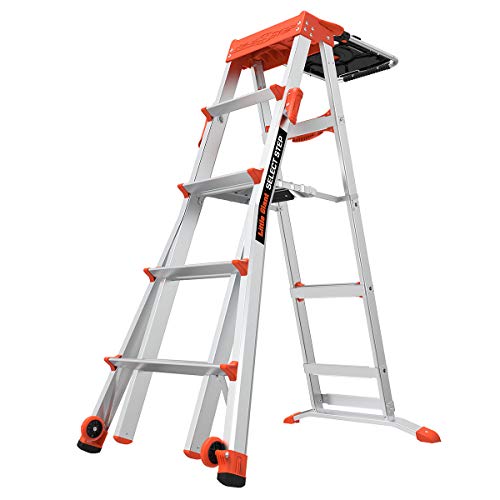
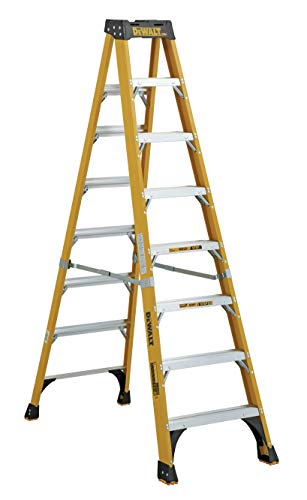
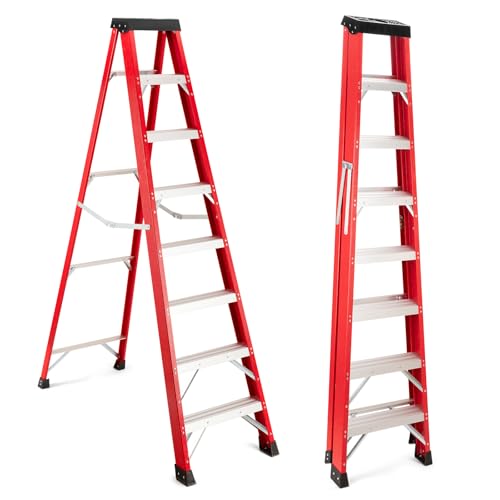

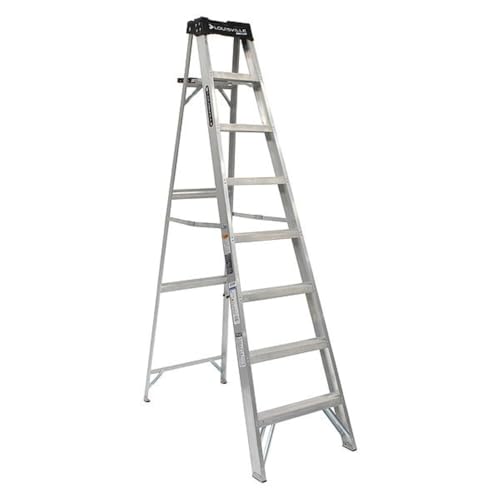

Who Should Buy Which 6 ft Ladder?
Homeowners With 9 to 10 Foot Ceilings
If your home has ceilings around 9 or 10 ft, an 6 ft step ladder puts light fixtures, smoke detectors, and the tops of walls within comfortable reach. A step ladder suits you because it opens into a stable A frame and needs no wall to lean on, so you can work in the middle of a room. Look for a wide top cap that holds a paint can, a brush, and a few screws while you work.
DIYers Who Work Indoors and Outdoors
If you split your time between indoor painting and outdoor jobs like gutter cleaning or hedge trimming, a multi position ladder earns its keep. It works as a step ladder, folds into an extension ladder, and can bridge uneven ground such as stairs. You trade some extra weight for that flexibility, so check the folded length and carry weight before you buy, especially if you will move it around the yard often.
Tradespeople Who Need a Higher Duty Rating
If you climb with a tool belt, a bucket of joint compound, and materials in hand, your combined weight can pass 250 lb quickly. A Type IA or Type IAA ladder, rated for 300 or 375 lb, gives you the margin you need. Fiberglass rails also matter on job sites because they do not conduct electricity, which is a real concern when you work near wiring or service panels. Our broader best ladder guide covers the full range of sizes if your work regularly goes higher.
Key Features to Compare
Ladder Type: Step, Extension, or Multi Position
The type decides how and where you can use the ladder. A step ladder stands on its own and is the easiest choice for flat floors and room interiors. An 6 ft extension ladder leans against a wall or roof edge and reaches higher than its nominal size suggests once extended sections overlap correctly. A multi position ladder converts between shapes and replaces two ladders for many owners. Match the type to your most common job first, then check that it still handles the occasional second job.
Reach and Standing Height
The number on the rail is the ladder size, not your working reach. On a step ladder you should never stand on the top cap or the top step, so your highest safe standing level is about 2 ft below the top, which gives a person of average height a working reach of roughly 12 ft. For an extension ladder, subtract about 3 ft of overlap and lean, then add your own reach. Measure your ceiling or gutter height first and work backward from the reach you truly need.
Duty Rating and Load Capacity
Duty ratings follow a standard scale. Type III holds 200 lb, Type II holds 225 lb, Type I holds 250 lb, Type IA holds 300 lb, and Type IAA holds 375 lb. The rating covers you plus everything you carry, including tools, paint, and materials. Many people underbuy here because they only count body weight. If you are near a limit, move up one class. The stronger ladder also flexes less underfoot, which makes long painting sessions less tiring and noticeably safer.
Material: Fiberglass or Aluminum
Fiberglass rails resist electricity, shrug off dents, and feel rigid, but they weigh more and cost more. Aluminum is lighter and cheaper, and it never rusts, yet it conducts electricity and can bend if it is dropped or overloaded. For indoor painting and general home use, aluminum is easy to carry from room to room. For electrical work, outdoor storage, or daily trade use, fiberglass is usually worth the extra weight. If storage space is tight, compare weights carefully before choosing.
Steps, Feet, and Stability Details
Wide steps, around 3 inches or more, keep your feet comfortable during long tasks, and ribbed or serrated surfaces add grip when shoes are dusty or wet. Look for spreader bars that lock positively on step ladders and rung locks that click into place on extension ladders. Slip resistant feet matter on tile, hardwood, and concrete. A ladder that rocks or twists when you test it in the store will feel worse at height, so stability details are worth more than cosmetic extras.
How to Set Up an 6 ft Ladder Safely
Setup decides whether the ladder feels solid or sketchy. On a step ladder, open it fully and lock both spreaders before you climb, and keep it on a flat surface with all four feet planted. On an extension ladder, use the 4 to 1 rule: for every 4 ft of height to the support point, place the base 1 ft out from the wall. Keep the ladder extending about 3 ft above a roof edge so you have a handhold when you step off.
Face the ladder as you climb, keep three points of contact, and keep your belt buckle between the rails instead of leaning out to the side. If your project is mostly inside a finished home, the advice in our guide to the best ladder for home use covers floor protection and storage in more detail. For tight hallways and small apartments, a best telescoping ladder can be easier to carry, though it works best for lighter tasks. If your real goal is pulling down attic stairs or reaching a hatch, look at the best attic ladder options instead, because a portable ladder is the wrong tool for repeated attic access.
Common Mistakes to Avoid
- Standing on the top cap or the top step of a step ladder, which removes your handhold and makes a fall far more likely.
- Counting only your body weight against the duty rating and forgetting the paint, tools, and materials you carry up.
- Setting an extension ladder at too shallow an angle, so the base slips outward when you climb.
- Leaning sideways past the rails to reach a work area instead of climbing down and moving the ladder.
- Using an aluminum ladder near overhead power lines or open wiring, where a metal rail can carry current.
- Carrying the ladder with one hand on a windy day, which lets a gust swing it into windows, cars, or other people.
How to Make Your 6 ft Ladder Last Longer
Store the ladder indoors or under cover, because sun and rain degrade fiberglass resin, fade labels, and corrode hardware over time. Wash off paint splatter, mud, and chemical spills with mild soap and water, and let the ladder dry fully before you fold it away. Inspect the rails, rungs, rivets, and feet before each use, and retire the ladder if you find cracks, bent rails, or loose rungs.
Keep moving parts working with a light wipe of lubricant on hinges and locks, and replace worn slip resistant feet as soon as they look smooth. Never paint a wooden or fiberglass ladder, because paint hides cracks and damage you need to see. A ladder that is stored flat or hung on wall hooks stays straight, and a straight ladder is a safer ladder.
FAQ
What ceiling height does an 6 ft ladder work best for?
An 6 ft step ladder suits ceilings around 9 to 12 ft, because your safe standing level sits about 2 ft below the top and your arms add roughly 4 ft of reach. For a 12 ft ceiling you will work at full stretch, so consider a 10 ft ladder if you paint tall rooms often. For ceilings under 9 ft, a shorter ladder is lighter and easier to open in small rooms.
Can I stand on the top step of an 6 ft step ladder?
No. The top cap and the top step are not standing surfaces, and labels on the ladder say so clearly. Standing there leaves nothing to hold and puts your center of gravity above the rail tops. If you need that last bit of height regularly, the safer fix is a taller ladder or a platform step model with a wide standing deck and a support rail.
How much weight can an 6 ft ladder hold?
It depends on the duty rating printed on the rail label. Common ratings run from 200 lb for Type III up to 375 lb for Type IAA, and the number includes you, your clothing, your tools, and any materials you carry. Weigh yourself in work clothes, add your heaviest typical load, and then choose a rating with room to spare.
Can an 6 ft ladder reach a single story roof?
An 6 ft extension ladder is usually too short for roof access, because it must extend about 3 ft above the roof edge and loses length to the lean angle and section overlap. Most single story eaves sit 9 to 11 ft up, so a 16 ft extension ladder is the practical minimum. An 6 ft step ladder should never be used to step onto a roof.
How long does an 6 ft ladder usually last?
A well kept aluminum or fiberglass ladder can serve for many years, often a decade or more of home use. Lifespan depends more on storage and handling than on age. Ladders that live outdoors, get thrown into truck beds, or carry loads past their rating wear out far sooner. Replace yours after any fall, hard impact, or visible rail damage, even if it still looks usable.
Final Thoughts
The best 6 ft ladder for you is the one whose type, rating, and material match the jobs you actually do, not the tallest or cheapest option on the shelf. Use the product table above to compare ratings and weights, measure your ceilings and gutters, and pick the ladder that lets you work with your feet at a safe standing level. A few minutes of honest measuring now will keep every future project steadier and safer.


