
Best Attic Ladder: A Buying Guide for 2026
Disclosure: We may earn a commission when you buy through links on this page, at no extra cost to you. As an Amazon Associate I earn from qualifying purchases. Learn more

The best attic ladder fits your rough opening and ceiling height and carries you plus a storage bin. Learn the sizing, load rating and insulation basics.
An attic ladder turns a ceiling hatch you dread into storage you actually use. The best attic ladder fits your existing rough opening, matches your ceiling height, and carries you plus a storage bin without flex or creak. Get the sizing wrong and the ladder either will not install or will land at an angle that feels unsafe every single climb.
This guide walks through measuring the opening and ceiling, choosing a material and opening style, and the insulation and safety details that separate a solid install from a drafty one. The comparison table below outlines the main types first.


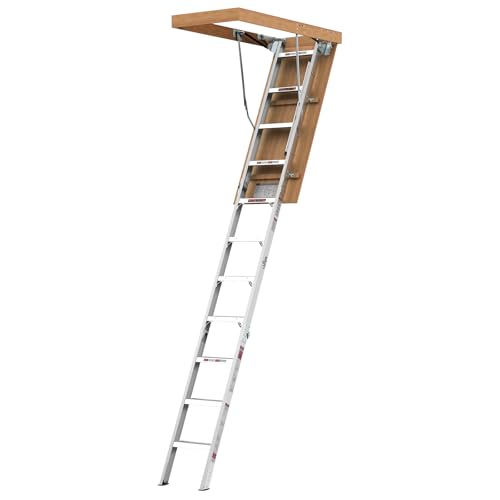
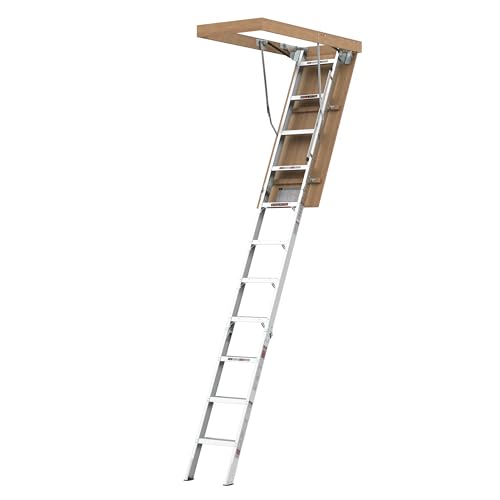
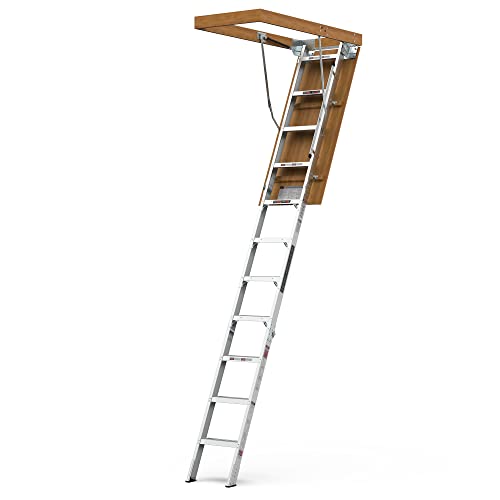


Who Should Buy Which Attic Ladder?
Homeowners With a Standard Opening and Seasonal Storage
Most homes have a rough opening around 22.5 by 54 inches and an 8 to 10 foot ceiling. A folding wood or aluminum ladder in that standard size is the straightforward buy: affordable, widely stocked, and easy to replace later. Choose a load rating of at least 300 pounds if you carry storage bins, because the rating includes you plus what you hold. This is the attic equivalent of choosing the best ladder for home use: sized for the house, ready for weekly jobs.
Owners of Older Homes With Small or Odd Openings
Older houses often have openings near 22 by 36 inches or off standard lengths. Compact folding models and scissor style ladders fit smaller holes and shorter ceiling runs, and some telescope to suit tight landing space. Measure before you shop, because this group cannot rely on standard sizes. If no pull down fits your space at all, a quality best telescoping ladder against a hatch is a workable interim plan, though never as convenient.
Frequent Users Who Want a Sturdy, Quiet Climb
If the attic holds your office files, luggage, or a workshop overflow, you climb weekly and should buy for feel: steel or heavy aluminum sections, wide treads, and a handrail. These cost more than builder grade wood but climb like a staircase instead of a fire escape. Insulated, sealed doors matter to this group too, since a frequently opened hatch leaks conditioned air every day it hangs poorly sealed.
Key Features to Compare
Rough Opening Size and Ceiling Height
These two measurements decide everything, and both must match the ladder exactly. Measure the framed opening in the ceiling, length and width, and the floor to ceiling height at the hatch. Ladders are sold by opening size with a stated ceiling height range; a ladder built for 8 to 9 feet will not land properly under a 10 foot ceiling. If your opening is slightly off standard, a carpenter can reframe it, but that adds cost, so choose the ladder that fits the hole you have whenever possible.
Load Rating and Duty Class
Attic ladders carry ratings from about 250 to 375 pounds. Remember that the number covers your body weight, your clothes, and whatever you carry in both hands, which is why a 300 pound rating is the sensible floor for storage use. Heavier ratings come with sturdier hinges and wider sections. If two adults might ever be on the ladder at once, passing bins hand to hand, choose the top rating class; the ladder is not the place to save the price of a pizza.
Material: Wood, Aluminum, and Steel
Wood ladders are the least expensive and feel solid, but they are heavier to pull down and can warp in humid attics. Aluminum is light, resists corrosion, and suits most homes. Steel is the strongest and stiffest, at the highest weight and price. Whichever you choose, inspect the hinge design and the tread depth: deeper, grooved treads are kinder to bare feet and socks than narrow rungs. Our general guide to the best ladder explains duty ratings in more depth if you want the background.
Opening Style: Folding, Sliding, and Scissor
Folding ladders in three or four sections are the standard and need landing clearance roughly equal to their length. Sliding designs need less swing room. Scissor ladders, built from linked steel sections, fit small openings and extend smoothly, and they often include an insulated box. Consider the floor space under the hatch: a folding ladder that lands where a door swings or a car parks will annoy you for years, so check the landing arc during measuring, not after installation.
Insulation and Weather Sealing
The attic door is a hole in your ceiling insulation, and a bare plywood door leaks heat all winter. Better ladders add an insulated door panel, sometimes rated around R 5 to R 10, plus a perimeter weather seal that closes the gap. In cold climates this upgrade can matter more than the ladder material, since the energy saved repeats every month. Some kits add a separate insulation tent above the door in the attic, which helps when the ladder itself is basic.
Measuring and Installing an Attic Ladder Safely
Measure twice from inside the attic if access allows, since trim can hide the true framed opening. Installation is a two person job: the unit is heavy, awkward, and must sit flush and square in the opening so the door seals and the sections align. Shim the frame level, fasten into the joists with the specified lag screws, and cut the ladder feet at the marked angle so all treads sit level. Never fasten only into drywall or trim. If your ceiling joists run the wrong way or a header must be cut, hire a carpenter, because the opening is structural. Portable best folding ladder models you may already own are handy for reaching the hatch during the install itself.
Common Mistakes to Avoid
- Ordering by the size printed on the old door instead of measuring the framed rough opening yourself.
- Ignoring ceiling height, so the ladder lands too steep or must be trimmed beyond its marked limit.
- Choosing a 250 pound rating and then carrying heavy bins that push you past it every trip.
- Installing the frame out of square, so the door never seals and the sections bind when folding.
- Skipping the insulation and weather seal in a cold climate, then paying for the draft every winter.
- Storing items on the attic floor right at the top of the ladder, leaving no safe place to step off.
How to Make Your Attic Ladder Last Longer
Lubricate the hinges and pivot points once a year with a dry lubricant so dust does not turn the oil into grinding paste. Check the fasteners at the frame each season, since climbing loads work screws loose slowly, and snug any that have backed out. Keep the treads clean; grit under shoes wears the anti slip surface. On wood ladders, inspect the sections for cracks near the hinge bolts, and on all types confirm the pull cord and springs still lower the door smoothly. Replace worn weather stripping when you feel a draft, because the seal also keeps attic dust out of the hall below.
FAQ
What is the standard size for an attic ladder opening?
The most common rough opening is about 22.5 by 54 inches, serving ceilings from roughly 7 to 10 feet depending on the model. Other common sizes include 25 by 54 and compact openings near 22 by 36 inches in older homes. Always shop by your measured opening and ceiling height together, because a ladder that matches one and not the other will not install correctly.
Can you install an attic ladder by yourself?
It is strongly discouraged. The boxed unit can weigh 50 to 100 pounds and must be lifted into the ceiling, held flush, and fastened at the same time. Two people with a temporary support ledge screwed to the joists make the job manageable. If framing changes are needed or the ceiling is high, hiring an installer is money well spent.
How much weight can an attic ladder hold?
Ratings run from about 250 to 375 pounds, and that figure includes you plus everything in your hands and on your back. A full storage bin often weighs 30 to 50 pounds, so do the honest math before choosing the lightest class. Heavier rated ladders also flex less, which makes every climb feel safer even below the limit.
Do attic ladders need to be insulated?
In heated or air conditioned homes, yes, at least with a weather sealed door. The hatch is one of the largest uninsulated gaps in the ceiling, and stack effect pushes warm air up through it all winter. An insulated door or an add on attic tent cuts that loss. In mild climates with unconditioned attics, a basic door with a good seal is usually enough.
Why does an attic ladder feel bouncy when you climb it?
Flex usually comes from a light duty rating, feet cut slightly off level, or a frame that was not shimmed tight to the joists. Check the feet first: if one side barely touches, the ladder twists under load. Tightening the installation and choosing a higher duty class on replacement both firm up the climb noticeably.
Final Thoughts
Measure the opening and the ceiling, buy the duty rating your heaviest trip demands, and seal the door like the energy leak it is. With those three decisions right, the best attic ladder for your home makes storage runs quick and uneventful for decades. Use the product table above to compare styles before you order.


