
Best Aluminum Ladders in 2026: Light to Carry, Built to Last
Disclosure: We may earn a commission when you buy through links on this page, at no extra cost to you. As an Amazon Associate I earn from qualifying purchases. Learn more

The best aluminum ladder is light to carry and rust free, but it conducts electricity. Compare ladder types, duty ratings, weight and dent care before you buy.
Aluminum is the most common ladder material because it solves the everyday problem: moving the ladder. It is light, it does not rust, and it costs less than fiberglass at the same size. Its limits are just as clear: aluminum conducts electricity, and its rails dent more easily. This guide shows how to pick the best aluminum ladder for your jobs, and how to respect the one safety rule this material never lets you forget.
Start with the comparison table below to check type, rating, and weight. Then read the sections that follow on rail profiles and multi position designs, because two aluminum ladders of the same length can feel completely different on a roof rack, on stairs, and under your feet at height.
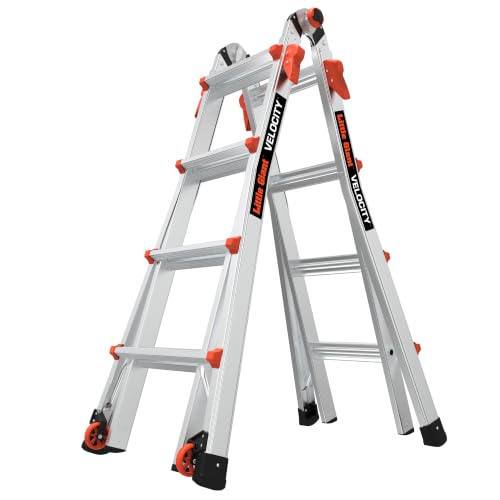
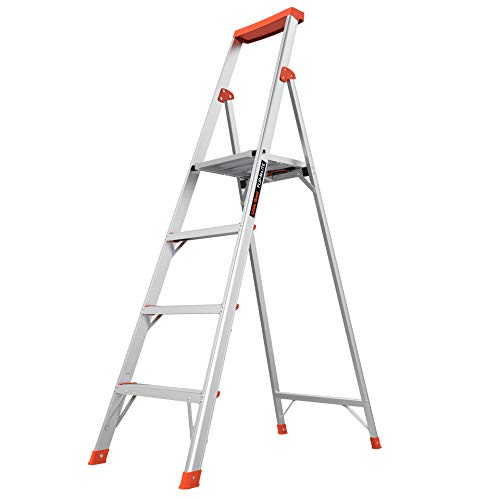
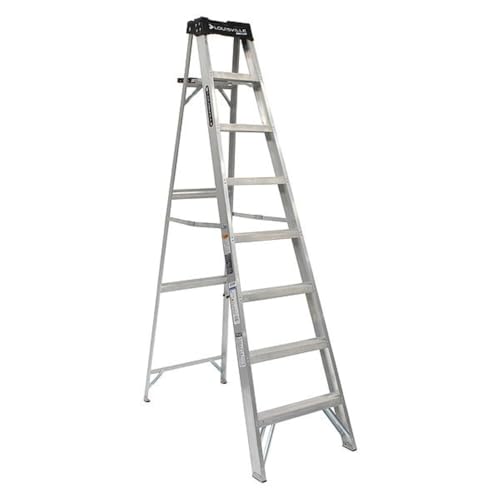
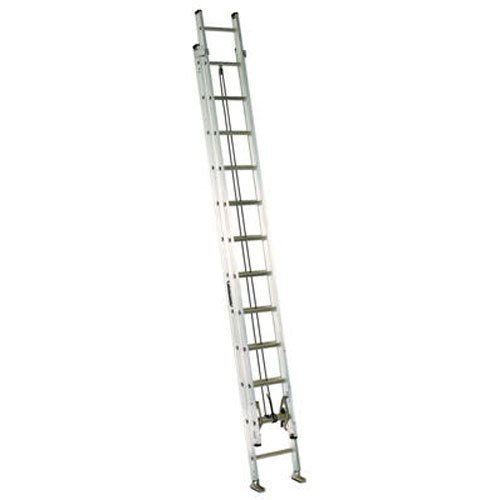


Who Should Buy Which Aluminum Ladder?
Homeowners Who Carry the Ladder Often
If your ladder moves between garage, garden, and house every week, low weight is a safety feature, not a luxury: you handle it calmly instead of wrestling it. An aluminum step ladder or a mid size extension ladder covers gutters, painting, and tree work for most homes. Our guide to the best ladder for home use matches sizes to ceiling heights and yard tasks if you are still deciding how tall you need.
Contractors Loading Roof Racks Daily
For crews and solo tradespeople, aluminum extension ladders earn their place through carry weight and price. A long aluminum ladder can be lifted onto a rack by one person without the strain a fiberglass equivalent demands, and replacing a damaged unit hurts the budget less. Choose heavier duty ratings for daily use, since stiff rails and strong rung locks are what survive a season of loading, bouncing, and site work.
Painters and Decorators Who Need Many Positions
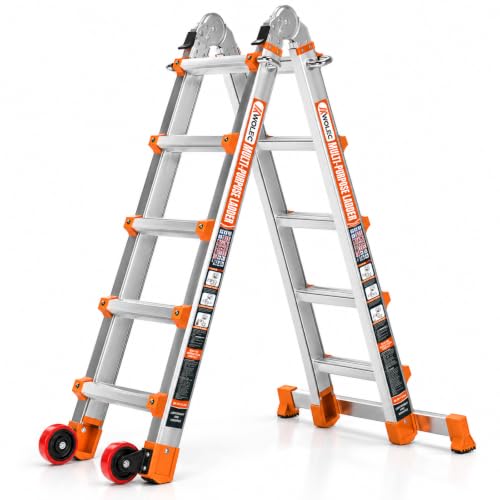
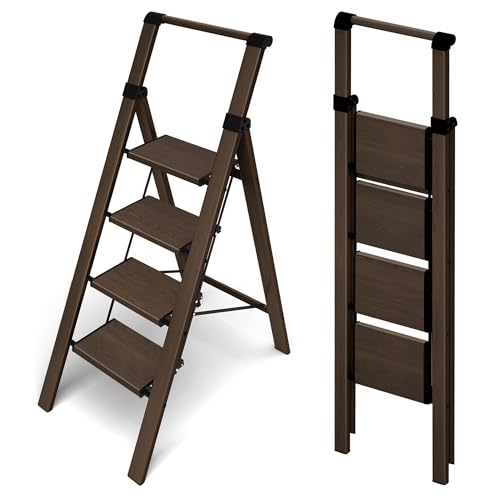
Multi position ladders, the articulated designs that work as a step ladder, extension, stair ladder, and scaffold base, are almost always aluminum. For painters moving room to room and working over stairs, one such ladder replaces three. The trade is weight and bulk in the folded state, plus hinges that need inspection. If your work is mostly one position repeated, a simple step ladder in aluminum is lighter and quicker to open.
Key Features to Compare
Ladder Type: Step, Extension, Multi Position, or Telescoping
Step ladders self support for indoor and flat ground work. Extension ladders reach roofs and tall walls but need a structure to lean on and a correct climbing angle. Multi position models adapt to stairs and uneven ground with more weight and more moving parts. Telescoping ladders collapse small enough for a closet or car trunk, trading some rigidity for storage. Aluminum serves all four types well, so choose by your tallest and most frequent job, not by the most flexible brochure.
Duty Rating and Rail Stiffness
Aluminum ladders span the ANSI ratings from Type III household at about 200 pounds up to Type IAA at about 375. Higher ratings use thicker rail extrusions, which also reduce flex and bounce at height. On long extension ladders, that stiffness is comfort and confidence, not just capacity. Match the rating to you plus tools and materials, and if two ladders share a rating, trust the one with deeper rail profiles and a calmer feel when you try climbing it in the store.
Weight Savings in Real Numbers
Expect an aluminum step ladder to weigh roughly a quarter to a third less than its fiberglass twin, and the gap widens on extension ladders. That difference decides whether you carry the ladder with one hand while opening gates with the other, or set it down twice on the way. It also decides whether a ladder gets used or avoided. For occasional high jobs, a best telescoping ladder pushes the weight and storage advantage further, though with a shorter maximum reach than a full extension ladder.
Rungs, Steps, and Grip Details
Look for wide, ribbed rungs or steps that support boots and work shoes without hot spots during long stands. On extension ladders, D shaped rungs present a flat surface to your foot when the ladder is at the proper angle, which reduces fatigue noticeably. Rung locks should engage with a positive feel you can confirm by touch and sound. On step ladders, a molded top with slots for tools and a paint tray saves trips, and magnetic trays keep screws from vanishing into grass.
Dents, Corrosion, and Repair Reality
Aluminum does not rust, which suits coastal air and damp sheds, though it can develop a dull oxide film that is cosmetic only. Its weakness is impact: a dropped ladder or a load shift in a truck can dent a rail, and a dented rail loses real strength. Inspect rails after any hard knock and retire a ladder with a creased or bent rail rather than trying to straighten it. Our general best ladder guide explains retirement criteria that apply across materials.
The One Rule Aluminum Never Forgives
Aluminum conducts electricity. Never use an aluminum ladder where it can contact power lines, service drops, or live wiring, and be careful carrying long ladders upright near overhead lines, since most contacts happen during setup, not climbing. If your work regularly happens near electrical hazards, choose fiberglass instead and still keep proper clearances. For attic entry, remember that a fixed best attic ladder removes the carry and contact risks entirely for that one repeated job.
Common Mistakes to Avoid
- Using an aluminum ladder near overhead lines, where one moment of inattention during setup can be fatal.
- Ignoring a dented rail, which quietly removes much of the strength the rating promises.
- Buying the lightest household rating for trade use, so the ladder flexes and wears out within a season.
- Overloading multi position hinges with scaffold planks and two workers beyond the stated setup limits.
- Carrying a long ladder vertically through doorways and yards, the classic path to line contact and dented ends.
- Storing the ladder under heavy items in a truck or shed, which bends rails slowly out of true.
How to Make Your Aluminum Ladder Last Longer
Rinse off mud, salt, and concrete splatter after dirty jobs, then dry the ladder before storage so grit does not grind in the rung locks and hinges. Lubricate extension ladder locks and multi position hinges lightly as the maker directs, and check that every lock still engages fully. Store it flat or hanging on wall brackets so rails stay straight, and pad the contact points on vehicle racks. Inspect after any drop or vehicle incident: look along each rail for dents and bends, spin nothing, trust your eyes and a straight edge. After a fall from any ladder, watch for head injury warning signs like worsening headache, confusion, or vomiting, and get medical care the same day if they appear.
FAQ
Are aluminum ladders worth it?
Yes, for most home and much trade use. They are the lightest and most affordable ladders at a given size and rating, they never rust, and they come in every ladder type including multi position designs. The value case fails only when your work involves electrical hazards or when you need the extra stiffness of heavy fiberglass at long lengths. For everyone else, aluminum is the practical default.
How long does an aluminum ladder last?
With indoor storage and honest use, an aluminum ladder can last decades; the material itself does not fatigue quickly or corrode away. Life usually ends by accident rather than age: a bent or dented rail, a cracked plastic fitting, or worn rung locks. Inspect it twice a year and after any drop, and retire it when rails are damaged, because straightening a bent rail does not restore its rated strength.
Is an aluminum ladder safe around electricity?
No. Aluminum is an excellent conductor, and an aluminum ladder that touches a live line can carry the full current to you. Keep aluminum ladders well away from overhead lines and exposed wiring, including during carrying and setup when most contacts occur. If a job requires working near electrical hazards, use a clean, dry fiberglass ladder, keep required clearances, and de energize circuits whenever possible.
What is the best type of aluminum ladder for painting a house?
Most painters pair two types: an extension ladder for exterior walls and eaves, and a step ladder or multi position ladder for interiors and stairwells. The multi position design earns special mention because it handles stairs safely, which is where interior painting gets awkward. Choose ratings that cover you plus a loaded paint tray, and pick wide steps or a platform top for the long standing that cutting in requires.
Can a dented aluminum ladder be repaired?
A dented or bent rail should not be repaired by straightening, because the metal has already yielded and its strength at that spot is reduced in ways you cannot verify at home. Small cosmetic dents away from rails, such as on a top cap, are less serious, but rail damage is a retirement decision. Replacement parts like feet, locks, and trays are fine to fit; structural rails are not a home repair.
Final Thoughts
Choose aluminum for light carry, low cost, and freedom from rust, and respect its single hard limit around electricity. Pick the type by your most frequent job, the rating by your real loaded weight, and inspect rails after every knock. Compare your shortlist in the product table above, and the best aluminum ladder for your work will be the one you move without thinking twice. If balance problems or a past head injury make climbing risky, talk with your doctor first and leave the high work to a professional. Prices and availability can change, so check the product page before ordering.


