
Best 12 Ton Jack Stands in 2026: How to Choose a Heavy Set
Disclosure: We may earn a commission when you buy through links on this page, at no extra cost to you. As an Amazon Associate I earn from qualifying purchases. Learn more

Choosing the best 12 ton jack stands comes down to pair ratings, saddle height, footprint and locking design. This guide explains each factor clearly.
Lifting a loaded diesel pickup, a travel trailer, or a small tractor asks far more of a stand than holding up a compact sedan. The frame sits higher, each corner weighs far more, and a stand that feels solid under a car can look worryingly small under a three quarter ton truck. Choosing the best 12 ton jack stands for your garage starts with understanding what that rating really promises and where the limits sit.
This guide walks through pair ratings, saddle height, base footprint, and locking design, then covers safe placement and the mistakes that damage stands. The comparison table below sums up the main types side by side, so you can match a set to the heaviest corner you actually lift.
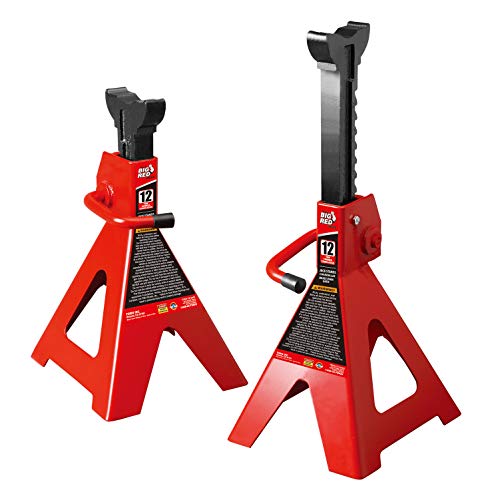


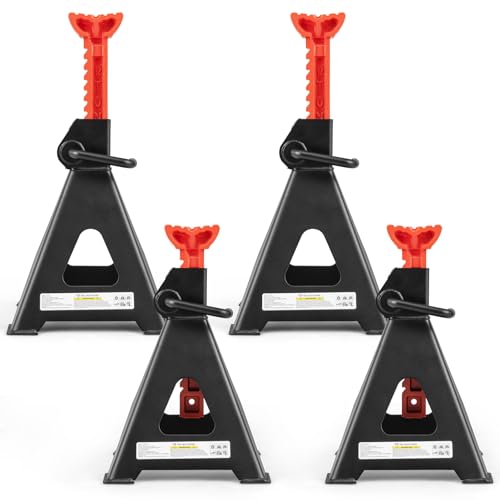
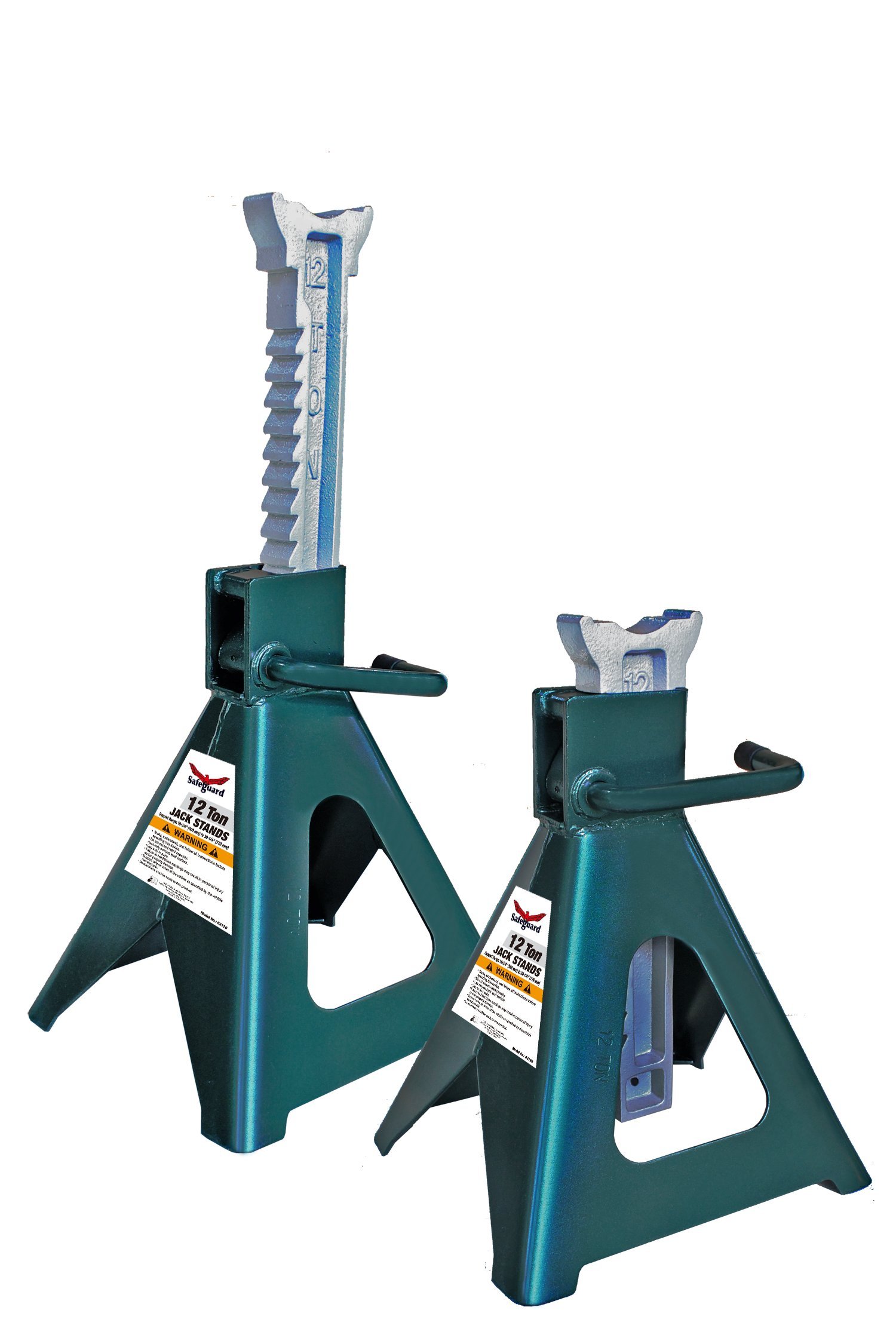

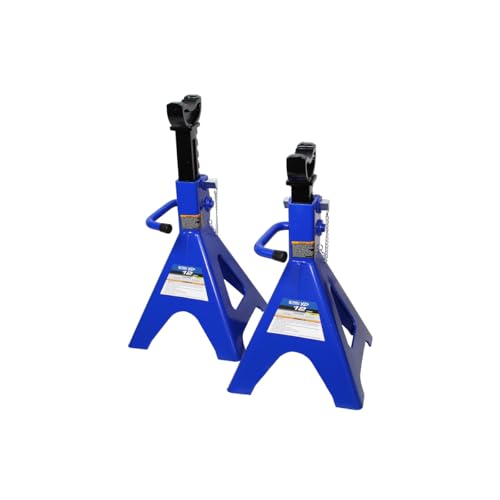
Who Should Buy Which 12 Ton Jack Stands?
Owners of Heavy Pickup Trucks
A loaded crew cab diesel can put well over 3,000 pounds on a single front corner once fuel, tools, and a plow or winch are added. Standard 3 ton stands run out of both capacity and height under these trucks. A 12 ton set gives you working margin and the taller lift range that high frames demand, especially when you work on suspension or steering parts and need room to move.
RV and Trailer Owners
Travel trailers, fifth wheels, and motorhomes need stands for axle work, brake service, and bearing repacks, often on both sides at once. Four tall stands let you support the frame level while wheels come off. Level, stable support matters here because RV frames flex, and an uneven setup twists the body and can bind doors and slides.
Farm and Equipment Owners
Compact tractors, skid steers, and loaded utility trailers fall in the same weight band as heavy trucks but sit on uneven ground more often. If you service equipment in a barn or on packed gravel, a wide base 12 ton set with a tall saddle range handles the height and spreads the load better than light automotive stands ever will.
Key Features to Compare
Rated Capacity and How Pair Ratings Work
The 12 ton figure describes the pair, not a single stand, so each stand carries up to 6 tons or 12,000 pounds. Ratings assume the load is shared evenly and the stands sit on level ground. What matters is the weight of the corner you lift, not the full vehicle weight, since you rarely raise more than one axle at a time. If your heaviest corner is modest, the broader guide to the best jack stands covers lighter sets that are easier to carry and store.
Height Range and Saddle Reach
Tall stands typically start around 18 inches and rise to roughly 28 to 30 inches, far above car stands. Measure from the ground to your frame rail with the vehicle at rest, then add the droop of the suspension once the wheel leaves the ground. A stand that tops out below your lift point is useless, and one that only works at full extension leaves the pawl near its limit, so aim for a working height in the middle of the range.
Base Footprint and Stability
Heavy stands earn their keep through the base. Look for a wide stance, thick steel feet, and a footprint that resists tipping when you pull on a breaker bar. Welded feet with broad pads spread the load on concrete and keep edges from digging into asphalt on hot days. A narrow base under a tall, heavy load magnifies every wobble, so footprint matters as much as the tonnage printed on the box.
Locking Mechanism and Safety Pins
Most 12 ton stands use a ratchet bar with a forged pawl that locks under load, and better sets add a separate locking pin as a second barrier. That pin is worth having, because it guards against an accidental handle bump releasing the pawl. Check that the pawl engages the teeth fully across its width, and avoid stands with thin stamped pawls or sloppy bar fit, since both wear into play over time.
Saddle Shape and Frame Contact
The saddle should cradle what it holds. A deep V shape centers axle tubes and round crossmembers, while a flatter wide saddle suits flat frame rails. Thin or sharp saddle edges concentrate pressure and can dent thin walled tubes, so look for generous contact area. Some saddles accept rubber pads, which protect painted frames and reduce the metal on metal creep that lets a load shift slightly as you work.
How to Place 12 Ton Stands Safely
Work on flat, solid concrete whenever you can, and chock the wheels that stay on the ground at both the front and back. Raise the vehicle with a jack rated for the load, set both stands at the same height under the lift points the maker specifies, and lower the vehicle slowly until the stands carry the full weight. Then push the vehicle gently at the fender. It should feel planted, with no rocking or creaking, before anyone reaches underneath.
Two habits prevent most stand accidents. First, never treat the jack as the support, because jacks are lifting devices that can drift down as seals age. Second, keep the load centered on the saddle rather than resting on an edge. Drivers who only service trucks will find more sizing detail in the guide to the best jack stands for trucks, where frame heights and corner weights are covered in depth.
Treat any stand that has been overloaded, dropped from height, or shows a bent bar as finished. A crush injury under a vehicle is a medical emergency, so call for help at once if the worst happens, and never delay care to finish a job.
Common Mistakes to Avoid
- Reading the 12 ton rating as per stand instead of per pair, which doubles your assumed margin and invites overload.
- Setting stands on gravel, soil, or cracked asphalt, so a foot sinks and the load leans until it slips off the saddle.
- Mixing one tall stand with one short stand under the same axle, which leaves the vehicle tilted and the load unevenly shared.
- Lifting on a slope and trusting the parking brake, so the vehicle rolls as the weight shifts onto the stands.
- Skipping the shake test after lowering, so a poorly seated saddle goes unnoticed until you are already underneath.
- Using a stand with worn pawl teeth or a sticky release handle, which can slip a tooth under load.
How to Make Your 12 Ton Jack Stands Last Longer
Wire brush dirt and road grit off the ratchet teeth after outdoor use, because packed grit keeps the pawl from seating fully. A light wipe of oil on the bar and pivot points prevents surface rust in damp garages, but keep oil off the saddle face where friction helps hold the load. Store stands upright in a dry corner rather than tossing them in a pile, since bent bars and chipped teeth usually come from rough handling, not from lifting.
Once a season, raise and lower each stand through its full range and inspect the pawl, the pin holes, and the welds at the feet. Retire any stand with cracks, a sprung base, or teeth rounded enough to skip. Stands are cheap compared with what they protect, and a matched fresh pair beats a doubtful old one.
FAQ
What size jack stands do I need for a heavy truck?
Start from the heaviest corner weight, not the gross vehicle weight. Most three quarter ton and one ton pickups put about 2,500 to 3,500 pounds on a front corner, so a pair with a 6 ton rating or more gives working margin, and 12 ton sets add height as well. Measure your frame height too, because capacity alone does not help if the saddle cannot reach the rail.
Is the 12 ton rating for one jack stand or for the pair?
The rating is for the pair used together, so each stand is built for about 6 tons. This per pair convention is standard across the industry and appears on the rating label of nearly every set. Never place the full rated load on a single stand, and never assume a mismatched pair shares weight evenly.
How long do 12 ton jack stands last?
A quality steel set lasts decades if it is kept dry, inspected yearly, and never overloaded or dropped. The parts that age are the pawl teeth and the locking pin holes, which wear with every cycle. Stands stored outdoors or used on salted winter roads rust faster, so a dry indoor corner and an occasional oil wipe add years of service.
Can 12 ton jack stands be used under a regular car?
You can, but the fit is poor. Their minimum height is often too tall to slide under a low car frame, and the wide saddle dwarfs small pinch welds and rails. For daily drivers, a lower set from the guide to the best jack stands for cars reaches the lift points properly and is far easier to position in a tight garage.
Are 6 ton jack stands enough, or should I go straight to 12 ton?
For half ton trucks and large SUVs, a 6 ton pair usually covers corner weights with room to spare, and the sets are lighter to move around. Step up to 12 ton when frame height, diesel weight, or trailer work pushes past that comfort zone. The guide to the best 6 ton jack stands explains where that middle size stops being enough.
Final Thoughts
Heavy vehicles forgive very little, and the stand is the part your safety rests on while you work. Match the pair rating to your heaviest corner, give the height range and base footprint as much weight as the tonnage figure, and insist on a locking pin as backup. Chosen that way, the best 12 ton jack stands become a buy once tool that serves trucks, trailers, and equipment for decades. Compare the main designs in the product table above before you order, and measure your frame height one last time to confirm the fit.


