
Best 12V Impact Drivers in 2026: A Buying Guide
Disclosure: We may earn a commission when you buy through links on this page, at no extra cost to you. As an Amazon Associate I earn from qualifying purchases. Learn more

Pick the best 12v impact driver by torque, head length and battery platform, with honest limits on lag bolts and deck work plus bit and battery care tips.
A 12 volt impact driver is the tool you grab when fasteners live in awkward places: inside cabinets, between joists, under sinks. Choosing the best 12v impact driver is about honest torque, a short head that actually fits those spaces, and a battery platform whose other compact tools match the work on your list.
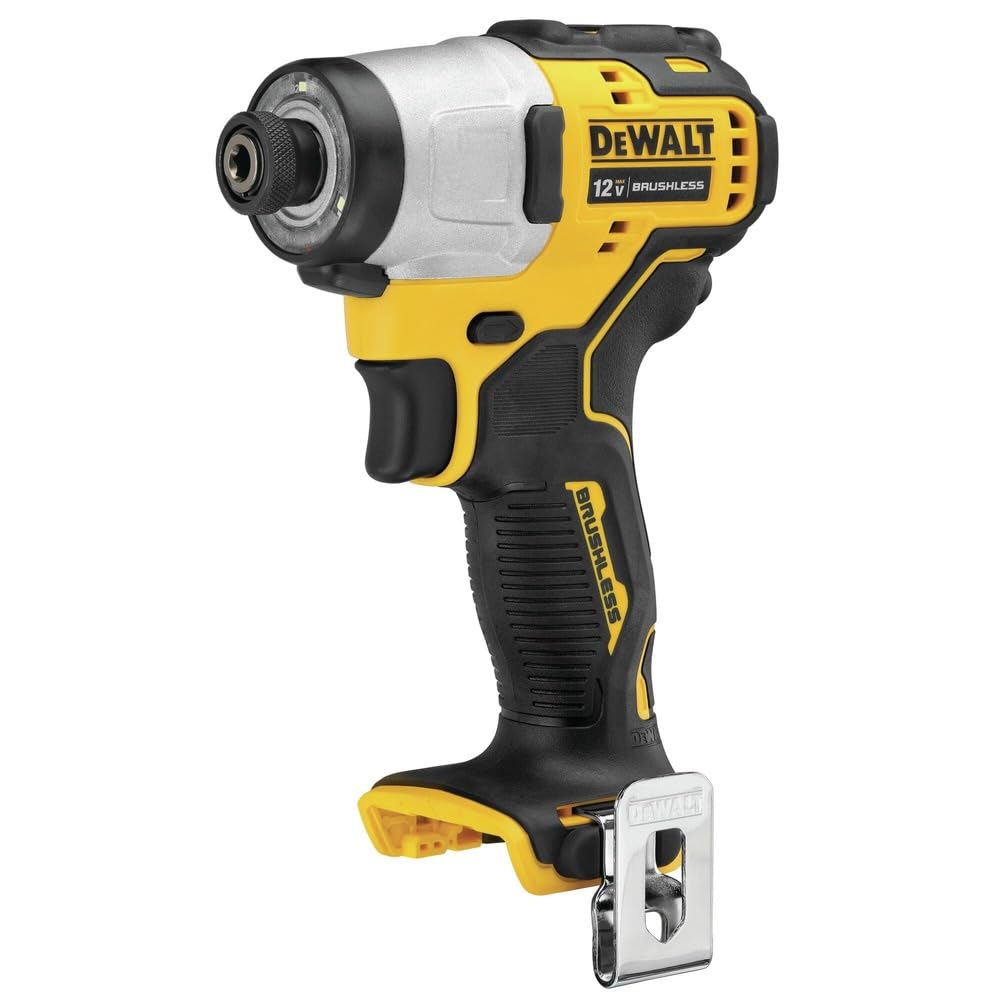
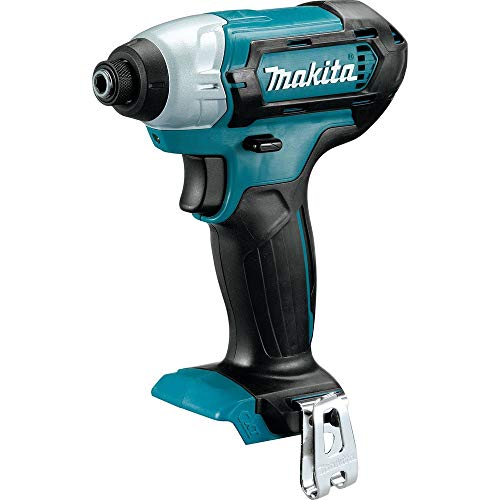
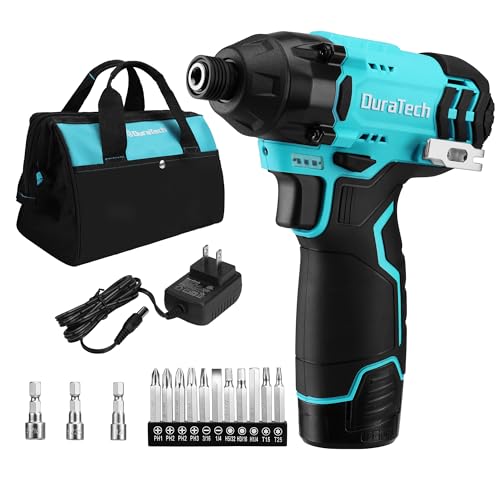
This guide separates the specs that matter at this size from the marketing numbers borrowed from bigger tools. The comparison table below shows the main 12 volt classes side by side so you can see what each format gives up and gains.

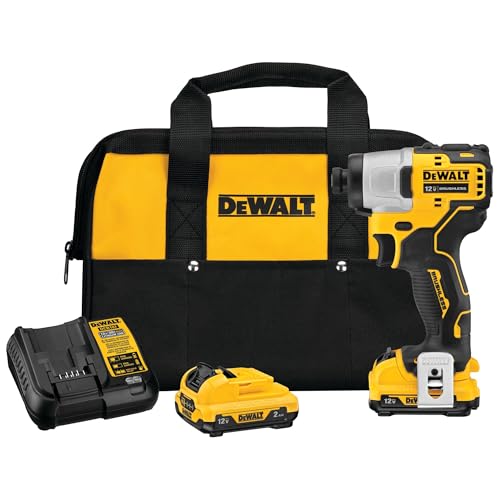
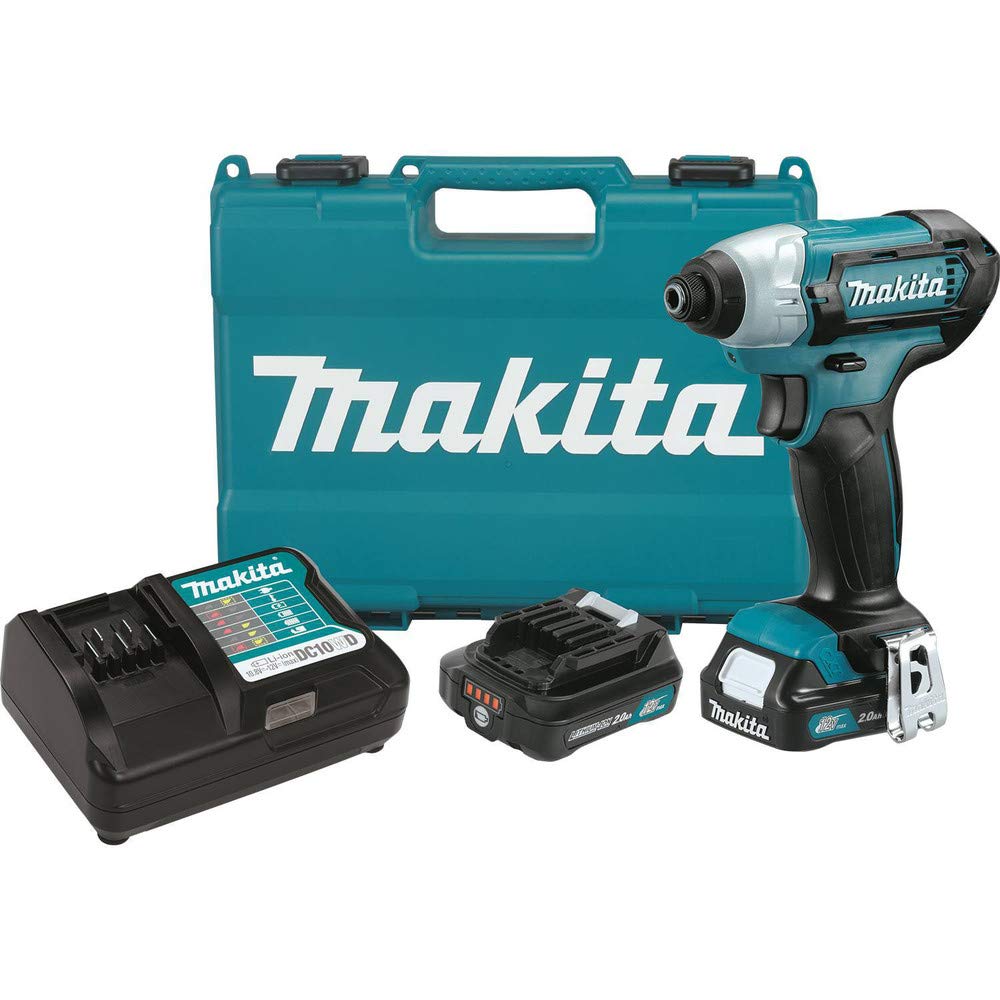
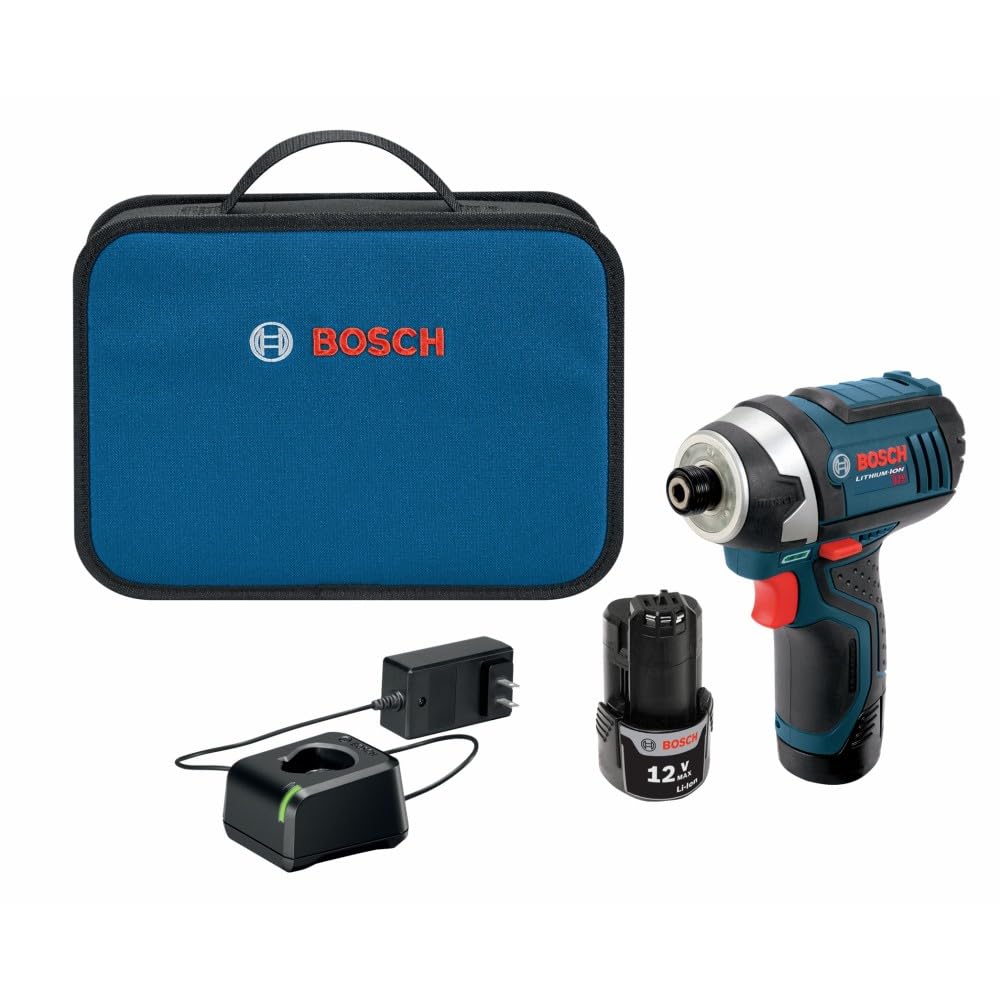

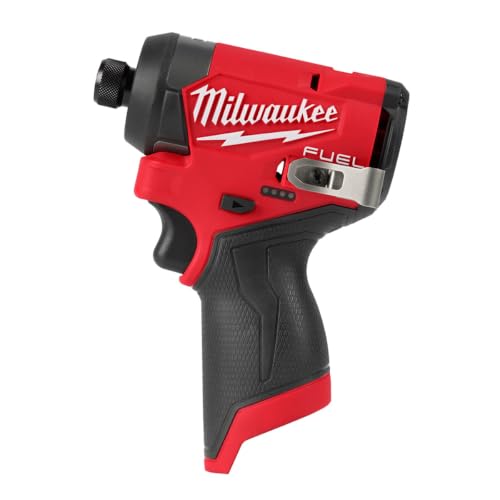

Who Should Buy Which 12V Impact Driver?
Cabinet Installers and Furniture Builders
Your screws are short, your spaces are tight, and your finish surfaces punish clumsy tools. A compact driver with a gentle low speed mode and a short head protects veneer and hardware while still seating hinge and slide screws all day. Pairs of small batteries rotated on a rapid charger keep the tool near two pounds, which your wrist will appreciate across a full kitchen install.
Electricians and Plumbers Working in Stud Bays
Driving straps, boxes, and fittings inside walls rewards a driver that fits between studs and shrugs off dust. An LED light ring around the collet genuinely helps in dark cavities. If your fastener list is mostly screws under three inches, a 12 volt driver covers the day; our guide to the best impact driver for home use shows the larger formats to consider only if your work regularly outgrows this class.
Homeowners Who Want One Small Driver
For flat pack furniture, fence pickets, and general fixings, a 12 volt driver is often the only driver a household needs. It stores in a drawer, charges quickly, and feels friendly rather than intimidating. Buy into a platform whose lineup includes a matching compact drill, because drilling pilot holes and driving screws are two halves of the same job and sharing batteries keeps the kit cheap.
Key Features to Compare
Torque in Honest Working Terms
Most 12 volt impact drivers deliver about 1,000 to 1,500 inch pounds of torque, which drives construction screws up to about three inches into framing lumber and handles deck hardware on small projects. That is far beyond any drill of similar size, yet well below full size 18 volt drivers, and the difference shows on long structural screws. Judge torque against your longest regular fastener rather than the biggest you can imagine, and remember that pilot holes extend what a small driver can do comfortably.
Head Length and Overall Size
The whole point of this class is access, so head length is a headline spec: many models measure about 5 to 5.5 inches from collet to back. That short nose reaches inside cabinets, between drawer runners, and into engine bay corners where longer drivers simply cannot go. This is also the ground where 12 volt tools compete with the wider family covered in our guide to the best compact impact driver designs, some of which are compact 18 volt models, so compare actual measurements rather than voltage labels.
Speed Settings and Gentle Modes
Multiple speed ranges, and ideally a low precision setting, separate a controlled driver from a screw snapper. Low speed keeps small brass and flat pack hardware intact, while top speeds around 2,500 to 3,000 RPM with high impact rates move construction screws quickly. A variable speed trigger with a soft start feel helps on delicate work. If a driver offers only one aggressive speed, expect a learning curve paid for in stripped screws and cammed out heads.
Brushless Motor and Collet Design
Brushless motors dominate this class for good reason: they are shorter, cooler running, and kinder to small batteries. The collet should accept standard 1/4 inch hex bits with one handed insertion and a positive eject, because fumbling bits overhead is nobody's hobby. Some collets also accept bits without pulling the sleeve back, a small luxury you will notice daily. Check that the collet grips short insert bits securely, since wobble there ruins accuracy on finish hardware.
Battery Platform and Pack Sizes
Your driver battery should also power the compact drill, light, and multitool you may add later, so platform depth matters as much as the driver itself. Compact packs around 2.0 amp hours keep weight near two pounds total, while extended packs add runtime for bigger days at a small weight cost. If your work ever stretches to automotive fasteners and suspension bolts, read our guide to the best impact driver for automotive use before assuming a 12 volt tool belongs there, because that work usually demands a larger wrench instead.
Where a 12V Driver Shines and Where It Runs Out
Inside its envelope, screws up to about three inches, cabinet and trim hardware, light framing repairs, this class is fast, light, and precise. Outside it, long lag bolts, large structural screws, and rusted automotive fasteners expose the torque ceiling quickly. Stepping up to the full size formats in our guide to the best impact driver roughly doubles available torque for those jobs. The smart kit pairs a 12 volt driver for daily work with access to a bigger tool on the rare heavy day, instead of carrying the big tool every day.
Common Mistakes to Avoid
- Driving long lag bolts with a 12 volt driver and no pilot hole, which overheats the motor and can snap the fastener.
- Using standard chrome bits that are not impact rated, so the bit shatters or twists under hammer action.
- Running full speed on small hardware, which strips flat pack fittings and snaps brass screws instantly.
- Judging the class by an 18 volt torque chart, then blaming the tool for limits that were printed on its box.
- Storing the driver with a bit under load in the collet for months, which invites rust that makes ejection sticky.
- Skipping safety glasses because the tool is small, while impact driving throws fastener fragments just like bigger tools.
How to Make Your 12V Impact Driver Last Longer
Keep impact rated bits in the collet and replace them when the hex corners round, since worn bits cam out and chew screw heads. Blow dust from the housing vents after drywall or cabinet work, and store small batteries at partial charge away from heat. Avoid using the driver as a drill substitute with large auger bits, which loads the hammer mechanism in ways it was not built for. A drop or two of light oil on the collet sleeve each season keeps ejection smooth, and the tool should serve for years.
FAQ
Can a 12V impact driver handle lag bolts?
Small lag bolts up to about 1/4 inch diameter and 3 inches long are manageable with a pilot hole in softwood, driven in short bursts. Larger structural lags belong to 18 volt drivers or impact wrenches, where torque reserves are far greater. Forcing a 12 volt driver through repeated large lags overheats it and shortens its life, so match the tool to the fastener rather than testing the limit on every bolt.
Do 12V impact drivers need special bits?
Yes. Use impact rated bits with a slim torsion zone that flexes under hammer blows, because standard driver bits are brittle and can crack or shatter. The cost difference is small and the safety difference is real. Replace bits when the tip starts to twist or round, since a worn bit damages screw heads and makes the driver feel weaker than it is, long before the tool itself is at fault.
How long does a 12V battery last on an impact driver?
A compact 2.0 amp hour pack typically drives a few hundred medium screws per charge, which covers most days of cabinet and trim work. Long screws into dense lumber cut that figure sharply, and cold weather reduces it further. Rotating two packs on a rapid charger keeps you working without pause, and the small packs refill quickly enough that a two pack rotation rarely leaves you waiting.
Can a 12V impact driver remove lug nuts?
No, not reliably. Lug nuts are torqued well beyond what this class delivers, and straining against them only overheats the driver. That job belongs to a 1/2 inch impact wrench, and final tightening belongs to a torque wrench. A 12 volt driver does shine on the small fasteners around a vehicle, like trim screws and underbody covers, once the wheels are off by the right tool.
Is a 12V impact driver a good replacement for a drill?
It complements a drill rather than replacing it. Impact drivers excel at driving screws but lack a clutch, so they overdrive delicate fasteners without care, and they need hex shank drill bits for holes. Most owners pair the driver with a compact drill on the same battery platform, one for holes and one for screws, which is faster than swapping bits in a single tool all day.
Final Thoughts
Judge this class on access and control first, torque second, and the platform behind it third. The product table above maps the formats, and your tightest workspace should arbitrate between them. Choose the best 12v impact driver that fits your cabinets, your stud bays, and your battery shelf, feed it impact rated bits, and it will quietly become the most reached for tool you own.


