
5 Best 2 Gallon Garden Sprayers 2026 - Detailed Buyer Guide & Top Picks
Disclosure: We may earn a commission when you buy through links on this page, at no extra cost to you. As an Amazon Associate I earn from qualifying purchases. Learn more

Maintaining a lush lawn, defending your vegetable beds against aggressive weeds, and applying precise pest treatments requires dependable equipment. A two-gallon capacity hits the absolute sweet spot for most homeowners and suburban property managers. It provides enough volume to treat up to a thousand square feet of turf or dozens of garden beds without demanding constant trips back to the outdoor spigot, while keeping the loaded weight right around twenty pounds so you can carry it comfortably without severe shoulder strain. With updated designs arriving for 2026, navigating through battery-powered pumps, heavy-duty stainless steel tanks, and standard manual compression sprayers can feel overwhelming.
To help you select the ideal setup for your seasonal outdoor projects, we evaluated 5 top-tier models from well-known manufacturers including Chapin, Petra, and Happybuy. By breaking down tank durability, seal integrity, pump efficiency, pressure maintenance, and nozzle versatility across various yard chores, our goal is to give you clear, practical guidance. Whether you need an effortless motorized sprayer for routine fertilizing or a rugged pressure-monitored tank for perimeter treatments, exploring our curated garden tools collection will point you in the right direction.
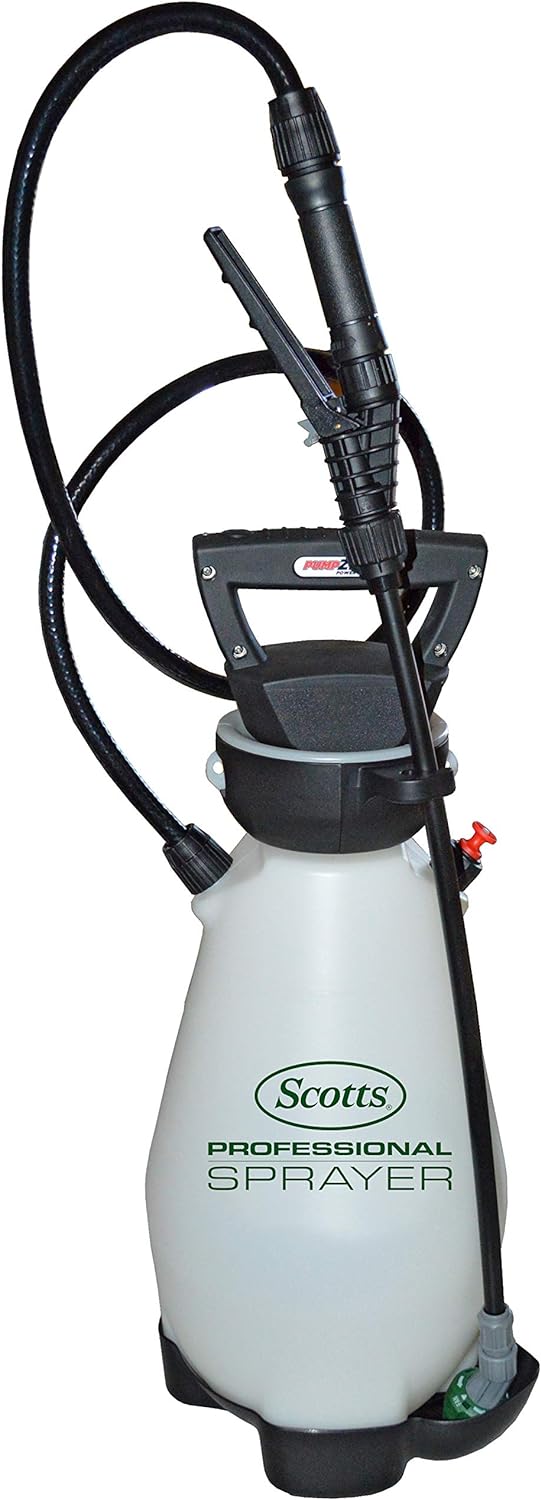


Best 2 Gallon Garden Sprayers Buying Guide
Choosing the Best 2 Gallon Garden Sprayers requires looking beyond surface-level aesthetics. A garden sprayer is essentially a pressurized vessel that must safely manage chemical mixtures, resist corrosive fertilizers, and maintain an even spray pattern across fluctuating fluid levels. When you make the wrong choice, you end up dealing with frustrating pressure drops, hand fatigue from excessive pumping, chemical leaks on your clothing, or clogged tips that ruin your application rate. Below are the vital factors every homeowner should weigh before making a purchase.
1. Power Source: Manual Compression vs. Battery-Operated Pumps
The first major decision you will face is deciding how your sprayer builds and maintains operational pressure. Traditional compression sprayers use a manual piston pump built into the lid or handle. You push the plunger up and down twenty to thirty times to compress the air pocket above the liquid. These manual systems are simple, cost-effective, and exceptionally reliable because they have no electronics to charge or short out. However, as you spray fluid out of the tank, the air space increases, leading to a steady drop in working pressure. To maintain a consistent spray pattern, you must pause every couple of minutes to pump the unit back up.
Modern battery-operated units, such as the Battery Powered Sprayer 2 Gallon, eliminate hand pumping entirely. Powered by rechargeable lithium-ion cells, these integrated micro-pumps draw liquid directly and deliver continuous, non-pulsing pressure from the moment you turn on the power switch until the tank runs dry. For gardeners managing chronic joint discomfort, arthritis, or large suburban lots, a motorized pump completely transforms yard chores. The trade-off is the need to keep the battery charged and protecting the electric housing from severe water exposure during thorough cleanings.
2. Tank Material and Build Quality: Polyethylene vs. Stainless Steel
The construction material of your sprayer tank directly impacts its weight, corrosion resistance, and overall longevity. The vast majority of household sprayers are molded from high-density polyethylene (HDPE). Polyethylene is naturally lightweight, resistant to rust, impact-resistant, and immune to many common lawn chemicals. Translucent polyethylene tanks, like those found on the CHAPIN 20024 SureSpray 2-Gallon Pump Sprayer and PetraTools HD201 Garden Pump Sprayer 2 Gallon, provide the massive benefit of clear fluid-level monitoring, allowing you to instantly see remaining gallon markers without opening the sealed vessel.
For demanding jobs, heavy-duty applications, or users who want decades of service life, stainless steel tanks represent the gold standard. The Happybuy 2 Gallon Stainless Steel Sprayer offers commercial-grade rigidity, high burst strength, and superior resistance to degradation from ultraviolet sun exposure. Stainless steel is fantastic for standard liquid fertilizers, sanitizers, and general cleaning agents. However, metal tanks are opaque, slightly heavier, and require careful rinsing to avoid localized pitting when working with certain reactive or harsh chemical solutions.
| Material Type | Key Strengths | Potential Limitations | Best Use Case |
|---|---|---|---|
| Translucent Polyethylene (HDPE) | Lightweight, visible fluid levels, impact-resistant, affordable | Can degrade if left in direct UV sunlight for years | Everyday weed control, plant feeding, bug barriers |
| Reinforced Stainless Steel | Exceptional burst pressure, zero UV degradation, industrial feel | Heavier dry weight, cannot view liquid levels through wall | Heavy-duty sanitizing, commercial feeding, rugged shop use |
3. Wand Construction, Reach, and Hose Length
A sprayer is only as good as its delivery wand and hose assembly. If your hose is too short, you will find yourself dragging the heavy tank awkwardly through flowerbeds or kicking it over while spraying low-lying weeds. Models with generous hose lengths, such as the fifty-two-inch reinforced hose on the PetraTools HD201 or the flexible delivery lines on specialized lawn and garden tools, allow you to set the tank firmly on the ground while comfortably treating elevated hanging baskets, dense shrubbery, or wide garden pathways.
Wand construction also matters significantly for long-term comfort and control. Lightweight aluminum wands provide a great balance of rigidity and featherweight handling, as seen on the Roundup 190260 2-Gallon Lawn and Garden Sprayer. Telescopic wands let you extend your reach toward gutters, tree canopies, or deep beneath thorny rose bushes without bending your back. Look for shut-off handles with lock-on triggers for extended broadcast spraying, which prevents hand cramping during twenty-minute continuous applications.
4. Nozzle Variety and Spray Patterns
Different garden tasks require completely distinct droplet sizes and spray geometry. Spraying non-selective herbicide on gravel driveways calls for a low-drift flat fan nozzle to avoid chemical mist drifting onto beloved lawn turf. Conversely, foliar fertilizers and insect treatments require a fine, cone-shaped mist that coats the undersides of delicate vegetable leaves without knocking blooms off their stems. Foaming nozzles are excellent for applying cleaning soaps or marking treated weeds so you do not double-spray the same patch.
When selecting your unit, check the included nozzle package. The Battery Powered Sprayer 2 Gallon stands out by including five interchangeable nozzle configurations (shower, dual head, fan, spot, and adjustable rotating patterns), offering ultimate versatility right out of the box. Meanwhile, units with premium brass adjustable tips allow you to dial in continuous pattern adjustments from a solid long-range jet stream down to a gentle atomized cloud simply by twisting the outer brass collar.
5. Pressure Relief Valves and Operational Safety
Safety should never take a backseat when handling pressurized liquid containing herbicides, fungicides, or harsh detergents. Opening a pressurized tank without first releasing internal air can result in dangerous chemical back-spray directly into your face or eyes. Dedicated pressure release valves, like the downward-diverting safety cap on the Roundup 190260 or the pop-off safety valve on the Happybuy stainless model, allow you to manually vent trapped air safely away from your body before unscrewing the lid.
For precision applications, having an integrated pressure gauge (barometer) is an invaluable feature. The Happybuy 2-gallon model includes a built-in dial gauge that displays real-time pressure between 1.5 and 4.0 bar. This ensures you never over-pressurize the tank, keeps seals from failing prematurely, and allows you to maintain the exact manufacturer-recommended pressure for specific herbicide flow rates.
6. Tank Openings, Filling Convenience, and Portability
Pouring concentrated chemical solutions or powdered fertilizers into a narrow bottle opening is a recipe for messy spills and wasted product. Look for sprayers engineered with wide-mouth, bowl-shaped, or funnel-top openings. The Chapin 20024 and PetraTools HD201 feature expansive funnel basins molded directly into the top rim. This design catches accidental splashes and directs fluid smoothly downward into the reservoir, keeping the outer sides of your sprayer clean and dry.
Finally, consider how you will transport two gallons of fluid (weighing roughly sixteen to seventeen pounds plus the sprayer dry weight) around your yard. Padded shoulder straps distribute that load across your upper torso, freeing up your non-dominant hand to guide branches or hold gates open. Large, ergonomic pump handles that lock down to serve as sturdy carry grips make lifting in and out of sheds effortless, even when wearing thick gardening work gloves.
Our Research Methodology & Why You Can Trust Us
To identify the top performers among the Best 2 Gallon Garden Sprayers category for 2026, our editorial team executed an exhaustive evaluation process grounded in engineering specifications, materials science, and verified customer performance data. We analyzed dozens of technical blueprints, comparing burst-pressure ratings, pump piston stroke volumes, seal compound formulas (such as chemical-resistant Viton and durable Nitrile rubber), and nozzle machining precision across top market competitors within the $35–$79 tier.
Rather than relying on short-term initial impressions, our methodology incorporates deep data mining of long-term customer experiences. We tracked thousands of user feedback patterns to pinpoint common failure modes, including seal degradation from fertilizer salts, wand trigger fatigue, hose kinking tendencies, and lithium-ion battery longevity after multiple seasonal storage cycles. This structured analysis eliminates marketing hype and surfaces real-world reliability trends across diverse outdoor conditions.
Our commitment to editorial independence means we maintain zero commercial bias toward any specific tool brand. We re-evaluate our selections and performance benchmarks every October to reflect rolling design updates, warranty revisions, and emerging sprayer technologies. When you explore our curated outdoor and garden tools recommendations, you are receiving thoroughly researched, field-grounded advice tailored to American homeowners.
Final Thoughts
Selecting the Best 2 Gallon Garden Sprayers comes down to matching your yard size, physical comfort preferences, and the specific chemical solutions you routinely apply. If you want completely effortless spraying without pumping a single stroke, the Battery Powered Sprayer 2 Gallon is an exceptional modern solution. Its long three-hour battery runtime, five versatile nozzle attachments, and telescopic reach make it our top overall recommendation for general residential gardening and routine weed management.
For budget-conscious homeowners who prioritize proven durability and simple mechanics, the CHAPIN 20024 SureSpray 2-Gallon Pump Sprayer and Roundup 190260 2-Gallon Lawn and Garden Sprayer deliver outstanding value. The Chapin model features a mess-free funnel top and lightweight poly construction backed by domestic manufacturing, while the Roundup sprayer stands out with its aluminum wand, lockable trigger, and dedicated safety relief cap that protects users during pressure venting.
If your projects demand professional-grade construction or long-reach convenience, both PetraTools and Happybuy offer specialized advantages. The PetraTools HD201 Garden Pump Sprayer 2 Gallon excels with its extra-long fifty-two-inch hose and glove-friendly design, whereas the Happybuy 2 Gallon Stainless Steel Sprayer provides industrial durability, an integrated pressure gauge, and a solid brass nozzle for rugged shop, deck, and agricultural sanitizing jobs. Explore our broader lawn and garden equipment guides to round out your seasonal maintenance toolkit.
Frequently Asked Questions
How do I properly clean my Best 2 Gallon Garden Sprayers after applying weed killer?
Always perform a triple-rinse procedure immediately after finishing your application. Empty any leftover chemical safely, fill the tank one-quarter full with clean water and a drop of mild dish soap, pressurize the tank, and spray through the wand for thirty seconds to flush the internal lines. Repeat this flush twice with fresh clean water to prevent chemical residues from drying inside the nozzle or corroding internal rubber gaskets.
Can I use a 2-gallon garden sprayer for both fertilizers and weed killers?
While technically possible if thoroughly cleaned between uses, gardening experts strongly advise maintaining two dedicated sprayers. Microscopic traces of non-selective herbicides can remain trapped in porous plastic or hose walls and subsequently damage your prized flowers or tomato crops during a foliar feed. Given the accessible $35–$79 across standard models, keeping one sprayer for weed control and a second for fertilizers and insect treatments is the safest strategy.
How much does a 2-gallon garden sprayer weigh when fully filled?
Water weighs approximately 8.34 pounds per gallon, meaning two gallons of liquid adds roughly 16.7 pounds to the sprayer. Combined with a typical poly tank dry weight of two to four pounds, your fully loaded sprayer will weigh around 19 to 21 pounds. Stainless steel models or units with heavy battery packs may weigh slightly more, making padded shoulder straps highly beneficial for extended yard sessions.
Why is my pump sprayer losing pressure while I spray?
In manual compression sprayers, pressure naturally decreases as fluid leaves the tank because the internal air pocket expands into the newly vacated space. However, if the pressure drops within seconds without spraying, you likely have a loose lid connection, a dry pump plunger cup, or debris preventing the check valve from seating properly. Applying a small dab of silicone lubricant to the O-ring seals will often restore an airtight seal.
What should I check before storing my garden sprayer for winter in 2026?
Before winter storage, drain every drop of liquid from the tank, pump assembly, hose, and wand to prevent freezing water from cracking plastic components. Lock the wand trigger open so air can circulate, lubricate the pump plunger and lid O-rings with petroleum jelly or silicone grease, and store the unit in a climate-controlled garage or shed out of direct sunlight. If your unit is battery-powered, charge the battery to around 60-80% before winterizing.
Where can I find more helpful reviews on lawn and yard care equipment?
You can discover in-depth comparisons, maintenance tips, and practical buyer recommendations by browsing our comprehensive garden tools hub, updated continuously throughout 2026 to help you make informed outdoor tool investments.


