Best Automatic Pool Cleaners: Budget, Midrange, and Premium Picks
Disclosure: We may earn a commission when you buy through links on this page, at no extra cost to you. As an Amazon Associate I earn from qualifying purchases. Learn more

The best automatic pool cleaners at three price levels, plus what each tier delivers and which features save the most time.
Automatic pool cleaners on Amazon range from under $400 for cordless robots to more than $1,500 for premium smart models, and the price gap often comes down to convenience rather than how clean the floor gets. Picking among the best automatic pool cleaners is easier once you know which features save real time and which simply raise the price.
This guide groups the options into budget, midrange and premium tiers, explains what each level delivers and highlights the features worth paying for. Whether you own an above ground pool or a large inground pool, it will help you decide how much to spend before the next swim season.
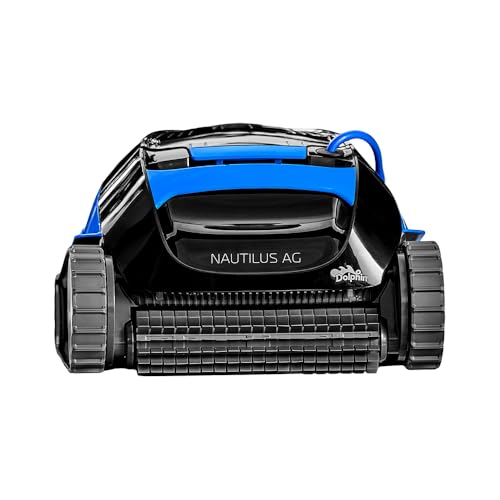
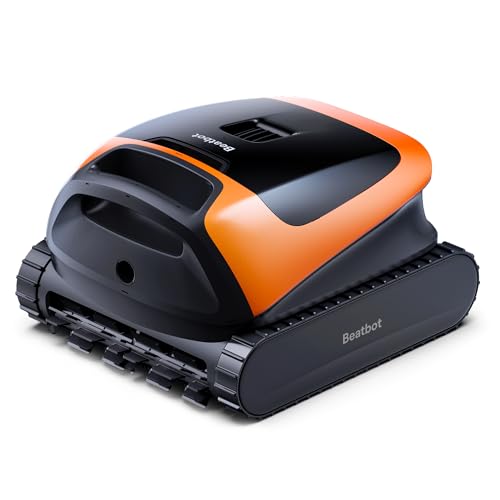
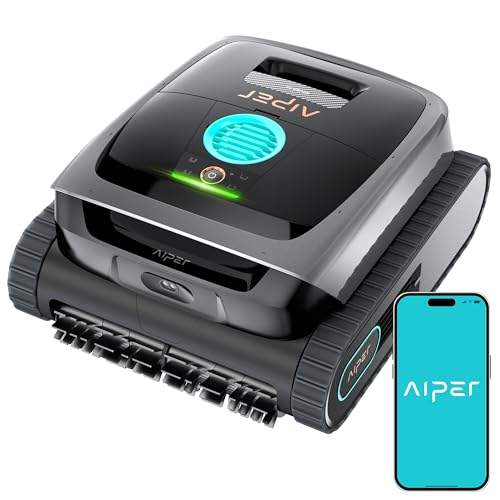


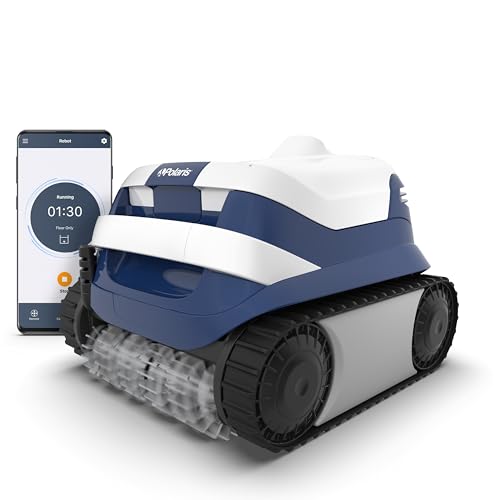

Top 3 Picks by Budget
These three robotic cleaners stand out at their price levels for homeowners who want to stop dragging a manual vacuum around the pool. Robotic cleaners carry their own motors and filters, so they work independently of your pool pump. Prices change often, so treat these figures as approximate.
Among the best automatic pool cleaners, robots now dominate because they need no extra plumbing and use little power. The three below cover the realistic price range for homeowners, from a capable cordless entry model to a premium smart cleaner.
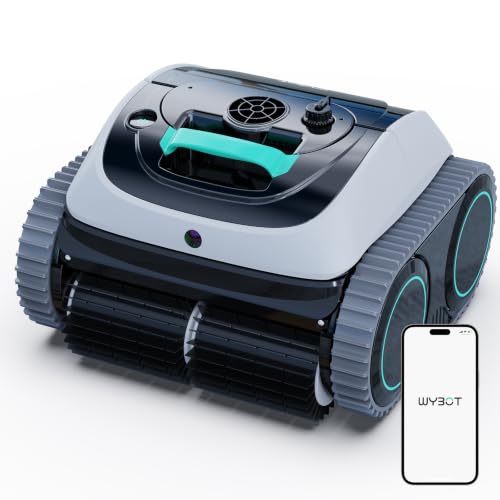
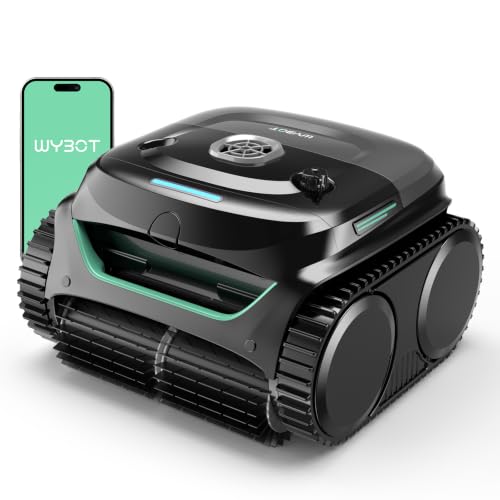
Best Budget Pick: WYBOT C1 Cordless Robotic Pool Vacuum
The WYBOT C1 suits owners of small to mid size inground pools who want a cordless robot without premium pricing. It costs around $400 and needs no cable or outlet near the pool while it works.
Its main strengths are 4 in 1 cleaning of floors, walls, waterline and stairs, with triple motors that WYBOT says help it climb slopes up to 45 degrees, and 120 to 160 minutes of runtime for pools up to about 1,614 square feet. A top load filter basket with 180 micron mesh rinses clean without tools. The limitation is battery runtime: very large pools may need a second cycle. Skip it if your pool is bigger than the stated coverage area.
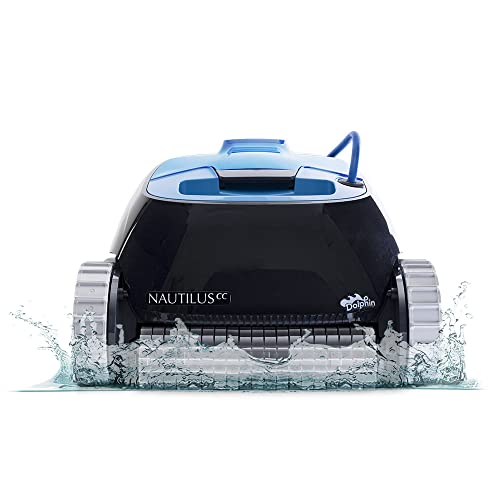
Best Midrange Pick: Dolphin Nautilus CC
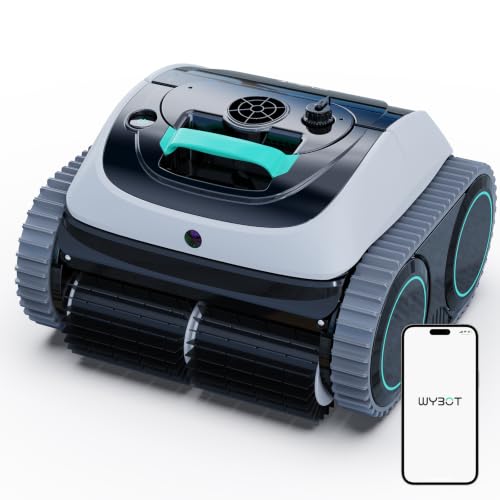
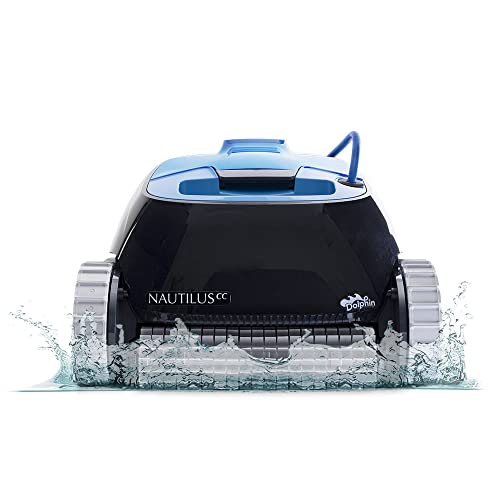
The Dolphin Nautilus CC is the workhorse many pool owners choose, with a long track record and a huge number of owner reviews. It costs around $700 and suits above ground and inground pools up to 33 feet long.
Two strengths stand out: wall climbing with an active scrubbing brush that works on most pool shapes and surfaces, and a simple plug and play design that cleans a typical pool in about two hours. The top load filter is easy to empty. The trade off is the power cable, which needs untangling now and then and an outlet near the pool. Skip it if you want app control or cordless convenience.
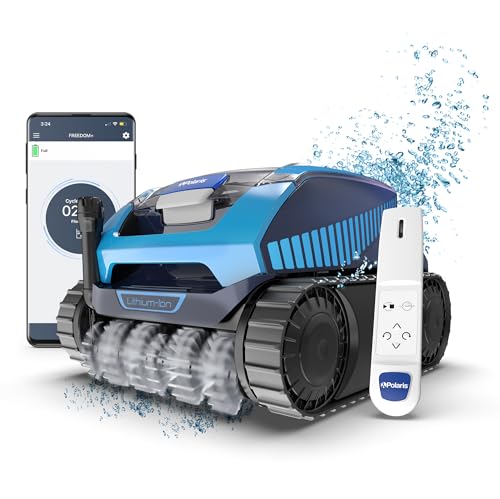
Best Premium Pick: Polaris Freedom Plus
The Polaris Freedom Plus is a cordless premium robot for inground pools, built for owners who want the least effort. It costs around $1,400 and includes an outdoor rated charging caddy.
Its standout strengths are a handheld remote that uses LiFi to call the cleaner to the waterline for easy removal and Wi Fi connection to the iAquaLink app for charging status, cleaning modes and push notifications. Polaris says it fully charges in about five hours in its caddy. The drawback is price: it costs more than three budget robots combined. Skip it if your pool is small or above ground.

What Your Money Gets You at Each Price Tier
All robotic cleaners vacuum the floor; the differences between tiers come from coverage, navigation, convenience and long term durability.
Budget Tier: What to Expect
Budget robots cost around $300 to $500. Most are cordless, clean floors and often walls, and run for one to three hours per charge. Filters are usually top loading baskets with fine mesh. Navigation is basic but adequate for simple rectangular pools.
The trade offs are shorter warranties, smaller filters and less consistent waterline cleaning. These robots suit smaller pools and owners who want automation on a tight budget.
Brand support varies a lot at this level. Look for listings that state warranty length and offer replacement filters and brushes, since a budget robot without spare parts may need replacing after a season or two.
Midrange Tier: The Sweet Spot for Most Buyers
Midrange robots cost around $550 to $900. Here you get proven brands, active scrubbing brushes, reliable wall climbing, larger filters and better parts support. Some add app control, cleaning schedules or caddies.
Midrange robots also tend to have better seals and motors, which matters because water intrusion is the most common cause of robot failure. A proven midrange model often outlasts two budget robots.
This tier suits most family pools. Corded models in this range clean on consistent power without battery limits, while newer cordless options add convenience.
Premium Tier: When Spending More Pays Off
Premium robots start around $1,000 and can exceed $1,500. They add smart navigation, multiple cleaning modes, remote retrieval, Wi Fi apps, waterline focused modes and long warranties. Some pair with solar skimmers for surface debris.
Spending more pays off for large or complex inground pools, heavy debris from trees and owners who want to check on the cleaner from a phone.
Features Worth Paying For (and Ones to Skip)
Pool cleaner listings promise a lot. These are the features that change your weekly routine.
Wall and Waterline Climbing
Wall climbing matters because algae and grime build up on walls and especially at the waterline, where oils and sunscreen collect. Robots that climb walls and scrub the waterline save you from brushing by hand. Many budget robots climb walls, while waterline scrubbing is more consistent in midrange and premium models. Note that some models, such as certain above ground units, clean floors only.
Warranty and Parts Availability
A robotic cleaner works in harsh conditions: chlorine, sun and constant motion. Warranties range from about one to three years or more, and established brands sell replacement brushes, filters, tracks and power supplies for years. Check warranty length and whether parts are easy to find before buying. A slightly pricier robot with strong support often costs less over time than a cheap one that is hard to repair.
Cleaner Type (Robotic, Suction, Pressure)
Robotic cleaners have their own motors and filters, use little energy and reduce load on your pool filter, which makes them the most efficient choice. Suction cleaners attach to the skimmer and use the pool pump's suction; they cost less but rely on your pump and filter. Pressure cleaners use a booster pump or return line and handle leaves well but add equipment and energy cost. For most homeowners, robotic is the best balance.
Weight and Ease of Removal
Lifting a wet robot full of water and debris out of the pool is the least pleasant part of ownership. Lightweight designs, quick water release, waterline parking and remote retrieval all make removal easier. Caddies help move heavier robots to storage. If anyone in the household has back problems, put this feature high on the list.
Cleaning Cycle and Navigation
Smart navigation maps the pool and follows efficient patterns, which cuts cycle time and missed spots. Selectable cycles such as floor only, walls only or quick clean save energy when the pool is mostly clean. App control and scheduling add convenience but are not essential. A reliable basic pattern matters more than an app.
Corded vs Cordless
Corded robots draw power through a floating cable from a power supply beside the pool. They never run out of battery, deliver consistent suction and often cost less at the same performance level. The cable can tangle over time, though swivels help, and you need a GFCI protected outlet nearby.
Cordless robots run on rechargeable batteries, so there is no cable to untangle and setup takes seconds. Runtime is limited per charge, and batteries eventually wear out. For small and mid size pools, cordless convenience is worth it; for large or heavily used pools, corded models offer more consistent coverage.
Pool Size, Shape and Surface
Check the stated maximum pool length or area and water depth before buying. A robot rated for 33 feet will struggle with a 50 foot pool. Freeform shapes, steps and sun shelves benefit from smarter navigation, while simple rectangles work well with basic patterns.
Surface matters too. Vinyl, fiberglass, plaster and tile all work with most robots, but brush type affects grip: PVC brushes suit tile and smooth surfaces, while foam brushes grip vinyl well. Listings usually state which surfaces a model is designed for.
Filter Size and Fineness
Filters decide what the robot captures. Fine filters catch dust, pollen and algae, while coarse filters handle leaves and larger debris without clogging. Many robots offer both. Large top load baskets are easiest to empty and rinse. Clean filters after every cycle for strongest suction.
Features to skip if money is tight include fancy app dashboards and decorative finishes. A dependable motor, good brushes, an easy filter and solid warranty support will keep your pool cleaner far longer than extra software features.
Long Term Costs to Factor In
Robotic cleaners use little electricity compared with running a pool pump for extra hours, which can save money over a season. Ongoing costs include replacement brushes, filters, tracks and eventually batteries for cordless models or power supplies for corded ones. Expect to replace brushes every season or two depending on use.
Warranty coverage and parts availability influence total cost of ownership more than the purchase price. Store robots out of direct sun, rinse them with fresh water after use and avoid leaving them in the pool when not cleaning to extend their life.
Chemistry matters too. Keeping chlorine and pH in the recommended range protects plastic parts, brushes and seals, while very high chlorine levels after shocking can shorten a robot's life. Remove the cleaner before shocking the pool and wait until levels settle.
Automatic Pool Cleaners: Your Questions Answered
How long should a pool cleaner run?
Most robotic cleaners finish a full cycle in about one and a half to three hours, depending on pool size and mode. Running a cycle two or three times a week keeps most residential pools clean, with daily runs during heavy pollen or leaf seasons. Suction and pressure cleaners often run several hours along with the pump.
Can I leave a robotic cleaner in the pool?
Manufacturers generally recommend removing robotic cleaners after each cycle. Leaving them in the water exposes plastics and seals to chlorine and sun, which shortens their life, and can interfere with swimming or shocking. Remove the cleaner, rinse it and store it shaded in its caddy.
Are robotic pool cleaners worth it?
Yes, for most pool owners. Robotic cleaners save hours of manual vacuuming and brushing, filter debris independently and use less energy than running the pool pump longer. They cost more upfront than suction cleaners but reduce wear on your filter system and deliver more consistent results.
Which cleaner is best for leaves?
Robots with large, coarse filter baskets and strong suction handle leaves well, and pressure cleaners with leaf bags are also good for heavy leaf loads. For constant leaf drop, pair your cleaner with a skimmer or a solar surface skimmer to catch debris before it sinks.
The Bottom Line
Coverage, convenience and support matter most. The WYBOT C1 brings cordless cleaning to small and mid size inground pools for a modest price, the Dolphin Nautilus CC is the proven midrange choice for most family pools and the Polaris Freedom Plus is the premium pick for large inground pools and owners who want app control and easy retrieval.
Before you buy, measure your pool, note its surface and check where the nearest outdoor outlet sits. Those three details narrow the field quickly and prevent the most common buying mistakes.
Compare these against the full product table above, check your pool size and shape, and you will find the best automatic pool cleaners for your backyard and your budget.