
Best 20V Cordless Drills in 2026: A Practical Buying Guide
Disclosure: We may earn a commission when you buy through links on this page, at no extra cost to you. As an Amazon Associate I earn from qualifying purchases. Learn more

Compare 20V cordless drills by torque, chuck, speed ranges and battery value, and learn what separates a capable drill driver from a bare minimum one.
The 20V class is where most home and light professional drilling happens, and it is also where spec sheets work hardest to confuse you. Torque figures use different units, kits hide their value in battery sizes, and the badge on the box says more about marketing than muscle. Sorting out the best 20v cordless drill for your work means translating those numbers into what the tool will actually bore, drive, and survive.
This guide covers the comparison points that matter: honest torque measures, chuck quality, speed ranges, hammer function, brushless motors, and the battery and charger value inside the kit. The comparison table below lines the key specs up first, and the sections after it explain each one in plain terms.

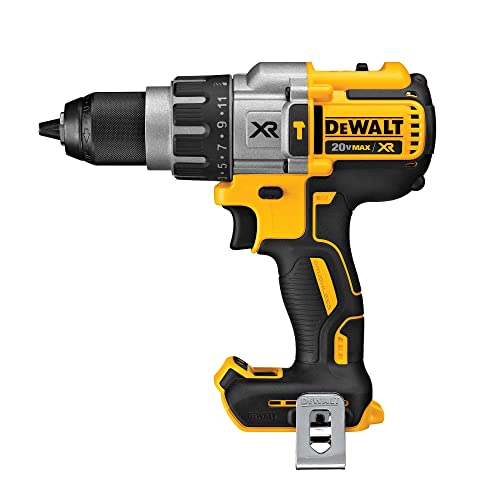
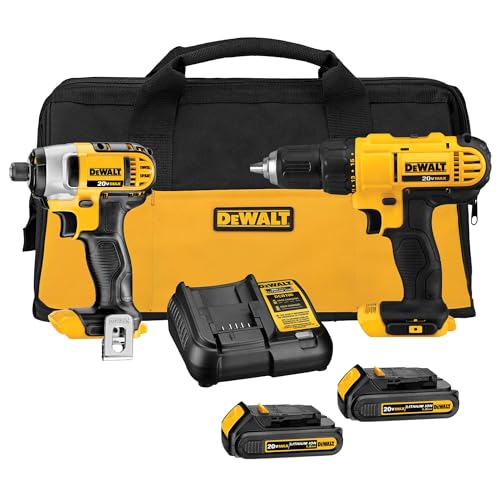

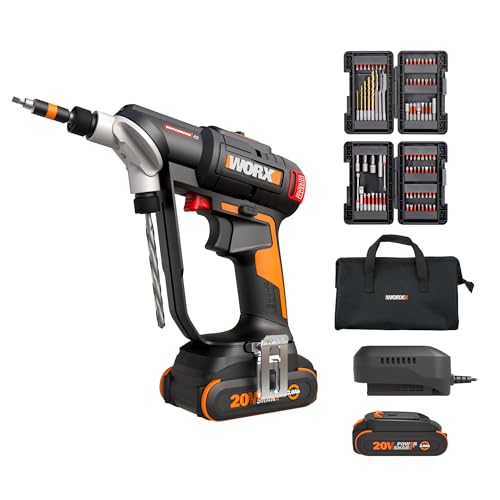
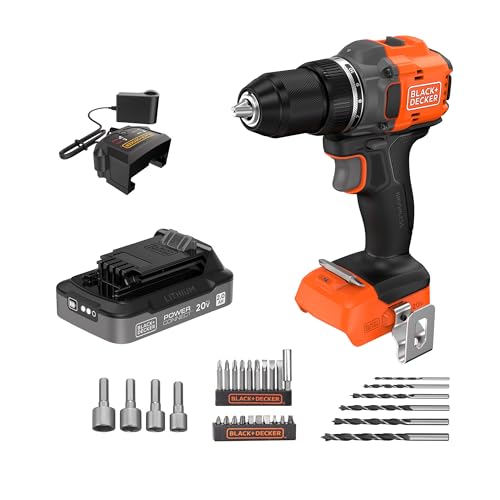

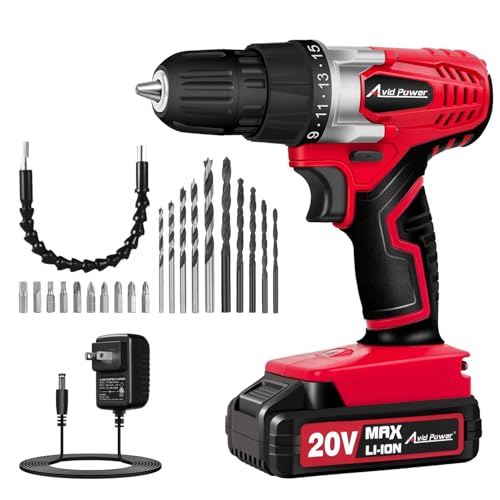

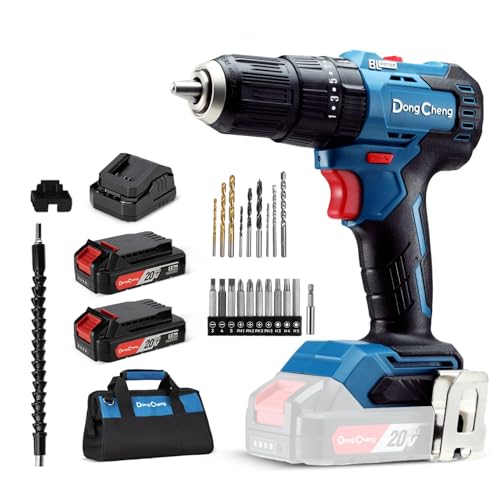
Who Should Buy Which 20V Cordless Drill?
Homeowners building a first tool platform
If this drill is the start of a cordless collection, choose the platform as carefully as the tool. A mid range drill driver kit with two batteries covers furniture, hanging, deck repairs, and most renovation drilling, and the same packs will run the saws and lights you buy later. Our guide to the best cordless drill for home use maps typical home tasks to tool size if you want a second opinion on how much drill a house really needs.
DIY renovators who drill and drive all day
Kitchen refits, stud walls, and subfloor work ask for a brushless drill with a metal chuck, a two speed gearbox, and batteries of 4 amp hours or more. You will drill large holes with spade and hole saw bits, where torque and thermal stamina matter more than headline speed. Weight still matters, since much of this work happens overhead or inside cabinets, so look for compact head length alongside power.
Pros and serious users adding a second drill
Many working carpenters keep a compact 20V drill purely for driving and light drilling, saving their heavy drill for structural work. If that is you, prioritize a short body, a responsive clutch, and batteries shared with your impact driver. The wider class picture, including compact and subcompact options, sits in our hub guide to the best cordless drill across all voltage classes.
Key Features to Compare
Torque ratings and how to read them
Drill torque appears as inch pounds on some spec sheets and as unit watts out, a power measure, on others, and the two cannot be compared directly. As a rough map, drills delivering about 350 to 600 inch pounds handle home and renovation work, while higher figures suit lag bolts and big auger bits. The honest test is hole size: a drill that spins a 1 inch spade bit through framing lumber without stalling has enough muscle for nearly all household tasks. Treat any single headline number with suspicion and weigh the whole spec sheet.
Chuck size and chuck quality
Most 20V drills use a 1/2 inch keyless chuck, which accepts the full range of common bits. A metal ratcheting chuck grips harder and survives drops better than an all plastic one, and grip matters because a slipping bit chews shanks and ruins work. Smaller 3/8 inch chucks appear on compact models and limit you on large hole saws. Runout, the wobble at the bit tip, separates careful drills from crude ones; cheap chucks wobble visibly and make small holes wander, especially in metal.
Speed ranges and clutch settings
Two mechanical speed ranges are the standard worth insisting on. Low range delivers torque for driving and large bits, while high range, roughly 1500 to 2000 rpm, drills clean small holes. More clutch positions, typically 20 or more plus a drill mode, give finer control when driving screws into softwood, drywall, and flat pack furniture, where a heavy hand strips holes instantly. An electronic clutch on premium models adds consistency. For most buyers, a smooth trigger and a sensible clutch ring beat exotic controls.
Hammer function: useful or dead weight
A hammer drill setting adds a pulsing action for drilling into brick, block, and mortar. It works well for tapcon screws and small anchors, and poorly for reinforced concrete, which needs a rotary hammer. If you mount things on masonry walls several times a year, the hammer version is worth its small price and weight premium. Our guide to the best hammer cordless drill digs into that subclass. If your walls are wood and drywall only, skip it and take the shorter, lighter plain drill.
Brushless motor and kit value
Brushless motors run cooler, last longer, and squeeze more work from each battery than brushed designs, and in this class the price gap has narrowed to the point where brushless is the default smart buy. Kit value hides in the details: two batteries beat one, 4 amp hour packs beat 1.5 amp hour packs for renovation work, and a rapid charger saves real time. Compare bare tool prices across brands too, and if budget rules the decision, our guide to the best budget cordless drill shows where the honest bargains sit.
What 20V Max Actually Means
The 20V badge deserves one clear explanation. These batteries are built from the same cells as 18 volt packs. The 20 volt figure is the maximum voltage fresh off the charger, while 18 volts is the nominal voltage under load, so both labels describe the same class and neither is stronger by itself. This is why cross brand comparisons must use torque, speed, and battery capacity rather than the voltage badge. It also means a well specced 18 volt rival and a 20V drill are direct competitors, and your choice should rest on platform, ergonomics, and price.
Common Mistakes to Avoid
- Comparing torque across different units: inch pounds and unit watts out measure different things, so cross brand torque shopping by headline number alone misleads.
- Buying the biggest kit battery for every task: heavy 5 amp hour packs tire your arm on overhead driving, while a slim pack handles most jobs.
- Driving screws in drill mode: the locked clutch snaps screws and strips holes, so use the numbered clutch settings for fasteners.
- Ignoring chuck material: an all plastic chuck on a strong drill slips under load and scars bit shanks, wasting the power you paid for.
- Expecting hammer mode to replace a rotary hammer: reinforced concrete defeats drill hammer functions quickly and can damage the tool, so rent the right tool for that work.
How to Make Your 20V Cordless Drill Last Longer
Heat and dust do the damage. Blow out the vents after dusty drilling, and let a hot drill rest between heavy holes rather than forcing it to stall repeatedly, since stalls cook motors and controllers. Store batteries at partial charge in a cool dry place, and avoid leaving packs on the charger for weeks. Keep the chuck clean and close it on a bit for storage so grit stays out of the jaws. A drop of light oil on the chuck threads once a year keeps action smooth. Finally, use sharp bits: dull bits make any drill work twice as hard and are the hidden cause of many early failures.
FAQ
Is a 20V cordless drill stronger than an 18V drill?
Not by virtue of the badge. Both classes use the same cells, with 20V stating maximum voltage and 18V stating nominal voltage. Real strength shows in torque ratings, gearbox design, and battery capacity, and strong models exist under both labels. When comparing across brands, look at the largest hole sizes the maker rates the drill for in wood and steel; those figures are harder to inflate than torque headlines and tell you what the tool will do in your hands.
How long does a 20V drill battery last per charge?
It depends on capacity and task. A 2 amp hour pack drives hundreds of typical screws or drills dozens of moderate holes, while heavy work like repeated 1 inch spade bits drains it far faster. Larger 4 and 5 amp hour packs roughly double or triple the work per charge. Cold weather shortens runtime noticeably, so keep spare packs indoors in winter. Having two batteries in rotation matters more than any single pack size, because one can charge while you work.
Can a 20V cordless drill handle masonry drilling?
Only the hammer drill versions, and only in brick, block, mortar, and soft stone, using carbide tipped masonry bits. Expect to drill anchor holes up to about 3/8 inch comfortably. Poured concrete with aggregate slows progress, and reinforced concrete is rotary hammer territory. Use the hammer setting, moderate pressure, and let the bit clear dust as you go. If masonry work is rare, a plain drill plus an occasional rental serves better than carrying hammer weight daily.
What chuck size should a 20V cordless drill have?
Choose 1/2 inch for general work. It accepts large spade bits, hole saws, and mixing accessories, and it is the size serious bits assume. A 3/8 inch chuck limits your bit collection and appears on compact drills meant for light duty. Also check that the chuck is metal and ratcheting if you drill metal or use hole saws often, because grip under torque is what keeps bits from spinning and scarring in the jaws.
How long does a 20V cordless drill last?
A brushless drill in home service commonly lasts a decade or more, with batteries aging out before the tool does. Brushed models wear their brushes over years and are still serviceable. The practical lifespan question is platform support: makers keep popular battery platforms alive for a long time, so replacement packs stay available. Buy into a current platform, treat batteries kindly, and the drill itself is rarely the part that ends the relationship.
Final Thoughts
Read torque carefully, insist on two speed ranges and a metal chuck, and price the whole kit including batteries before choosing a brand badge. Done that way, picking the best 20v cordless drill for your bench is a calm decision, and the product table above shows how the leading options divide on power, size, and value. Lock in a platform you like, because the drill is only the first tool that battery will feed.


