Best 3/4 Inch Impact Wrenches in 2026: A Complete Buying Guide
Disclosure: We may earn a commission when you buy through links on this page, at no extra cost to you. As an Amazon Associate I earn from qualifying purchases. Learn more

A 3/4 inch impact wrench tackles truck lug nuts, farm equipment and heavy bolts that stall smaller tools. Compare torque, air supply and drive features here.
When a 1/2 inch wrench stalls on a rusted truck lug nut or a tractor wheel bolt, the answer is not more effort, it is a bigger drive. A 3/4 inch impact wrench delivers the breakaway torque that heavy wheels, farm machinery, and structural steel demand, while staying handier than a full 1 inch tool. Finding the best 3/4 inch impact wrench for your work means balancing real torque against air supply or battery platform, weight, and the sockets you will need.
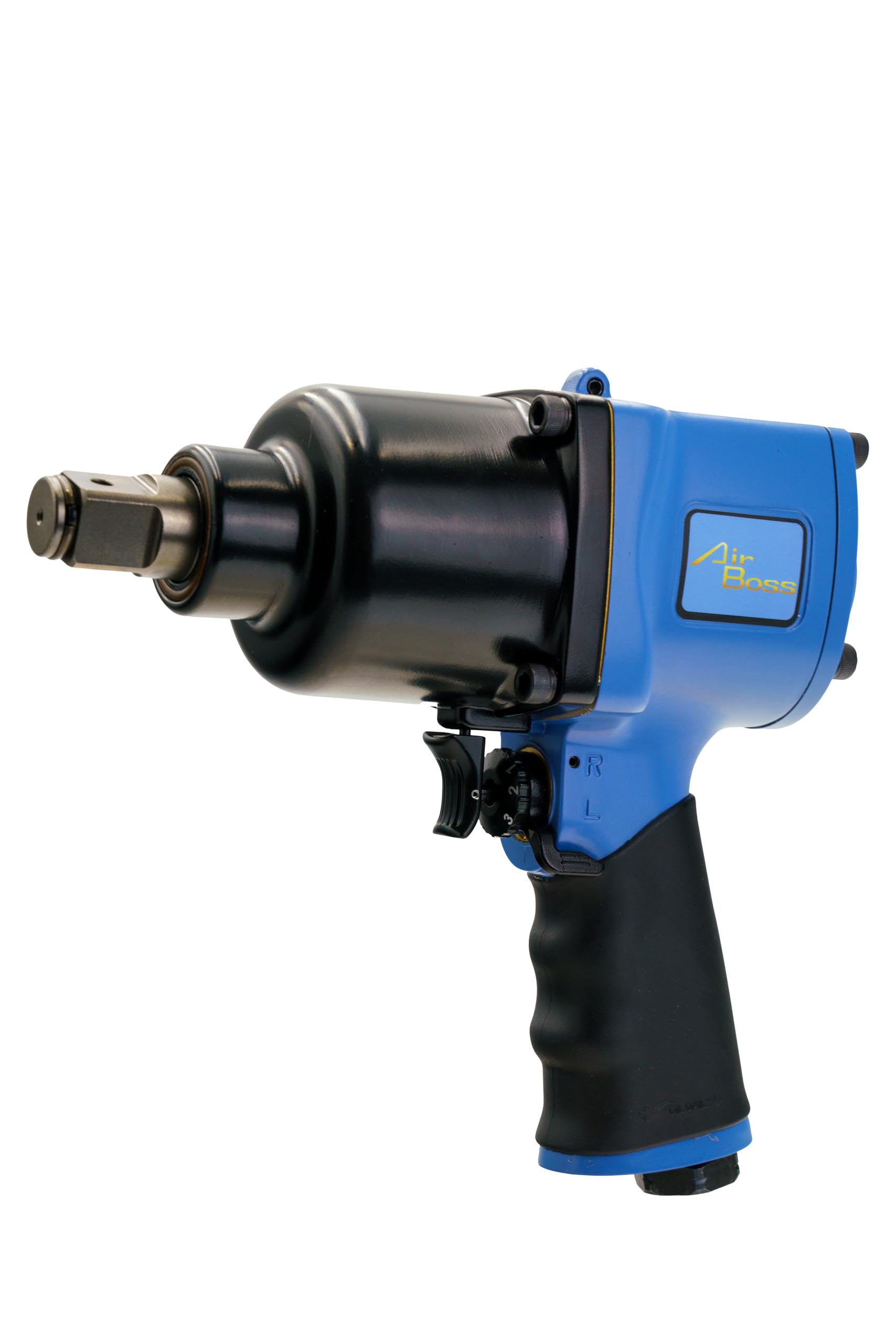
This guide explains where the 3/4 inch class fits, which specs actually predict performance on corroded hardware, and what your compressor or battery setup must deliver. The comparison table below sketches the main types, and the sections after it break the decision down step by step.
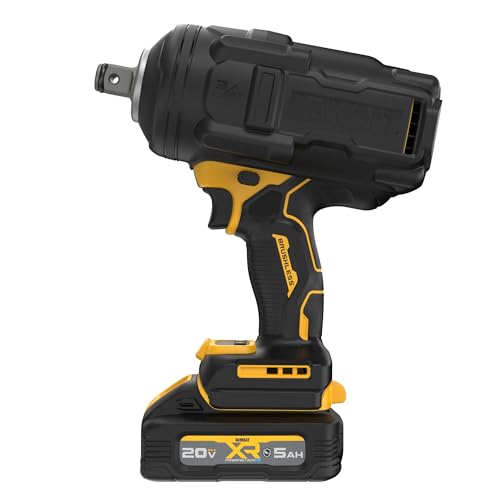


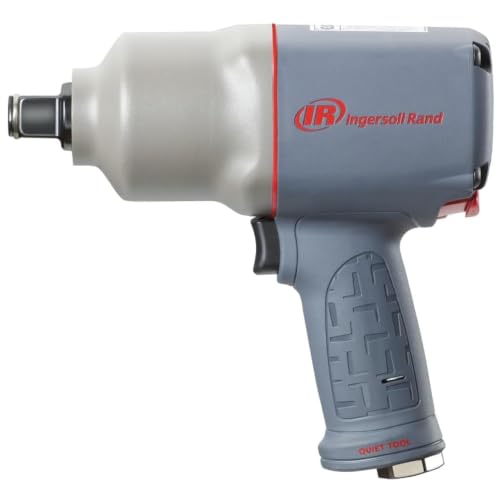
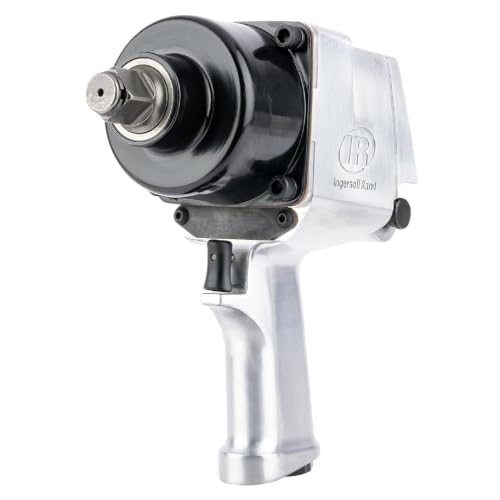
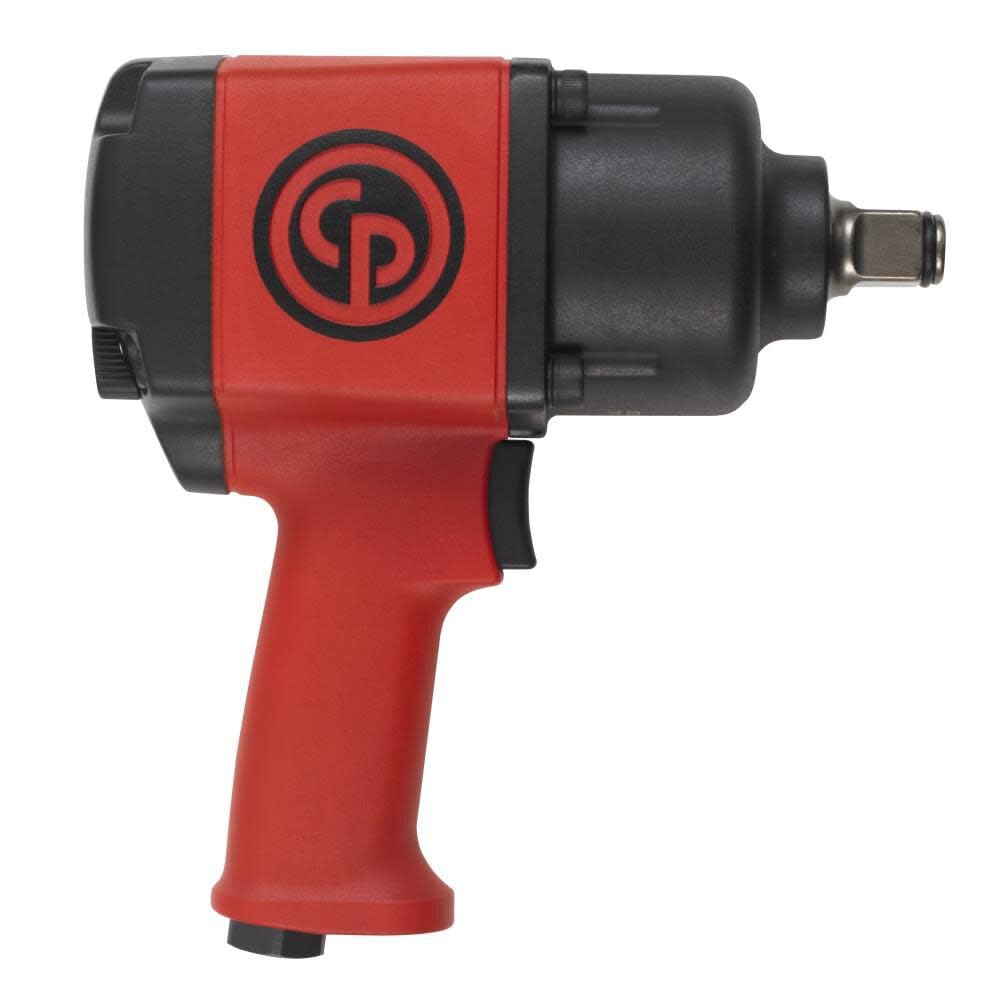

Who Should Buy Which 3/4 Inch Impact Wrench?
Owner operators and fleet mechanics working on trucks
Class 6 to 8 truck wheels, trailer hubs, and suspension hardware are torqued far beyond car levels and then baked in road salt, so you need breakaway torque in the roughly 1,200 to 1,600 foot pound range and a tool that survives daily use. A pneumatic model on a healthy shop compressor remains the workhorse here, with cordless options now credible for roadside calls. Our general guide to the best impact wrench range shows how this class sits above the automotive sizes.
Farmers and ranch equipment owners
Implements sit outdoors, fasteners corrode, and the nearest shop may be an hour away, so the wrench lives in the truck or the barn and works on tractor wheels, baler parts, and cultivator hardware. Cordless models earn their place here because dragging an air hose across a muddy yard to a machine that cannot move is miserable work. Choose a kit with two high capacity batteries, since a full set of tractor wheel bolts can drain a single pack.
Heavy equipment and construction crews
Track hardware, scaffolding couplers, and structural bolts reward the 3/4 inch drive for a different reason: the sockets and anvils are stronger, so they survive shock loads that crack 1/2 inch gear. Crews who already run a large compressor on site often pick pneumatic for the low tool cost per unit. If most of your work is actually passenger vehicles, step back and compare with our guide to the best impact wrench for automotive jobs, where lighter tools are faster and cheaper.
Key Features to Compare
Breakaway torque and working torque
Manufacturers headline a maximum breakaway, or nut busting, figure measured on a fresh fastener under ideal conditions. Working torque, the sustained tightening output, is usually a third to a half of that number and matters for seating large bolts consistently. For truck wheels and farm hardware, look for breakaway ratings around 1,200 foot pounds or higher and treat lower figures as light duty in this class. Remember that real output depends on supply: a pneumatic wrench starved by a small compressor or a cordless tool on a tired battery will never reach its printed rating.
Pneumatic versus cordless power
Pneumatic 3/4 inch wrenches are lighter for their output, tolerate dust and moisture, and cost less per tool, but they demand a serious compressor, typically one delivering around 8 to 10 CFM at 90 PSI through a 1/2 inch hose with high flow fittings. Cordless models free you from the hose and now reach similar peak torque, at the price of more weight and dependence on one battery platform. Occasional users with a small compressor often get better real world results from cordless, because the tool delivers full torque anywhere. Our comparison of the best electric impact wrench designs covers the cordless side of this class in more depth.
Hammer mechanism and durability
Inside the housing, a twin hammer mechanism gives smooth, balanced blows that suit long runs of wheel work, while a pin clutch design delivers harder single hits at the cost of more vibration. Metal hammer cases, usually steel or titanium on professional models, survive drops onto concrete that crack composite cases. Sealed bearings and protected air inlets or battery terminals matter in the grit of a farmyard or a gravel lot. In this class, build quality is not decoration; a cracked case ends the tool, not just its looks.
Anvil style and socket retention
Most 3/4 inch wrenches use a friction ring, a pin detent, or a combination ring with a through hole for a pin and O ring retainer. The pin and ring setup is the safest choice for overhead or wheel work because the socket physically cannot fly off, which matters with heavy 3/4 inch sockets. Friction rings swap fastest for bench work where sizes change constantly. Whichever you choose, budget for proper thick wall impact sockets in this drive size; using adapted down 1/2 inch sockets wastes the tool and invites breakage.
Weight, balance, and control
A pneumatic 3/4 inch wrench typically weighs about 7 to 9 pounds, while cordless versions with a large battery can pass 11 pounds, and that difference shows by the tenth wheel of the day. Multiple power modes are genuinely useful here: a reduced setting seats fasteners without snapping studs, and full power stays reserved for removal. A side handle or a D handle rear grip improves control when torque reaction twists the tool. If your main job is wheels, our guide to the best impact wrench for lug nuts explains the working routine that keeps both studs and sockets alive.
Sizing Your Air Supply or Battery Kit
For pneumatic models, the tool is only half the purchase. Your compressor needs a large tank, usually 60 gallons or more for sustained work, plus a regulator set near 90 PSI while the tool is running, not while it sits idle. Undersized 3/8 inch hoses and restrictive quick couplers quietly choke output, so step up to 1/2 inch hose and high flow fittings for this class. For cordless models, buy into the highest capacity batteries the platform offers and keep a rapid charger in the truck, because breakaway torque sags as the pack drains. Either way, test the setup on your toughest known fastener before the day you truly depend on it.
Common Mistakes to Avoid
- Running a 3/4 inch pneumatic wrench on a small pancake compressor, which starves the tool and delivers a fraction of its rated torque.
- Using thin wall chrome sockets or adapters down to 1/2 inch drive, which crack under this class of shock load.
- Final tightening truck lug nuts by feel with the impact wrench, instead of finishing with a calibrated torque wrench or torque stick.
- Ignoring the retainer pin on overhead work, letting a heavy socket drop from the anvil.
- Storing a pneumatic wrench without oiling it, so internal vanes and hammers corrode and seize over a single humid season.
- Buying the tool but not the sockets, since 3/4 inch drive impact socket sets add a real cost to the total setup.
How to Make Your 3/4 Inch Impact Wrench Last Longer
Pneumatic tools live or die by air quality and oil. Add a few drops of air tool oil at the inlet before each day of use, or fit an inline oiler, and drain the compressor tank daily so water does not reach the motor. Run the wrench briefly after oiling to spread the film across the vanes. For cordless models, blow grit out of the vents, keep battery contacts clean, and store packs indoors at partial charge. On both types, inspect the anvil and retainer hardware monthly, grease the hammer mechanism at the intervals the manual states, and replace worn sockets before they round off and start damaging fasteners.
FAQ
When do you need a 3/4 inch impact wrench instead of a 1/2 inch?
Step up when fasteners routinely defeat a strong 1/2 inch tool: lug nuts on medium and heavy trucks, tractor and combine wheel bolts, large flange and structural hardware, and rusted suspension parts on big pickups. The larger drive also survives shock loads that fatigue smaller anvils. If your work is cars and light trucks only, a high torque 1/2 inch model is lighter, cheaper to feed with sockets, and honestly sufficient.
What size compressor does a 3/4 inch impact wrench need?
Plan on a compressor that delivers about 8 to 10 CFM at 90 PSI with a tank of roughly 60 gallons for sustained wheel work, fed through a 1/2 inch hose and high flow couplers. Smaller compressors can fire the wrench in short bursts for a single wheel, but pressure sag makes each following nut harder than the last. Many former pneumatic users with modest compressors find a modern cordless model the simpler upgrade path.
Can a cordless 3/4 inch impact wrench really match a pneumatic one?
At peak output, yes: current professional cordless models post breakaway figures in the same range as mid tier pneumatic tools, and they deliver that torque in a field with no hose at all. The trade offs are weight, battery cost, and fade as the pack drains, while a pneumatic tool on a large compressor produces identical power all day. For mobile and farm work cordless usually wins; for a fixed high volume shop bay, air still makes sense.
What sockets fit a 3/4 inch impact wrench?
You need 3/4 inch drive impact sockets, which have thicker walls, a black oxide style finish, and looser tolerances designed for hammering loads. Common wheel and equipment sizes run from about 3/4 inch up to 2 inches, plus metric equivalents for imported machinery. Avoid adapters that step down to 1/2 inch sockets for heavy work; the adapter becomes the weak link and the smaller socket was never built for this torque.
How tight should truck lug nuts be after using a 3/4 inch wrench?
Follow the vehicle maker specification, which for many medium trucks falls around 450 to 500 foot pounds, and always finish with a torque wrench or a rated torque stick rather than the impact wrench alone. Tighten in a star pattern, in stages, so the wheel seats evenly on the hub. Recheck torque after the first 50 to 100 miles, because freshly seated wheels can settle and lose clamp load.
Final Thoughts
The 3/4 inch class is a specialist tool, and it earns its price the first time a wheel that defeated everything else in the shop spins free. Match the power source to your reality: a big compressor you already own points to pneumatic, while field work and modest air supply point to cordless. Budget honestly for sockets and air hardware or batteries, since the tool alone is only about half the system. Expect around $250 to $450 for a professional cordless kit or a quality pneumatic model before accessories. Chosen that way, the best 3/4 inch impact wrench becomes the tool your crew reaches for whenever the big hardware fights back, and the product table above will help you compare the main types quickly.