
Best Corded Orbital Sanders in 2026: A Buying Guide
Disclosure: We may earn a commission when you buy through links on this page, at no extra cost to you. As an Amazon Associate I earn from qualifying purchases. Learn more

Pick the best corded orbital sander by comparing amps, pad size, orbit diameter, speed control and dust ports for long sanding sessions without recharging.
Anyone who has stripped a tabletop down to bare wood knows sanding sessions do not respect battery limits. The best corded orbital sander trades a power cord for unlimited runtime, steady speed from the first pass to the last, and a lower price for the same sanding performance. The comparison table below lays out the corded options so you can see where the money goes.
A corded tool also weighs the same at minute forty as at minute one, with no battery hanging off the back to upset its balance. What you give up is freedom of movement, and this guide is honest about that trade. Below you will find the amp ratings, orbit sizes, and dust fittings that separate a satisfying tool from a frustrating one. Our overview of the best orbital sander covers corded and cordless models together if you are still deciding between them.
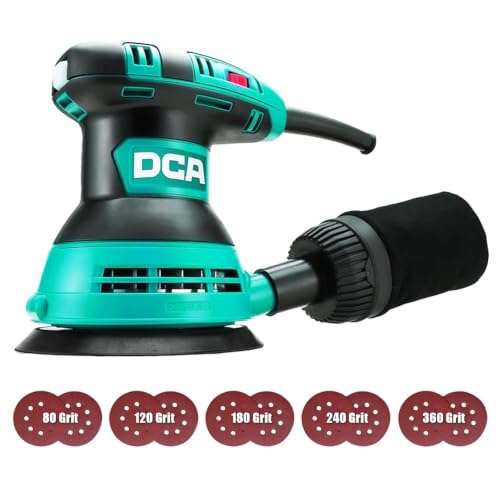

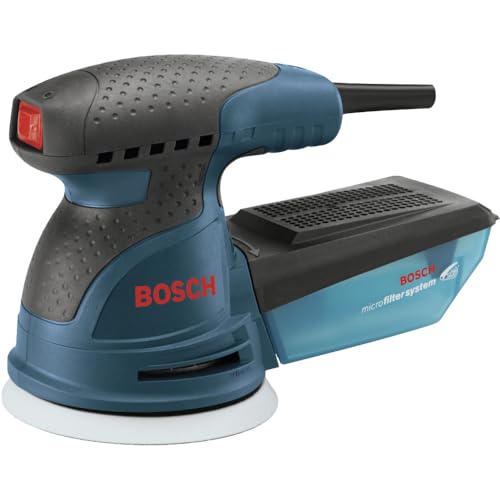
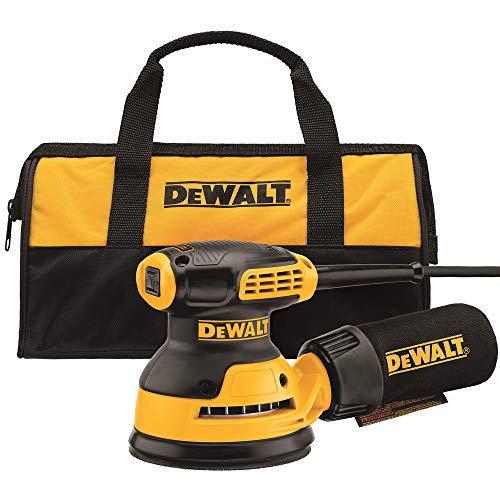
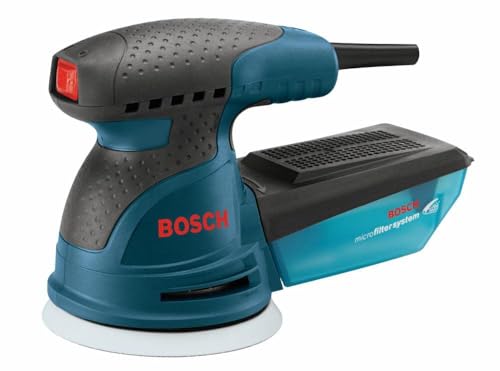
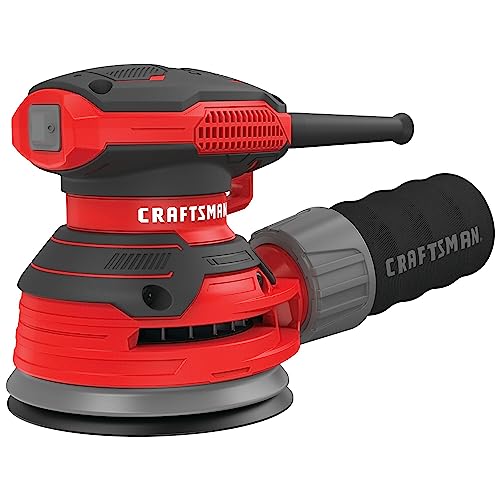

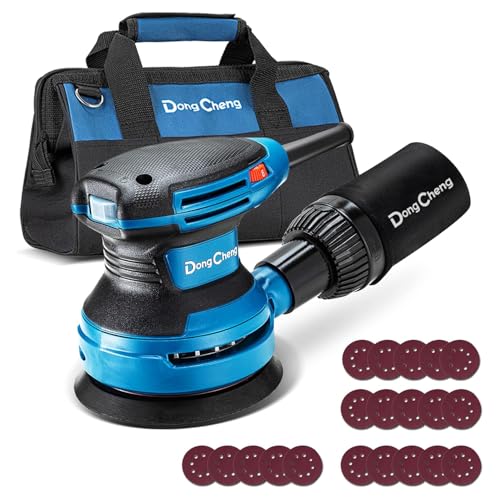


Who Should Buy Which Corded Orbital Sander?
Woodworkers With Long Shop Sessions
If your sanding happens at a bench for hours at a time, corded power is the natural fit. The tool never fades, never needs a pack swap, and holds its rated speed under load on wide panels. Pair it with a vacuum hose and a boom or hook overhead, and the cord nearly disappears from your attention. Buyers in this group should weight dust extraction and low vibration above almost everything else.
Budget Buyers Who Sand a Few Times a Year
A corded sander delivers full sanding performance for notably less money than a cordless kit with batteries and a charger. For occasional furniture touch ups, door edges, and paint prep, that saving is real and the runtime limit of batteries buys you nothing. Choose a five inch model with variable speed and spend the leftover budget on quality abrasives, which influence the finish more than another half amp of motor.
Paint Strippers and Renovation Workers
Removing old finish is the hardest work a sander does, and it eats batteries faster than any other task. A corded model with a larger orbit and a strong motor keeps cutting while you work through a door or a staircase. If stripping is your main job, also look at the six inch class covered in our guide to the best orbital sander for woodworking, where aggressive stock removal gets more attention.
Key Features to Compare
Motor Amps and Sustained Power
Corded sanders are rated in amps, typically from about 2.5 to 4.5 amps on five inch models and higher on six inch tools. Amps tell you how hard the motor can work without bogging down when you lean on coarse grit or sand wide boards. Just as important is how the tool holds orbit speed under pressure: better models keep the pad spinning near the set rate, while weak ones slow and start leaving curved swirl scratches. For most home shops, a three amp motor is the sweet spot of power and weight.
Orbit Diameter and Pad Size
The orbit is the small circle the pad travels, and its diameter shapes both speed and finish. A fine orbit around 3/32 inch is the furniture choice, producing a scratch pattern that disappears under finish at 180 or 220 grit. A larger orbit near 3/16 inch strips and levels far faster, which suits renovation work but demands a careful grit ladder afterward. Five inch pads fit most hands and projects; six inch pads cover tabletops and panels with fewer passes but need two hands and more storage space.
Speed Dial and Pad Brake
Variable speed, usually a thumbwheel covering roughly 4,000 to 12,000 orbits per minute, lets you match aggression to the surface. Slow down for veneer edges, plastics that melt under friction, and final passes where a calm tool leaves fewer marks. A pad brake, sometimes called a pad dampening ring, stops the pad from spinning wildly when you lift the tool off the work, which prevents the classic gouge when you set it back down. It is a small feature that saves real projects.
Dust Port and Vacuum Hose Fit
Corded shop sanders earn their keep connected to a vacuum, so the dust port matters enormously. Ports vary around one inch to one and a quarter inches, and many tools need a brand specific adapter to meet a standard shop vacuum hose. A friction fit that pops off mid pass will sour you on the tool within a week. Also check whether the port swivels or sits fixed, since a hose dragging from a fixed rear port fights your hand on every stroke across a panel.
Cord Length, Switch Sealing, and Grip
An eight to ten foot cord reaches around a bench without an extension for most layouts, and a rubber jacketed cord stays flexible in a cold garage. The switch should be sealed against the fine dust that sanding creates, because dust in a switch is the most common corded sander failure. Grip shape is personal but consequential: palm grips suit one hand control on small parts, while a taller body with a removable front handle steadies two hand work on doors and tabletops. Furniture specialists will find more on grip and finish in our guide to the best orbital sander for furniture.
Running a Corded Sander With a Vacuum, Without Fighting the Hose
The cord and the vacuum hose together can turn sanding into a wrestling match unless you route them well. Run both lines up and over a bench hook, a ceiling mounted arm, or even a simple bungee from a shelf, so the weight hangs above the work instead of dragging behind the tool. Keep a loop of slack near the bench so you can cross a full panel without tension. Route the hose to fall on the opposite side from your sanding hand, and tape the cord and hose together at one point near the tool so they move as a single line. These small habits make a corded setup feel nearly as free as the best cordless orbital sander while keeping the unlimited runtime.
Common Mistakes to Avoid
- Letting the cord or hose drag across a freshly sanded surface, which pulls grit and dust back over finished work.
- Buying the highest amp model for delicate furniture work, then fighting its weight and aggression on every small part.
- Skipping the vacuum adapter check, so the dust port and your shop vacuum hose never actually connect.
- Starting the sander in the air and setting it down spinning, which stamps a round gouge into the surface.
- Using an undersized household extension cord on a long run, which starves the motor and overheats the plug.
- Leaving discs on the pad between sessions, so the hooks flatten and the next disc will not grip.
How to Make Your Corded Orbital Sander Last Longer
Empty or vacuum the dust path after every session and blow out the motor vents monthly if you sand often. Fine dust works into bearings and switches, and heat from blocked vents shortens motor life. Inspect the cord jacket for nicks, especially near the strain relief, and stop using the tool if copper shows. Replace the backing pad when discs start slipping, and change carbon brushes on brushed models when the tool starts sparking or losing power, a cheap service that restores full strength. Store the sander pad side up so the foam keeps its flat shape.
FAQ
Are corded orbital sanders worth it?
Yes, especially if most of your sanding happens in one workspace. You get constant power, lighter weight in hand, and a lower purchase price, and you never plan a project around charge levels. The cord is a genuine annoyance on ladders, roofs, and large outdoor builds, which is where cordless earns its premium. Many serious hobbyists eventually own one of each, but the corded tool is the better first purchase for shop based work.
How long does a corded orbital sander last?
A quality corded sander often runs a decade or more in a home shop. The wear items are predictable: the backing pad loses grip after a few years of heavy use, carbon brushes wear down on brushed motors, and bearings eventually grow noisy. All three are inexpensive services compared with replacing the tool. Sanders die early mostly from dust packed vents and damaged cords, both of which basic cleaning and inspection prevent.
How do you clean a corded orbital sander?
Unplug the tool, remove the disc, and blow compressed air through the vents and around the switch and pad. Wipe the body with a dry or barely damp cloth and clear the dust port with a bottle brush so extraction stays strong. Never use water or solvents on the tool, and never open the housing just to clean it. Two minutes of this after each project keeps the dust from baking into the motor area.
Can a corded orbital sander run for hours without overheating?
Yes, that is its main advantage, provided the vents stay clear and you let the tool work at its own pace. Overheating usually traces back to heavy downward pressure or a clogged dust path, not session length. If the body grows hot enough to be uncomfortable in your hand, stop, clean the vents, and lighten your pressure. Pausing to change discs every fifteen minutes or so also gives the motor natural breathing room.
What size vacuum hose fits a corded orbital sander?
Most five inch corded sanders use a dust port around one inch or one and a quarter inches, while many shop vacuum hoses are one and a quarter or two and a half inches at the cuff. A simple rubber adapter or a brand specific connector bridges the gap for a few dollars. Measure the outside diameter of the port before ordering, since even sanders from one brand differ between generations. A snug friction fit that survives a tug test is the goal.
Final Thoughts
Decide by where you sand. A bench based shop rewards the corded tool with endless runtime, steady speed, and money left over for abrasives, while scattered outdoor work argues the other way. Look through the product table above and match amps, orbit size, and dust fittings to your projects. For most home workshops, the best corded orbital sander is the quiet workhorse that simply never asks you to wait for a charge.


