
Best 7500 Watt Generators for 2026: A Practical Buying Guide
Disclosure: We may earn a commission when you buy through links on this page, at no extra cost to you. As an Amazon Associate I earn from qualifying purchases. Learn more

Homeowners, rural households and crews can compare the best 7500 watt generators by running watts, 240 volt outlets and fuel type.
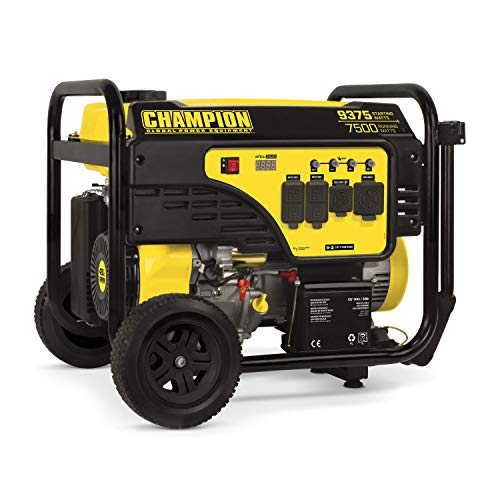
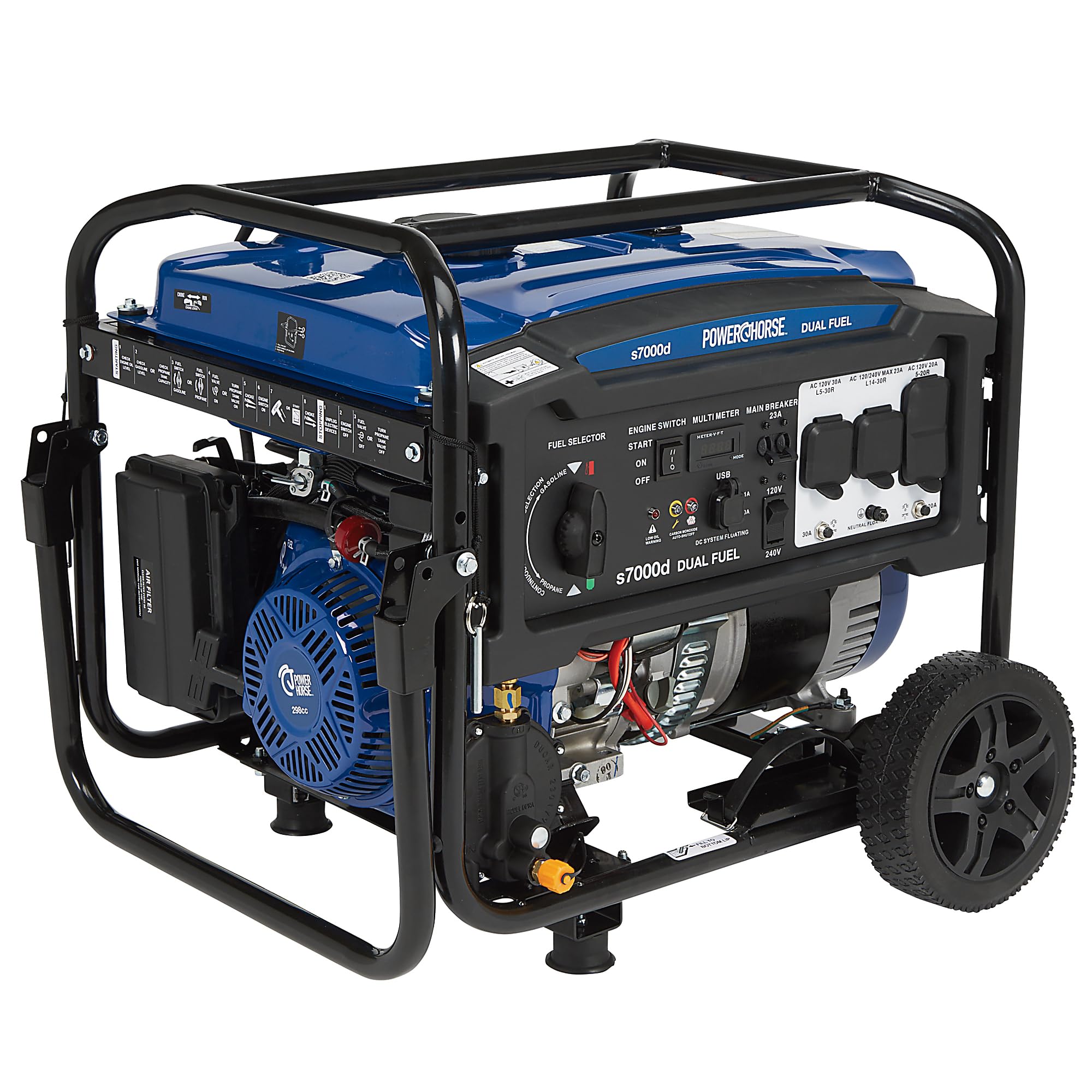
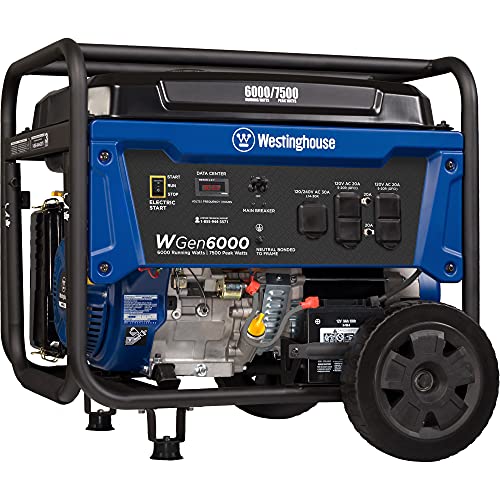
The 7500 watt class is where portable generators stop being camping gear and start backing up a house. It is the smallest size that comfortably runs a well pump, a refrigerator, a furnace blower and lights at the same time. Choosing among the best 7500 watt generators is mostly about honest watt math, the right 240 volt outlet, and fuel runtime, because raw engine size is similar across the class. The comparison table below puts the key numbers side by side.
This guide covers who this size suits, the specs that separate strong models from loud ones, and how to connect the generator to your home safely. If you are still sizing up the whole category, our guide to the best generator types walks through every size class first.

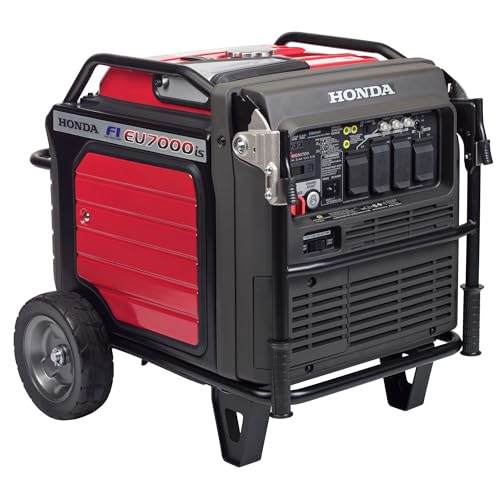

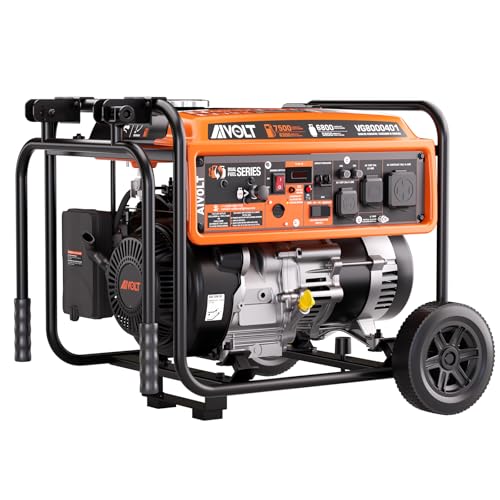

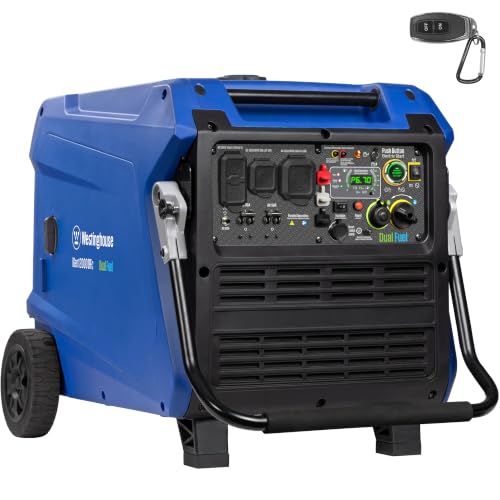
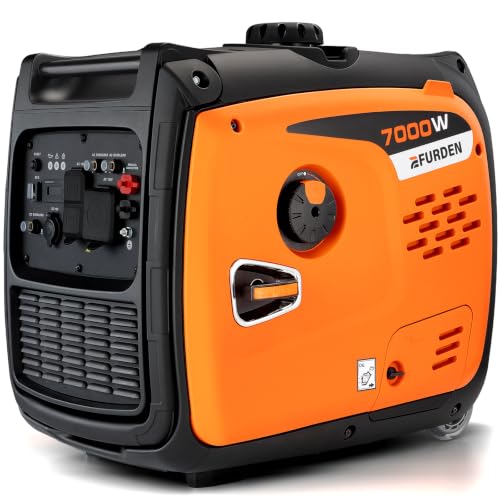
Who Should Buy Which 7500 Watt Generators?
Homeowners Who Want the Core Circuits Covered
If your outage plan is fridge, furnace, some lights, a few outlets and the TV, this class covers it through a transfer switch with power to spare for a microwave or a window air conditioner in rotation. You are the buyer who runs the generator hard for a few days a year and stores it the rest. Prioritize electric start, a big tank and a CO shutoff sensor over exotic features, and budget for the transfer switch install as part of the real purchase.
Rural Households Running a Well Pump
Losing power on a private well means losing water, which moves a generator from convenience to necessity. A 7500 watt unit with a 240 volt outlet starts most home well pumps with headroom for the fridge. Dual fuel versions add security, because a large propane tank on site can run for days after gasoline stations lose power or sell out. Wheel kits and a folding handle matter, since these machines weigh around 200 pounds.
Jobsite Crews Powering Big Corded Tools
On a framing or roofing site, 7500 watts runs a table saw, a compressor and chargers without the constant juggling a smaller unit demands. Contractors should look for a steel frame with real lifting points, GFCI protected outlets, and an idle control that drops engine speed between cuts to save fuel and hearing. Runtime per tank decides how often work stops, so a large tank beats a small one even at the same watt rating.
Key Features to Compare
Running Watts Versus Starting Watts at This Size
The 7500 figure on the box is almost always starting or peak watts. Plan your loads against the running rating, which is typically about 6000 to 6500 watts on models in this class. Motors in pumps, fridges and furnace blowers draw a brief surge when they start, often two to three times their running draw, and your generator absorbs those surges from the gap between running and peak watts. Add up the running watts of everything you expect at once, keep the total under the running rating, and leave surge room for the largest motor.
A 240 Volt Outlet for Transfer Switches and Well Pumps
The outlet panel tells you what the generator can really do for a house. Look for a 240 volt twist lock outlet, commonly the L14-30 type rated at 30 amps, because transfer switches and well pumps both need both legs of power. A panel that only offers household 120 volt outlets limits you to extension cords no matter how big the engine is. Covered outlets, individual breakers and a digital meter showing volts, frequency and run hours all help you run the machine correctly.
Fuel Tank Size and Runtime at Half Load
Most models in this class carry about 6 to 8 gallons and run roughly 8 to 11 hours at half load, which is the difference between sleeping through the night and refueling at 3 a.m. Manufacturers quote runtime at half or quarter load, so compare like with like. Dual fuel models run shorter per propane tank but gain shelf stable fuel and longer possible runtime from a large home propane supply. For outage duty, runtime plus the fuel you can store is the real capacity.
Electric Start and Battery Care
A 400 cc class engine with a dead battery or a stiff recoil pull is nobody's friend during a storm. Electric start with a recoil backup is the practical standard in this class. The catch is that the small starter battery dies quietly in storage, so choose a model whose battery is a common size, and keep it on a small maintainer charger. Some units include the battery, others treat it as an accessory, which changes the true price by a noticeable amount.
CO Shutoff and Other Safety Sensors
Generators in this class produce enough carbon monoxide to be lethal in minutes in an enclosed space. Newer models include a CO sensor that shuts the engine down when the gas builds up around the unit, which is a feature worth insisting on. It is a backstop, not a permission slip: the generator still belongs outdoors, at least 20 feet from the house, with the exhaust pointed away from windows and doors. Low oil shutdown is the other essential sensor, protecting the engine from the most common cause of early failure.
Frame, Wheels and Noise on an Open Frame Unit
Expect honest noise from this class. Open frame models typically measure in the low to mid 70s in decibels at working distance, about as loud as a vacuum cleaner that never stops, because there is no sound insulation around the engine. That is the tradeoff for the price and the wattage: if quiet matters most, the best inverter generator designs run far softer but cost more per watt and rarely reach this output in a single unit. Steel frames, never flat wheels and a balanced handle decide whether one person can move 200 pounds over grass and gravel.
Is 7500 Watts Enough for Your Home?
Start with a load list. A fridge runs on about 150 to 200 watts but surges higher at startup. A furnace blower draws about 600 to 900 watts. A half horsepower well pump runs near 1000 watts and can surge to about 3000. Add lights, a router, phone chargers and a TV, and a typical essentials list lands between 3000 and 4500 running watts, which this class handles while still absorbing motor surges. What it will not do is run an electric range, a clothes dryer, a central air conditioner and a water heater together. Households wanting everything at once should look at the standby machines in our best whole house generator guide instead.
Connection method is the second half of sizing. Extension cords through a window work for a fridge and some lights, but hardwired loads like a well pump and furnace need a transfer switch or an inlet box with an interlock, installed by a licensed electrician. Never plug a generator into a wall outlet to feed the house, a practice called backfeeding that can kill utility workers and start fires. For nights and weekends when you only need a fridge and devices, the battery stations in our best solar generator guide can cover the light loads in silence and save your fuel, though it cannot start a well pump.
Common Mistakes to Avoid
- Sizing your loads against the 7500 peak number, then discovering the running rating is lower the first time the pump and furnace start together.
- Running the generator in an open garage for weather shelter, which still traps carbon monoxide and has caused fatal accidents.
- Backfeeding through a dryer outlet with a homemade cord, endangering line workers and voiding every safety listing the machine has.
- Storing the unit with untreated gasoline for a year, so varnish clogs the carburetor before the first real outage.
- Stacking space heaters onto the load list, since a single heater eats about 1500 watts and quietly devours your surge headroom.
How to Make Your 7500 Watt Generator Last Longer
Run the generator under a real load for about 20 to 30 minutes every month or two. Exercise keeps seals wet, charges the starter battery and burns moisture out of the engine. Change the oil after the first break in hours and then on the schedule in the manual, since these air cooled engines hold little oil and work it hard. Use fresh fuel with stabilizer, drain the carburetor bowl for long storage, and clean the air filter and spark arrestor screen each season. Store the machine in a dry shed, and cover it loosely so condensation can escape.
FAQ
What is the best 7500 watt generator setup for home backup?
The strongest setup pairs the generator with an inlet box and a transfer switch or interlock installed by an electrician, so the furnace, well pump and fridge run from the panel with no cords through windows. Add a battery maintainer for the electric start, a heavy rated cord between the inlet and the generator, and stored fuel with stabilizer. That combination turns a storm chore into a ten minute routine.
How long will a 7500 watt generator run on a full tank?
Plan on roughly 8 to 11 hours at half load from a typical 6 to 8 gallon tank. Runtime stretches at light loads and shrinks fast when big motors cycle often. Propane versions run a similar span on a standard 20 pound tank and much longer on a large home tank. Keep a second fuel supply ready for multi day outages, because stations near a storm area often lose power themselves.
Can a 7500 watt generator run a well pump and a house at once?
Yes, for most homes, provided the pump is a half to one horsepower unit and the house loads are the essentials rather than every appliance. The trick is staggering starts: let the pump finish its surge before the furnace blower or microwave kicks on. A transfer switch with load management, or simply a household routine during outages, makes the arithmetic work comfortably.
Does a 7500 watt generator need a transfer switch?
Not legally for cord connected loads, but any load wired into your home, including the furnace and well pump, needs one. A transfer switch or breaker interlock isolates your panel from the grid so power cannot flow backward. Installation is electrical panel work, which means a licensed electrician and a permit in most areas. Budget for it, because without it half the loads you bought the generator for stay dark.
How loud is a 7500 watt generator for neighbors?
Open frame models in this class are plainly audible through a fence, roughly comparable to a loud lawn mower at the property line. Point the exhaust away from the neighbor's windows, place the unit on grass rather than concrete to cut vibration, and avoid running it overnight for loads a battery can carry. If your street has tight lots, factor noise honestly before choosing this class over a quieter inverter setup.
Final Thoughts
Buy this class for the running watts, the 240 volt outlet and the runtime, not for the biggest number on the box. Compare CO protection, starter battery care and wheel quality, and use the product table above to line up the panels and tanks side by side. Set up with a proper transfer switch, the best 7500 watt generators turn a multi day outage into an inconvenience instead of an emergency.


