
Best 35 ft Tape Measures in 2026: How to Choose for Long Layouts
Disclosure: We may earn a commission when you buy through links on this page, at no extra cost to you. As an Amazon Associate I earn from qualifying purchases. Learn more

A guide to the best 35 ft tape measure for long layouts, with standout, blade width, coatings, hooks and case size compared in plain terms.
A 25 ft tape runs out right where decks, room additions, and framing layouts get interesting. A 35 ft tape measure covers those long spans in one pull, and its wider blade stands out farther before it breaks, which is what solo measuring really depends on. The trade is a bigger, heavier case on your belt. This guide explains how to choose the best 35 ft tape measure for long work without paying for bulk you will resent.
We will compare standout, blade width and coating, hook design, markings, and case ergonomics. The comparison table below puts the key specs side by side, and our general guide to the best tape measure covers shorter tapes for shop and household use.


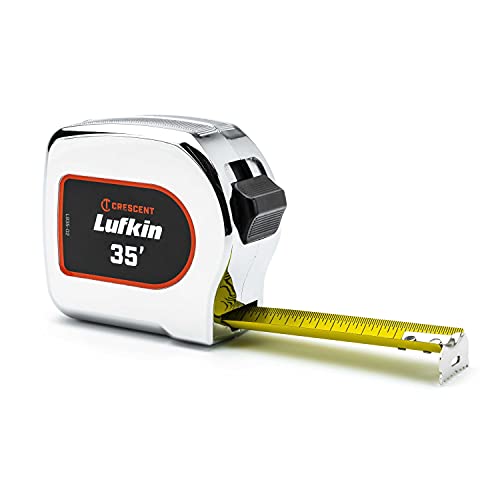

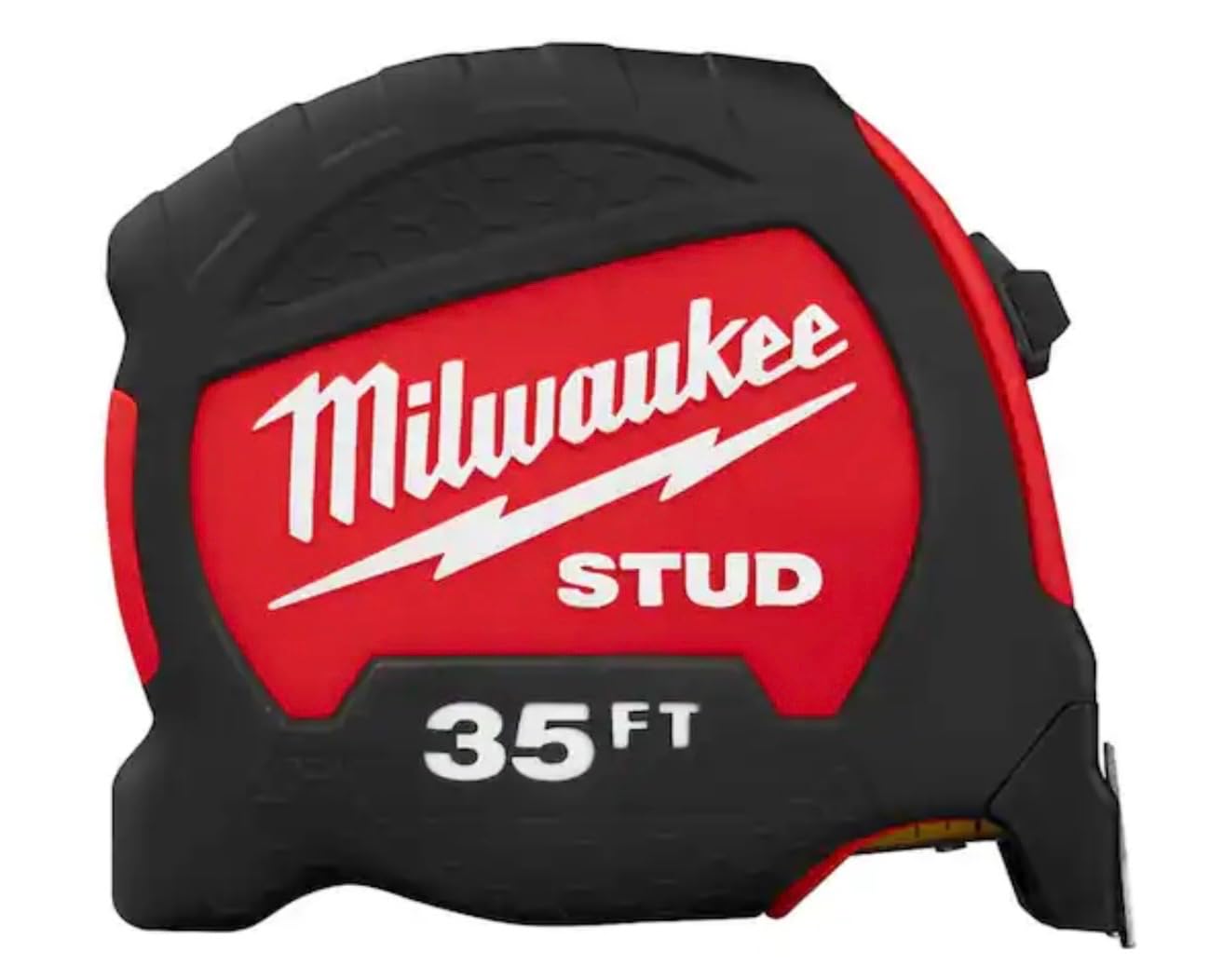
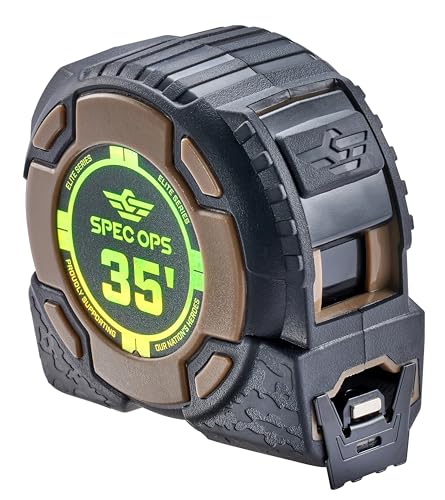
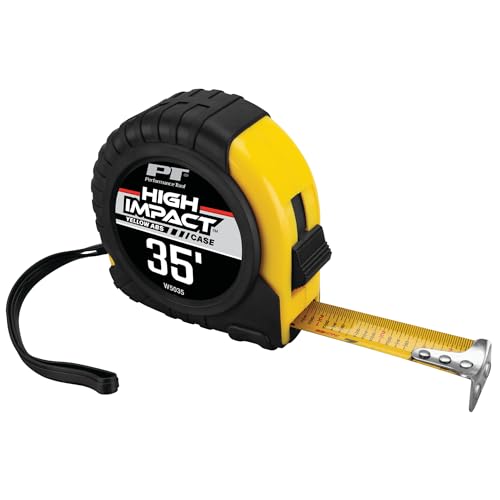
Who Should Buy a 35 ft Tape Measure?
Framers and Deck Builders Laying Out Long Spans
Walls, deck ledgers, joist runs, and concrete forms routinely stretch past 25 feet, and a 35 ft tape measures them in one pull instead of two error prone segments. The wide blade also survives being extended across open framing all day. Our guide to the best tape measure for construction covers the durability features job sites demand. If long layouts are your daily work, this is the tape size built for you.
Contractors and Estimators Measuring Rooms Alone
Measuring a room solo means hooking one wall and walking the tape to the other, and standout is the spec that decides whether the blade reaches or collapses at 12 feet. A 35 ft tape with strong standout turns two person measurements into one person measurements on estimates and material takeoffs. For measuring across finished rooms without touching the walls, the laser options in our guide to the best laser tape measure are worth comparing as a second tool.
Homeowners With Occasional Big Projects
If your projects are mostly room sized with a deck or fence once in a while, a 35 ft tape covers the rare long pull without owning two tapes. Accept the extra weight for those jobs and you will not miss the reach. For daily shop work, though, most people prefer the smaller case discussed in our guide to the best tape measure for woodworking, where short, precise pulls matter more than span.
Key Features to Compare
Standout and Blade Width
Standout is how far the blade extends unsupported before it breaks and flops down, and it is the spec that decides how you really measure alone. Long tapes advertise standout figures around 11 to 14 feet, reached with blades about 1 1/4 inches wide and strongly curved to stay stiff. Real standout drops when you work overhead, in wind, or at an angle, so treat the printed number as a best case ranking rather than a promise. A wider blade also carries larger, easier to read numbers, which matters at the far end of a long pull.
Blade Coating and Print Durability
The printed scale is the part of a tape that wears out first. Nylon or similar coatings over the print protect it from the grit that rides the blade back into the case on every retraction, and matte finishes cut glare in bright sun. Some blades print on both sides, which saves twisting the tape when you measure overhead or from below. On a 35 ft blade, more length means more surface sliding through the case mouth, so coating quality shows up sooner than on a short tape. If the first inches look worn on a display model, expect the rest to follow.
Hook Design and True Zero
The end hook does more than catch edges. Oversized hooks grab from the top, bottom, and sides, magnetic hooks stick to steel studs and appliances, and a loose fit on the rivets is deliberate: the hook slides by exactly its own thickness, so inside and outside measurements both read true. Check that the hook is not bent, because a bent hook quietly corrupts every reading. For long work, a hook you can catch on a nail or screw head at the far end of a span makes solo layout far easier.
Markings and Readability
Stud markings at 16 inch intervals and truss marks at 19.2 inches speed up framing layout, and fractional marks printed along the blade help new users read eighths and sixteenths without counting. Bold numbers at each inch and foot marks in a contrasting color reduce misreads at a distance. Over 35 feet, you will often read the tape from several feet away, so print size is a practical feature, not a cosmetic one. A blade that lists both imperial and metric suits shops that mix plans from both systems.
Case Size, Lock, and Retraction Control
A 35 ft tape lives in a large case, so grip shape, rubber armor, and belt clip position decide whether it annoys you hourly. A firm blade lock that does not creep under standout pressure keeps long readings honest. Retraction on a long blade is fast and can snap the hook hard enough to bend it, so models with a finger brake or a controlled return protect both the hook and your fingers. Consider how the case rides on your belt or sits in a pouch, because a tape left in the truck measures nothing.
How to Get an Accurate Reading Across a Long Span
Sag is the quiet enemy of long measurements: a blade drooping between two points travels a longer path than the straight distance, so it reads long. Reduce sag by keeping the blade under light tension and supporting it midway when you can, even with a knee or a helper hand. When accuracy matters, measure along a surface, the floor, a wall, or a string line, instead of through open air.
Hook the far end on something fixed, a nail, a screw, or the edge of the form, rather than trusting a fingertip that can slip a quarter inch without you noticing. Read the mark with the blade lying flat and untwisted, since a twist hides length in the curve. For critical cuts, measure twice from opposite ends and compare. That habit catches the misread ten digit, the classic long tape error, before it becomes a short board.
Common Mistakes to Avoid
- Trusting advertised standout overhead or in wind, where the blade breaks several feet sooner than it does on a bench.
- Letting the blade slam home at full speed, which bends the hook and throws off every measurement after that.
- Measuring a long span with the blade twisted, which hides extra length in the twist and gives a false reading.
- Retracting a wet or gritty blade after concrete work, so grit grinds the print off inside the case.
- Carrying the longest tape for fine shop work, where the bulky case slows down every short measurement you make.
How to Make Your 35 ft Tape Measure Last Longer
Wipe the blade with a dry cloth as it retracts after dirty jobs, because the case mouth scrapes grit along the print on every return. If the blade gets wet, pull out several feet and let it dry before winding it in, so the spring and blade do not rust together. Control the retraction with a finger on the blade instead of letting it slam, and check the hook rivets now and then: the hook should slide by its own thickness and no more. Store the tape out of standing water in truck boxes, and replace it when the print fades near the hook, since that is the section you read most.
FAQ
Is a 35 ft tape measure worth it over a 25 ft model?
It is worth it if you measure decks, rooms, fences, or framing layouts more than a few times a year, because one pull replaces two segmented measurements that each add error. For apartment sized tasks and shop work, a 25 ft tape is lighter and cheaper with no downside. Many tradespeople own both and grab the 35 only on layout days, which is a sensible way to handle the weight.
How far does a 35 ft tape measure really stand out?
Expect usable standout a foot or two below the printed maximum in real conditions, and less again when you extend upward or across a breeze. Technique helps: extend the blade with a slight upward arc, feed it out smoothly, and avoid sudden stops that start the break. Once the blade starts to fold, no grip trick recovers it, so walk closer and reextend rather than fighting the collapse.
Why does the hook on a tape measure move?
That movement is the true zero feature: the hook slides by exactly its own thickness, so a push measurement against a wall and a pull measurement off an edge both read correctly. If the hook ever slides more than its thickness, the rivets have loosened and readings drift. Test a suspect tape against a steel rule you trust over 12 inches, and replace the tape if the two disagree.
How do you keep a long tape blade from breaking during standout?
Keep the blade oriented with its curve up, extend it in one smooth motion, and stay as level as the job allows, because sideways tilt starts the fold early. Supporting the blade at mid span with a stud, a ladder rung, or a helper adds feet of reach on real layouts. Measuring in two planned segments from a marked midpoint beats one heroic extension that collapses three times.
How long does a 35 ft tape measure last?
The blade is the wear part: print fades, the coating scuffs, and the hook takes hits, while the spring and case usually keep working. On daily site use, a blade may stay crisp for a year or two; in a home shop, the same tape can read well for a decade. Since accuracy is the product, retire the tape when the first foot of print gets hard to read rather than when it finally breaks.
Final Thoughts
Buy standout and print durability first, hook design second, and case comfort third, because those are what long measuring actually uses. Look back at the product table above and compare blade width and standout claims side by side. Chosen that way, the best 35 ft tape measure turns your longest layouts into one calm pull instead of a two segment guess.


