
Best 3500 Watt Generators: Power and Runtime Guide for 2026
Disclosure: We may earn a commission when you buy through links on this page, at no extra cost to you. As an Amazon Associate I earn from qualifying purchases. Learn more

RV, job site and home backup buyers can compare the best 3500 watt generators by runtime, noise, outlets and inverter versus open frame design.
A 3500 watt generator is the size RVers, campers, and homeowners reach for when a small unit is not enough and a whole house machine is overkill. It can start a typical RV air conditioner, keep a refrigerator cold, run a sump pump, and power job site tools. The best 3500 watt generators differ mainly in how the watts are delivered, how long the tank lasts, and how much noise you can live with.
This guide explains what this class really runs, the difference between inverter and open frame designs, and the safety points that matter with fuel powered machines. The comparison table below lines up running watts, runtime, and noise so you can compare types without guessing.
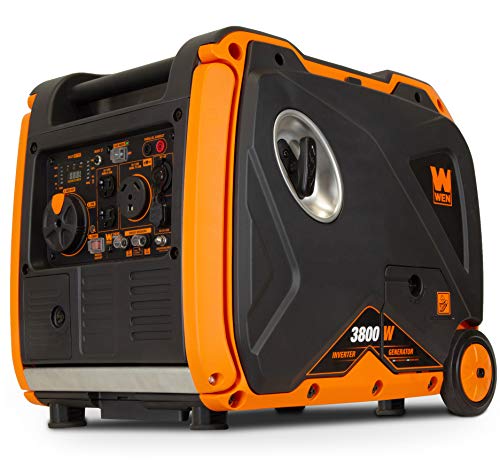
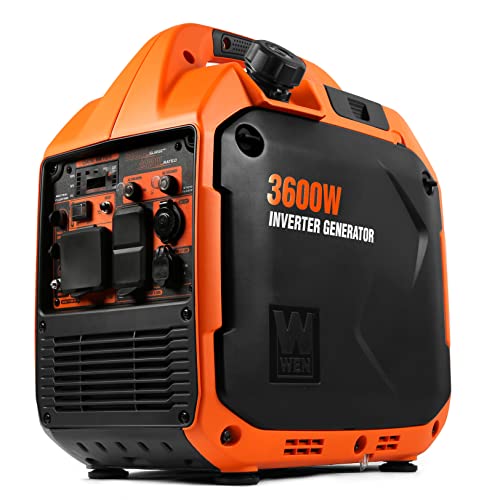
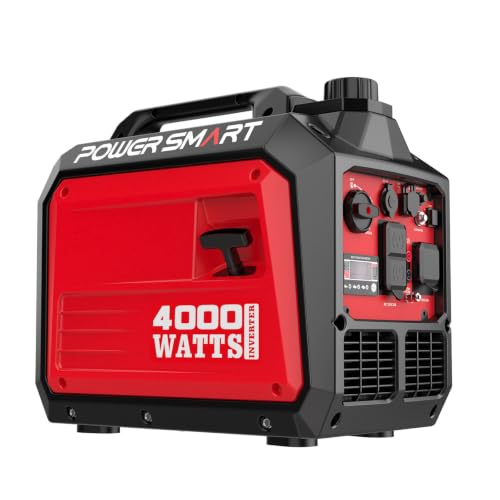
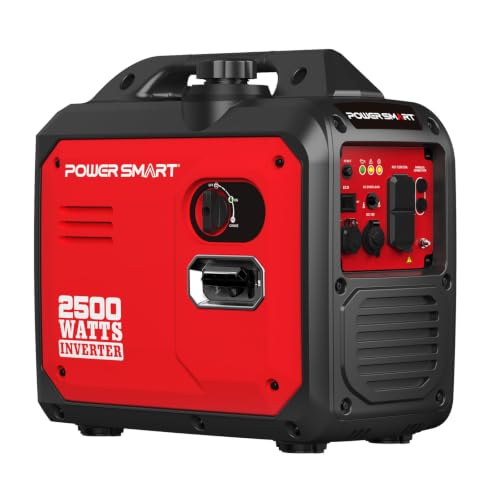

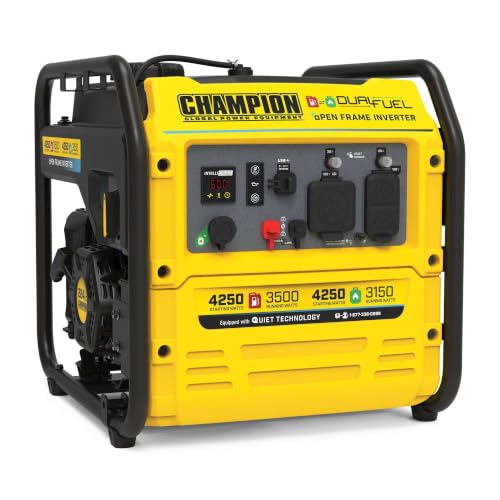

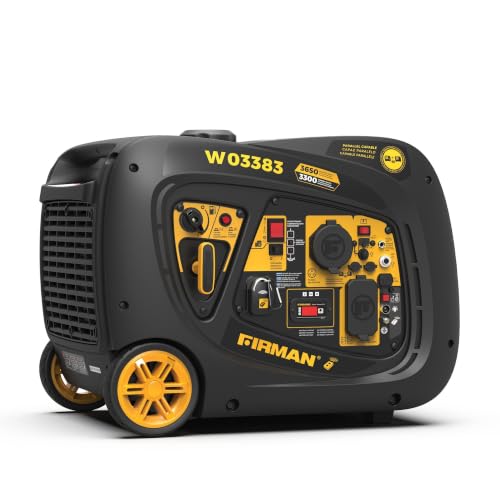
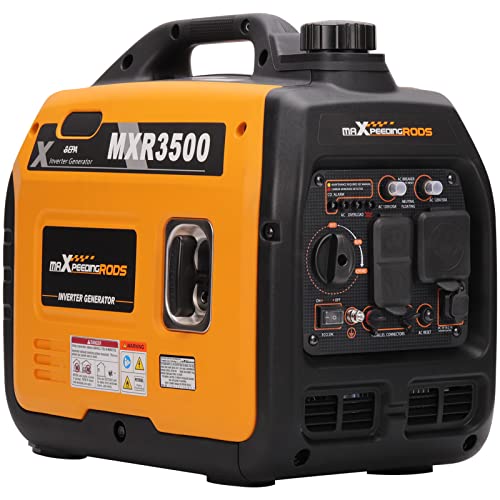
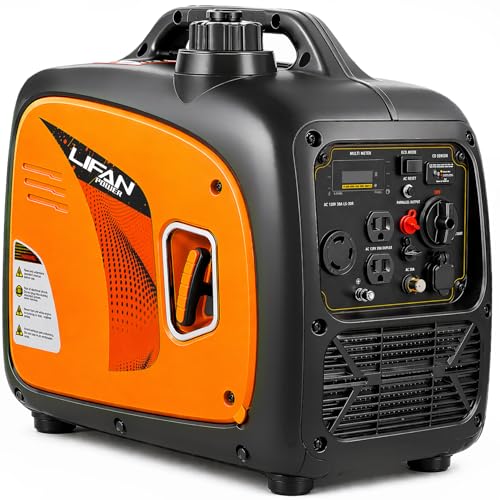
Who Should Buy Which 3500 Watt Generators?
RV and Camper Owners
If your goal is running a roof air conditioner, a microwave, and lights at a campsite, an inverter model in this class is the usual answer. It produces cleaner power for electronics, runs quieter in a campground, and many include the 30 amp RV outlet you need without adapters. Check the starting watts against your air conditioner, because that surge is the number that decides whether the unit starts on a hot afternoon.
Homeowners Who Want Targeted Backup
If you want backup for essentials rather than the whole house, this class covers a refrigerator, a freezer, a sump pump, lights, and phone charging, run in rotation through extension cords. An open frame model gives you those watts for the least money. Our broader best generator guide covers larger sizes if your outage list includes a well pump or a furnace blower on 240 volts.
Job Site and Tailgate Users
If you power saws, compressors, and lights away from outlets, or run a TV and a slow cooker at a tailgate, this class has the capacity. Open frame units are loud but cheap and tough, while inverter units keep the noise down where people gather. Weight matters here, since you will load and unload the machine often, so compare dry weights and handle designs before you choose.
Key Features to Compare
Starting Watts Versus Running Watts
Every generator in this class lists two numbers. Running watts, around 2800 to 3500, are what it supplies continuously. Starting watts, often 3500 to 4375, are the brief surge for motors. Air conditioners, pumps, and refrigerators all draw a surge at startup, so add up your running loads and then confirm the largest motor surge fits under the starting figure. A generator that is big enough on paper still fails if two motors surge at the same moment.
Inverter Versus Open Frame Design
Inverter generators produce clean, stable power that is safe for laptops, phones, and modern appliances with electronic controls. They throttle the engine to the load, so they are quieter and sip fuel at light loads. Open frame conventional models cost much less for the same watts and tolerate rough handling, but they are loud and their power quality is rougher. Campgrounds and neighborhoods favor inverters, while remote job sites tolerate open frames.
Fuel Type, Tank Size, and Runtime
Most models in this class run on gasoline, and some offer dual fuel operation on propane. Gasoline gives full rated power and easy refills, while propane stores indefinitely and keeps the carburetor clean, at a small power cost. Runtime claims are quoted at partial load, often 25 or 50 percent, so a claim of 10 hours may mean light duty only. Tank size and an economy mode matter more than the headline number for overnight runs.
Noise Level
Noise in this class ranges from the mid 50s decibels for inverter models at light load to around 70 or more for open frame units working hard. Campgrounds often enforce quiet hours and generator rules, and a loud unit limits when you can run it. Distance helps a lot, since doubling the distance from the machine cuts the noise you hear sharply, but your neighbors at the next site still hear an open frame. Choose quiet if people sleep nearby.
Outlets and RV Readiness
Check the outlet panel against your plugs. RV users want a TT 30 style 30 amp outlet, homeowners want at least two household outlets and a 12 volt DC port for battery charging, and some dual fuel or larger models in this class add a 120 and 240 volt twist lock outlet. A model with a voltage selector or a proper 240 volt outlet serves more backup roles. Also confirm the panel has covered outlets and circuit breakers for outdoor use.
Parallel Capability and Portability
Many inverter models can link with a second identical unit through a parallel kit, doubling your power when you need it and letting you run one small unit the rest of the time. That flexibility suits growing needs, though the kit and second unit add cost. Portability in this class means roughly 50 to 100 lb depending on design, so wheels and a folding handle are worth having on anything above the lightest inverters.
Generator Safety You Cannot Skip
Carbon monoxide from a generator can kill in minutes, and it has no smell. Run the machine outdoors only, at least 20 feet from the house, with the exhaust pointed away from windows, doors, and vents. Never run one in a garage, even with the door open. Many newer models include a CO sensor that shuts the engine down when gas builds up, which is a feature worth paying for, but it never replaces correct placement. Let the engine cool before refueling, and keep fuel stored in approved containers away from living spaces.
For cleaner power options with no fumes at all, our best solar generator guide covers battery stations that pair with panels. If your real need is quiet power for electronics, the dedicated best inverter generator guide compares more sizes, and if outages threaten the whole home, the best whole house generator guide explains standby systems that start automatically.
Common Mistakes to Avoid
- Adding only running watts and forgetting motor surges, so the air conditioner trips the breaker on startup.
- Running a generator in a garage or near an open window, where carbon monoxide can build up or drift inside.
- Believing the longest runtime claim, which is measured at light load, and running dry in the middle of the night.
- Plugging sensitive electronics into a cheap open frame unit with rough power output.
- Skipping the break in oil change, which the manual usually sets within the first hours of use.
- Storing the generator with old gasoline inside, so the carburetor clogs before the next outage.
How to Make Your 3500 Watt Generator Last Longer
Change the oil on schedule, and do the first change early, since break in sheds the most metal into the oil. Run the machine under load for about 20 to 30 minutes every month or two so seals stay lubricated and fuel stays moving, and top up with fresh fuel and stabilizer for storage. For long storage, either drain the carburetor or run it dry as the manual directs.
Keep the air filter clean, check the spark plug each season, and store the generator in a dry place with the fuel valve set as the manual advises. Use fresh gasoline from a busy station, because stale fuel is the top cause of hard starting. A generator that gets small regular attention starts on the first pull when the power fails, which is the entire point of owning one.
FAQ
What can a 3500 watt generator run?
It can run a refrigerator, a freezer, lights, a TV, phone chargers, and a sump pump in rotation, or one big load like an RV air conditioner plus smaller items. A typical window air conditioner, a microwave, or a circular saw also fits. It cannot run an electric range, a clothes dryer, or a central air system. Add your loads honestly and leave headroom for motor surges.
Will a 3500 watt generator run an RV air conditioner?
Usually yes for a single 13,500 BTU roof unit, which is the common RV size. The air conditioner may draw about 1300 to 1600 running watts but surge near 2800 or more at startup, which fits under the starting watts of this class. A soft start device on the air conditioner cuts that surge and makes starting far more reliable, especially at altitude or in heat. Running the microwave at the same moment may still trip it.
How long does a 3500 watt generator run on a tank?
Runtime depends on load and tank size. At about a quarter load, many models in this class run roughly 8 to 12 hours, while at half load or more the figure drops to about 5 to 8 hours. Inverter models in economy mode stretch light load runtime further by slowing the engine. Plan fuel for your worst night, not the brochure number, and keep a spare can stored safely.
Is an inverter generator worth the extra cost at 3500 watts?
For camping, tailgating, and any use near sleeping people, yes, because the lower noise and cleaner power change what you can do with it. For occasional outage backup in a detached setting, an open frame model delivers the same watts for much less money, and the noise matters less for a few daytime hours. The value call depends on where the machine will run most often.
Can I plug a 3500 watt generator into my house?
Only through a transfer switch or an interlock kit installed by an electrician. Never connect a generator to a wall outlet with a cord that has plugs on both ends, because that backfeeds power into the lines and can kill utility workers and start fires. For most users of this class, heavy duty extension cords to individual appliances are the simple safe method. A standby system is a different purchase class entirely.
Final Thoughts
The best 3500 watt generators match their surge capacity to your biggest motor, their noise to your setting, and their runtime to your longest expected run. Use the product table above to compare running watts, tank size, and decibel ratings, and place safety at the top of the list with outdoor placement and a working CO alarm indoors. Chosen and maintained well, this class quietly covers the most common power needs at home and on the road.


