
Best 4500 Watt Generators for 2026: A Buying Guide for Real Projects
Disclosure: We may earn a commission when you buy through links on this page, at no extra cost to you. As an Amazon Associate I earn from qualifying purchases. Learn more

The best 4500 watt generator runs your essentials without the noise and fuel burn of a big unit. Learn what this size powers and how to size it right.
The 4500 watt class is where portable generators get practical. It is enough power for a refrigerator, lights, a furnace fan, and the coffee maker during an outage, yet the machines stay light enough to wheel out of the garage alone and quiet enough in inverter form to camp beside. The best 4500 watt generator for you depends on which side of that split you live on: home backup essentials or portable power away from home.
This guide explains what this size actually runs, how starting and running watts change the math, and which outlets and features separate a smart buy from a loud compromise. The comparison table below shows the main types in this class.


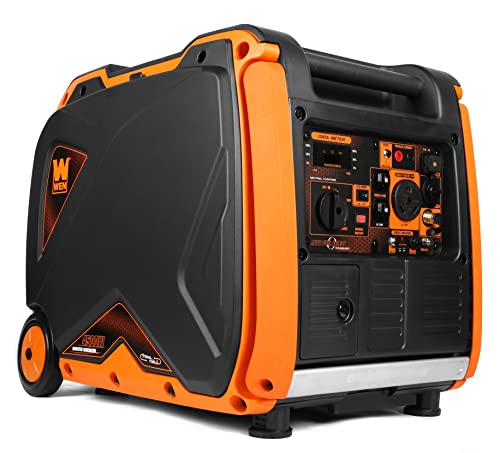

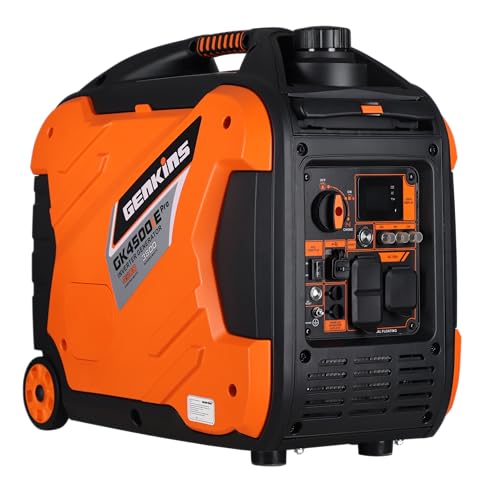

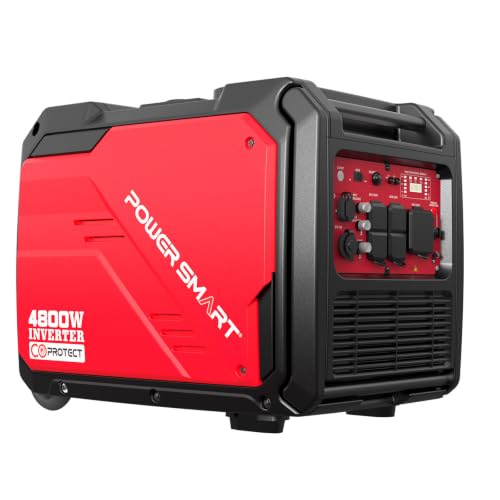


Who Should Buy Which 4500 Watt Generator?
Homeowners Covering Outage Essentials
If your outage plan is the fridge, some lights, phone charging, a TV, and either a sump pump or a furnace blower, this class covers it with discipline. You will not run everything at once, and you will not run central air, but the essentials hum along on modest fuel. For broader context on sizing up or down, our guide to the best generator sizes explains the whole ladder of watt classes.
RVers and Campers Running a 30 Amp Rig
A 4500 watt unit with an RV ready outlet feeds a typical travel trailer, including a single air conditioner in many cases, without the weight of a big open frame machine. Inverter models are the campground friendly branch of this class, with noise levels that will not anger the next site. If your trips lean toward silent solar charging instead, our look at the best solar generator class covers the battery based alternative.
Tailgaters, Market Vendors, and Light Job Site Users
For power away from buildings, this class runs a TV and lights at a tailgate, tools and battery chargers at a site, or a food warmers row at a market stall. Portability is the spec that matters here: weight, handle design, and never flat wheels. Choose the quieter inverter builds if people gather near the machine, and the cheaper open frame builds if the work is noisy anyway.
Key Features to Compare
Starting Watts Versus Running Watts
The 4500 in the name is the starting, or surge, rating: the brief burst the machine can deliver when a motor kicks on. The running rating, often around 3500 to 3700 watts in this class, is what it can supply all day. Motors in fridges, pumps, and air conditioners draw two to three times their running watts for a second at startup, so your load math must stack the running total and leave surge headroom for the biggest motor. A generator that is fine on paper can trip its breaker the moment two motors start together.
Inverter Versus Conventional Open Frame
Inverter models in this class produce cleaner power with low harmonic distortion, safe for laptops, phones, and modern electronics, and they idle down under light load to save fuel and hush the noise. Conventional open frame models cost less, run at a constant speed, and sound like it, but they are simple and durable. The clean power point matters more every year as more home devices hide sensitive electronics. Our guide to the best inverter generator models explains the technology and the trade offs in depth.
Outlets and RV Readiness
Look past the count of outlets to their types. A 30 amp RV outlet makes trailer hookup a one cable job. A twist lock 120/240 volt outlet matters if you plan to feed a home transfer switch or run a larger 240 volt tool later, though many 4500 watt units are 120 volt only. Household outlets with covers, a USB port or two, and a clear reset button arrangement round out a useful panel. Decide your connection plan first, then check the panel; adapters fix some gaps and create others.
Fuel Tank Size and Runtime
Runtime claims are quoted at partial load, usually a quarter or half, so compare machines at the same stated load. In this class, tanks around 3 to 4 gallons on inverter models deliver long stretches at light load, which is how outage essentials actually run. Open frame models carry similar or larger tanks. Fuel economy features like an eco mode stretch a tank through the night, which matters when the alternative is refueling a hot engine at 2 in the morning. A fuel gauge sounds trivial until your first multi day outage.
Start Method and Cold Weather Manners
Recoil pull starts are standard and reliable; electric start adds a battery that must be kept charged, and remote start adds comfort for home backup setups where the machine sits ready outside. For a generator bought for outages, the best start method is the one that works after six months of sitting: keep the battery on a maintainer if fitted, and run the machine monthly under load so the carburetor stays clean. Cold weather starts improve with fresh fuel and the correct oil weight, both cheaper than a service call during a storm.
Safe Placement Is Part of the Purchase
Every generator in this class produces carbon monoxide, an odorless gas that kills quickly in enclosed air. Run the machine outdoors only, at least 20 feet from the house, with the exhaust pointed away from windows, doors, and vents, and never in a garage, porch, or basement, even with the door open. Many newer models add a CO sensor that shuts the engine down when gas builds nearby; treat it as a backstop, not permission to move closer. Headache, dizziness, or nausea while a generator runs anywhere near the home means get to fresh air and call emergency services at once. If outages are frequent and the safe spot is far from the panel, price a transfer switch install; feeding the house properly beats extension cord gymnastics, and our guide to the best whole house generator class shows the permanent end of that road.
Common Mistakes to Avoid
- Adding up running watts only, then watching the breaker trip when the fridge and sump pump start in the same second.
- Running the generator in an open garage or under a covered porch, where carbon monoxide still pools and drifts indoors.
- Backfeeding a house panel through a dryer outlet, an illegal and dangerous setup that can kill line workers.
- Storing the machine for a year with untreated fuel in the carburetor, guaranteeing a no start on outage day.
- Refueling a hot or running engine, when spilled gasoline on a hot muffler can ignite.
- Placing the generator right under a bedroom window for cord convenience, filling the room with noise and exhaust risk.
How to Make Your 4500 Watt Generator Last Longer
Generators fail from sitting, not from working. Run yours under a real load for about 20 minutes every month or two, which keeps seals wet, the battery charged, and stale fuel moving through the carburetor. Use fuel stabilizer in stored gasoline, and for long storage either drain the carburetor or shut off the fuel valve and run it dry. Change the oil after the first break in hours and then on the manual's schedule; small engines live and die by oil. Keep the air filter clean, the spark plug fresh, and the machine stored dry under a breathable cover, and test your outage plan once a year in daylight.
FAQ
What will a 4500 watt generator run in a house?
Expect to run a refrigerator, lights, a TV and router, phone chargers, and one rotating larger load such as a sump pump, a furnace blower, or a microwave, with running watts to spare for most of that list at once. Central air conditioning, electric dryers, and electric water heaters are beyond this class. The working method is a load list: write each item's running watts, add them, and keep the total under the machine's running rating with surge room left over.
Will a 4500 watt generator run an RV air conditioner?
Usually yes for a single typical RV air conditioner, especially with a soft start accessory fitted to the AC unit, which trims the startup surge that trips smaller generators. Two air conditioners at once is beyond this class. Check your AC unit's startup draw against the generator's surge rating, and remember that altitude and heat both shave output, so a combination that works at home may struggle in the mountains.
How loud is a 4500 watt generator?
Inverter models in eco mode are conversational at campsite distance, commonly rated in the low to mid 50s in decibels at partial load, measured at a standard distance. Open frame models run notably louder, closer to lawn mower territory. Ratings depend on load and distance, so compare numbers quoted the same way. If the machine will run near neighbors or a tent wall, the inverter premium is mostly a noise purchase, and a wise one.
Can a 4500 watt generator power a house through a transfer switch?
Yes, if the model offers a suitable outlet for the switch connection and the switch is installed by a licensed electrician. A transfer switch feeds selected circuits safely and legally, and it ends the tangle of extension cords through windows. Many 4500 watt units are 120 volt only, which limits them to 120 volt circuits; check the panel before planning the install. The generator still lives outdoors, with a proper inlet box on the wall.
How far from the house should a portable generator sit?
At least 20 feet from the home, downwind, with exhaust aimed away from any opening. That distance, not the CO sensor and not an open garage door, is the rule that keeps the gas out of your living space. Use cords rated for the load to bridge the gap, and keep connections dry and off the ground where water pools.
Final Thoughts
Size your load list first, then pick the type: inverter for quiet, clean power near people and electronics; open frame for simple, cheaper watts where noise does not matter. The best 4500 watt generator is the one whose running rating, not its headline number, covers your list with surge room to spare. Compare the candidates in the product table above, keep carbon monoxide safety at the center of your setup plan, and talk with an electrician about a transfer switch if outages are a yearly event.


