
Best 6 Gallon Shop Vac: Power, Filters and Value for 2026
Disclosure: We may earn a commission when you buy through links on this page, at no extra cost to you. As an Amazon Associate I earn from qualifying purchases. Learn more

Garage and workshop users can match the best 6 gallon shop vac to their mess by comparing airflow, hose size and filters.
Six gallons is the size many garages and small workshops settle on. The tank is big enough for sawdust, drywall scraps, and a spilled bucket of water, yet the machine still rolls easily between projects and stores under a bench. Finding the best 6 gallon shop vac is really about airflow, hose size, and filtration, because the headline horsepower numbers on the box tell you very little about cleaning power.
This guide explains who this size suits, which specs predict real suction, and how to keep the machine pulling hard for years. The comparison table below puts airflow, hose diameter, and filter types side by side so you can compare models without decoding marketing claims.
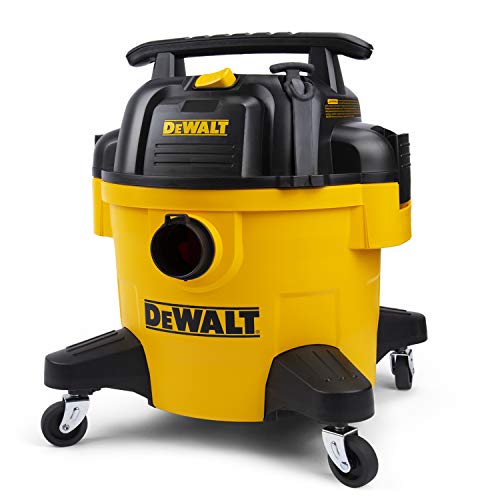


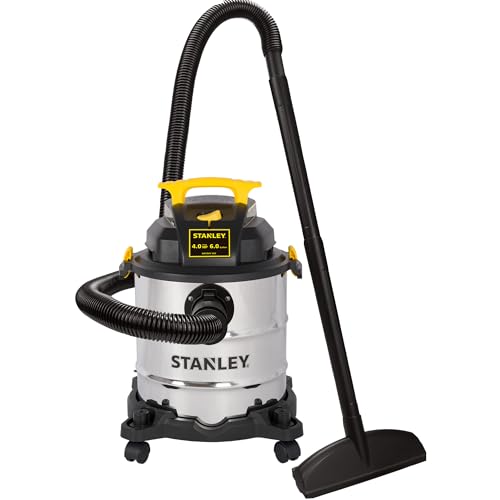


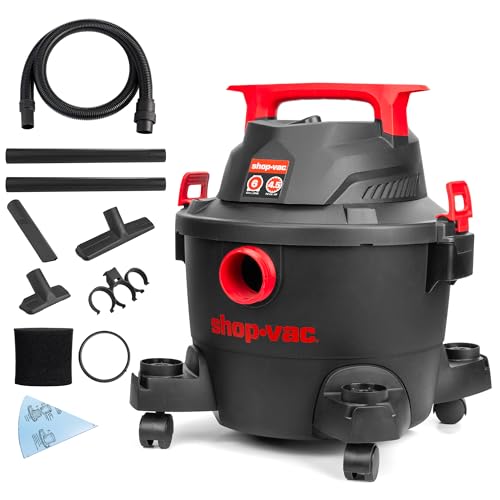
Who Should Buy Which 6 Gallon Shop Vac?
Home Workshop and Garage Users
If your cleanup is sawdust from weekend projects, floor grit, and the odd spill, a corded 6 gallon vac with a standard cartridge filter handles it all. Choose a model with a 2.5 inch hose if you pick up chunky debris, because wider hoses swallow screws, wood chips, and leaves without clogging at the inlet. A drain port at the base of the tank makes emptying water much easier.
Homeowners Who Also Clean Cars and Patios
If the vac will move between the garage, the car, and the patio, look for a long cord, a hose that stretches without pulling the unit over, and an accessory kit with a crevice tool and a utility nozzle. A blower port adds value outdoors, since the same machine can clear leaves from a porch or dust from a workbench. Our full best shop vac guide covers larger sizes if your projects outgrow this class.
Renters and Small Space Owners
If storage is a closet or a single shelf, compare the footprint and height of 6 gallon models carefully, because tank shapes vary a lot. Some owners find the options in our best small shop vac guide fit better, while others keep the 6 gallon size and hang the hose and cord on wall hooks. A top handle and light empty weight matter more than raw power when you carry the vac up stairs.
Key Features to Compare
Airflow and Sealed Pressure, Not Peak Horsepower
Peak horsepower is measured in a lab moment and does not predict pickup. Two numbers do. CFM tells you how much air the vac moves, which governs how fast it clears loose debris like sawdust and leaves. Sealed pressure, also called water lift, tells you how hard it pulls, which matters for wet pickup, dense dust, and sucking water out of carpet. For a 6 gallon machine, a balance of both beats a big claim in either one alone.
Hose Diameter and Length
Hose size changes what the vac can swallow. A 2.5 inch hose passes chunky shop debris and rarely clogs, but it is stiff to maneuver inside a car. A 1.25 inch hose flexes easily around seats and shelves but chokes on wood chips. Many 6 gallon models ship with one and accept the other as an accessory. Hose length matters too, because a short hose drags the tank behind you and tips it on its casters when you stretch too far.
Filtration: Cartridge Filters and Bags
Every shop vac needs its filter matched to the mess. A standard cartridge filter handles coarse debris, a fine dust filter or filter bag is essential for drywall and concrete dust, and a foam sleeve is used for wet pickup. Filter bags keep the cartridge cleaner, extend its life, and make emptying dust far less messy. If you sand drywall or sweep ash, budget for bags and a fine filter from day one instead of treating them as extras.
Wet Pickup Capacity and Shutoff
The rated tank size is not the usable wet capacity, because a float inside the tank shuts off suction before water reaches the motor. On a 6 gallon vac you may get about 4 gallons of water before the float rises. That is fine for a spilled bucket or a small leak, but slow for a flooded corner. A bottom drain plug turns a heavy sloshing tank into an easy empty. Remove the paper cartridge filter before wet work unless the maker says it can stay.
Blower Port, Cord, and Reach
Many models let you plug the hose into an exhaust port to create a blower for leaves, dust, and drying a floor. It will not replace a dedicated leaf blower, but it is handy in a garage. Add the cord length and hose length together to judge real reach, since a 10 ft cord with a 7 ft hose still chains you to one outlet. Onboard accessory storage keeps nozzles from vanishing into the clutter the vac is meant to tame.
Build Quality and Stability
Wide caster bases resist tipping when the hose tugs, and large rear wheels roll over cords and thresholds better than four small casters. Latches that clamp the head down firmly keep suction sealed and stop the lid from popping off when you lift by the handle. Tank material is usually plastic at this size, which is fine, but check that the drain cap and hose cuffs feel sturdy, because those small parts take the most abuse.
Getting the Most From a 6 Gallon Vac
Match the setup to the job each time. Use the wide hose and utility nozzle for floor debris, the narrow hose and crevice tool for cars, and the foam sleeve with the filter removed for water. For vehicle interiors, the techniques in our best shop vac for car detailing guide show how smaller nozzles reach under seats and into door pockets. If cords limit you around a vehicle or a campsite, a model from the best cordless shop vac range trades some runtime for total freedom of movement.
Common Mistakes to Avoid
- Judging by peak horsepower alone and ending up with a loud machine that moves little air.
- Vacuuming drywall or concrete dust with only a coarse filter, which clogs it and blows fine dust back into the room.
- Leaving the paper cartridge filter in during wet pickup, so it soaks, weakens, and grows mildew.
- Yanking the hose to move the vac, which tips the tank and spills the contents you just collected.
- Picking up hot ash, gasoline, or sharp metal shards, which can damage the tank or start a fire.
- Letting the tank overfill until debris reaches the filter, cutting suction and stressing the motor.
How to Make Your 6 Gallon Shop Vac Last Longer
Empty the tank before debris reaches the filter, and knock dust out of the cartridge filter outdoors after dry jobs. Washable filters can be rinsed and must dry completely before reuse, because a damp filter clogs fast and smells. Check the float moves freely, wipe the tank seal, and store the hose loosely coiled so it does not kink or crack at the cuffs.
Use filter bags for fine dust work to protect the cartridge, and replace torn bags right away. Keep the cord loosely wrapped instead of tightly wound around hot motor housings, and store the machine indoors where plastic stays flexible. If suction fades, work through the simple causes first: full tank, clogged hose, dirty filter, or a lid latch not fully closed.
FAQ
What size shop vac do I need for a home garage?
For most home garages, 5 to 6 gallons is the practical sweet spot. It swallows a project worth of sawdust and a spilled bucket of water without the bulk of a 12 or 16 gallon tank. Step up in size only if you flood regularly, run a dust collector line, or hate emptying. Step down if storage space, stairs, or carrying weight are your main constraints.
Is a 6 gallon shop vac strong enough for car cleaning?
Yes. Car interiors need reach and the right nozzles more than raw size. A 6 gallon vac with a narrow hose, a crevice tool, and a soft brush handles floor mats, trunk grit, and pet hair well. The tank size only decides how often you empty it. Park the unit beside the car and let the hose do the traveling, since dragging a full size tank around paintwork risks scratches.
Can a 6 gallon shop vac pick up water?
Yes, every wet dry model in this class can, as long as you set it up correctly. Remove the paper cartridge filter or fit the foam sleeve as the manual directs, and stop when the float cuts suction, which happens before the tank is truly full. Empty through the drain port if it has one. Never use a shop vac for flammable liquids such as gasoline or solvents.
How often should I replace a shop vac filter?
Replace or wash the cartridge filter when suction drops and tapping it clean no longer helps, which for typical home use is once or twice a year. Fine dust work wears filters faster, and bags stretch that interval by catching most dust first. A filter that is torn, crushed, or musty after wet use should be replaced at once, since a damaged filter lets dust reach the motor.
What is the difference between a shop vac and a regular vacuum?
A shop vac is built for coarse debris, construction dust, and liquids, with a big hose, a simple tank, and parts you can rinse. A household vacuum uses a beater brush, finer filtration, and quieter tuning for carpets and floors, but it chokes on wood chips and cannot touch water. Many homes keep both, using the shop vac in the garage and the household machine indoors.
Final Thoughts
The best 6 gallon shop vac for your space is the one with honest airflow numbers, the hose size your debris needs, and filtration matched to your dust. Check the product table above for reach, weight, and filter types, and budget for bags if you sand or sweep fine dust. Set up right for wet and dry work, this size quietly handles almost every cleanup a home produces.


